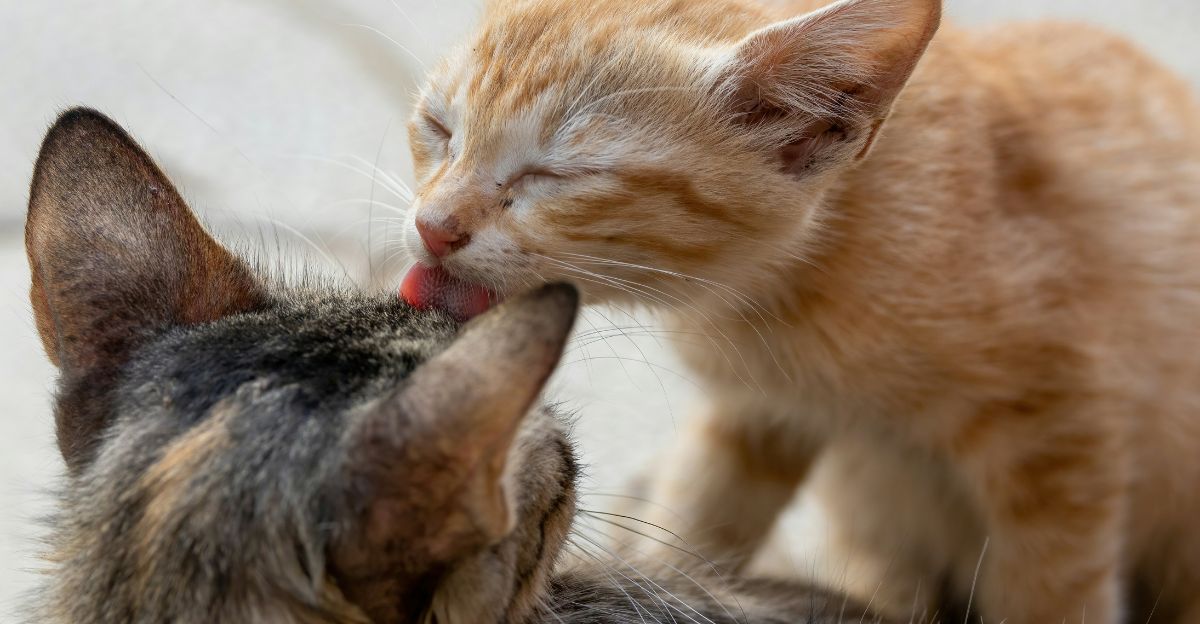
Have you ever wondered why your cat suddenly starts licking or grooming your head? It might feel strange or even a little ticklish, but there’s a lot more behind this behavior than you think.
Your furry friend isn’t just being playful—they’re sending you important signals through their grooming. Understanding why your cat grooms your head can deepen the bond you share and help you respond in the best way. Keep reading to discover the surprising reasons behind this unique cat habit and what it means for your relationship.
Credit: pethelpful.com
Cat Grooming Behavior
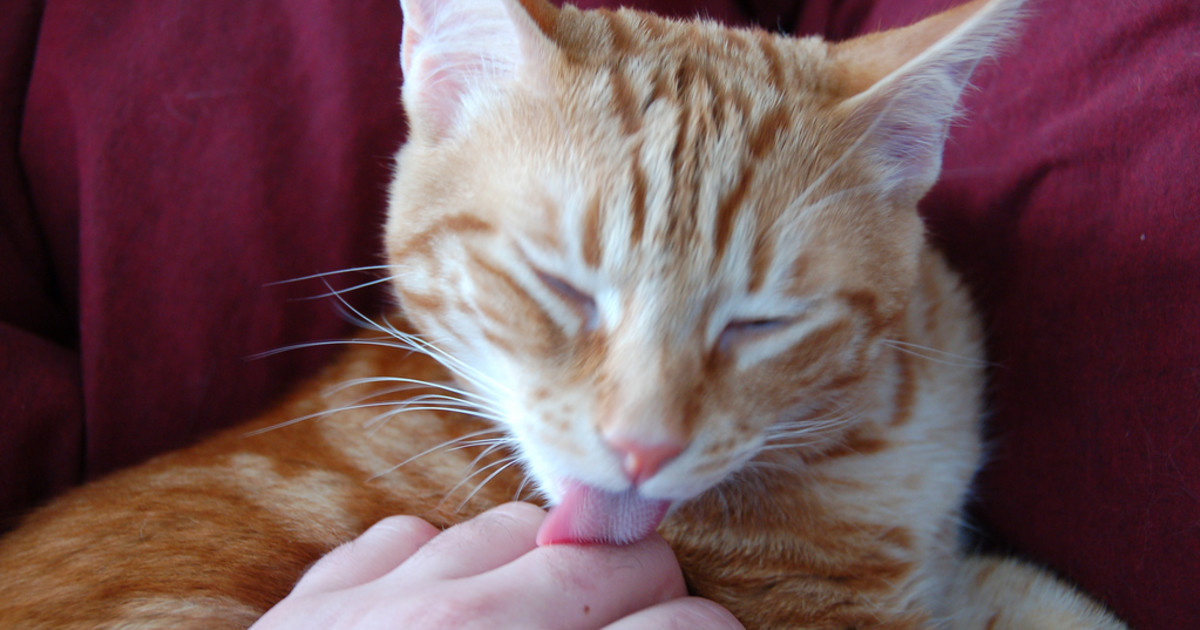
Understanding why your cat grooms your head starts with knowing their grooming behavior. Cats use grooming not just to clean themselves but also to build bonds and communicate. When your cat licks your hair or scalp, it’s often a mix of natural instincts and social signals.
Natural Grooming Instincts
Cats have a strong instinct to groom themselves regularly. This behavior helps them stay clean, remove loose fur, and regulate body temperature. Your cat’s tongue is specially designed with tiny, hook-like structures that help remove dirt and distribute natural oils.
When your cat grooms your head, they might be extending this instinct. Your hair and scalp can feel similar to their fur, and grooming you can be a way for them to care for a “family member.” Have you noticed your cat licking your hair after you’ve been outside or after a shower? It’s their way of including you in their grooming routine.
Social Grooming In Cats
Cats don’t just groom themselves—they groom each other to strengthen social bonds. This behavior, called allogrooming, helps cats build trust and show affection. When your cat grooms your head, it’s often a sign they see you as part of their social group.
Social grooming releases calming hormones like oxytocin, which makes both you and your cat feel relaxed and connected. It’s a form of communication that says, “You’re part of my family.” Next time your cat licks your scalp, ask yourself what kind of connection you share with them. Could this be their way of showing loyalty and love?
Credit: www.animalcareclinicjc.com
Reasons Cats Groom Human Heads
Cats grooming human heads is a curious behavior that many pet owners notice. This action goes beyond simple cleanliness. It involves deep emotional and social reasons within a cat’s nature. Understanding why cats groom your head helps strengthen your bond.
Grooming is a natural way cats communicate. It shows trust and comfort. Cats use grooming to express feelings and establish connections with their humans.
Showing Affection And Bonding
Cats groom to show love and closeness. Grooming your head is a way to share affection. It means they see you as part of their family. This act creates a special bond between you and your cat. It’s a sign of trust and friendship.
Marking Territory With Scent
Cats have scent glands in their mouths. When they lick your head, they leave their unique scent. This marks you as theirs. It sends a message to other animals. It says, “This human belongs to me.” This scent marking helps cats feel secure and safe.
Seeking Comfort And Security
Grooming your head can calm a cat. It reminds them of being cared for. This comfort reduces stress and anxiety. Cats feel safe when they groom someone they trust. It’s a peaceful moment for both you and your cat.
Imitating Motherly Care
Mother cats groom their kittens to clean and protect them. Adult cats sometimes copy this behavior with humans. Grooming your head is like motherly care. It shows a nurturing side. Your cat treats you gently, like a kitten.
What Your Cat’s Grooming Means
When your cat gently grooms your head, it’s a behavior that can leave you puzzled. Is it love, or is it simply a quirky cat thing? Understanding what your cat’s grooming means can deepen your bond and enhance your relationship. Let’s explore the fascinating reasons behind this feline behavior.
Signs Of Trust And Attachment
Cats don’t just groom anyone. When your cat spends time grooming your head, it signals a strong bond and trust. It’s their way of saying, “I feel safe with you.”
Consider how your cat behaves around strangers. Are they reserved? Now, contrast that with the time they spend grooming you. This behavior highlights the trust your cat places in you.
Stress Relief For Cats
Grooming is a natural stress reliever for cats. When they groom you, they might be using the activity to calm themselves. Have you noticed your cat grooming you more during loud noises or changes at home?
This behavior can be soothing for them. Plus, it’s a reminder that your presence is comforting. Your cat may be using grooming as a way to cope with stress.
Communication Through Grooming
Cats use grooming to communicate. By grooming your head, your cat might be trying to convey a message. Perhaps it’s an invitation to play, relax, or even a way to mark you as part of their territory.
Pay attention to their body language while grooming. Are their ears perked up? Is their tail relaxed? These subtle cues can tell you more about what your cat is trying to communicate through grooming.
Understanding these behaviors not only answers why your cat grooms your head but also strengthens your relationship. Next time your cat decides to give you a grooming session, remember it’s more than just a quirky habit—it’s a sign of trust, stress relief, and communication.

Credit: www.moopetcover.com
When Grooming Becomes Excessive
When your cat’s grooming of your head shifts from a sweet gesture to a constant, overwhelming habit, it’s a sign to pay attention. Excessive grooming can indicate that something is off balance in your cat’s life or health. Recognizing this behavior early helps you protect both your comfort and your cat’s well-being.
Possible Anxiety Or Health Issues
Does your cat groom your head nonstop, even when you try to stop them? This could be a sign of anxiety or stress. Cats often use grooming as a way to calm themselves, especially if they feel insecure or bored.
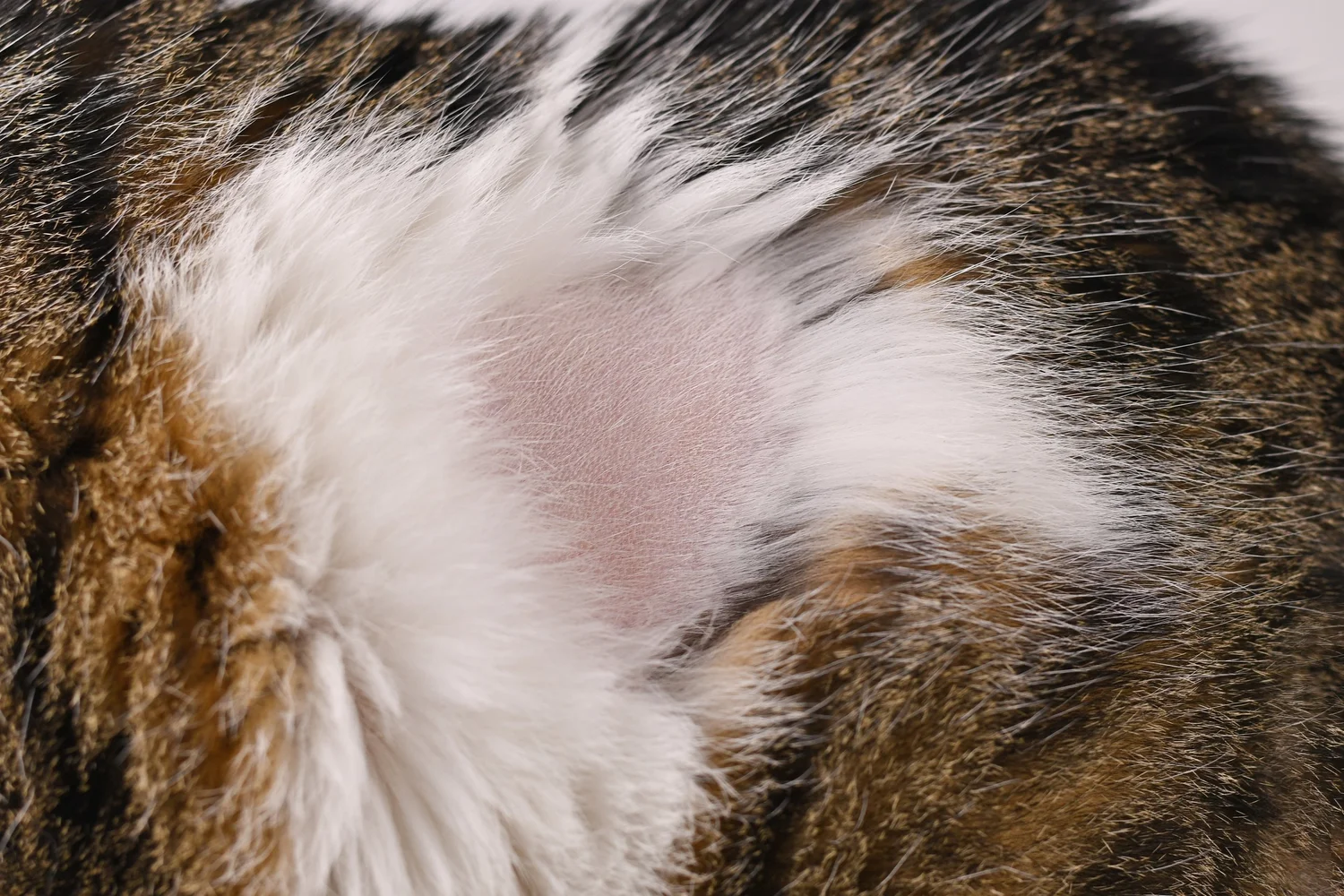
Health problems may also cause this behavior. Skin conditions, allergies, or even pain can make your cat seek comfort through repetitive grooming. If you notice bald spots or redness on your cat’s tongue or mouth, it’s time to visit the vet.
Have you seen any other unusual behaviors in your cat lately? Changes in appetite, sleep patterns, or energy can give you clues about underlying issues. Don’t ignore these signals just because the grooming seems harmless.
How To Manage Over-grooming
Start by creating a calm environment for your cat. Reduce loud noises and sudden changes that might trigger anxiety. You can add a cozy spot with familiar scents where your cat feels safe.
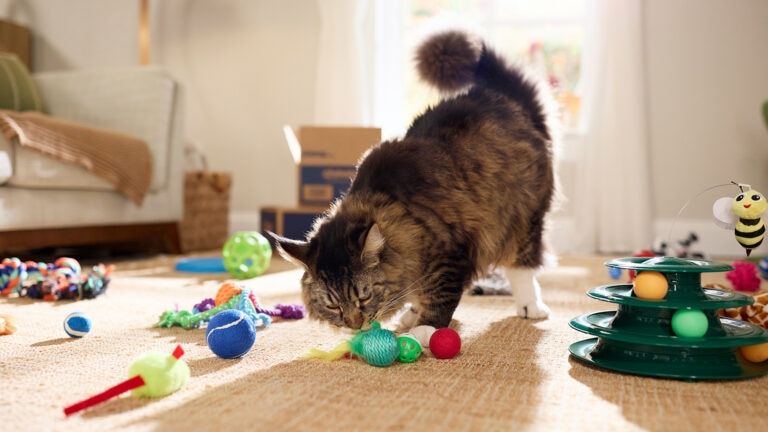
Distraction works well too. Offer toys or interactive play sessions to channel your cat’s energy away from your head. Sometimes, simply engaging your cat more during the day can reduce the urge to over-groom.
If the grooming continues, try gently redirecting their attention with treats or petting on other areas. Consistency is key; don’t reward the head grooming behavior accidentally by giving attention only when it happens.
When was the last time you consulted your vet about your cat’s habits? A professional check can rule out medical issues and provide tailored advice. Remember, managing over-grooming is about helping your cat feel secure and healthy.
Encouraging Positive Grooming Habits
Encouraging positive grooming habits helps build a strong bond with your cat. Grooming is a natural behavior that shows affection and trust. Supporting this habit keeps your cat happy and relaxed. It also prevents stress and unwanted behaviors.
Creating A Calm Environment
Cats feel safe in quiet, peaceful places. A calm environment reduces anxiety and encourages grooming. Soft lighting and gentle sounds help your cat relax. Avoid loud noises or sudden movements. Provide cozy spots where your cat can feel secure.
Using Positive Reinforcement
Reward your cat with treats or gentle petting during grooming. Praise your cat with a soft voice to encourage good behavior. Avoid punishment or harsh words. Positive reinforcement makes grooming a pleasant experience. It helps your cat repeat this loving habit.
Regular Play And Interaction
Playing with your cat strengthens your bond and reduces stress. Use toys that mimic hunting to engage your cat’s instincts. Set aside time daily for play and attention. A happy, active cat grooms more often and shows affection.
Frequently Asked Questions
Why Does My Cat Groom My Head Specifically?
Cats groom your head because they see you as family. Grooming your head mimics mother-cat behavior. It shows affection, bonding, and trust. Your cat feels safe and comfortable around you.
Is Cat Grooming A Sign Of Affection?
Yes, grooming is a strong sign of affection. Cats groom those they trust and love. It helps strengthen your bond. Grooming is their way of showing care and attachment.
Can Cat Grooming Indicate Stress Or Anxiety?
Generally, grooming is positive, but excessive grooming may signal stress. Normal grooming is calming and bonding. If your cat grooms obsessively, consult a vet for advice. Monitor behavior changes alongside grooming habits.
Does My Cat Groom My Head For Scent Marking?
Yes, grooming transfers your cat’s scent onto you. This scent marking signals you belong to their group. It helps your cat feel secure and connected. Grooming reinforces territorial bonds between you and your pet.
Conclusion
Cats groom your head to show love and trust. They see you as part of their family. Grooming helps them bond and feel close to you. This behavior also keeps their scent on you, marking you as “theirs. ” Enjoy this special way your cat connects with you.
It’s a simple act that means a lot. Your cat feels safe and happy around you. That small gesture strengthens your unique friendship every day.

Leave a Reply