Are you wondering what happens if you give a kitten adult cat food? It might seem like a small thing, but what you feed your kitten can make a big difference in their growth and health.
You want your furry friend to grow strong and happy, right? Feeding them the wrong food could slow down their development or cause tummy troubles. Keep reading to find out why kitten food matters, what could happen if you don’t follow the rules, and how to make sure your kitten gets the best start in life.
Your kitten’s future depends on what’s in their bowl!
Nutritional Needs Of Kittens
Kittens have special nutritional needs that differ greatly from adult cats. Their bodies are growing quickly, which means they require more than just basic sustenance. Feeding your kitten the right food ensures they develop strong bones, healthy organs, and a robust immune system.
Key Nutrients For Growth
Your kitten needs a diet rich in specific nutrients to support rapid growth and energy demands:
- Protein:Essential for building muscles and tissues. Kittens need higher protein levels than adult cats.
- Fat:Provides concentrated energy and supports brain development.
- Calcium and Phosphorus:Vital for strong bones and teeth. The right balance is crucial to prevent skeletal problems.
- DHA (an Omega-3 fatty acid):Important for brain and eye development.
- Vitamins and Minerals:Support immune function and overall health.
Have you noticed how active your kitten is? That energy comes directly from these nutrients working effectively.
Differences Between Kitten And Adult Cat Food
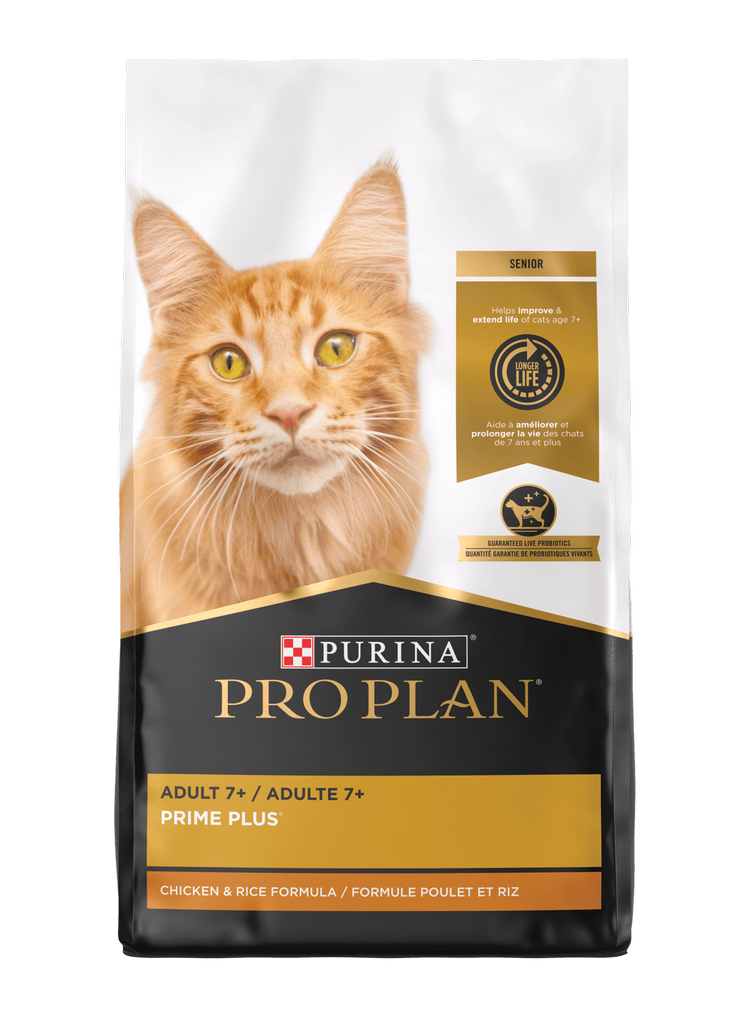
Adult cat food is designed for maintenance, not growth. It usually contains lower protein and fat levels, which won’t meet a kitten’s high energy needs.
| Nutrient | Kitten Food | Adult Cat Food |
|---|---|---|
| Protein | High (around 30-35%) | Moderate (around 25-30%) |
| Fat | Higher (up to 20%) | Lower (10-15%) |
| Calories | More dense to fuel growth | Less dense for maintenance |
| Calcium & Phosphorus | Balanced for bone development | Lower levels |
Feeding adult cat food to a kitten is like expecting a toddler to thrive on an adult diet. Their needs just don’t match. You might wonder, what happens if you don’t adjust your kitten’s diet? The answer is slower growth and possible health issues later on.
Credit: www.purina.com
Potential Health Risks
Feeding a kitten adult cat food can lead to several health problems. Kittens need special nutrition to grow strong and healthy. Adult cat food lacks some key nutrients and can cause harm over time. Understanding these risks helps keep your kitten safe and thriving.
Digestive Issues
Kittens have sensitive stomachs that require gentle food. Adult cat food is richer and harder to digest. This mismatch can cause:
- Diarrhea
- Vomiting
- Stomach discomfort
- Constipation
Digestive upset can make kittens weak and less active. It also raises the risk of dehydration.
Nutrient Deficiencies
Kittens need higher levels of protein, fat, and vitamins. Adult cat food lacks these essential nutrients. Missing these can lead to:
- Poor immune function
- Slow growth
- Weak bones and muscles
- Eye and brain development issues
Proper nutrition supports healthy body and mind development.
Long-term Development Problems
Feeding the wrong food affects a kitten’s future health. Nutritional gaps can cause:
- Permanent growth delays
- Bone deformities
- Lower energy levels
- Behavioral problems
These problems may last into adulthood and reduce life quality.
Signs Of Food-related Problems
Kittens may show signs like upset stomach, diarrhea, or lack of energy after eating adult cat food. Their growth can slow, and they might miss important nutrients. Watch for these symptoms to keep your kitten healthy and happy.
Feeding a kitten adult cat food might seem like a minor issue, but it can lead to significant health concerns. Kittens have specific dietary needs that are crucial for their growth and development. If your kitten accidentally eats adult cat food, it’s essential to watch for signs of food-related problems.Behavioral Changes
You might notice your kitten becoming more lethargic or less playful than usual. Kittens are naturally energetic, so a sudden shift in energy levels can be alarming. They may also exhibit unusual behaviors like excessive meowing or hiding. Have you observed your kitten being unusually aggressive or irritable? These changes can indicate discomfort or distress related to their diet. Pay attention to any deviation from their typical playful demeanor.Physical Symptoms
Look out for digestive issues such as vomiting or diarrhea. These are common signs that your kitten’s stomach isn’t handling the adult cat food well. You might also notice bloating or gas, which can be uncomfortable for your little feline. Check your kitten’s coat and skin condition. A dull coat or dry skin can suggest nutritional deficiencies. If your kitten’s growth seems stunted or they’re not gaining weight, it might be due to the inadequate nutrition from adult cat food.When To See A Vet
If symptoms persist for more than a day or worsen, it’s time to consult your vet. Delaying a visit could lead to more severe health issues. Your vet can provide guidance on the right diet and rule out any underlying conditions. Have you considered keeping a food diary for your kitten? It can be helpful for your vet to see what your kitten has been eating and how they reacted. Don’t hesitate to seek professional advice—your kitten’s health is worth it!Safe Feeding Practices
Feeding your kitten safely is crucial for their growth and health. Kittens have specific nutritional needs that adult cat food may not meet. Understanding how to choose and switch foods, along with the right feeding schedule, can make a big difference in your kitten’s well-being.
Choosing The Right Food
Kittens need food formulated with higher protein, fat, and essential nutrients to support their rapid growth. Adult cat food often lacks these vital elements, which can slow development or cause deficiencies.
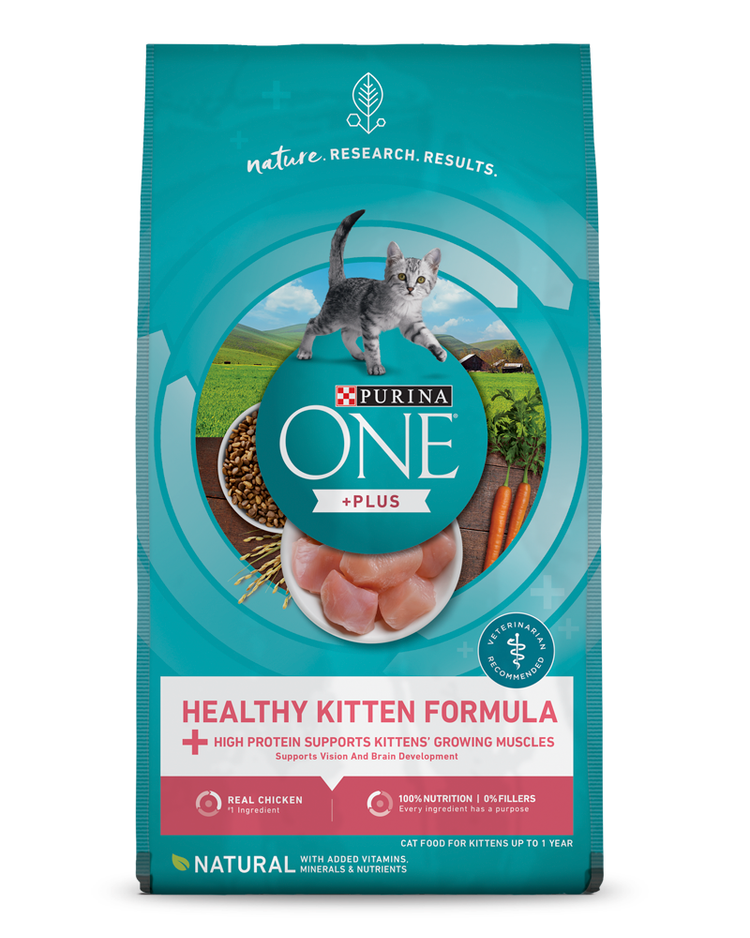
Look for labels that say “Kitten” or “Growth” to ensure the food meets these needs. If you’re unsure, ask your vet for recommendations tailored to your kitten’s breed and age.
Transitioning Between Foods
Switching your kitten’s diet too quickly can upset their stomach and cause digestive problems. Gradually mix the new food with the old over 7 to 10 days, increasing the new food portion each day.
This slow transition helps your kitten adjust to the taste and texture while preventing diarrhea or vomiting. Have you noticed your kitten’s reaction when trying new food? Their response can guide how slowly you should switch.
Feeding Schedules For Kittens
Kittens have small stomachs and high energy needs, so they require frequent, smaller meals. Feeding them 3 to 4 times a day keeps their energy steady and supports healthy growth.
Try to keep feeding times consistent to build a routine your kitten expects. Do you find your kitten is more active or hungry at certain times? Adjusting the schedule can help match their natural rhythm.
Alternatives If Kitten Food Is Unavailable
Finding yourself without kitten food can be stressful, especially when your little furry friend depends on specific nutrients for healthy growth. But don’t panic—there are safe alternatives you can consider until you get the right food. Knowing these options helps you avoid potential health issues that come from feeding kittens adult cat food or unsuitable substitutes.
Temporary Food Options
If kitten food isn’t available, look for high-quality wet cat food labeled for all life stages. These often have the right balance of proteins and fats your kitten needs. You can also mix a small amount of adult wet food with kitten formula to boost nutrition temporarily.
Dry food isn’t ideal at this stage because kittens need extra moisture and nutrients, but if you must, soften it with warm water or kitten milk replacer. Keep meals small and frequent to support their fast metabolism.
Homemade Diet Considerations
Making homemade meals can work in a pinch but requires careful planning. Cooked chicken, turkey, or lean beef can provide protein. Add some pureed pumpkin or cooked carrots for fiber and vitamins.
Remember, kittens need calcium for their bones. You can add a small amount of plain yogurt or cottage cheese as a calcium source. Avoid seasoning or spices—plain is best.
Have you ever tried preparing your kitten’s food at home? It might seem simple, but missing even one nutrient can affect their development. Consult your vet for guidance on proper homemade recipes.
Avoiding Harmful Substitutes
Some foods you might think are safe can be dangerous for kittens. Avoid giving cow’s milk, as many kittens are lactose intolerant and it can cause digestive upset. Also, don’t feed dog food—it lacks essential nutrients cats require.
Human foods like onions, garlic, chocolate, and anything salty or sugary should be off-limits. Even small amounts can be toxic. Stick to kitten-appropriate foods to keep your little one healthy and happy.
Credit: www.purina.com
Credit: www.tippaws.com
Frequently Asked Questions
What Happens If Kittens Eat Adult Cat Food?
Kittens may miss essential nutrients in adult food, affecting growth and development. Adult cat food lacks sufficient protein and calories for kittens. Feeding adult food long-term can lead to poor health and weak immune systems in kittens.
Can Adult Cat Food Harm A Growing Kitten?
Yes, adult cat food can harm kittens by causing nutrient deficiencies. Kittens need higher protein, fats, and vitamins than adults. Adult food may not support their rapid growth and energy needs properly.
When Should You Switch A Kitten To Adult Cat Food?
Switch kittens to adult cat food around 12 months old. By then, their growth slows and nutritional needs align with adult cats. Transition gradually to avoid digestive upset and ensure proper nutrition.
Is Adult Cat Food Safe For Young Kittens Occasionally?
Occasional feeding of adult food is generally safe but not recommended. Kittens need kitten-specific food for balanced nutrition. Regular feeding of adult food can cause developmental issues and nutrient gaps.
Conclusion
Feeding a kitten adult cat food can cause health problems. Kittens need special nutrients to grow strong and healthy. Adult food lacks important vitamins and minerals for kittens. This may lead to poor growth and weak immunity. Always choose food designed for kittens to support their development.
Proper nutrition helps your kitten become a happy, healthy cat. Keep your kitten’s diet appropriate to avoid future issues. Taking care of their food now means a healthier life ahead. Small choices make a big difference in your kitten’s health.



Leave a Reply