Have you ever wondered how your cat sees the world? Just like humans, cats experience colors differently.
But did you know some cat breeds see fewer colors than others? If you’re curious about which cat breeds can be dichromatic—seeing only two main colors—this article is for you. Understanding your cat’s unique vision can deepen your bond and help you create a more comfortable environment for them.
Keep reading to discover the breeds that experience the world in a truly special way.
Cat Color Vision Basics
Understanding how cats see the world helps you appreciate their unique color vision. Cats don’t see colors the way humans do, which affects how they perceive their surroundings. Knowing the basics of cat color vision can also clarify why certain cat breeds might display dichromatic traits.
How Cats See Colors
Cats have fewer color-detecting cells, called cones, in their eyes compared to humans. This means they see a limited range of colors, mostly in shades of blue and green. Reds and pinks, for example, often appear more like gray or brown to them.
Imagine your cat staring at a bright red toy. To you, it’s vivid and eye-catching. But to your cat, it might blend into the background, appearing dull or muted instead.
Differences Between Cat And Human Vision
Humans are trichromatic, meaning we have three types of cones sensitive to red, green, and blue light. Cats are dichromatic, with only two types of cones, usually sensitive to blue and green wavelengths.
This difference affects how cats see colors and brightness. They rely more on motion and contrast than color to identify objects, which explains why fast-moving toys catch their attention more than colorful ones.
Have you noticed your cat preferring certain colors of toys or bedding? Understanding their limited color palette might explain their preferences better than you thought.

Credit: ee.virginia.edu
Dichromacy In Cats
Understanding dichromacy in cats helps you see the world through their eyes. Cats experience color differently than humans, which affects how they perceive their environment and interact with you. Knowing which breeds can be dichromatic can deepen your connection with your feline friend and improve how you care for them.
What Is Dichromatic Vision?
Dichromatic vision means seeing colors using only two types of color receptors, or cones, in the eyes. Unlike humans, who are usually trichromatic (using three types of cones), dichromatic animals have a more limited color palette.
This type of vision allows cats to see blues and greens clearly but makes reds and oranges appear muted or grayish. Think about how your cat might ignore a bright red toy but eagerly chase a blue one. This difference in color perception shapes their world in surprising ways.
Common Traits Of Dichromatic Animals
Dichromatic animals share several traits that help them survive and thrive. Their color vision is often adapted for low-light environments, enhancing their ability to detect movement rather than color details.
- Enhanced night vision due to more rod cells in their eyes
- Better detection of motion, which helps in hunting
- Limited ability to distinguish between reds and greens
- Focus on contrast over color, which aids in spotting prey or predators
Have you noticed your cat’s sharp focus on a moving object rather than its color? This trait is a classic sign of dichromatic vision at work. Understanding this helps you choose toys and environments that stimulate your cat’s natural instincts.
Breeds With Dichromatic Traits
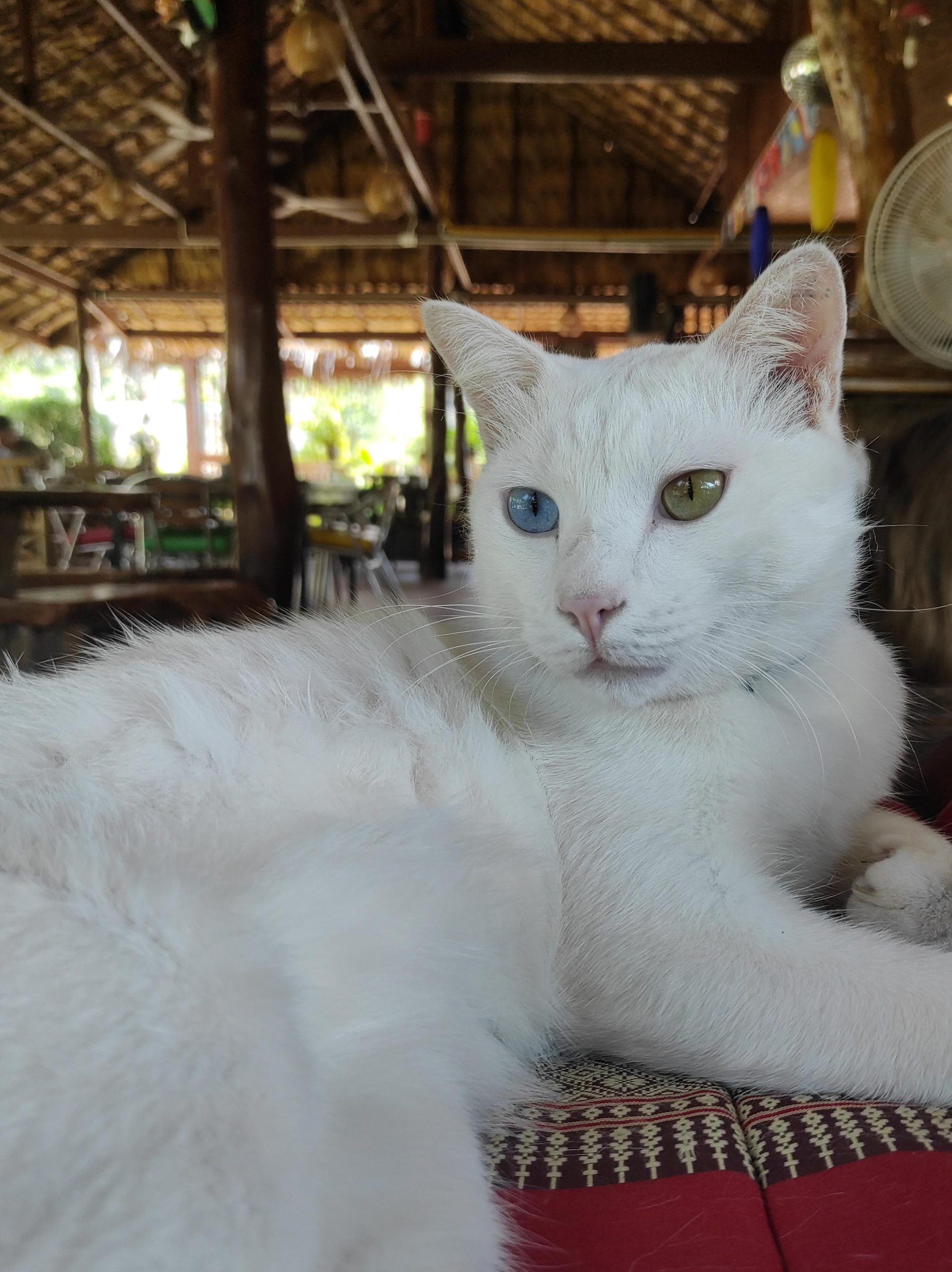
Cats with dichromatic traits have unique eye colors. These colors can include two distinct hues in one eye. This feature enhances their captivating charm. Let’s explore some breeds known for this trait.
Domestic Shorthair And Longhair Cats
Domestic Shorthairs and Longhairs are common household cats. They often display diverse eye colors. Dichromatic eyes are not rare in these breeds. These cats can have one eye with two colors. This unique feature adds to their appeal.
Siamese And Related Breeds
Siamese cats are famous for their striking blue eyes. Some Siamese may have dichromatic eyes. This trait can occur in related breeds too. Breeds like the Balinese and Tonkinese show similar traits. Their eyes can reflect two colors, creating a striking look.
Bengal And Other Wild-look Cats
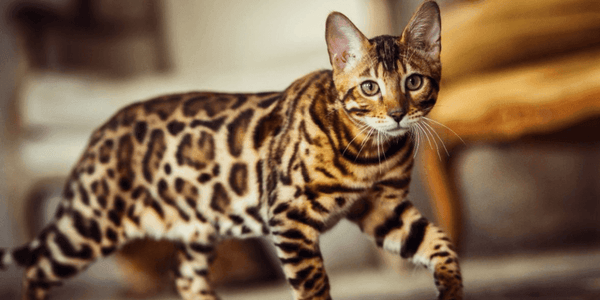
Bengal cats have a wild appearance. They often have vibrant eye colors. Dichromatic eyes can appear in Bengals. This trait enhances their exotic look. Other wild-look breeds may share this characteristic. It adds to their mysterious allure.
Genetics Behind Cat Color Vision
The genetics behind cat color vision help explain why some cats see colors differently. Cat eyes have special cells that detect light and color. These cells work based on genes inherited from their parents. Some cats can see more colors, while others see fewer. Understanding these genes reveals which breeds might be dichromatic.
Role Of Cone Cells In Cats
Cats have two types of cone cells in their eyes. These cells detect colors but not as many as humans do. One type detects blue-violet light. The other detects greenish-yellow light. This limits cats to mainly two color channels. This is why cats are often called dichromatic. Their brains mix signals from these cones to create their color view.
Inheritance Patterns Affecting Vision
Genes control the number and type of cone cells cats have. These genes follow simple inheritance rules. A cat inherits one set of vision genes from each parent. Certain gene combinations can reduce cone types. This causes dichromatic vision in some cats. Some breeds carry these gene variations more often. This genetic pattern explains which breeds have a higher chance of dichromatic vision.
Impact Of Dichromacy On Cat Behavior
Dichromacy affects how cats see the world. It limits their color vision, changing their daily experiences. Cats rely on sight for many behaviors like hunting and moving around. Their vision shapes how they respond to their surroundings. Understanding this impact helps us care better for these animals.
Hunting And Navigation
Dichromatic cats see fewer colors, mostly blues and greens. Reds and oranges appear dull or gray. This color limitation does not reduce their hunting skills. Cats depend more on motion detection and sharp night vision. Their eyes catch quick movements even in low light.
Navigation is also guided by shapes and contrasts. Cats use patterns and brightness to find their way. They rely less on color cues than humans. This allows them to move confidently in dim or dark places.
Interaction With Environment
Dichromacy influences how cats explore and play. They notice textures and shadows more than colors. This sharp contrast helps them spot toys or prey. Cats often respond to moving objects rather than colorful ones.
Environmental changes may be less obvious to them. They depend on smell and touch to understand new places. This sensory combination guides their behavior daily. Their limited color vision does not hinder curiosity or learning.

Credit: www.youtube.com
Scientific Studies And Discoveries
Scientific studies have helped us understand how cats see colors. These discoveries reveal which breeds might have dichromatic vision. Dichromatic means seeing two main colors instead of the full spectrum. Research shows that many cats share this trait, but some breeds may differ slightly.
Scientists use various methods to learn about feline vision. They study the eyes and brain responses to light. This work helps identify how cats perceive colors and shapes. It also shows how their vision compares to humans and other animals.
Research On Feline Vision
Research shows cats mainly see blues and greens. They have fewer color receptors than humans. These receptors are called cones and help detect color. Cats lack the cones for red shades, so they see reds as dull or gray.
Studies use behavioral tests to observe how cats react to colors. Scientists train cats to respond to certain colors for food rewards. This reveals which colors cats can distinguish clearly. Results confirm cats are mostly dichromatic.
Technological Advances In Vision Testing
New technology allows detailed study of cat eyes. Imaging tools like retinal scans show cone cells’ presence. These scans confirm the types and numbers of cones cats have.
Electroretinography measures eye response to light flashes. This test helps identify how well cats see different colors. It gives precise data on visual sensitivity and color perception.
Genetic testing reveals variations in vision-related genes. Some breeds have mutations affecting color detection. This explains differences in vision among cat breeds.
Implications For Cat Owners
Understanding which cat breeds can be dichromatic has practical implications for you as a cat owner. Dichromatic cats see colors differently, which affects how they interact with their surroundings. Knowing this can help you create a more comfortable and stimulating environment tailored to your cat’s unique vision.
Choosing Toys And Environments
Your cat’s color perception impacts how they see toys and objects around them. Since dichromatic cats often struggle with reds and greens, choose toys in shades of blue, yellow, or violet to catch their attention better.
Consider the environment too. Brightly colored rugs or cushions in red or green might not stand out to your cat, making them less interested. Instead, opt for contrasting colors that your cat can easily distinguish.
Have you noticed your cat ignoring certain toys? It might be due to their color. Try switching to toys with colors they can perceive easily and observe if their interest increases.
Improving Cat Wellbeing Through Vision Awareness
Knowing your cat’s vision limitations can improve their wellbeing. Avoid overwhelming them with too many visually confusing elements or colors that blend into the background.
Lighting also matters. Cats with dichromatic vision may rely more on brightness and movement than color. Providing toys that move or make noise can engage them better than just colorful ones.
Think about your cat’s daily routine. Are they hesitant to explore certain areas? Adjusting the environment to include clear, high-contrast pathways and safe spots might encourage more activity and reduce stress.

Credit: charlottecounty.floridaweekly.com
Frequently Asked Questions
Which Cat Breeds Are Commonly Dichromatic?
Siamese, Burmese, and Tonkinese cats often exhibit dichromatic vision. These breeds may see fewer colors due to genetic traits affecting their eyes.
How Does Dichromatic Vision Affect Cats?
Dichromatic cats see primarily blues and greens but struggle with reds. This vision difference does not hinder their hunting or daily activities.
Can Dichromatic Vision Be Tested In Cats?
Yes, veterinarians can test cat vision using specialized eye exams. These tests determine color perception and overall eye health in cats.
Do All Cats Have Dichromatic Vision?
Most domestic cats have dichromatic vision, unlike humans with trichromatic vision. This is a natural trait for felines, regardless of breed.
Conclusion
Many cat breeds can see colors differently due to dichromacy. This trait affects how they view the world around them. Cats do not see all colors like humans do. Breeds like Siamese and Abyssinians may show this color vision difference.
Understanding this helps us care better for our pets. Their unique sight shapes their behavior and needs. Knowing which breeds are dichromatic can improve your bond. Cats truly have a special way of experiencing life.


Leave a Reply