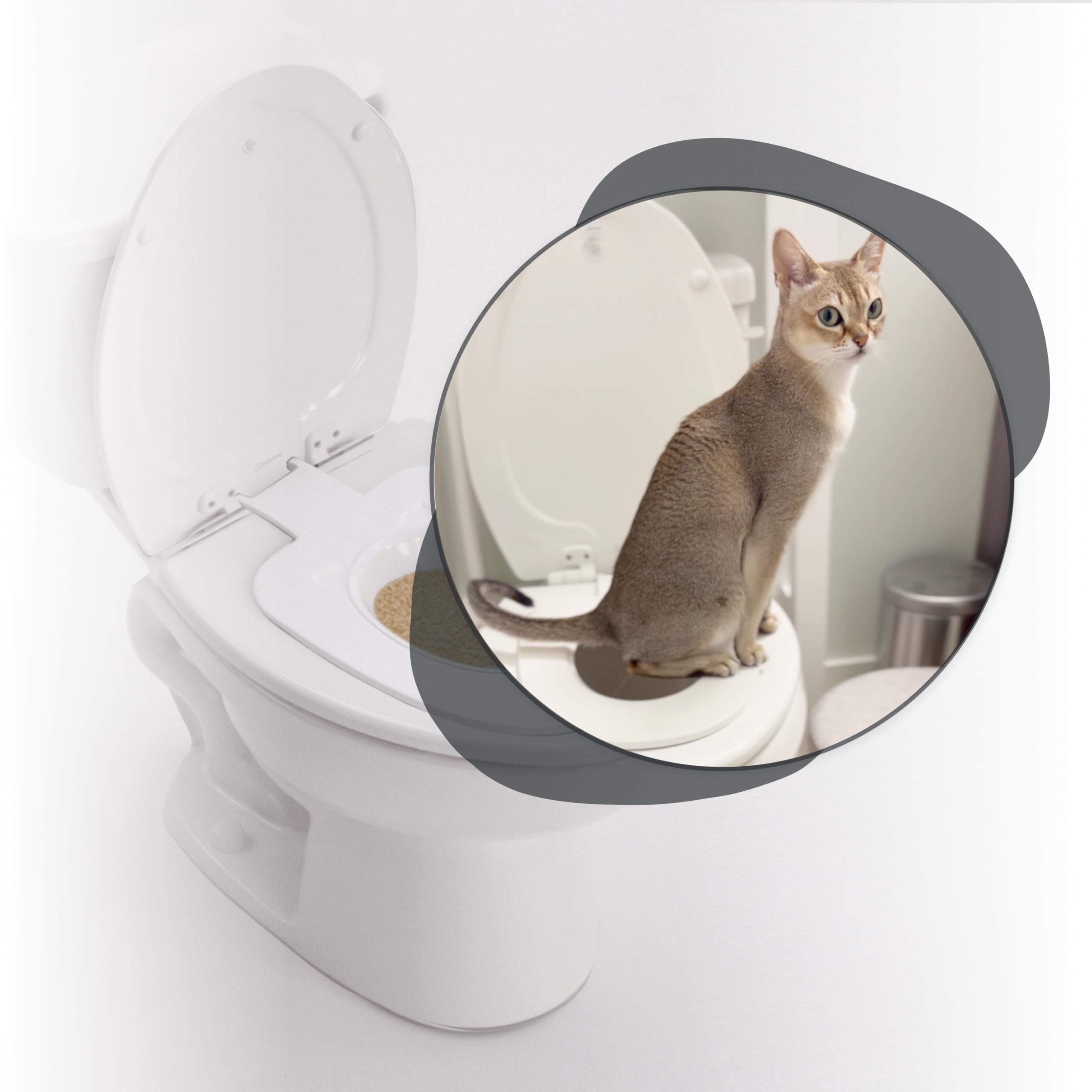
Training your cat to use the potty might sound tricky, but it’s easier than you think. Imagine saving money on litter and having a cleaner home—all while your furry friend stays happy and healthy.
If you’ve ever wished your cat could ditch the litter box, this guide is made just for you. You’ll discover simple steps that anyone can follow, even if you’ve never trained a pet before. Keep reading, and you’ll learn how to transform your cat’s bathroom habits quickly and smoothly.
Choosing The Right Litter Box
Choosing the right litter box sets the foundation for your cat’s potty training success. A suitable litter box encourages your cat to use it regularly. The right box feels comfortable and safe. It reduces accidents outside the box. Consider size, type, and where you place it. These factors affect your cat’s willingness to use the box.
Size And Type Options
Select a litter box that fits your cat’s size. Small boxes can feel cramped and discourage use. Big cats need extra room to turn and dig. A box too large might be hard to clean. Find one with low sides for kittens or older cats. High sides help contain litter and waste.
Choose from open or covered litter boxes. Open boxes offer easy access and less odor buildup. Covered boxes provide privacy and reduce litter scatter. Some cats prefer one style over the other. Observe your cat’s behavior and adjust accordingly.
Placement Tips
Place the litter box in a quiet, low-traffic area. Cats want privacy when they go. Avoid noisy places like near washing machines or TVs. Keep the box away from their food and water bowls. Cats dislike using a bathroom close to eating areas.
Ensure easy access to the box at all times. Avoid tight corners or blocked paths. Multiple boxes may help in larger homes or with multiple cats. Keep boxes clean by scooping daily and changing litter regularly.
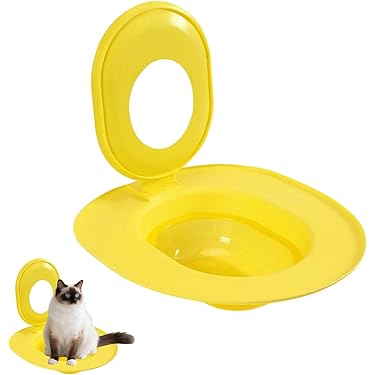
Credit: www.amazon.com
Selecting The Best Litter
Choosing the right litter is a key step in training your cat to use the potty. The litter you pick affects your cat’s comfort and willingness to use the litter box consistently. It also influences cleanliness and odor control in your home.
Material Choices
Cat litter comes in many materials, each with unique benefits. Clay-based litters are popular because they clump well and are easy to scoop. However, they can be dusty and may cause allergies for some cats or owners.
Natural options like corn, wheat, or pine litters are biodegradable and less dusty. They often have a mild scent and appeal to eco-conscious pet parents. You might find your cat prefers a softer texture from these materials, which encourages regular use.
Silica gel crystal litter absorbs moisture efficiently and controls odor for longer periods. It requires less frequent changing, making it convenient for busy cat owners. But some cats dislike the texture, so watch your cat’s reaction carefully.
Scented Vs Unscented
Scented litters can mask odors, keeping your home smelling fresh. However, many cats find strong scents overwhelming or irritating. If your cat avoids the litter box, scent might be the culprit.
Unscented litter lets natural odors come through but may encourage more frequent cleaning. If your cat has a sensitive nose, unscented litter usually works better and feels more natural. You can add a small air purifier nearby to help with odor control.
Think about your cat’s preferences and any sensitivities you notice. Would your cat choose comfort over fragrance? Observing their behavior can help you pick the best option for both of you.
Introducing The Litter Box
Introducing the litter box helps cats learn where to go potty. Placing it in a quiet, easy spot encourages good habits. Patience and consistency make training simple and stress-free.
Introducing the Litter Box Getting your cat used to a litter box is essential. It ensures cleanliness and helps maintain your home. A proper introduction can make the process smooth. Follow these simple steps to introduce your cat to the litter box effectively.Initial Exposure
Place the litter box in a quiet, accessible spot. Avoid busy or noisy areas. Allow your cat to discover the box on its own. This helps them feel comfortable. Keep the box clean and odor-free. Cats dislike dirty boxes and may avoid them.Encouraging Exploration
Gently place your cat near the litter box. Let them sniff and explore it. Praise them when they show interest. Use treats to encourage positive behavior. Gradually, they will associate the box with a safe place. Be patient, as each cat learns at its own pace.Establishing A Routine
Establishing a routine is key to helping your cat learn where and when to use the litter box. Cats thrive on consistency, and setting a clear pattern can reduce accidents and confusion. By creating predictable habits, you make it easier for your cat to understand what you expect.
Regular Feeding Times
Feeding your cat at the same times every day helps regulate their bathroom schedule. When you know when your cat eats, you can better anticipate when they need to go. This predictability allows you to guide them to the litter box at the right moments.
Try offering meals in the morning and evening rather than free-feeding throughout the day. This approach helps create natural intervals for bathroom breaks. Have you noticed your cat’s behavior after meals? Many cats need to use the litter box shortly after eating.
Scheduled Litter Box Visits
Taking your cat to the litter box at set times reinforces the habit of using it. Especially during training, placing your cat in the box after meals or naps can encourage the right behavior. Consistency in timing teaches them that the litter box is the proper spot.
Watch for signs your cat needs to go, like sniffing or scratching around. Gently guiding them to the box during these moments can prevent accidents. Would you be willing to spend a few extra minutes each day on scheduled visits to see faster results?
Positive Reinforcement Techniques
Positive reinforcement is key to successfully training your cat to use the litter box. It focuses on rewarding good behavior rather than punishing mistakes. This approach builds trust and encourages your cat to repeat the actions you want.
Treats And Praise
Reward your cat immediately after they use the litter box correctly. Use small, tasty treats that your cat loves, like bits of cooked chicken or commercial cat treats. Timing is crucial—your cat should connect the reward directly with their good behavior.
Along with treats, offer gentle verbal praise and petting. Say something like, “Good job!” in a happy tone to reinforce the positive moment. Cats respond well to consistent encouragement, which makes them more eager to repeat the behavior.
Avoiding Punishments
Never punish your cat for accidents outside the litter box. Yelling or scolding can create fear and confusion, leading to more avoidance of the litter box. Cats don’t understand punishment the way humans do, so it only harms the training process.
Instead, clean accidents calmly and thoroughly with an enzymatic cleaner to remove any lingering odors. This prevents your cat from returning to the same spot. Think about how you would feel if you were punished for a simple mistake—would that motivate you to try harder?
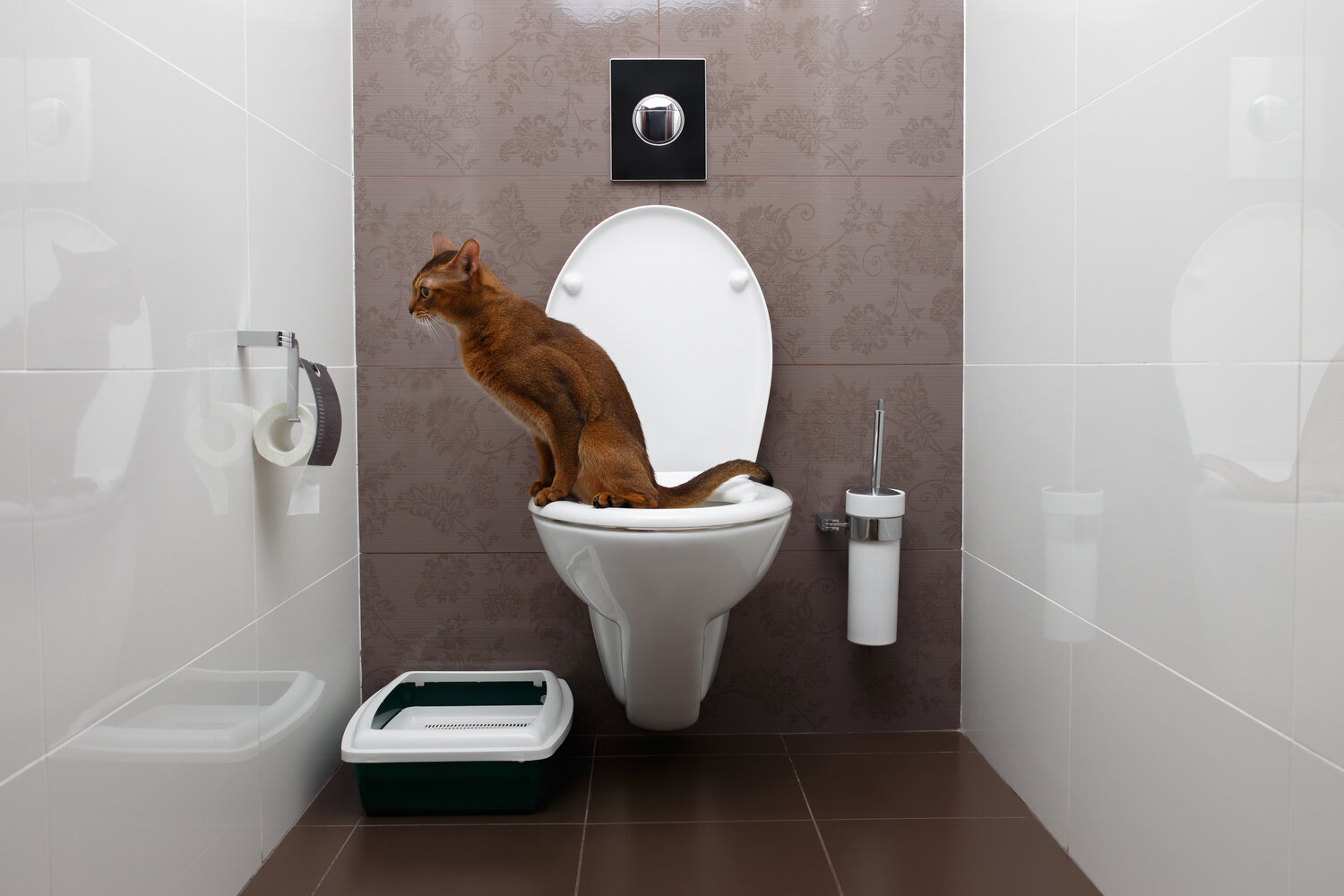
Credit: plaketlab.com
Addressing Common Challenges
Training your cat to use the litter box can come with unexpected bumps along the way. Understanding and addressing common challenges helps keep the process smooth and stress-free for both you and your feline friend. Let’s look at some issues that often arise and how you can tackle them effectively.
Accidents Outside The Box
Accidents happen, but figuring out why your cat is going outside the box is key. Sometimes, your cat may have a medical problem like a urinary tract infection, which makes it hard to hold it in. Have your vet check your cat if accidents suddenly start occurring.
Other times, the location of the litter box might be the problem. Is it in a noisy or hard-to-reach spot? Cats prefer quiet, private places. Try moving the box to a calm area where your cat feels safe.
You can also check the cleanliness of the litter box. Cats are very particular about hygiene. Scoop the box daily and wash it weekly to keep it inviting.
Litter Box Aversion
Your cat might avoid the litter box because of the type of litter. Some cats dislike strong scents or certain textures. Experiment with unscented, clumping litter to see what your cat prefers.
Stress and changes in the household can also cause litter box refusal. Have you recently added a new pet or moved furniture? These changes might unsettle your cat. Create a calm environment and keep the litter box routine consistent to ease anxiety.
Sometimes, the box size or design is an issue. Older cats or those with arthritis may struggle to climb into high-sided boxes. Try a low-entry box to make it easier for them.
Maintaining Cleanliness
Keeping your cat’s potty area clean is key for good hygiene and comfort. A clean litter box encourages your cat to use it regularly and prevents bad smells in your home. Regular cleaning helps avoid health problems for your cat and keeps the environment fresh.
Daily Cleaning Tips
- Scoop out clumps and waste at least once a day.
- Use a small scoop designed for litter to remove waste easily.
- Check for wet spots and remove them quickly to keep the litter dry.
- Stir the remaining litter to prevent hard clumps from forming.
- Keep the litter box in a quiet, accessible spot to encourage use.
- Wash your hands after cleaning to maintain hygiene.
Deep Cleaning Frequency
Empty the entire litter box and clean it thoroughly every week.
Use warm water and mild soap to scrub the box. Avoid harsh chemicals.
Rinse well to remove soap residue. Dry the box completely before refilling.
Replace old litter with fresh litter to keep odors away.
Clean the surrounding area of the litter box to prevent dirt buildup.

Credit: www.walmart.com
Transitioning To Outdoor Or Alternative Potty Options
Transitioning your cat to an outdoor potty or alternative options takes patience. Cats need time to adjust to new habits and places. The change can be smooth with clear steps and positive reinforcement. Observe your cat’s behavior closely during this period. Adapt your approach based on what your cat prefers and responds to best.
Training For Outdoor Use
Choose a quiet and safe spot outdoors for your cat’s potty area. The place should be easy to reach and free from distractions. Introduce your cat to this spot gently and often. Use praise and treats when your cat uses the area correctly.
Keep the outdoor area clean to encourage regular use. Remove waste daily and refresh the soil or litter. Be patient if your cat is hesitant. Some cats take longer to feel comfortable outside.
Using Potty Pads Or Other Solutions
Potty pads work well for cats not ready for outdoor use. Place pads in a quiet, low-traffic area inside your home. Show your cat the pad and encourage its use with treats or toys.
Change the pads regularly to keep the area fresh. Consider scented or attractant pads to draw your cat’s attention. Other alternatives include litter boxes with special litter or self-cleaning boxes.
Observe your cat’s preference and comfort with each option. Consistency helps your cat understand where to go. Reward your cat for success to build positive habits.
Frequently Asked Questions
How Long Does It Take To Train A Cat For Potty?
Training a cat for potty can take 1 to 4 weeks. Consistency and patience are key. Every cat learns at its own pace, so stay calm and positive throughout the process.
What Supplies Are Needed For Cat Potty Training?
You need a litter box, cat litter, and cleaning supplies. Choose unscented litter and a box with low sides for easy access. Place the box in a quiet, accessible location for your cat.
How To Encourage A Cat To Use The Litter Box?
Place your cat in the litter box after meals and naps. Praise and reward them when they use it. Keep the box clean to encourage regular use.
Can Kittens Be Potty Trained Like Adult Cats?
Yes, kittens can be potty trained starting at 4 weeks old. Early training helps develop good habits. Use gentle encouragement and a small, shallow litter box for kittens.
Conclusion
Training a cat to use the potty takes time and patience. Stay calm and consistent with your steps. Praise your cat when it uses the potty correctly. Expect some mistakes but keep trying without frustration. Cats learn best with gentle encouragement every day.
Soon, your cat will use the potty with ease. Enjoy a cleaner home and a happy pet. This simple effort brings great rewards for both of you. Keep practicing, and success will follow.



Leave a Reply