
Are you tired of constantly cleaning a litter box? Imagine a home where your cat doesn’t need one at all.
Potty training your cat without a litter box might sound impossible, but it’s easier than you think. In this guide, you’ll discover simple, effective steps to help your cat go where you want—without the mess and hassle. Keep reading, and you’ll soon enjoy a cleaner, fresher home with a happy, well-trained cat by your side.
Choosing The Right Training Method
Choosing the right training method is crucial when you decide to potty train your cat without using a litter box. Every cat has a unique personality and comfort level, so finding a method that suits both you and your feline friend is key to success. Think about your cat’s habits, your living space, and how much time you can dedicate to training before picking the approach.
Litter Box Alternatives
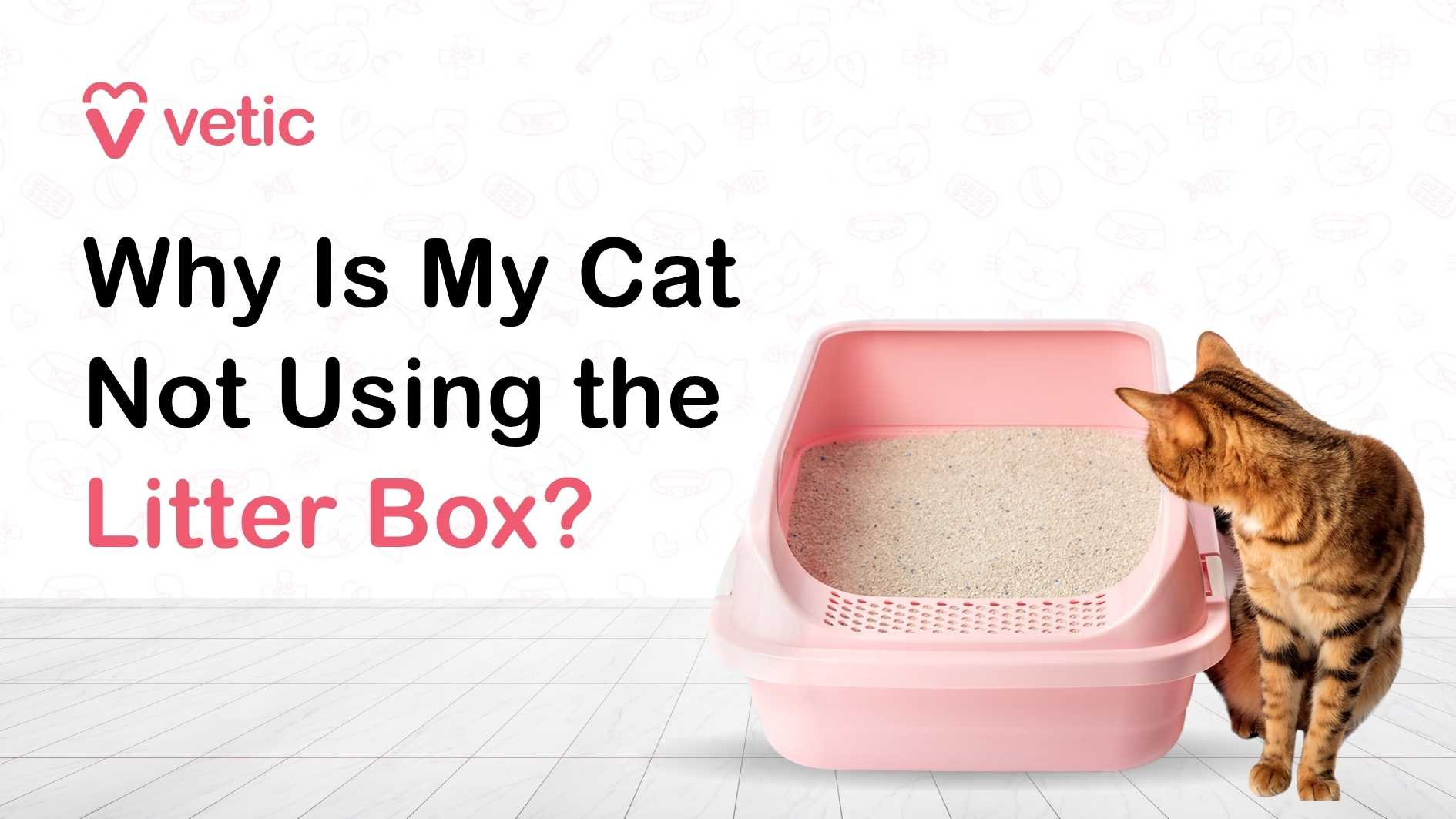
If you want to move away from the traditional litter box but still want something indoors, there are several alternatives to consider. Some pet owners use washable pads or trays filled with shredded paper or wood pellets. These options reduce litter dust and odors, making cleanup easier.
Consider your cat’s preferences—some cats dislike the texture or smell of certain materials. Watch how your cat reacts to new substrates and be ready to switch if needed. Have you noticed your cat showing interest in certain surfaces? That could guide your choice.
Using A Potty Trainer
Potty trainers designed specifically for cats are becoming popular and effective. These usually consist of a small, shallow tray that fits on top of a toilet seat, helping your cat transition from a litter box to the toilet.
The key is patience and gradual adjustment. Start by placing the trainer next to the litter box, then slowly move it closer to the toilet over several days. Reward your cat with treats or praise when it uses the trainer correctly—positive reinforcement goes a long way.
Have you tried breaking down the process into small steps? This often keeps your cat from feeling overwhelmed and improves cooperation.
Natural Outdoor Training
For cats with access to a safe outdoor space, natural outdoor training can be a great option. Encouraging your cat to relieve itself in a specific area outside reduces indoor mess and eliminates the need for litter.
Create a dedicated spot with soft soil or sand and guide your cat there consistently. Make sure the area is quiet and free from disturbances. You might be surprised how quickly some cats pick up on this routine.
What challenges might your outdoor environment present? Addressing these early—like other animals or weather conditions—can help your cat stay comfortable and consistent.
Credit: vetic.in
Preparing Your Cat For Training
Preparing your cat for potty training without a litter box involves more than just changing their bathroom spot. It requires thoughtful steps to ensure your cat is healthy, comfortable, and that you understand their natural bathroom habits. Taking the time to prepare sets the foundation for a smoother transition and increases the chances of success.
Health Check And Vet Visit
Before starting any potty training, make sure your cat is healthy. A vet visit can rule out urinary tract infections or digestive issues that might affect their bathroom behavior. You don’t want to confuse medical problems with training challenges.
Ask your vet about any concerns related to your cat’s bladder or bowel habits. This visit also gives you a chance to discuss the best approach tailored to your cat’s age and health. Remember, a healthy cat learns better and faster.
Creating A Comfortable Space
Your cat needs a quiet, safe, and accessible area for their new bathroom routine. Choose a spot that’s away from heavy foot traffic and loud noises. Cats value privacy, especially when they’re adjusting to a new setup.
Make this space inviting by adding soft mats or natural materials that feel pleasant under their paws. Avoid slippery surfaces that might scare your cat. The right environment reduces stress and helps your cat feel more confident exploring their new potty area.
Observing Your Cat’s Habits
Spend a few days watching when and where your cat usually goes to the bathroom. Notice patterns like times of day, preferred spots, and behaviors before they go. This insight helps you anticipate their needs and guide them to the new area.
Does your cat dig vigorously before going? Do they prefer corners or open spaces? These details let you create a training space that feels natural to them. The better you understand your cat’s habits, the easier it will be to transition away from the litter box.
Step-by-step Training Process
Training a cat to use the toilet without a litter box involves patience. This step-by-step process ensures your cat adapts comfortably and confidently. Each stage is crucial for success. Follow these steps for a seamless transition.
Introducing The Potty Area
Start by selecting a suitable potty area. Make sure it’s accessible for your cat. Place a small amount of litter in the toilet bowl. This helps your cat recognize the spot. Gradually reduce the litter amount over time.
Encouraging Use Through Positive Reinforcement
Reward your cat for using the toilet. Use treats or verbal praise. This positive reinforcement builds confidence and encourages repetition. Consistency is key. Always reward right after successful use.
Dealing With Accidents
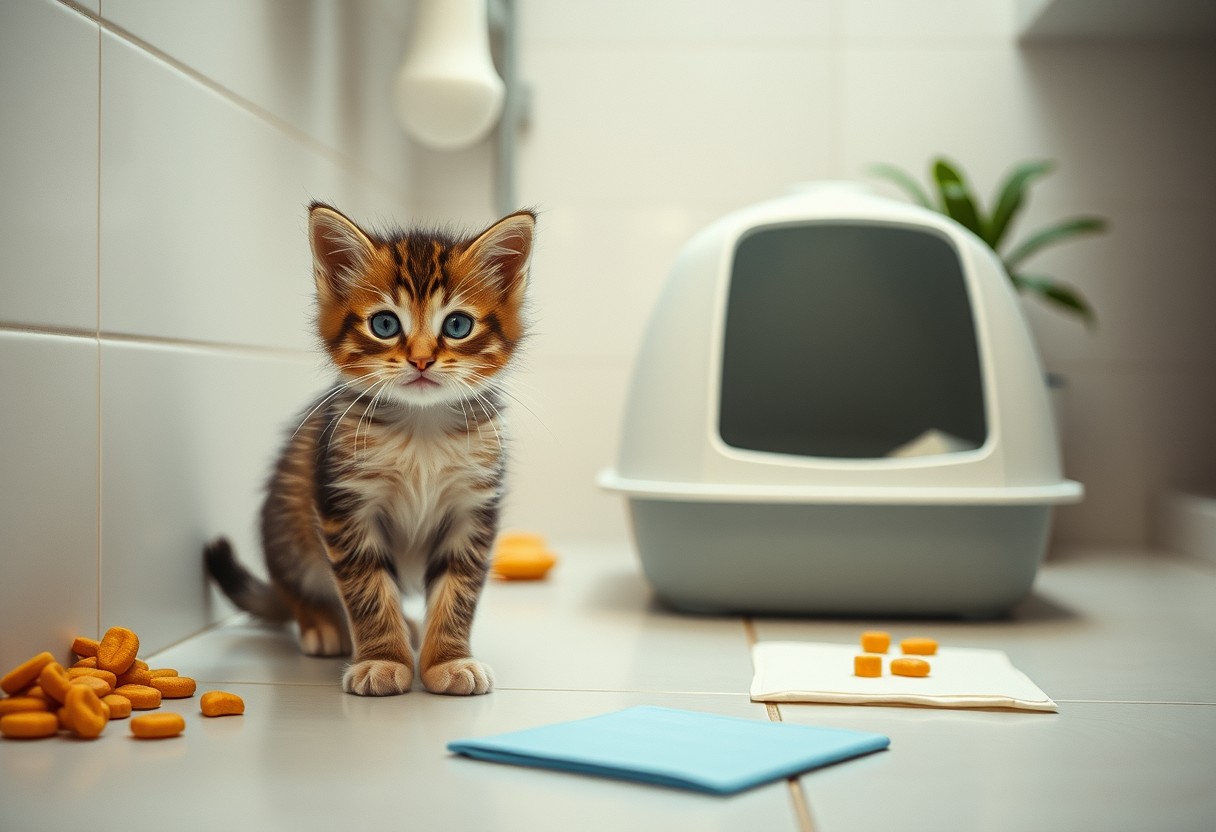
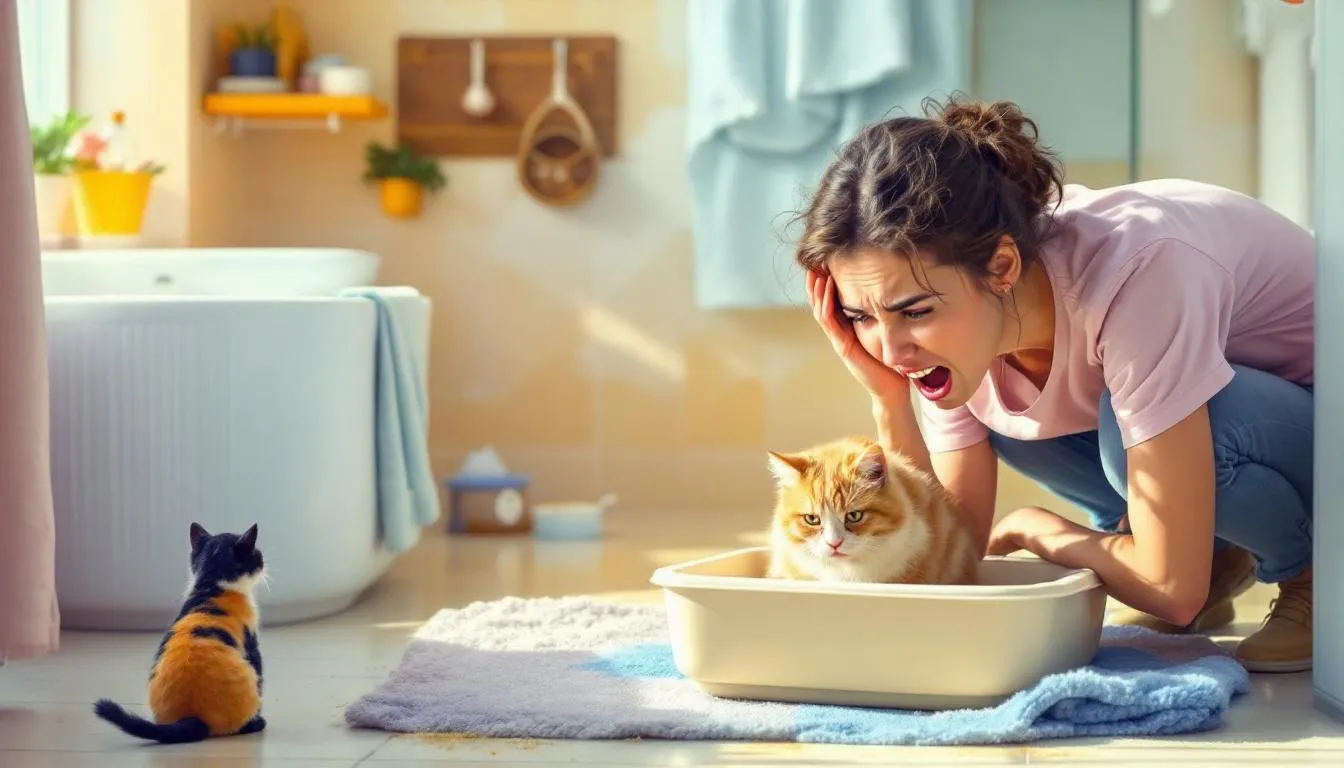
Accidents may happen. Stay calm and avoid punishment. Clean the area thoroughly to remove any scent. Redirect your cat to the potty area. Offer encouragement and reinforce proper behavior.
Credit: drpashu.com
Common Challenges And Solutions
Potty training a cat without a litter box can be tricky. Cats may resist change or face confusion. Owners often face common challenges. Understanding these issues helps find practical solutions. Patience and consistency make the process easier and more successful.
Reluctance To Use The Potty Area
Cats may avoid the new potty spot at first. They feel unsure or scared in unfamiliar places. Some cats prefer soft surfaces. Others dislike strong smells.
- Place the potty in a quiet, calm area.
- Use familiar scents like a cloth with your cat’s smell.
- Reward your cat with treats and praise when they use the spot.
- Keep the area clean to encourage use.
Managing Hygiene And Odor
Without a litter box, controlling smell is vital. Waste can spread bad odors quickly. Cleanliness keeps your home fresh and your cat healthy.
- Use washable potty pads or trays for easy cleaning.
- Clean the area daily to remove waste and prevent odor buildup.
- Consider natural odor absorbers like baking soda nearby.
- Ventilate the room to keep air fresh.
Handling Multi-cat Households
Multiple cats can make potty training harder. Each cat may prefer different spots. Conflicts may arise over territory.
- Provide separate potty areas for each cat.
- Observe each cat’s habits and preferences.
- Keep all areas clean to reduce stress and fights.
- Give each cat attention to prevent jealousy.
Maintaining Success Long-term
Maintaining your cat’s success with potty training without a litter box takes ongoing effort. It’s not just about getting them to use the designated spot once; it’s about making sure they stick with it for life. Keeping a consistent routine and paying attention to your cat’s habits will help you avoid setbacks and keep your home clean.
Regular Cleaning And Maintenance
Even without a litter box, cleanliness remains essential. Regularly clean the potty area to remove odors that might discourage your cat. You can use mild, pet-safe cleaners to keep the spot fresh without irritating your cat’s sensitive nose.
Also, check for any messes around the designated spot and clean those promptly. Cats dislike dirty areas and might start avoiding the spot if it smells unpleasant. Have you noticed your cat sniffing around or hesitating? That could be a sign that cleaning is needed.
Monitoring Behavior Changes
Your cat’s behavior can tell you a lot about how well the training is holding up. Watch for any signs of discomfort or reluctance to use the potty spot. Changes like increased scratching, vocalizing, or hiding might indicate stress or a health issue.
Keep an eye on your cat’s daily routine and mood. If you see sudden changes, consider whether something in the environment has shifted or if your cat might need a vet check-up. How often do you pause to observe your cat’s behavior beyond just their potty habits?
Adjusting Training Techniques
Sometimes, what worked at the beginning might need tweaking as your cat grows or as seasons change. If your cat starts avoiding the potty spot, try moving it slightly or changing the surface texture. Adding gentle encouragement, like treats or praise, can renew their interest.
Experiment with small adjustments and watch how your cat responds. Remember, patience and flexibility are your allies. What new tricks could you try today to make your cat feel more comfortable and confident?
Credit: vetic.in
Frequently Asked Questions
How Can I Start Potty Training My Cat Without A Litter Box?
Begin by choosing a consistent potty area outdoors or indoors. Use positive reinforcement and patience. Gradually guide your cat to this spot after meals or naps to build a routine.
What Materials Help Replace A Litter Box For Cats?
Use natural substrates like sand, soil, or grass in a designated spot. These mimic outdoor environments and encourage your cat to use the area instead of a litter box.
How Long Does It Take To Potty Train A Cat Without Litter?
Training time varies, but most cats adapt within 2 to 6 weeks. Consistency, patience, and positive rewards speed up the process.
Can Indoor Cats Be Potty Trained Without A Litter Box?
Yes, indoor cats can learn to use a specific spot with natural materials. Regular guidance and cleaning the area are essential for success.
Conclusion
Potty training a cat without a litter box takes time and patience. Start with small steps and stay consistent each day. Watch your cat’s behavior closely and guide gently. Create a clean, safe spot for your cat to use. Remember, accidents may happen, but don’t give up.
Your cat will learn with your support and care. Enjoy the process and celebrate small wins together. This method can work well for many cat owners. Keep trying, and you will see progress soon.

Leave a Reply