Are you frustrated because your cat keeps pooping outside the litter box? You’re not alone, and it’s a problem many cat owners face.
Understanding why your cat does this can save you stress and help keep your home clean. You’ll discover the common reasons behind this behavior and simple steps you can take to fix it. Keep reading—you’ll find the answers you need to get your cat back on track and enjoy a happier, cleaner home.
Common Medical Issues
Cats usually use their litter boxes without issues. Changes in this behavior often signal health problems. Common medical issues can cause your cat to avoid the litter box. Paying attention to these signs helps keep your cat healthy and comfortable.
Urinary Tract Problems
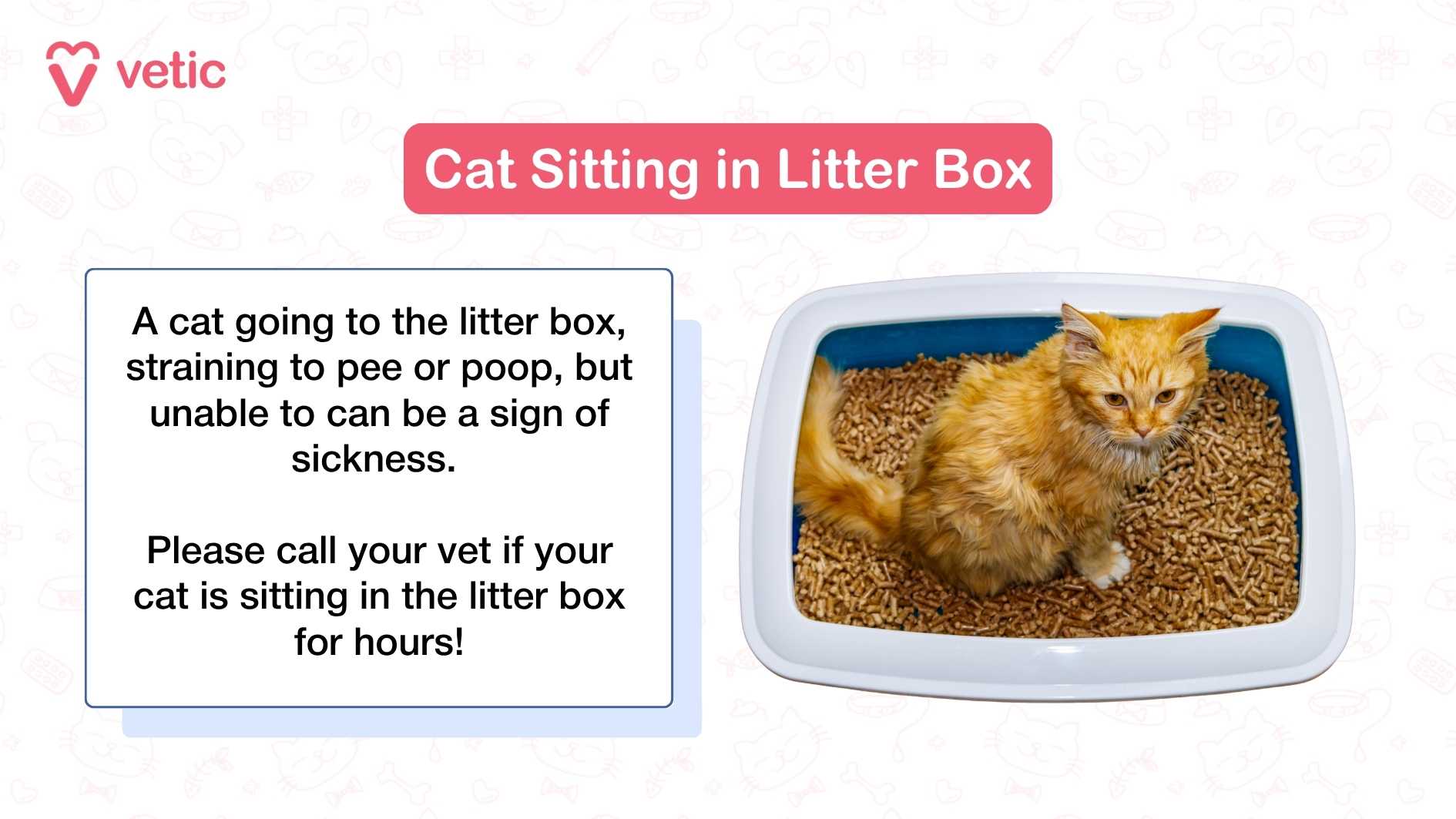
Urinary tract infections or blockages cause pain during urination. Cats may associate the litter box with pain. This makes them avoid the box and urinate elsewhere. Blood in the urine or frequent attempts to go may be visible. Immediate vet care is important to prevent serious complications.
Digestive Disorders
Diarrhea, constipation, or other digestive issues affect litter box habits. Cats with diarrhea may not reach the box in time. Constipation can make bowel movements painful and difficult. Some diseases, like inflammatory bowel disease, cause chronic problems. Treating these conditions often stops accidents outside the box.
Pain And Mobility Challenges
Older cats or those with arthritis may struggle to enter the litter box. Pain in joints or muscles limits their movement. High-sided boxes can be hard to access. Cats might choose easier spots to relieve themselves. Providing low-entry boxes or ramps helps these cats use the litter box again.
Litter Box Problems
Litter box problems often cause cats to poop outside their boxes. Cats want a clean, comfortable place to do their business. Any issue with the litter box can make them avoid it. Understanding these problems helps solve the issue quickly. Here are common litter box problems that may cause your cat to go elsewhere.
Dirty Or Unclean Box
Cats dislike dirty litter boxes. They are very clean animals by nature. If the box is not scooped daily, cats may refuse to use it. Strong smells or clumps can push them away. Cleaning the box often keeps it inviting and fresh. A dirty box is a common reason for accidents.
Wrong Type Of Litter
Not all cats like the same litter. Some prefer fine, sandy textures while others want coarser types. Scented litter may irritate or repel cats. Clumping litter is popular but not always liked. Watch your cat’s preference and try different types. Choosing the right litter makes the box more appealing.
Box Location And Accessibility
Where you place the litter box matters. Cats want privacy but also easy access. A noisy or busy spot can scare them away. Boxes near food or water bowls are usually avoided. If stairs or doors block the way, older cats may struggle. Find a quiet, calm, and easy-to-reach place for the box.
Number Of Litter Boxes
The number of boxes affects cat behavior. The rule is one box per cat plus one extra. Sharing boxes can cause stress and fights. Some cats guard their boxes, stopping others from using them. Having enough boxes reduces accidents and keeps peace. Multiple boxes in different spots help shy or territorial cats.
Behavioral Causes
Stress or changes in the home can make cats avoid their litter box. Sometimes, they seek quiet or private spots to feel safe while pooping. Poor litter box cleaning or location may also cause this behavior.
Cats are fascinating creatures, each with their own quirks and habits. When your feline friend suddenly starts pooping outside the litter box, it can be both puzzling and frustrating. Understanding the behavioral causes behind this can help address the issue effectively. Cats are sensitive animals, and their behavior often reflects what’s happening in their environment or within themselves.Stress And Anxiety
Stress and anxiety can significantly impact your cat’s litter box habits. A loud noise, new furniture, or even a change in your routine can make your cat uneasy. My cat, Whiskers, once started avoiding the litter box after we moved it to a busier area of the house. Cats thrive on routine and predictability. Try to identify any recent changes or stressors that might be affecting your cat. Providing a calm and quiet space can often alleviate this issue.Territorial Marking
Cats are territorial by nature, and sometimes, they use their poop as a way to mark their territory. This behavior might be more prevalent if you have multiple cats or new pets in the house. If your cat is marking its territory, consider adding more litter boxes around the house. This can reduce competition and give your cat a sense of security. Have you noticed any new animals around your home that might be triggering this behavior?Changes In Household
Cats are highly sensitive to changes in their environment. A new baby, moving to a new house, or even a change in your work schedule can disrupt your cat’s routine. When my niece came to stay with us for a few weeks, our cat displayed some unusual bathroom habits. Cats need time to adjust to new circumstances. Offering them extra attention and maintaining as much of their routine as possible can help ease the transition. Have you recently made any changes that might be unsettling for your cat?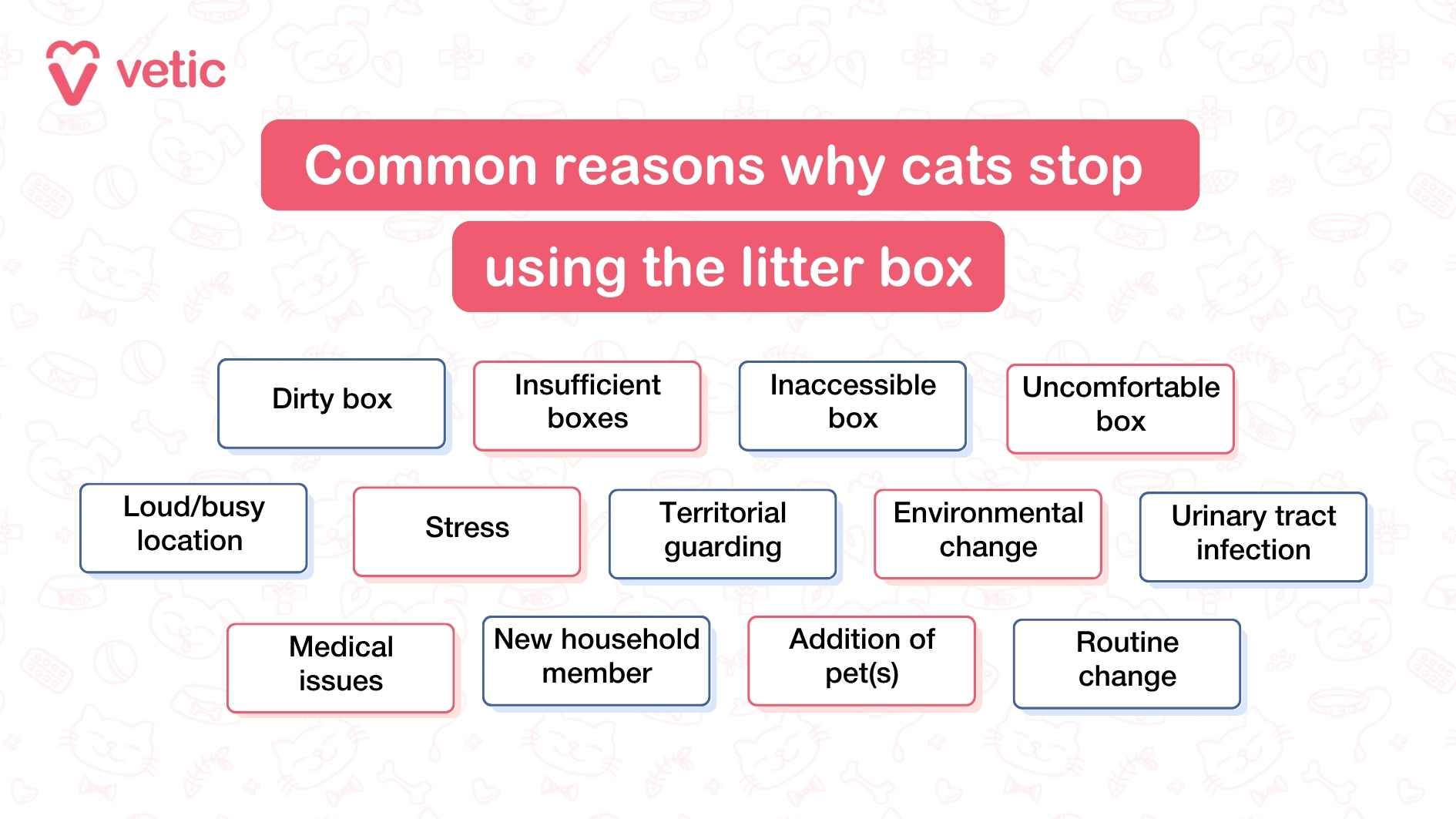
Credit: vetic.in
Environmental Factors
Environmental factors can play a big role in why your cat chooses to poop outside the litter box. Changes in their surroundings or daily routine often create stress or confusion, which leads to this behavior. Understanding these factors helps you create a calm, comfortable space for your cat.
New Pets Or People
Introducing a new pet or person into your home can unsettle your cat. They might feel threatened or anxious, causing them to avoid the litter box. Have you noticed if the accidents started after someone new arrived?
Try giving your cat some quiet time and a safe zone away from newcomers. This space can help them feel secure enough to use the litter box again.
Noise And Disruptions
Loud noises or sudden disruptions often scare cats and disrupt their bathroom habits. Construction work, loud music, or even household arguments can make your cat nervous.
Consider if there have been recent loud sounds near their litter box. Moving the box to a quieter place might encourage your cat to use it consistently.
Outdoor Preferences
Some cats simply prefer going outside, especially if they spent time outdoors before. The natural environment offers different smells and textures that appeal to their instincts.
If your cat is used to the outdoors, you might see them avoiding the litter box in favor of the yard or garden. Providing a clean, outdoor litter area or letting them outside under supervision could satisfy this preference.
Solutions And Prevention
Finding your cat pooping outside the litter box can be frustrating, but there are clear steps you can take to solve and prevent this behavior. Understanding the root causes and applying practical solutions will help you create a comfortable environment for your cat. Here’s what you can do to keep your feline friend happy and your home clean.
Veterinary Checkups
Sometimes, your cat’s litter box habits are a sign of health issues. Urinary tract infections, digestive problems, or arthritis can make using the litter box painful or difficult.
Scheduling a vet visit can help rule out or treat any medical concerns. Have you noticed other changes in your cat’s behavior or appetite? These details will help your vet diagnose the issue accurately.
Litter Box Maintenance Tips
A dirty or poorly maintained litter box is a common reason cats avoid it. Scoop the box at least once a day and change the litter completely once a week to keep it fresh.
Try different types of litter to find one your cat prefers—some cats dislike scented or clumping litters. Also, consider the box size and location; a cramped or noisy spot may discourage use.
- Use unscented, fine-grain litter
- Place the box in a quiet, accessible area
- Provide multiple boxes if you have several cats
Reducing Stress
Cats are sensitive creatures, and stress often leads to litter box issues. Changes like moving, new pets, or noisy environments can unsettle your cat.
Spend extra time playing and comforting your cat. You might also try calming products such as pheromone diffusers or natural supplements.
Ask yourself: has anything changed recently that could be bothering your cat? Identifying stressors can guide you to the right solution.
Training And Positive Reinforcement
Encouraging your cat to use the litter box takes patience and positive feedback. Reward your cat with treats or affection immediately after they use the box correctly.
Never punish your cat for accidents; this can increase anxiety and worsen the problem. Instead, gently clean the area and redirect your cat to the litter box.
Consistency is key. Have you tried observing when and where your cat prefers to go? Placing a box in those spots can help retrain them effectively.

Credit: www.reddit.com
Credit: vetic.in
Frequently Asked Questions
Why Does My Cat Suddenly Poop Outside The Litter Box?
Cats may avoid the litter box due to stress, illness, or a dirty box. Changes in environment or litter type can also cause this behavior.
Can Medical Issues Cause Cats To Poop Outside The Litter Box?
Yes, conditions like infections, constipation, or digestive problems can lead cats to avoid the litter box. A vet visit is essential to rule out health issues.
How Can I Stop My Cat From Pooping Outside The Litter Box?
Ensure the litter box is clean, placed in a quiet area, and use a litter type your cat prefers. Address any stress or health concerns promptly.
Does The Litter Box Size Affect My Cat’s Bathroom Habits?
Yes, a small or covered litter box may discourage use. Cats prefer a spacious, easy-to-access box to feel comfortable while eliminating.
Conclusion
Cats pooping outside the litter box can feel frustrating. Many reasons cause this behavior. Health problems, stress, or litter box issues often play a role. Watch your cat closely to spot any changes. Keep the litter box clean and in a quiet place.
Try different types of litter if needed. Patience and care help your cat feel safe. Understanding your cat’s needs improves their habits. Small changes can make a big difference. Remember, your cat wants to do the right thing. Stay calm and keep trying.



Leave a Reply