Have you ever walked into a room and found a surprise from your cat outside the litter box? It can be frustrating and confusing when your furry friend suddenly stops using their litter box.
You might wonder, “Why is this happening? ” or “Is my cat sick? ” Understanding the reasons behind this behavior can save you stress and help your cat feel comfortable again. Keep reading to discover the common causes and simple solutions that can bring harmony back to your home.
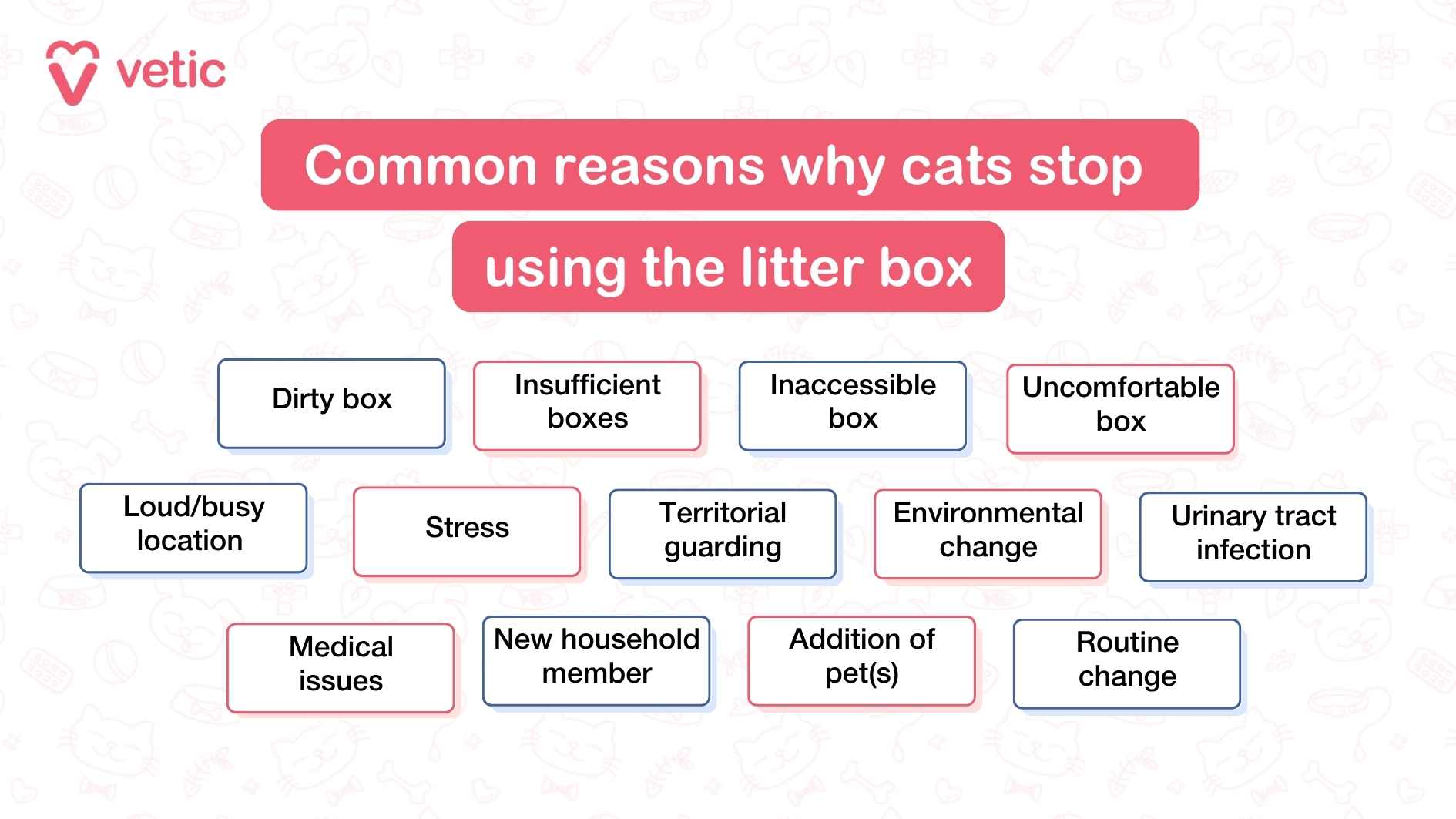
Common Reasons Cats Avoid Litter Boxes
When your cat suddenly stops using the litter box, it can be frustrating and confusing. Understanding the common reasons behind this behavior helps you address the problem quickly. Let’s look at some typical causes that might make your cat avoid their litter box.
Health Issues
Sometimes, your cat’s avoidance signals a health problem. Urinary tract infections, bladder stones, or arthritis can make using the litter box painful or difficult. If your cat shows other signs like frequent urination or blood in the urine, a vet visit is essential.
Litter Box Cleanliness
Imagine having to use a dirty bathroom—you’d avoid it too. Cats are very clean animals and dislike dirty litter boxes. Scoop daily and wash the box weekly to keep your cat comfortable and willing to use it.
Stress And Anxiety
Stress can cause your cat to change its behavior, including litter box habits. New pets, visitors, loud noises, or changes in routine can make your cat anxious. Creating a calm environment and providing safe spaces might help your cat feel more secure.
Litter Box Location
Is the litter box in a noisy or hard-to-reach place? Cats prefer quiet, private spots. If the box is near loud appliances or busy areas, try moving it to a more peaceful location and observe if your cat returns to using it.
Type Of Litter
Your cat might dislike the texture or smell of the litter. Some cats prefer unscented, fine-grain litter, while others avoid clumping types. Experiment with different litters to find one your cat accepts.
Changes In Environment
Have you recently moved or rearranged your home? Cats dislike sudden changes and may react by avoiding the litter box. Maintaining a consistent setup and gradually introducing changes can help your cat adjust smoothly.
Medical Problems Affecting Litter Habits
Medical problems can significantly change your cat’s bathroom habits. If your feline suddenly stops using the litter box, it’s important to consider health issues as a possible cause. Ignoring these signs might lead to discomfort or serious illness for your pet.
Urinary Tract Infections
Urinary tract infections (UTIs) are a common reason cats avoid the litter box. The pain and burning sensation during urination make your cat associate the litter box with discomfort. You might notice your cat going frequently but passing little urine or even vocalizing in pain.
If your cat is straining or licking its genital area excessively, it’s time to visit the vet. Treating UTIs promptly can prevent more serious issues like bladder stones or kidney infections.
Kidney Disease
Kidney disease often affects older cats and can change their litter habits. Cats with kidney problems tend to urinate more often and in larger amounts, which might overwhelm the litter box or confuse your cat’s usual routine.
Watch for signs like increased thirst and weight loss alongside litter box changes. Early detection through vet check-ups can help manage the condition and keep your cat comfortable.
Diabetes
Diabetes causes increased thirst and urination, just like kidney disease. Your cat may urinate outside the box because it can’t get to the litter in time or because the box isn’t clean enough for the increased frequency.
Have you noticed your cat drinking more water lately? This could be a red flag. A vet can perform simple tests to check for diabetes and suggest treatment options.
Arthritis And Mobility Issues
Older cats or those with joint pain may find it hard to climb into or out of the litter box. A high-sided box or one placed in a difficult location might discourage your cat from using it altogether.
Try switching to a low-entry litter box or placing it in an easily accessible spot. This small change can make a big difference if arthritis is the culprit behind your cat’s behavior.
Behavioral Causes Behind Avoidance
Stress or changes in the home can cause a cat to avoid the litter box. Negative experiences or discomfort with the box may also lead to this behavior. Cats often seek cleaner or quieter places to relieve themselves.
Understanding why a cat might stop using the litter box can be a bit puzzling. Often, the reasons are behavioral, which means your feline friend is trying to communicate something specific. By exploring these behavioral causes, you can address the issue and help your cat feel comfortable again.Territorial Marking
Cats are territorial creatures by nature. If your home environment has changed, such as introducing a new pet or moving to a new house, your cat might feel the need to mark its territory. This behavior is not about disobedience but rather about asserting their presence. You might find your cat urinating outside the litter box in specific areas to mark their domain. Consider providing multiple litter boxes in different locations to see if this reduces the marking behavior.Negative Experiences
A negative experience related to the litter box can deter your cat from using it. Perhaps the box was too dirty, or they were startled by a loud noise while using it. Think about whether anything unusual happened near the litter box recently. Keeping the box clean and in a quiet, secluded spot can make a big difference in encouraging your cat to return to it.Inadequate Training
Sometimes, the issue lies in training gaps. If a cat wasn’t properly introduced to the litter box when young, it might not understand its purpose fully. Have you recently adopted a cat? Spend some time showing them the litter box and rewarding them with treats when they use it correctly. Patience and positive reinforcement can go a long way in ensuring your cat knows where to go.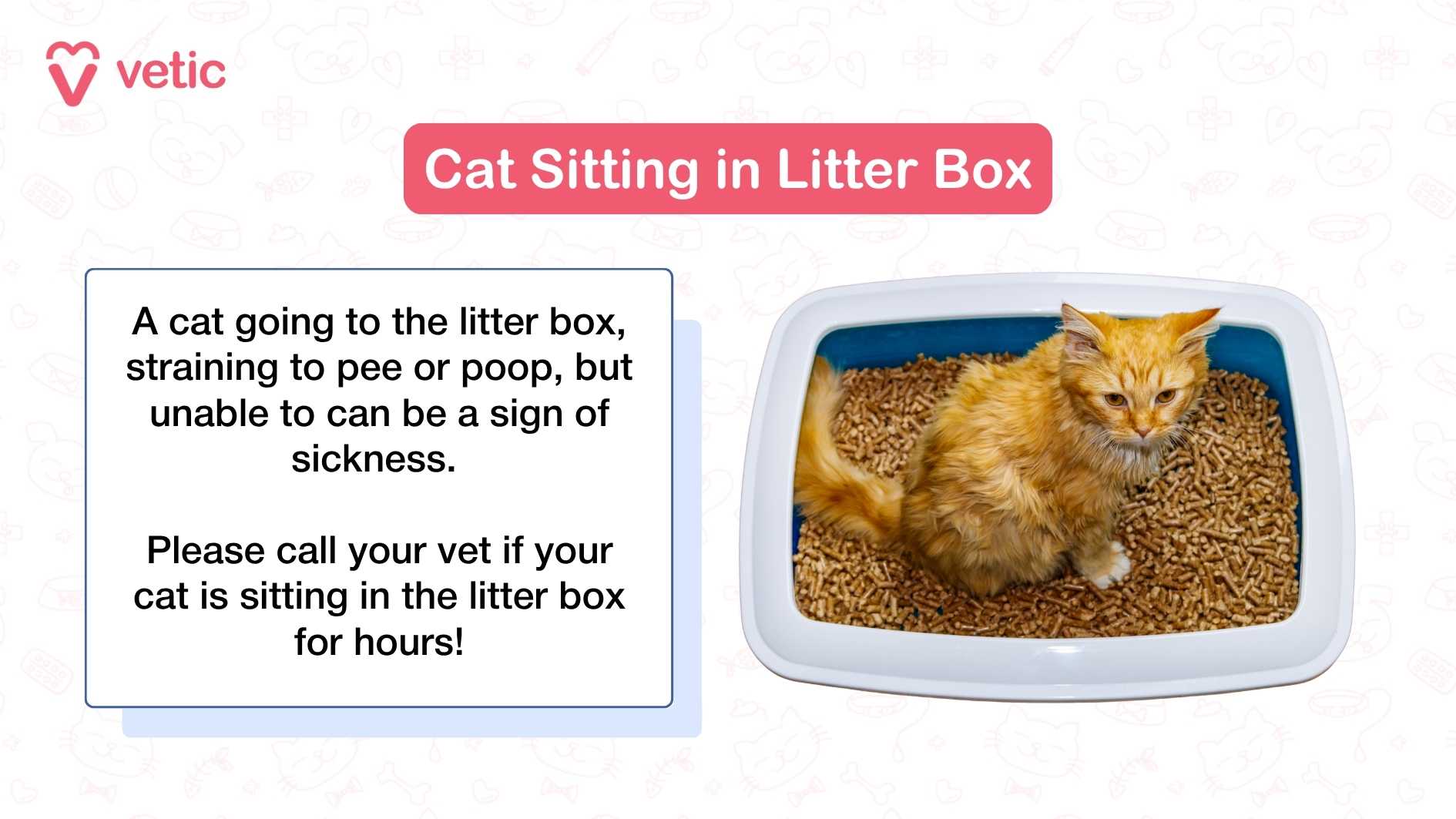
Credit: vetic.in
Improving Litter Box Appeal
Improving the litter box’s appeal can help encourage a cat to use it again. Cats need comfort and cleanliness to feel safe. Making the litter box inviting can reduce accidents outside the box.
Choosing The Right Litter
Cats prefer soft, fine-grained litter that feels gentle on their paws. Unscented litter is best, as strong smells can deter them. Clumping litter helps keep the box tidy and easier to clean.
Proper Box Size And Type
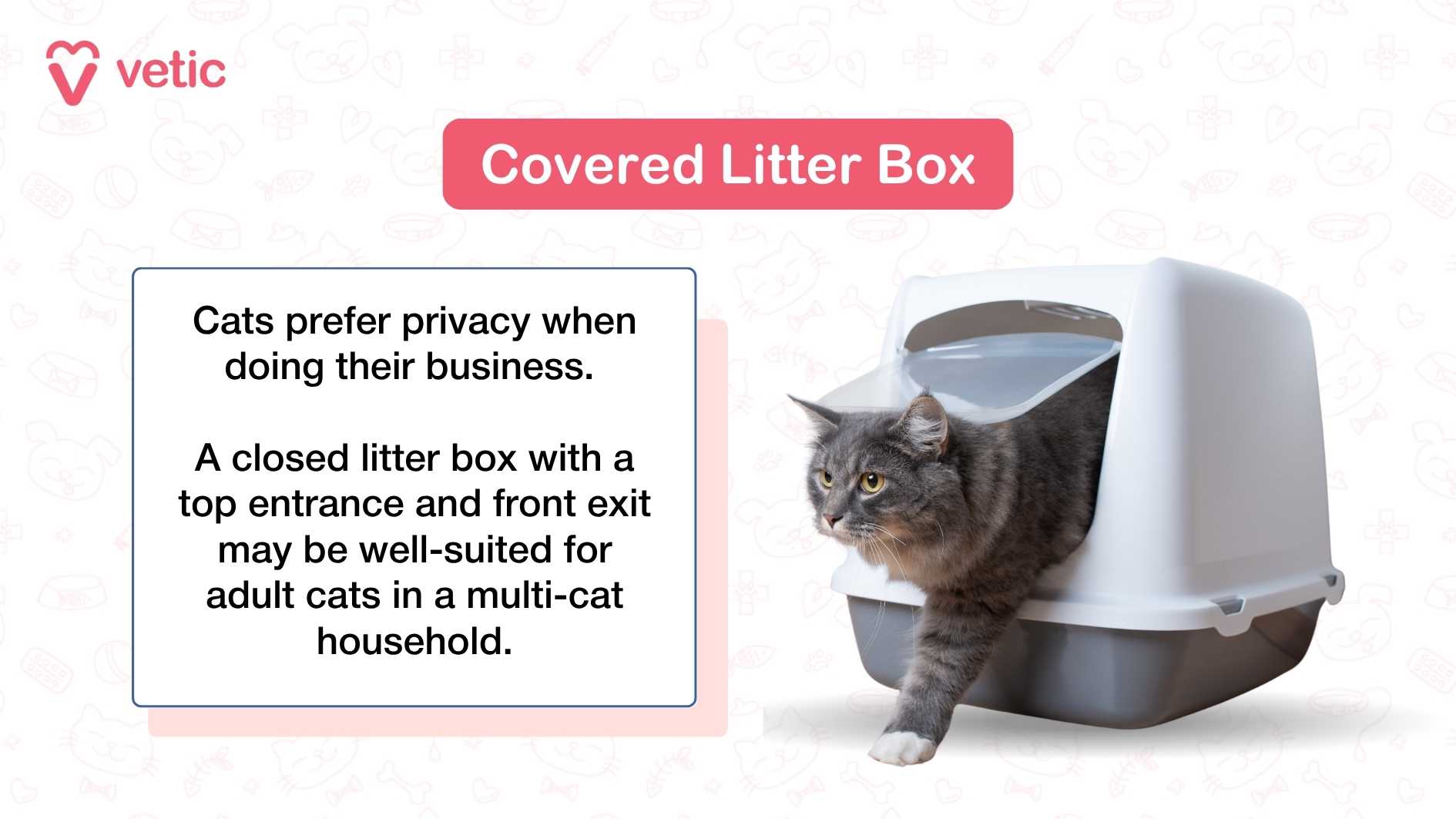
The box should be large enough for the cat to turn around easily. Covered boxes may trap smells, which cats dislike. Open boxes offer better ventilation and visibility, making cats feel safer.
Regular Cleaning Routine
Cleaning the box daily prevents odors and keeps it fresh. Remove waste and clumps every day. Wash the box with mild soap weekly to avoid harsh chemical smells.
Ideal Placement Tips
Place the litter box in a quiet, low-traffic area. Avoid spots near loud appliances or busy rooms. Keep it away from the cat’s food and water bowls to maintain hygiene.
Managing Stress To Encourage Use
Stress often causes cats to avoid their litter box. Managing stress helps your cat feel safe and calm. A relaxed cat is more likely to use the litter box regularly. Simple changes in the environment and routine can make a big difference. Using products designed to reduce anxiety also supports good habits.
Creating A Calm Environment
Keep your cat’s space quiet and peaceful. Avoid loud noises and sudden movements near the litter box. Provide hiding spots or cozy places for your cat to retreat. Clean the litter box regularly to prevent odors. A clean, calm space invites your cat to use the box comfortably.
Consistent Routine
Stick to a daily schedule for feeding and playtime. Cats feel more secure with regular routines. Place the litter box in a consistent spot. Avoid moving it often. Predictability reduces anxiety and encourages proper litter box use.
Using Pheromone Products
Feline pheromone products mimic natural cat scents. They create a sense of safety and calm. Use sprays or diffusers near the litter box area. These products can lower stress and help your cat feel at ease. Choose products made specifically for cats to ensure safety.
When To Seek Veterinary Help
Knowing when to seek veterinary help is crucial if your cat suddenly stops using the litter box. This behavior can signal serious health issues that need prompt attention. Ignoring these signs might worsen your cat’s condition and lead to costly treatments later.
Recognizing Urgent Symptoms
Pay attention if your cat shows signs like frequent attempts to urinate without success, blood in the urine, or crying while trying to go. A sudden stop in litter box use combined with vomiting or lethargy is also alarming. These symptoms often point to urinary tract infections or blockages that require immediate care.
Have you noticed your cat spending more time outside the litter box or going in unusual places? This could be a sign of pain or discomfort. Don’t wait to act—early intervention can save your cat’s life.
Diagnostic Procedures
At the vet, expect a thorough physical exam and a detailed history about your cat’s litter box habits. Urinalysis is a common test to check for infections, crystals, or stones. Blood tests may also be needed to assess kidney function and rule out other issues.
Sometimes, imaging like X-rays or ultrasounds help identify bladder stones or structural problems. These tests give vets a clear picture of what’s causing your cat’s avoidance of the litter box. Understanding the root cause is key to effective treatment.
Treatment Options
Treatment depends on the diagnosis. Antibiotics can clear infections, while dietary changes may dissolve crystals or stones. In severe cases, surgery might be necessary to remove blockages.
Behavioral support and environmental changes often accompany medical treatment. You might need to clean the litter box more frequently or try different types of litter. Your vet can guide you on the best plan to help your cat return to healthy habits quickly.
Tips For Retraining Your Cat
Retraining your cat to use the litter box again requires patience and a clear plan. You need to build trust and create a positive experience around the litter box. The right approach can make all the difference in helping your cat return to good bathroom habits.
Positive Reinforcement
Reward your cat immediately after they use the litter box correctly. Use treats, gentle praise, or their favorite toy to reinforce the behavior. Cats respond well to positive feedback, so celebrate small wins to encourage consistent use.
Have you noticed how your cat perks up when you offer a treat? Use that moment to connect the treat with using the litter box. Avoid punishment, as it can create fear and worsen the problem.
Gradual Reintroduction
If your cat has avoided the litter box for a while, don’t rush them back in. Start by placing the box in a quiet, accessible spot and let your cat explore it freely. Gradually encourage use by gently placing your cat in the box after meals or naps.
Try adding fresh litter and keep the box clean to make it inviting. Sometimes switching to a different type of litter can help if your cat dislikes the texture or smell. Are you paying attention to what your cat prefers in a litter box?
Monitoring Progress
Keep a close eye on your cat’s behavior around the litter box. Note any accidents or signs of hesitation and adjust your approach accordingly. Tracking progress helps you understand what works and when to try a new tactic.
Use a simple journal or app to record your cat’s litter box habits daily. This small step can reveal patterns and help you stay patient. What does your cat’s behavior tell you about their comfort and needs?
Credit: vetic.in
Credit: vetic.in
Frequently Asked Questions
Why Has My Cat Suddenly Stopped Using The Litter Box?
Cats may stop using the litter box due to stress, illness, or a dirty box. Health issues like urinary infections can cause avoidance. Changes in environment or litter type also affect their behavior. Regular cleaning and vet checkups help resolve this problem.
Can A Dirty Litter Box Cause Litter Box Avoidance?
Yes, cats dislike dirty litter boxes. They prefer a clean, odor-free environment. Dirty boxes can lead to accidents outside the box. Cleaning the litter box daily encourages consistent use and prevents behavioral issues.
How Does Stress Affect A Cat’s Litter Box Habits?
Stress from new pets, moves, or loud noises can disrupt litter box use. Cats may urinate elsewhere to express anxiety. Providing a calm environment and extra litter boxes reduces stress-related accidents.
Could Health Problems Cause My Cat’s Litter Box Refusal?
Health issues like urinary tract infections, kidney disease, or arthritis cause litter box avoidance. Pain or discomfort makes using the box difficult. A vet visit is essential to diagnose and treat medical causes.
Conclusion
Cats stop using litter boxes for many reasons. Health issues, stress, or a dirty box can cause this change. Pay close attention to your cat’s behavior. Clean the litter box often and keep it in a quiet place. Visit a vet to rule out medical problems.
Patience and care help your cat feel safe again. Small changes can make a big difference in habits. Understanding your cat’s needs leads to a happier home for both of you.



Leave a Reply