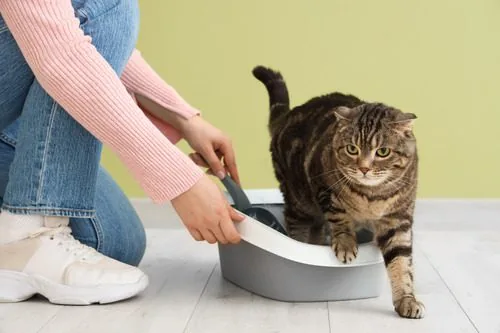
Have you ever heard your cat meowing while using the litter box and wondered why? It can be confusing and even a bit worrying.
Your cat’s meow in the litter box is their way of telling you something important. Understanding this behavior can help you keep your furry friend happy and healthy. Keep reading, and you’ll discover the surprising reasons behind those meows and what you can do to help your cat feel more comfortable.
Common Reasons Cats Vocalize In Litter Box
When your cat meows in the litter box, it can be puzzling and sometimes concerning. Cats don’t usually vocalize while doing their business, so this behavior often signals something important. Understanding the common reasons behind this vocalization can help you respond appropriately and ensure your cat’s well-being.
Seeking Attention
Sometimes, your cat meows in the litter box simply because they want your attention. They might feel lonely or want reassurance, especially if you’ve recently changed their routine or environment.
Have you noticed your cat looking at you while meowing? This is their way of saying, “I need you.” Responding with gentle petting or a soothing voice can help them feel secure.
Expressing Discomfort
Meowing in the litter box can be a sign that your cat is uncomfortable or in pain. Urinary tract infections or constipation often cause discomfort during elimination, prompting vocalization.
If your cat’s meowing seems urgent or distressed, watch for other signs like straining or frequent visits to the box. A quick trip to the vet can rule out health issues and relieve their pain.
Marking Territory
Cats use vocalization to communicate boundaries, and meowing in the litter box can be part of this behavior. They might feel the need to assert ownership of their space, especially if there are other pets in the house.
Have you introduced a new pet or moved recently? Your cat might be telling you they want their territory respected. Providing multiple litter boxes in different locations can ease their anxiety and reduce territorial meows.

Credit: www.youtube.com
Health Issues Linked To Litter Box Meowing
Cats often meow in the litter box to signal discomfort or pain. This behavior can point to several health issues. Early detection helps protect your cat’s well-being. Understanding these health problems can guide you toward the right care.
Urinary Tract Infections
Urinary tract infections cause pain during urination. Cats may meow loudly while using the litter box. They may also visit the box more often but produce little urine. This infection needs prompt veterinary treatment to avoid complications.
Digestive Problems
Digestive issues can make using the litter box uncomfortable. Constipation or diarrhea may cause your cat to meow. The pain or urgency to go can trigger vocalization. Monitoring bowel movements helps identify these problems early.
Pain Or Injury
Injuries or arthritis can make sitting or squatting painful. Cats might meow to express this discomfort in the litter box. Muscle strains, fractures, or joint pain are common causes. A vet visit is important to diagnose and treat these issues.
Behavioral Factors Behind Meowing
Understanding why your cat meows in the litter box can be puzzling. Their behavior often reflects their feelings and needs. Cats use meows to communicate with humans. The litter box is a place where they might feel vulnerable. Several behavioral factors can lead to this vocalization.
Stress And Anxiety
Cats can be sensitive to stress and anxiety. Changes in their environment can upset them. A new piece of furniture or a loud noise might disturb them. Stress can make a cat meow in the litter box. They might be expressing discomfort or fear. Provide a calm and stable environment. This can help reduce their stress levels.
Changes In Routine
Cats thrive on routine and predictability. A sudden change can cause them to meow more often. This includes changes in feeding times or litter box cleaning schedules. Such disruptions can confuse them. They might meow to express their confusion. Try to maintain a consistent daily routine. This can reassure your cat.
Introducing New Pets
New pets can be a source of stress for cats. They might feel threatened or insecure. The presence of a new animal can disrupt their sense of territory. Cats might meow in the litter box to communicate their discomfort. Gradual introductions can help ease this transition. Ensure your cat feels secure and comfortable in their space.
Credit: meowant.com
Litter Box Environment And Its Impact
The environment of your cat’s litter box plays a crucial role in how comfortable and confident they feel using it. Changes or issues in this space can cause your cat to meow, signaling discomfort or distress. Understanding the elements that affect this environment helps you create a stress-free spot for your feline friend.
Cleanliness Matters
Cats are naturally clean animals, and a dirty litter box can quickly become a source of frustration. If your cat meows in the litter box, it might be their way of telling you the box is too messy for them to use. Regular scooping and complete litter changes can reduce odors and keep your cat happy to enter and stay in the box.
Have you noticed your cat avoiding the litter box after a few days? That’s a clear sign it needs cleaning more often. Keeping the box spotless prevents accidents and vocal protests alike.
Litter Type Preferences
Not all cats like the same type of litter. Some prefer clumping clay, while others might like natural or silica-based options. If your cat meows in the box, they may be uncomfortable with the texture or smell of the litter.
Try offering different types of litter to see which one your cat prefers. This small change can make a big difference in their comfort and willingness to use the box quietly.
Box Size And Location
The size of the litter box and where it sits are often overlooked but very important factors. A box that’s too small can make your cat feel trapped or cramped, prompting vocal complaints. Similarly, placing the box in a noisy or high-traffic area may cause your cat to feel unsafe.
Think about where your cat feels most secure in your home. A quiet corner with enough space to turn around easily can encourage calm behavior. Have you tried moving the box to a more peaceful spot yet?
How To Respond To Your Cat’s Meowing
Understanding how to respond to your cat’s meowing in the litter box helps maintain their comfort and health. Meowing can signal different needs or problems. Paying close attention and acting wisely can make your cat feel safe and happy.
Observing Patterns
Watch when and how often your cat meows in the litter box. Note the time of day and frequency. Check if the meowing happens before, during, or after using the box. Look for changes in behavior or posture. These clues help identify if your cat needs help or is just communicating.
Consulting A Veterinarian
Persistent meowing might mean health issues. Visit a vet to rule out infections or pain. A professional exam can find urinary tract problems or other illnesses. Early treatment prevents bigger health problems. Always share your observations with the vet for accurate diagnosis.
Adjusting The Litter Setup
Try changing the litter box environment. Clean the box more often to remove odors and waste. Use a different type of litter if your cat dislikes the current one. Ensure the box is the right size and placed in a quiet, private spot. Adding or removing covers can also help your cat feel secure.

Credit: www.reddit.com
Frequently Asked Questions
Why Does My Cat Meow While Using The Litter Box?
Cats meow in the litter box to communicate discomfort or stress. It may indicate pain, anxiety, or a litter box issue. Observing behavior and checking health can help identify the cause and improve their comfort.
Can Meowing Indicate Health Problems In Cats?
Yes, frequent meowing during litter box use can signal urinary tract infections or blockages. If your cat meows persistently, consult a vet promptly to rule out medical issues and ensure proper treatment.
How Can I Reduce My Cat’s Litter Box Meowing?
Ensure the litter box is clean, quiet, and accessible. Use the right type of litter and keep it in a calm location. Regular vet checkups also help prevent discomfort-related meowing.
Does Litter Box Size Affect My Cat’s Meowing?
Yes, a small or uncomfortable litter box can cause stress, leading to meowing. Providing a spacious, clean box tailored to your cat’s size encourages comfort and reduces vocalization.
Conclusion
Cats meow in the litter box for many reasons. They might feel pain or need attention. Sometimes, they want to show discomfort or stress. Watching your cat closely helps find the cause. Keep the litter box clean and quiet. A vet visit can rule out health issues.
Understanding your cat’s needs builds trust and comfort. Listening to their meows helps keep them happy. Small changes can make a big difference. Caring for your cat means noticing these signs. Your cat’s meow tells a story—pay attention.


Leave a Reply