Is your cat leaving unwanted surprises outside the litter box? It’s frustrating, messy, and can make you wonder what’s going wrong.
But don’t worry—you’re not alone, and there are simple steps you can take to fix this problem. You’ll discover practical tips to help your cat use the litter box consistently. By understanding what causes this behavior and how to address it, you can enjoy a cleaner home and a happier pet.
Keep reading to find out how to stop your cat from pooping outside the litter box for good.
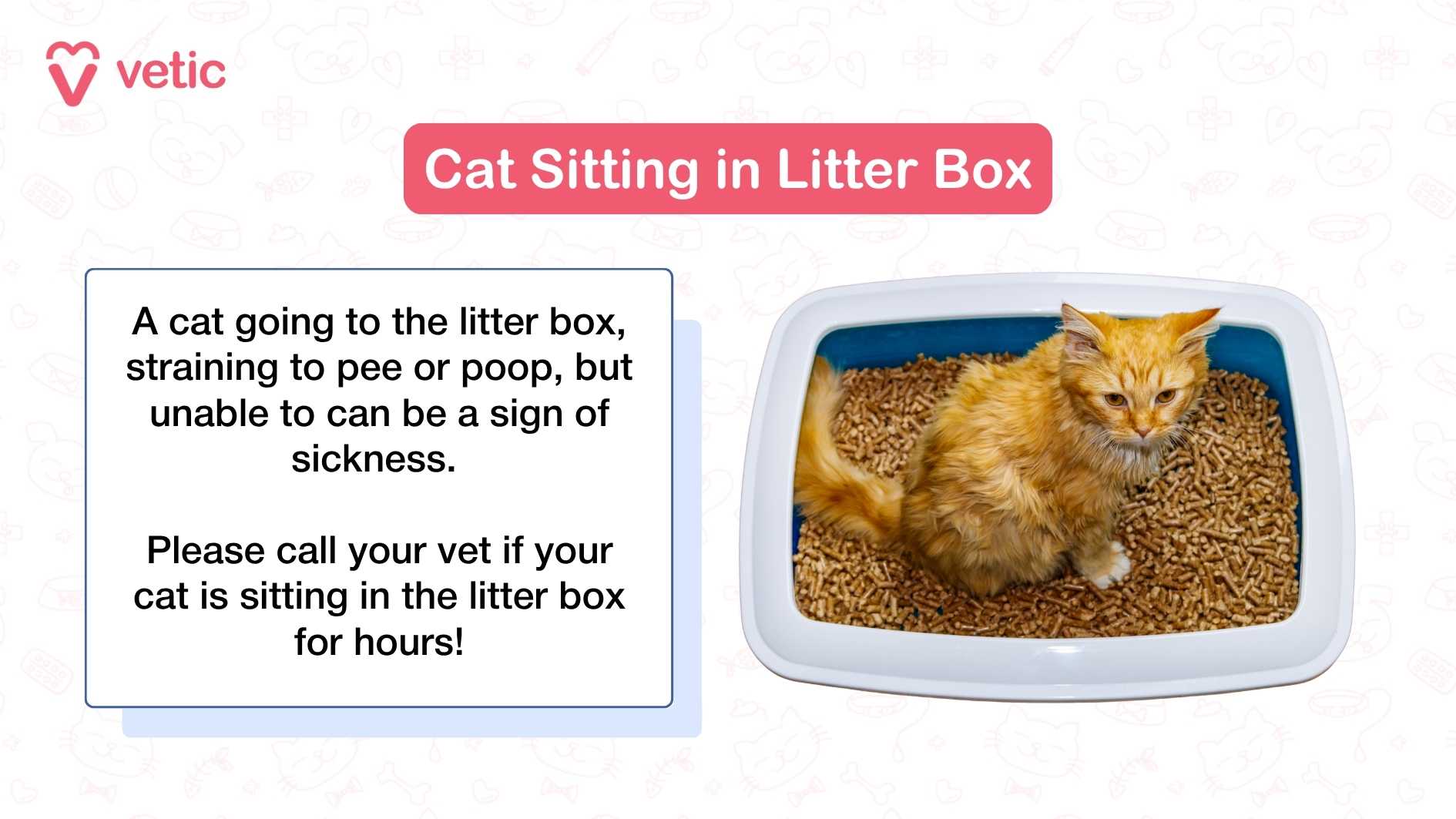
Credit: vetic.in
Common Reasons Cats Avoid Litter Box
Cats avoiding the litter box can be frustrating and confusing. Understanding why your cat is acting out is the first step to solving the problem. Several common reasons often cause cats to poop outside their litter box, and identifying these can help you take quick, effective action.
Medical Issues
Sometimes, your cat’s behavior signals a health problem. Urinary tract infections, constipation, or gastrointestinal issues can make it painful or difficult for your cat to use the litter box. Have you noticed any changes in your cat’s eating habits or activity levels? These could be signs that a vet visit is necessary.
Litter Box Cleanliness
Would you want to use a dirty bathroom? Neither would your cat. A litter box that isn’t scooped regularly can become unbearable for them. Cats prefer a clean, fresh area to do their business, so try cleaning the box daily and completely changing the litter weekly to keep them comfortable.
Box Location Problems
The spot where you place the litter box matters a lot. If it’s in a noisy or high-traffic area, your cat might avoid it. Think about where your cat feels safest and quietest, away from loud appliances or busy hallways, and try moving the box there.
Stress And Anxiety
Just like people, cats can feel stressed or anxious, which can affect their bathroom habits. Changes in the home, new pets, or even loud noises might upset them. Have you noticed recent changes around your house that could be stressing your cat out? Providing a calm and secure environment can help ease their anxiety.
Litter Type Preferences
Your cat might simply dislike the type of litter you use. Some cats prefer fine, soft litter, while others avoid strong scents or clumping varieties. Try experimenting with different types to see what your cat prefers. Have you tried switching litter brands or textures recently?

Credit: smart.dhgate.com
Choosing The Right Litter Box
Choosing the right litter box is a key step to stop your cat from pooping outside of it. The right box can make your feline feel comfortable and secure, reducing accidents around the house. It’s not just about buying any box; size, design, and placement all matter.
Box Size And Design
Your cat needs enough space to turn around and dig comfortably. A box that’s too small might discourage them from using it. If your cat is large or older, consider a bigger box with lower sides for easy access.
Design also plays a role. Some cats prefer simple, open boxes, while others like ones with higher sides to prevent litter scatter. Think about your cat’s personality and habits before choosing.
Covered Vs. Uncovered Boxes
Covered boxes give your cat privacy and can help contain odors, but not all cats like them. If your cat seems hesitant or avoids the box, try an uncovered one to see if that helps. Some cats feel trapped in covered boxes, which can lead to accidents outside the box.
Keep in mind that covered boxes can trap moisture and smells, so clean them more often. Watch your cat’s behavior closely and adjust the box style based on their comfort.
Number Of Boxes Needed
Many cat owners don’t realize they need more than one litter box, especially with multiple cats. The general rule is one box per cat, plus one extra. This gives your cat options and reduces territorial disputes.
Placing boxes in different areas of your home can also prevent accidents. Ask yourself: does your cat have easy access to a clean box wherever they spend most of their time?
Selecting The Best Cat Litter
Choosing the right cat litter can help stop your cat from pooping outside the box. Cats prefer clean, soft, and unscented litter that feels comfortable on their paws. Changing litter type may encourage better bathroom habits.
Selecting the right cat litter is crucial. It can significantly affect your cat’s bathroom habits. A suitable choice encourages your cat to use the litter box. Let’s explore the different types of cat litter available.Clumping Vs. Non-clumping
Clumping litter absorbs moisture and forms solid clumps. This makes it easier to scoop. It helps keep the litter box clean. Non-clumping litter absorbs but does not clump. It requires more frequent changes. Some cats prefer the texture of non-clumping litter.Scented Vs. Unscented
Scented litter masks odors with fragrances. It can be pleasant for humans. However, some cats dislike strong smells. Unscented litter is free from added fragrances. It is often more comfortable for sensitive cats.Texture And Material
Litter texture varies. Some cats prefer soft, sandy textures. Others like coarse materials. Common materials include clay, silica, and natural fibers. Each has unique characteristics and benefits. Choose a material your cat finds comfortable.Maintaining Litter Box Hygiene
Keeping your cat’s litter box clean is key to stopping them from pooping outside it. Cats are very particular about hygiene, and a dirty box can quickly become off-putting. You might think a quick scoop here and there is enough, but your cat’s comfort depends on more detailed care.
Daily Cleaning Routine
Start by scooping out waste at least once a day. It only takes a few minutes, but this habit helps keep odors down and the litter fresh.
Make sure to remove clumps and solid waste thoroughly. Have you noticed your cat sniffing around the box or hesitating to enter? That’s a sign the box needs attention.
Regular Deep Cleaning
Once a week, empty the entire litter box and wash it with mild soap and warm water. Avoid harsh cleaners or strong scents, as they can deter your cat.
Rinse the box well and dry it before refilling. This deep clean removes bacteria and lingering smells that daily scooping can’t handle.
Replacing Litter Completely
Even with daily scooping and weekly washing, the litter itself should be replaced completely every 2-3 weeks.
Old litter can hold odors and lose its clumping ability, which might make your cat look for a cleaner spot. Think about how you feel using a dirty bathroom—your cat feels the same way.
Choosing the right litter also matters. If your cat suddenly stops using the box, could it be the litter type or brand that’s the issue?
Managing Stress And Environmental Factors
Stress and changes in your cat’s environment can cause unexpected bathroom habits. Cats are sensitive creatures, and even small disruptions can lead them to avoid their litter box. Understanding how to manage these factors helps you create a calm space where your cat feels secure and willing to use their box consistently.
Reducing Household Stressors
Start by identifying what might be stressing your cat. Loud noises, new pets, or frequent visitors can make them anxious. Try to keep a regular routine and limit sudden changes in your home.
Have you noticed your cat avoiding the litter box after a loud party or construction work nearby? That’s a sign stress is affecting their behavior. Minimizing these disturbances or providing quiet times can make a big difference.
Providing Safe Spaces
Cats need places where they feel safe and can retreat. Create cozy corners with soft bedding away from busy areas. These spots give your cat a break from household chaos.
Think about where your cat naturally likes to hide or relax. Setting up a litter box near these safe zones can encourage proper use. Also, avoid placing the litter box near loud appliances or heavy foot traffic.
Using Pheromone Products
Pheromone sprays and diffusers mimic natural cat calming scents. These products can reduce anxiety and help your cat feel more at ease in their environment. Many cat owners report fewer accidents after using pheromones.
Try placing a pheromone diffuser in the room with the litter box or spray around the area. It’s a simple way to soothe your cat without medication. Have you tried this before? It might be the gentle nudge your cat needs to return to good habits.
Behavioral Training Techniques
Behavioral training techniques play a key role in stopping cats from pooping outside the litter box. These methods focus on changing your cat’s habits through gentle guidance. Consistency and patience help your cat learn where to go.
Training affects your cat’s comfort and confidence. It builds a positive connection with the litter box. Cats respond well to rewards and clear signals. Avoid punishment, as it can cause fear and worsen the problem.
Positive Reinforcement
Reward your cat when it uses the litter box. Use treats, petting, or soft praise. This makes your cat feel safe and happy. Positive reinforcement encourages repeat good behavior. Be quick to reward right after your cat finishes. This helps your cat link the action with the reward.
Discouraging Outdoor Elimination
Make outdoor spots less inviting for your cat. Clean the areas thoroughly to remove smells. Use safe deterrents like citrus peels or vinegar. Block access to favorite outdoor spots if possible. Watch your cat’s habits and interrupt before it goes. Redirect your cat to the litter box gently.
Reintroducing The Litter Box
Place the litter box in a quiet, easy-to-find spot. Keep the box clean and filled with preferred litter. Allow your cat to explore the box freely at first. Encourage use by placing your cat inside gently. Gradually reduce outside bathroom options. Monitor progress and adjust as needed.
When To Consult A Veterinarian
Noticing your cat pooping outside the litter box can be frustrating and confusing. While changes in behavior might sometimes be due to simple preferences or habits, there are moments when it signals a deeper issue. Knowing when to seek professional advice can save your cat from discomfort and help you find a lasting solution.
Identifying Health Problems
Health issues often cause cats to avoid their litter box. Urinary tract infections, digestive problems, or arthritis can make using the box painful or difficult.
If your cat suddenly starts pooping outside the box and shows signs like straining, blood in stool, or excessive licking, it’s time to see a vet. Ignoring these symptoms could lead to worsening conditions that affect your cat’s well-being.
Behavioral Consultations
Sometimes, the problem isn’t physical but behavioral. Stress, changes in the household, or conflicts with other pets can push your cat to avoid the litter box.
If medical tests come back normal but the problem persists, consult a vet about behavioral causes. They might recommend a specialist who can help you understand and manage your cat’s anxiety or habits.
Medication And Treatment Options
After diagnosis, veterinarians can offer treatments ranging from medication to dietary changes. For example, antibiotics can clear infections, while pain relief can ease arthritis discomfort.
Behavioral therapies or pheromone diffusers might be suggested to calm stressed cats. Don’t hesitate to ask your vet about all available options to find what fits your cat’s unique needs best.
Credit: www.petmd.com
Frequently Asked Questions
Why Is My Cat Pooping Outside The Litter Box?
Cats may avoid the litter box due to stress, dirty litter, or health issues. Identifying the cause helps fix this behavior promptly.
How Can I Train My Cat To Use The Litter Box?
Keep the litter box clean, place it in a quiet area, and reward your cat for using it. Consistency is key.
What Type Of Litter Box Is Best For Cats?
A large, uncovered litter box with low sides is ideal. It offers easy access and reduces accidents outside the box.
Can Medical Problems Cause Litter Box Avoidance?
Yes, urinary tract infections or digestive issues can lead cats to avoid the litter box. Consult a vet for diagnosis and treatment.
Conclusion
Stopping a cat from pooping outside the litter box takes patience. Check the box’s cleanliness and location first. Make sure your cat feels safe and stress-free. Try changing the litter type or adding more boxes. Watch your cat’s health and visit a vet if needed.
Consistency matters most. Small changes can lead to big improvements. Keep observing and adjusting as you go. Soon, your cat will use the litter box again. A happy cat means a cleaner home.

Leave a Reply