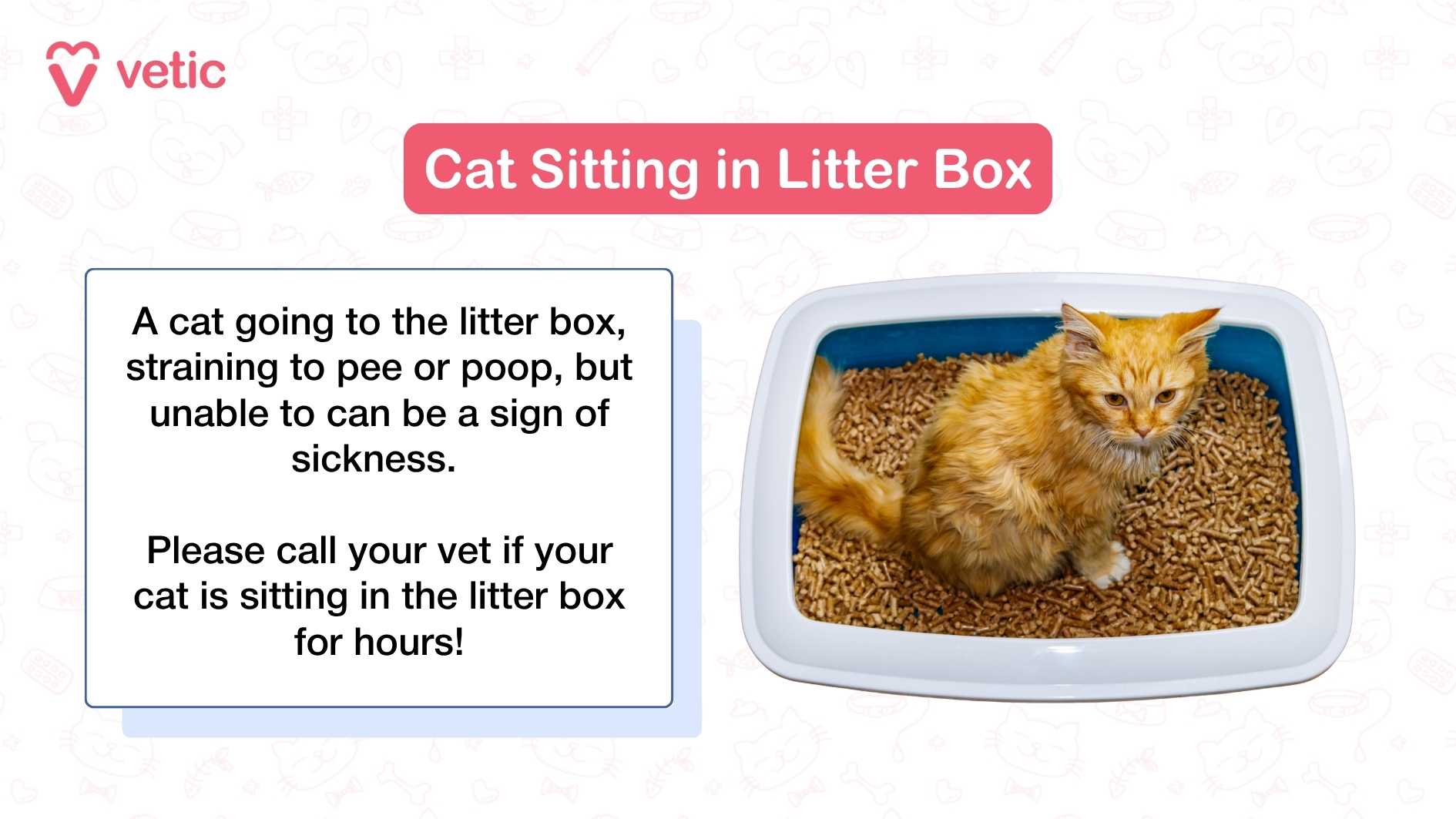
Is your cat suddenly choosing spots outside the litter box? You’re not alone, and it can be really frustrating.
When your furry friend starts making messes in unexpected places, it’s natural to worry and wonder why this is happening. Understanding the reasons behind this behavior is the first step to fixing it quickly. Keep reading, because uncovering the causes can help you bring peace back to your home—and keep your cat happy and healthy.
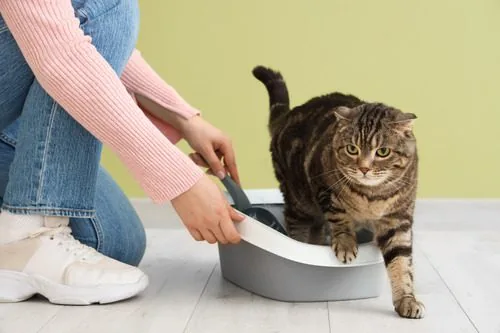
Credit: lacvets.com
Common Medical Issues
When a cat starts avoiding the litter box, medical issues often play a key role. Health problems can cause discomfort or pain, making the cat associate the litter box with negative feelings. Recognizing these common medical conditions helps in providing proper care and treatment.
Urinary Tract Infections
Urinary tract infections (UTIs) cause pain and frequent urination. Cats may urinate outside the litter box to avoid discomfort. Blood in the urine or straining while urinating are common signs. UTIs need prompt veterinary attention to prevent serious complications.
Kidney Problems
Kidney problems affect a cat’s ability to process waste and fluids. Cats with kidney disease may drink and urinate more often. This can lead to accidents outside the litter box. Early diagnosis and treatment can improve the cat’s quality of life.
Gastrointestinal Disorders
Gastrointestinal disorders cause diarrhea or constipation, leading to litter box avoidance. Pain or urgency may make the cat choose other spots. Identifying the cause requires a vet’s exam and sometimes diet changes or medication.
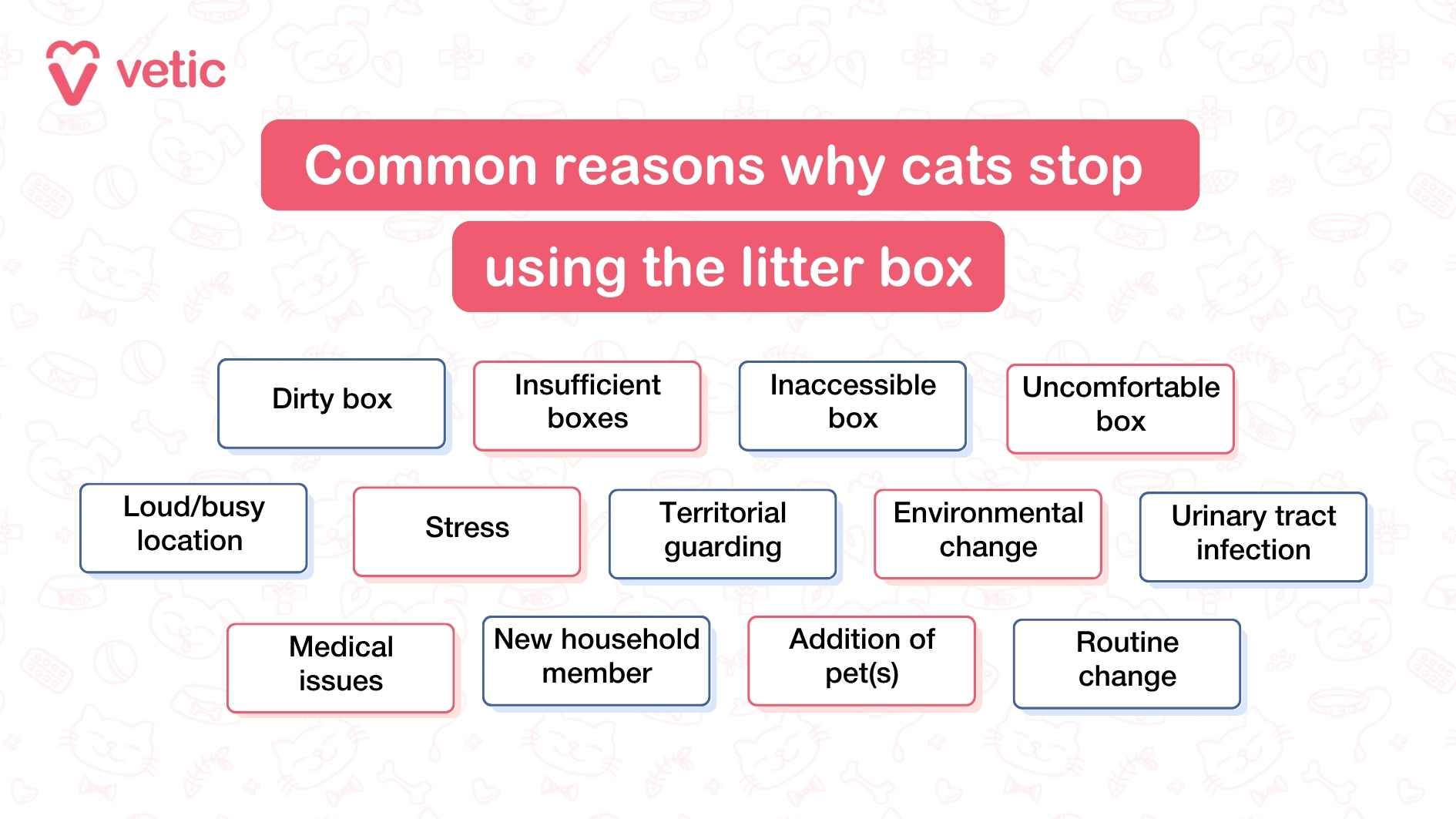
Credit: vetic.in
Litter Box Problems
When your cat starts going outside the litter box, the problem often lies with the box itself. Cats are particular creatures, and even small issues with their litter box can lead them to find alternative spots. Understanding these common litter box problems can help you fix the issue quickly and keep your home clean.
Cleanliness And Maintenance
Have you noticed how quickly your cat’s litter box gets dirty? Cats prefer a clean space to do their business, and a dirty box can be a big turnoff. Scoop the box at least once daily and do a full litter change weekly to keep it fresh.
If your cat suddenly avoids the box, check for odors or stuck waste. Even if you think it looks okay, cats have a sharper sense of smell and may find it unpleasant. Regular cleaning can stop accidents before they start.
Litter Type And Texture
Not all litters are created equal. Some cats dislike certain textures or scents. You might be surprised how switching to an unscented, fine-grain litter can make a huge difference.
Have you tried observing your cat’s reaction when you change the litter? Some cats prefer clumping litter, while others like natural materials like wood pellets. Experimentation can help you find the perfect match for your feline friend.
Box Size And Location
A cramped or poorly placed litter box can discourage use. Is your cat’s box big enough for them to turn around comfortably? A small or covered box might feel confining or trap odors.
Location matters just as much. Place the box in a quiet, low-traffic area away from noisy appliances or busy rooms. Could your cat be avoiding the box because they feel exposed or disturbed?
Try moving the box to different spots and watch how your cat responds. Sometimes a simple relocation solves the problem entirely.
Behavioral Causes
Cats not using their litter box can be confusing for owners. Behavioral issues often cause this problem. Understanding these can help resolve the issue.
Stress And Anxiety
Cats get stressed by loud noises or unfamiliar visitors. Stress can lead them to avoid the litter box. They might feel threatened, seeking a safer place to go. Sometimes, even a minor change in routine can trigger anxiety. Recognizing stressors and reducing them helps. A calm environment benefits your cat’s habits.
Territorial Marking
Cats are territorial creatures. They may urinate outside the box to mark their space. This behavior is common when new pets are introduced. They use scent to establish dominance. Neutering or spaying can reduce this behavior. Providing separate spaces for each pet also helps.
Changes In Household
Household changes impact a cat’s behavior significantly. Moving to a new home can confuse them. The presence of new people can also unsettle them. Cats often react by rejecting their litter box. Keeping their routine unchanged helps them adjust. Providing familiar items can comfort them during transitions.
Environmental Factors
Environmental factors play a big role in why your cat might be avoiding the litter box. Changes or challenges in their surroundings can create stress or confusion, leading to accidents. Understanding these factors helps you create a more comfortable space for your feline friend.
Access To Outdoors
If your cat has easy access to the outdoors, they might prefer going outside over using the litter box. Some cats enjoy the fresh air and natural environment, which feels more appealing than a confined indoor space. Ask yourself: is your cat choosing the backyard because the litter box isn’t clean or placed well?
Try to keep the litter box fresh and in a quiet spot. If your cat loves going outside, consider setting up a safe, enclosed outdoor area. This can satisfy their outdoor cravings without risking accidents inside.
Multiple Pets In Home
Living with several pets can create competition or tension around the litter box. Cats are territorial, and some might avoid the box if another pet is nearby or if the box isn’t sufficient in number or location. Have you noticed your cat waiting for others to finish before approaching the box?
Make sure you have enough litter boxes—one per cat plus one extra is a good rule. Place them in different quiet areas to reduce stress. Observing your pets’ interactions can also reveal if one is bullying or intimidating the others.
Noise And Distractions
Noise and sudden distractions can scare your cat away from the litter box. Loud sounds, children playing, or household activity near the box may make your cat feel unsafe while doing their business. Does your cat seem hesitant or rushed when using the box?
Try moving the litter box to a calm, low-traffic area. Creating a peaceful environment helps your cat relax and use the box confidently. Sometimes, small changes like closing a door or adding a privacy screen around the box make a big difference.
Solutions And Preventive Tips
Finding your cat avoiding the litter box can be frustrating, but there are clear steps you can take to guide them back. The right solutions not only fix the immediate issue but also help prevent it from happening again. Understanding what to adjust and when to seek help makes a big difference.
Improving Litter Box Setup
Start by checking your cat’s litter box environment. Is the box clean? Cats dislike dirty litter boxes and may choose to go elsewhere if you don’t scoop daily.
Consider the type of litter you use. Some cats prefer unscented, fine-grained litter that feels soft on their paws. If your cat suddenly stops using the box, try switching to a different litter type.
Location matters too. Place the litter box in a quiet, low-traffic area. Avoid spots near loud appliances or busy doorways, as cats seek privacy when they go.
Managing Stress In Cats
Stress can cause your cat to avoid the litter box. Changes like a new pet, moving homes, or even new furniture can unsettle your cat.
Watch for signs of stress: hiding, decreased appetite, or excessive grooming. Giving your cat a safe, calm space helps. Pheromone diffusers or calming sprays might also reduce anxiety.
Spend extra time playing or cuddling to reassure your cat. Have you noticed your cat’s behavior changing after a stressful event? Addressing the cause quickly can stop accidents before they start.
When To See A Vet
If your cat’s litter box issues continue despite your efforts, it’s time for a vet visit. Medical problems like urinary tract infections, kidney issues, or diabetes often cause changes in bathroom habits.
Make note of any other symptoms like blood in urine, frequent trips to the box, or signs of pain. These details help your vet diagnose the problem accurately.
Early diagnosis can prevent serious health problems. Don’t wait too long—your cat’s health and comfort depend on timely action.
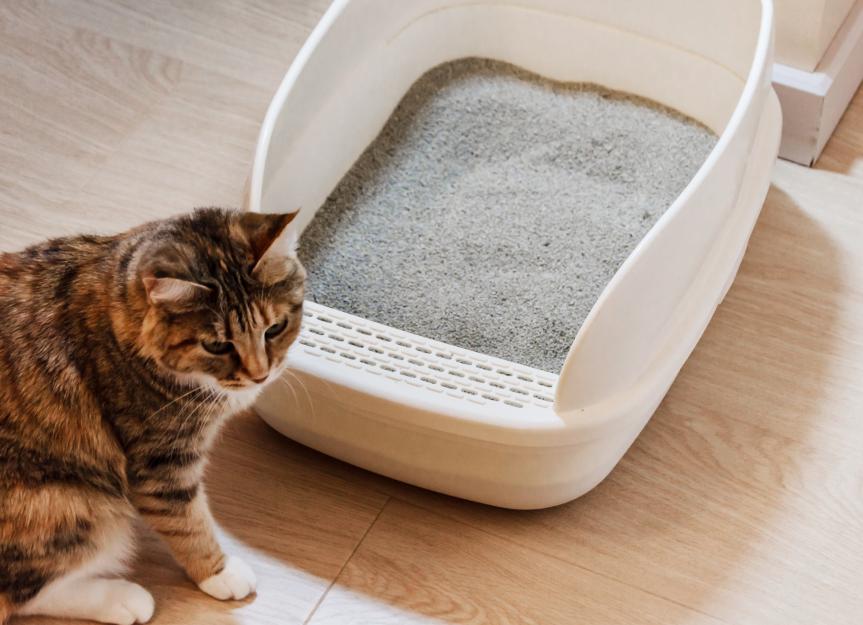
Credit: www.petmd.com
Frequently Asked Questions
Why Is My Cat Suddenly Avoiding The Litter Box?
Cats may avoid the litter box due to stress, illness, or dirty conditions. Check for urinary tract infections and clean the box regularly. Provide a quiet, accessible location and consider adding extra boxes if multiple cats live in the house.
Can Medical Issues Cause Litter Box Problems?
Yes, medical problems like urinary tract infections or kidney disease can cause litter box avoidance. Always consult a vet if your cat’s behavior changes suddenly to rule out health issues.
How Does Litter Box Cleanliness Affect Cat Behavior?
Cats prefer a clean litter box. Dirty or smelly boxes discourage use, leading to accidents. Scoop daily and change litter regularly to keep your cat comfortable and encourage proper use.
Does Litter Type Impact My Cat’s Litter Box Habits?
Yes, cats can be picky about litter texture and scent. Experiment with unscented, clumping litter to find what your cat prefers. Changing litter type gradually helps avoid stress.
Conclusion
Cats may leave the litter box for many reasons. Stress, health, or a dirty box can cause this behavior. Watch your cat closely and keep the litter box clean. Provide a quiet, safe place for your cat to use. Sometimes, a vet visit helps find health problems early.
Patience and care often solve the issue. Remember, your cat needs comfort and understanding. Small changes can make a big difference. Stay calm and keep trying. Your cat will likely return to good habits soon.



Leave a Reply