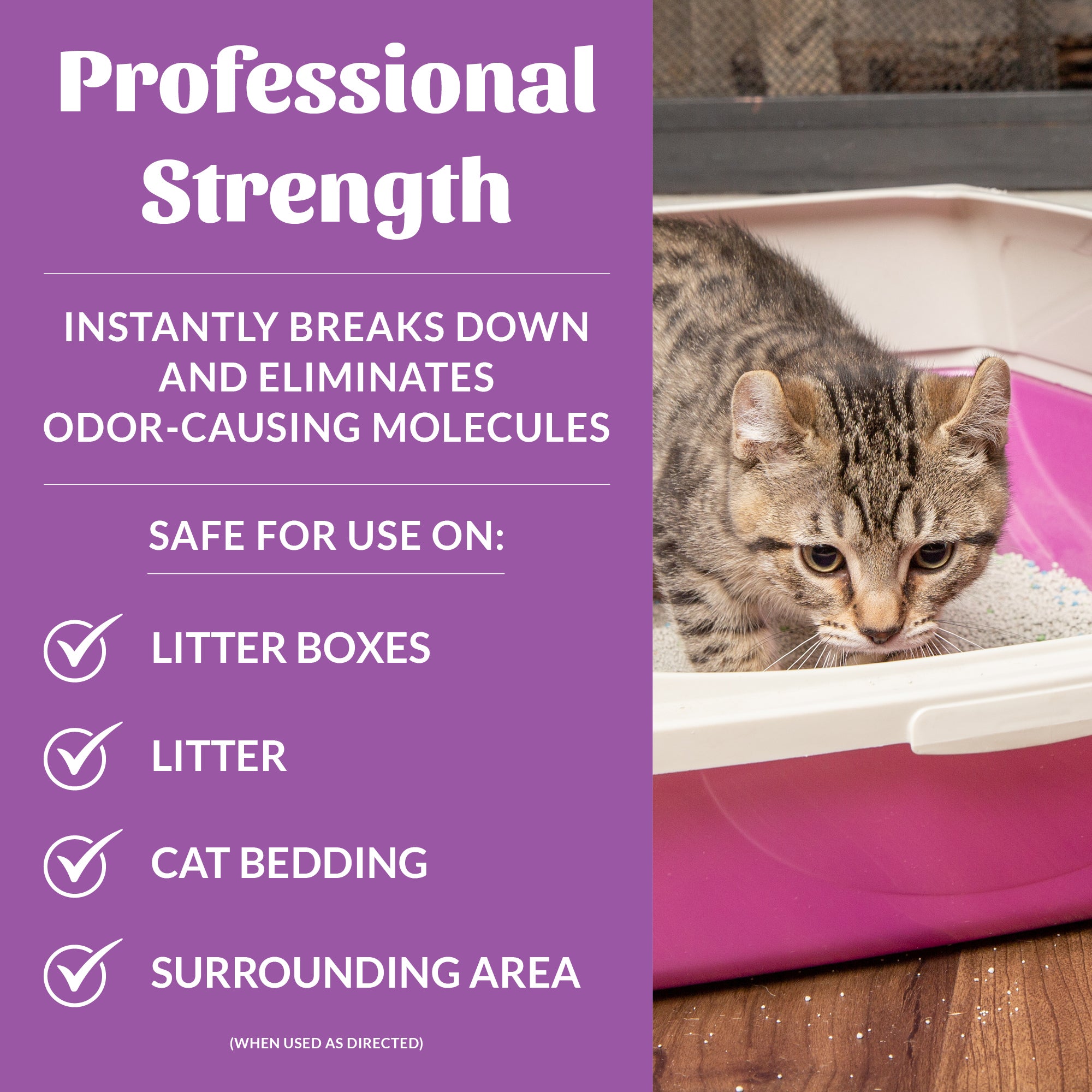
If you’ve ever walked into a room and been hit by a strong, unpleasant smell from your cat’s litter box, you’re not alone. You might be wondering, “Why does my cat litter box smell so bad?” It’s frustrating because you want your home to feel fresh and clean, but that odor just won’t go away.
The good news is, you’re about to discover simple reasons behind the smell and easy steps to fix it. Keep reading—your nose (and your cat) will thank you.
Credit: vetic.in
Causes Of Strong Litter Box Odor
A strong smell from your cat’s litter box can make your home unpleasant. Understanding why the odor happens helps keep your space fresh. Several factors cause the bad smell. Identifying them is the first step to solve the problem.
Poor Cleaning Habits
Not scooping the litter box daily allows waste to build up. Old waste creates strong odors over time. Waiting too long to change the litter also worsens the smell. Using water and mild soap to clean the box weekly helps reduce odor. Dirty boxes trap bacteria and ammonia, making the smell worse.
Type Of Litter Used
Some litters control odor better than others. Clay-based litters tend to smell stronger when wet. Clumping litters lock in moisture and help reduce smell. Natural litters, like those made from corn or pine, absorb odors well. Choosing the right litter impacts how much odor your box produces.
Inadequate Ventilation
Poor airflow around the litter box traps smells in the room. Small or closed spaces make odors more noticeable. Placing the box in a well-ventilated area helps air out the smell. Using fans or opening windows improves ventilation. Good air circulation keeps the litter box fresher.
Health Issues In Cats
Certain health problems cause stronger urine smells. Urinary tract infections or kidney issues can make cat urine smell worse. If the odor changes suddenly, a vet visit is important. Healthy cats produce less smelly waste. Monitoring your cat’s health helps control litter box odor.

Credit: www.skoutshonor.com
Choosing The Right Cat Litter
Choosing the right cat litter plays a big role in controlling litter box odors. The wrong type can make smells worse and cause discomfort for your cat. Selecting a litter that matches your cat’s habits and your cleaning routine helps keep the box fresh. Here are key options to consider for better odor control and a happier cat.
Clumping Vs Non-clumping Litter
Clumping litter forms solid clumps when wet. It makes scooping easier and helps trap odors. Non-clumping litter absorbs moisture but doesn’t form clumps. It may need more frequent changing. Clumping types often reduce smell better because waste is sealed in lumps.
Scented Vs Unscented Options
Scented litter masks odors with fragrances. It can hide the smell temporarily but may irritate sensitive cats or people. Unscented litter does not cover smells but focuses on absorbing them. It works well for cats with allergies or sensitive noses.
Natural And Eco-friendly Litters
Natural litters use materials like wood, corn, or paper. They often control odor with natural ingredients and are biodegradable. Eco-friendly options reduce environmental impact. These litters are gentle on paws and can be less dusty than clay types.
Effective Cleaning Techniques
Effective cleaning techniques can greatly reduce litter box odors. Cleanliness is key. Regular maintenance keeps unpleasant smells at bay. Let’s explore some essential cleaning methods.
Daily Scooping Tips
Scoop the litter box every day. This helps to keep odors minimal. Use a sturdy scooper to sift through the litter. Remove clumps and solid waste promptly. Dispose of waste in a sealed bag. This prevents odors from spreading. Keep the scooper clean to avoid bacteria buildup. Consider placing a mat under the litter box. It catches stray litter and keeps the area tidy.
Deep Cleaning Frequency
Deep clean the litter box weekly. This involves emptying all the litter. Use soap and water to scrub the box. Avoid using harsh chemicals. They can harm your cat. Rinse thoroughly to remove soap residue. Allow the box to dry completely before refilling it. This process helps remove lingering odors. Fresh litter maintains a pleasant environment for your cat.
Proper Disposal Methods
Dispose of litter properly to prevent smells. Seal waste in a plastic bag. Use a trash can with a tight lid. This keeps odors contained. Consider using a specialized litter disposal system. It provides an extra layer of odor control. Regularly empty the trash to keep your home fresh. Proper disposal keeps your cat’s area clean and inviting.

Credit: petcoveshop.com
Improving Litter Box Placement
Improving the placement of your cat’s litter box can greatly reduce bad odors. Proper positioning helps air flow and prevents moisture build-up. These small changes make a big difference in keeping your home fresh.
Choosing A Well-ventilated Spot
Place the litter box in a spot with good air circulation. A well-ventilated area helps odors escape quickly. Avoid cramped spaces where smells can get trapped. Open rooms or near windows work best to keep the air moving.
Avoiding Humid Areas
Humidity makes litter damp and smelly faster. Do not put the box in bathrooms or laundry rooms. These areas hold moisture and slow drying. Choose a dry, cool place instead to keep the litter fresh longer.
Using Multiple Litter Boxes
Using more than one box spreads out the mess. This reduces odor concentration in one place. It also gives your cat options and keeps them happy. A good rule is one box per cat, plus one extra.
Additional Odor Control Solutions
If your cat litter box smells worse than expected, there are smart ways to fight the odor beyond just changing the litter. Additional odor control solutions can make a big difference in keeping your home smelling fresh. These options work together with regular cleaning to tackle the problem at its source and help you enjoy time with your cat without holding your nose.
Litter Deodorizers And Additives
Litter deodorizers are an easy way to boost your cat’s litter box freshness. You can sprinkle baking soda or commercial deodorizing powders directly on the litter to neutralize smells. Some additives even contain natural enzymes that break down odor-causing bacteria.
Try mixing a small amount of these additives into the litter and watch how it controls the smell throughout the day. Have you noticed how some brands claim to trap odors better? Testing a few might reveal the one that works best for your cat’s habits.
Air Purifiers And Odor Absorbers
Placing an air purifier near the litter box can reduce airborne odors significantly. Look for purifiers with activated carbon filters, as they are excellent at capturing smells. This helps keep the room air cleaner, especially if the litter box is in a smaller space.
Odor absorbers like charcoal bags or silica gel packets also work well. You can hide them near or around the litter box to soak up lingering smells. Have you ever tried a simple bowl of vinegar or coffee grounds nearby? These household items sometimes help absorb odors temporarily.
Regular Maintenance And Monitoring
No odor control solution works well without consistent cleaning. Scoop waste daily and replace the litter completely at least once a week. Keeping the box clean prevents odors from building up beyond control.
Monitor your cat’s litter box habits too. Changes in frequency or messiness might mean it’s time to change your approach. Have you noticed that some cats prefer a certain type of litter or box style? Paying attention to these details can reduce odor problems before they start.
When To Consult A Veterinarian
Knowing when to consult a veterinarian is crucial if your cat’s litter box smells bad despite regular cleaning. Sometimes, foul odors aren’t just about hygiene—they can signal an underlying health problem. Paying attention to specific signs can help you catch potential issues early and ensure your cat stays healthy.
Signs Of Urinary Tract Infections
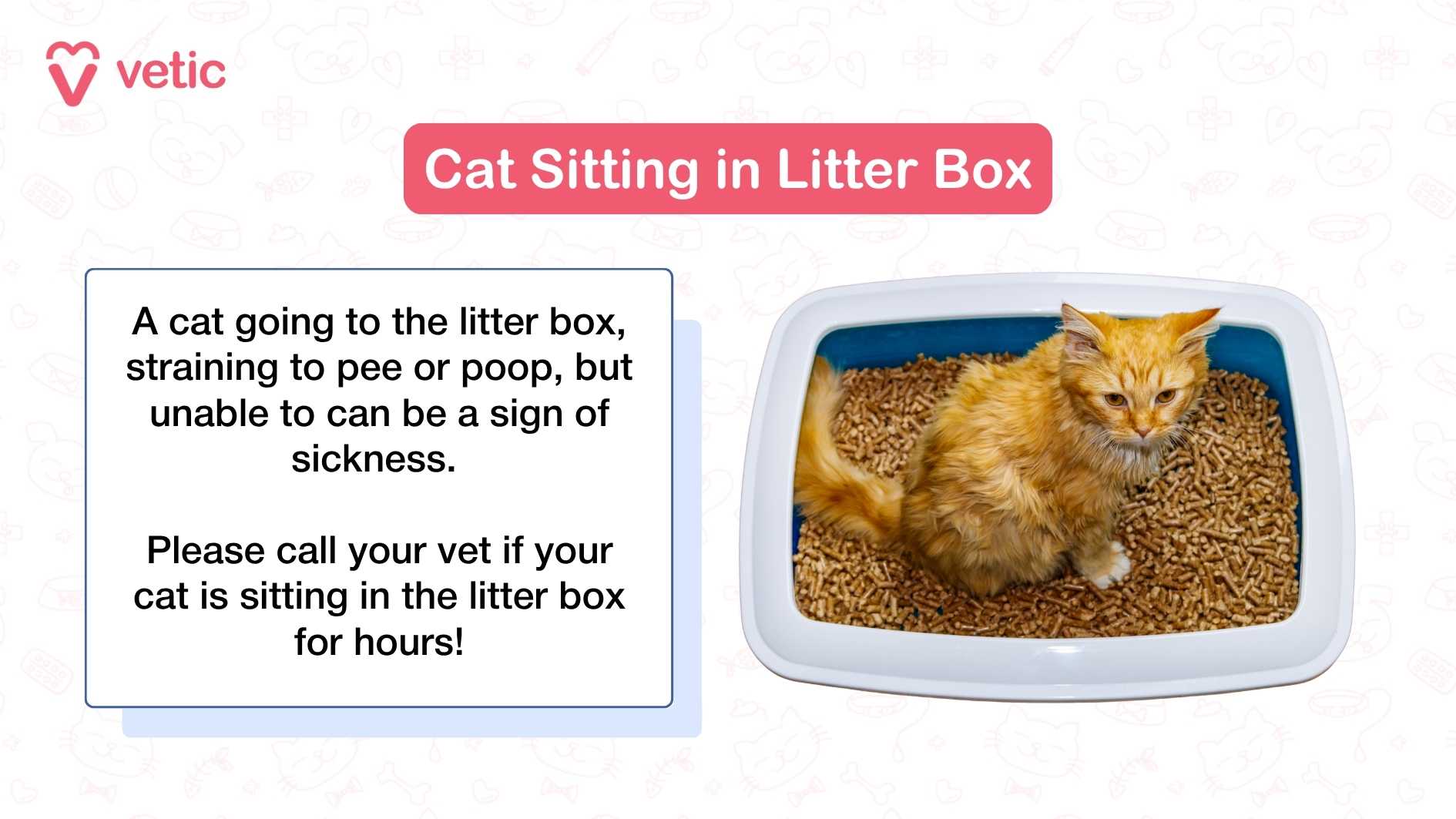
Urinary tract infections (UTIs) in cats often cause strong, unpleasant smells in the litter box. You might notice your cat straining to urinate or going more frequently than usual.
Blood in the urine or crying out while urinating are clear warning signs. These symptoms mean your cat needs immediate veterinary care to avoid complications.
Behavioral Changes Related To Litter Box Use
If your cat suddenly avoids the litter box or urinates outside it, this behavior change could indicate discomfort or illness. Cats with bladder problems often try to find alternative spots to relieve themselves.
Watch for signs like frequent trips to the box with little output or excessive licking of the genital area. These behaviors suggest a vet visit is necessary to rule out infections or other health issues.
Persistent Odors Despite Cleaning
Have you cleaned the litter box thoroughly but still notice a strong, unpleasant smell? Persistent odors can point to hidden problems like bladder stones or kidney disease.
Sometimes, the smell comes from your cat’s urine itself, which changes due to illness. A veterinarian can perform tests to diagnose the cause and recommend treatment.
Frequently Asked Questions
Why Does My Cat Litter Box Smell So Bad?
Bad odors come from bacteria breaking down urine and feces. Infrequent cleaning and poor ventilation make smells worse. Using unscented, clumping litter and scooping daily helps reduce odor significantly.
How Often Should I Clean My Cat’s Litter Box?
Clean the litter box at least once a week. Scoop waste daily to prevent odor buildup. Regular cleaning keeps your cat healthy and reduces bad smells effectively.
Can The Type Of Litter Affect Odor Control?
Yes, clumping litters trap moisture and odor better. Some litters have odor-neutralizing additives that reduce smells. Choosing the right litter can make a big difference in controlling odor.
Does The Number Of Cats Affect Litter Box Smell?
More cats produce more waste, increasing odor risk. One litter box per cat plus one extra helps manage smells. Frequent cleaning is essential when multiple cats share a box.
Conclusion
Bad smells from your cat’s litter box can be frustrating. Cleaning the box often helps a lot. Using the right type of litter makes a big difference. Make sure to scoop waste every day. Keep the box in a well-ventilated area.
Sometimes, changing the litter brand can reduce odor. Remember, a clean box keeps your home fresh. Your cat will also be happier and healthier. Small steps create a big change. A fresh litter box means a happy home.




Leave a Reply