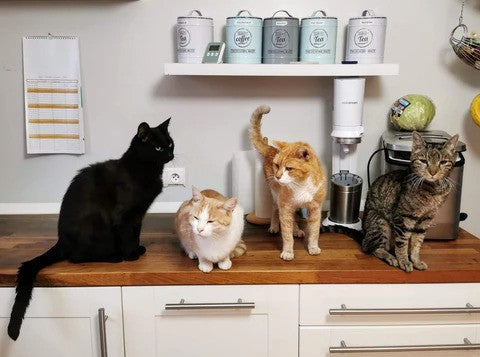
Are you wondering if your cats can share the same litter box without any problems? It’s a common question for many cat owners, and the answer might surprise you.
Sharing a litter box can affect your cats’ health, behavior, and your home’s cleanliness. Understanding what works best for your furry friends can save you from unwanted stress and mess. Keep reading to find out what experts say about cats sharing a litter box and how to keep your pets happy and comfortable.
Cats And Litter Box Sharing
Sharing a litter box among cats is a common question for many pet owners. You might wonder if your cats can comfortably and safely use the same box without stress or hygiene issues. Understanding how cats behave and what risks or benefits come with sharing a litter box helps you make the best choice for your furry friends.
Natural Behavior Of Cats
Cats are naturally territorial animals. Most prefer to have their own personal space, especially when it comes to toileting. However, some cats from the same household or litter may tolerate sharing a litter box without conflict.
In the wild, cats usually avoid using the same spot as others to mark their territory. But domestic cats can adapt based on their social dynamics. You might notice your cats waiting patiently for their turn or even using the box together if they have a close bond.
Have you observed your cats’ litter box habits closely? Their behavior can tell you if sharing is comfortable for them or if they need separate boxes to reduce stress.
Benefits And Risks Of Sharing
- Benefits:Sharing a litter box saves space and reduces cleaning time. It can also encourage social bonding if your cats are friendly.
- Risks:Cats may avoid using a shared box if they feel threatened, leading to accidents elsewhere. There is also a higher chance of disease transmission between cats.
To keep sharing safe, make sure to clean the box frequently. Using multiple boxes can reduce competition and stress, especially if your cats have different personalities or health issues.
Have you thought about how many litter boxes are ideal for your cats? A good rule is one box per cat plus one extra, but your cats’ behavior should guide your decision.
Credit: vetic.in
Factors Affecting Litter Box Sharing
Sharing a litter box between cats is a common question among pet owners. Whether your cats can comfortably share depends on several key factors. Understanding these factors helps you create a stress-free environment for your furry friends.
Cat Personalities And Relationships
Each cat has a unique personality that affects how it interacts with others. Some cats are more social and tolerant, while others prefer their own space. If your cats have a strong bond or get along well, sharing a litter box might work.
However, cats that are territorial or anxious often resist sharing. Watch how your cats behave around the litter box. Are they relaxed, or do they show signs of stress or aggression? Your cats’ daily interactions can give you clues about their comfort level with sharing.
Health Considerations
Health plays a big role in litter box sharing. If one cat is sick, it’s best to provide separate boxes to avoid spreading infections. Cats with urinary or digestive issues often need their own clean space to prevent stress and complications.
Also, some cats may avoid a shared box if another cat has a strong odor or if the litter isn’t cleaned frequently. Regular cleaning is critical to keep all cats healthy and willing to use the same box.
Litter Box Size And Type
The size and type of the litter box matter a lot. A small box can feel cramped and uncomfortable for multiple cats. Choose a large box or multiple boxes that allow enough room for each cat to move around freely.
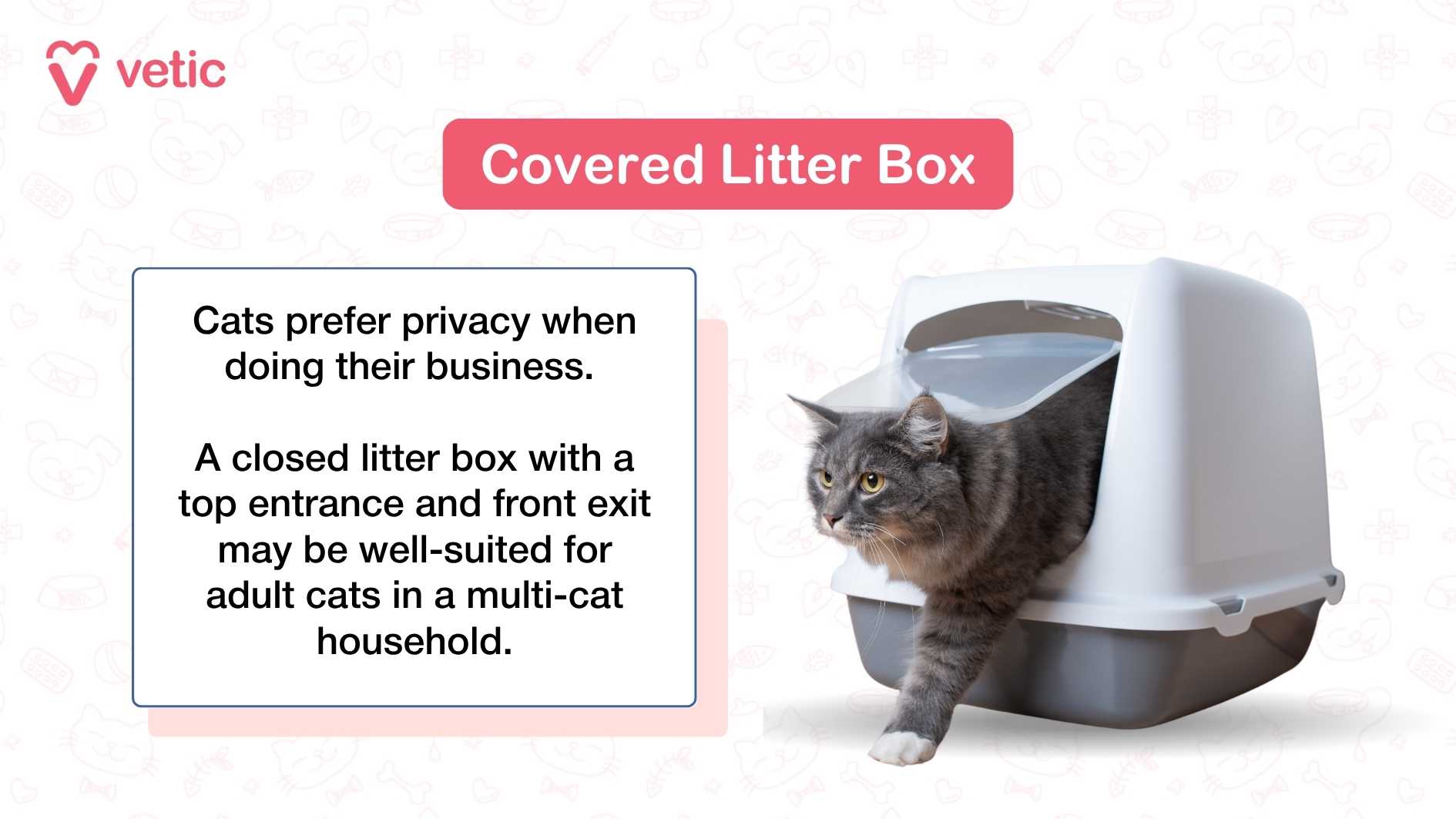
Some cats prefer covered boxes for privacy, while others like open ones. Offering a variety might help your cats decide what they’re comfortable with. Have you noticed your cats avoiding the box because it feels too small or cramped?
Managing Multiple Cats’ Litter Boxes
Cats can share a litter box, but many prefer having their own. Sharing may cause stress or accidents. Providing multiple boxes helps keep cats happy and clean.
Managing multiple cats’ litter boxes can seem challenging. But with the right strategies, it becomes manageable. Cats are territorial creatures. They need their space, even for litter boxes. Sharing a litter box can lead to stress and behavioral issues. Let’s explore how to manage litter boxes effectively for multiple cats.Number Of Boxes Needed
The general rule is one litter box per cat, plus one extra. This means if you have three cats, you should have four litter boxes. This ensures each cat has its personal space. It reduces the risk of accidents and fights. Providing enough boxes helps maintain a peaceful environment.Placement Strategies
Place litter boxes in different areas of your home. Avoid putting them all in one room. Cats prefer quiet and private spaces. Keep boxes away from noisy appliances. Avoid high traffic areas. This gives cats a sense of security. They should be easily accessible. Cats might avoid hard-to-reach places. Consider your home’s layout. Spread the boxes evenly.Cleaning And Maintenance Tips
Clean the litter boxes daily. Scoop waste and replace litter as needed. A clean box encourages use. It prevents odors and keeps the area hygienic. Use mild detergents for deep cleaning weekly. Avoid strong-smelling cleaners. They might deter cats. Check for damage regularly. Replace boxes if they show wear. Proper maintenance ensures a happy, healthy cat environment.
Credit: www.gntos.org
Signs Of Litter Box Issues
Noticing signs of litter box issues early helps keep cats healthy and happy. Cats may avoid their litter box for various reasons. Detecting changes quickly can prevent bigger problems. Watch closely for behavior shifts and physical symptoms.
Behavioral Changes
Cats might urinate outside the box suddenly. They may scratch less or more than usual. Some cats become restless or hide more often. Avoiding the litter box can show stress or discomfort. Pay attention to any unusual habits around the box.
Health Warning Signs
Straining or crying while using the box signals pain. Blood in urine or stool needs immediate attention. Frequent trips with little output can mean infection. Strong or foul smells might indicate illness. Changes in litter box use often point to health issues.
Preventing Litter Box Aversion
Keep the box clean and odor-free daily. Provide enough boxes for all cats in the house. Place boxes in quiet, accessible spots. Use litter types your cat prefers. Avoid sudden changes in litter or box style. Consistency helps cats feel safe and comfortable.
Creating A Happy Litter Box Environment
Creating a happy litter box environment is essential if you want your cats to share their space peacefully. Cats are particular about their bathroom habits, and a well-thought-out litter box setup can reduce stress and prevent territorial conflicts. Let’s look at how you can make your cats feel comfortable and encourage good litter box habits.
Choosing The Right Litter
Your choice of litter can make a big difference in how your cats react to sharing a box. Some cats prefer clumping litter, while others like non-clumping or natural options like wood pellets or corn-based litter. You might need to try a few types to see what your cats like best.
Keep in mind that strong fragrances can be off-putting. Unscented litter often works better for sensitive noses. Also, consider the litter’s texture—soft and fine granules usually appeal more to cats.
Ensuring Privacy And Comfort
Privacy is key to a cat’s litter box comfort. If your cats feel exposed, they might avoid the box or get stressed. Placing the litter box in a quiet, low-traffic area can help, but make sure it’s still easy for your cats to access.
Some cats appreciate covered boxes for extra privacy, while others prefer open ones. Observe your cats’ behavior to decide which option suits them best. Providing multiple boxes in different locations can also minimize competition and give your cats their own space when needed.
Encouraging Good Habits
Encouraging your cats to use the litter box properly starts with keeping it clean. Scoop the box at least once a day and change the litter regularly. Cats are clean animals, and a dirty box is a common reason for accidents.
Positive reinforcement works wonders. Praise your cats or offer a small treat when they use the box correctly. If you notice any issues, such as one cat guarding the box, try adding another box to reduce tension.
Have you noticed your cats’ preferences or behaviors around the litter box? Adjusting the environment based on their reactions can lead to a happier home for everyone.

Credit: cathome.sg
Frequently Asked Questions
Can Cats Share A Litter Box Without Issues?
Cats can share a litter box if they get along well. However, sharing may cause stress or territorial disputes. Providing multiple boxes is ideal for peace and hygiene.
How Many Litter Boxes Do Multiple Cats Need?
The general rule is one litter box per cat plus one extra. This reduces competition and helps maintain cleanliness, ensuring each cat has enough space.
What Problems Arise From Sharing A Litter Box?
Sharing can lead to territorial aggression, stress, and litter box avoidance. It may also increase the risk of infections or hygiene issues between cats.
How To Introduce A Shared Litter Box To Cats?
Place the box in a neutral location and monitor behavior. Clean the box frequently and watch for signs of discomfort or aggression.
Conclusion
Cats can share a litter box, but it depends on their habits. Some cats accept sharing easily, while others prefer their own space. Cleanliness matters a lot to keep cats happy and healthy. Offering multiple boxes helps reduce stress and fights.
Watch your cats’ behavior to know what works best. Happy cats mean a peaceful home for everyone. Keep their litter boxes fresh and separate if needed. Sharing can work well with patience and care.




Leave a Reply