Have you noticed your cat leaving surprises outside the litter box? It’s frustrating and confusing, especially when you’ve done everything right.
But don’t worry—you’re not alone, and there are reasons behind this behavior that you can understand and fix. If you want to keep your home clean and your cat happy, it’s important to know why this happens. Keep reading, and you’ll discover the common causes and simple solutions that can make a big difference for both you and your furry friend.
Common Reasons Cats Avoid Litter Box
When your cat suddenly stops using the litter box, it can be frustrating and puzzling. Understanding why cats poop outside the litter box is key to fixing the problem quickly. Several common reasons might be causing this behavior, and knowing them can help you respond effectively.
Health Issues
Sometimes, your cat’s litter box avoidance signals a health problem. Urinary tract infections, constipation, or gastrointestinal issues can make using the box painful or uncomfortable. If your cat suddenly changes habits, a vet visit is essential to rule out any medical concerns.
Litter Box Cleanliness
Cats are very particular about cleanliness. A dirty litter box can discourage them from using it. Make sure to scoop daily and wash the box regularly to keep it inviting for your cat.
Litter Type Preferences
Not all cats like the same kind of litter. Some prefer fine-grain clumping litter, while others might dislike scented or dusty options. Experimenting with different types can help you find what your cat prefers and encourage consistent use.
Stress And Anxiety
Changes in your home, such as moving furniture or new pets, can stress your cat. Stress often causes litter box avoidance as a way to express discomfort. Look for signs of anxiety and try to create a calm, safe environment for your cat.
Territorial Behavior
Cats are territorial animals. If you have multiple cats, one might block access to the litter box or mark territory elsewhere. Providing multiple litter boxes in different locations can reduce territorial conflicts and encourage proper use.
Have you noticed any specific triggers that cause your cat to avoid the litter box? Identifying these can help you address the problem faster and keep your home cleaner and your cat happier.
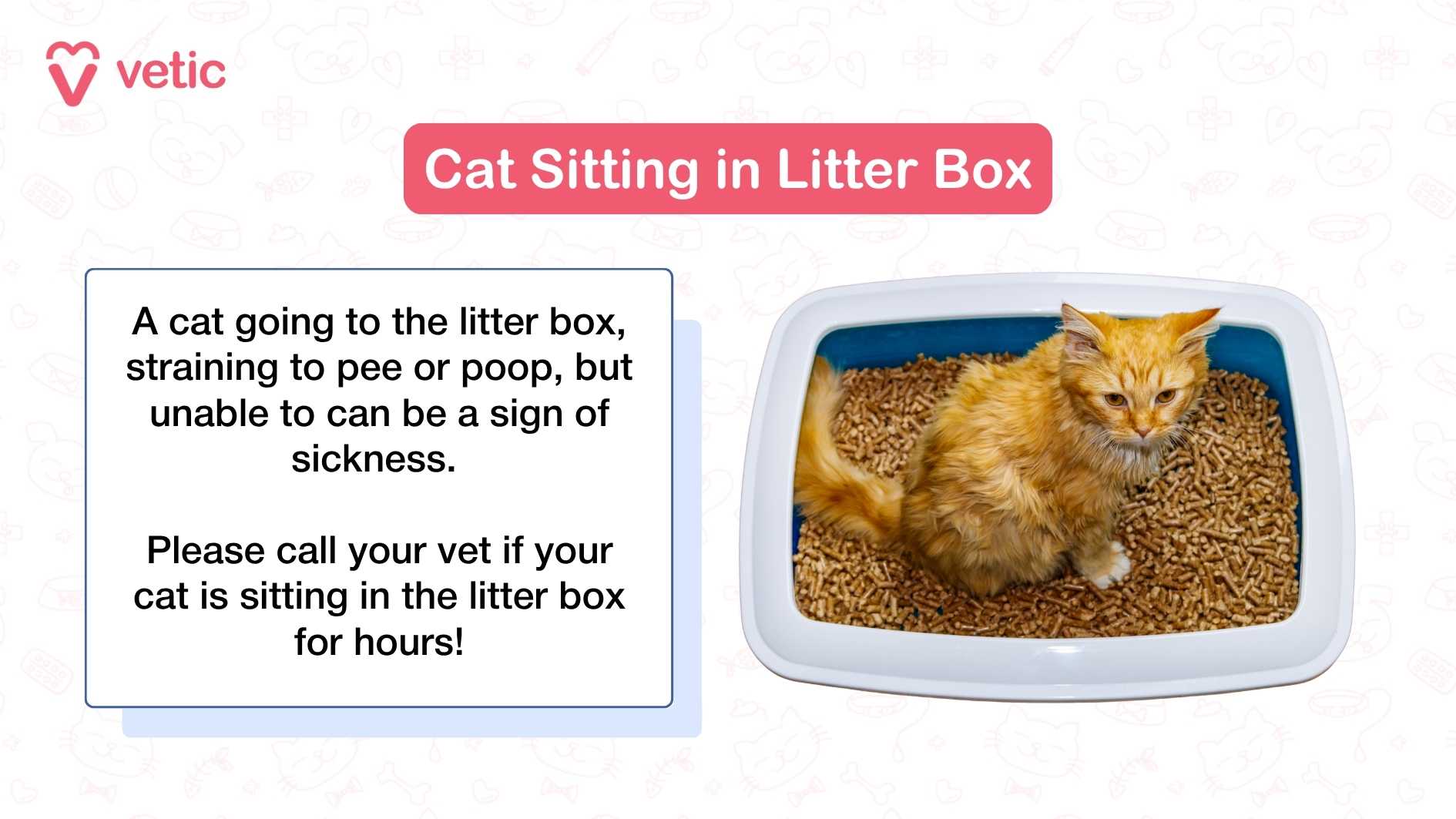
Credit: vetic.in
Environmental Factors Affecting Litter Use
Environmental factors play a big role in whether your cat uses the litter box consistently. Changes in the surroundings can confuse or stress your cat, leading to accidents outside the box. Understanding these factors can help you create a more welcoming space that encourages proper litter use.
Location Of The Litter Box
The spot where you place the litter box can make a huge difference. Cats prefer quiet, private areas away from loud noises and heavy foot traffic.
Think about where your cat feels safest. Have you noticed your cat avoiding the box because it’s near the washing machine or a busy hallway? Moving the litter box to a calm corner can encourage better habits.
Number Of Litter Boxes
The general rule is one litter box per cat, plus one extra. If you have two cats, you should ideally have three boxes.
Sharing can cause territorial disputes or discomfort. I once had two cats sharing a single box, and one started going elsewhere. Adding another box solved the problem quickly.
Household Changes
Changes like new pets, visitors, or renovations can unsettle your cat. Even small changes in routine might cause litter box avoidance.
Has your cat’s behavior changed after a move or after you introduced a new pet? Giving your cat extra attention and keeping the litter box environment stable can help them adjust.
Behavioral Causes Behind Litter Box Problems
Cats may avoid the litter box due to stress, changes in their environment, or dislike of the box’s cleanliness. Anxiety or conflicts with other pets can also cause this behavior. Understanding these reasons helps in solving litter box problems effectively.
Cats not using their litter box can be puzzling. Many reasons exist for this behavior. Understanding these reasons helps in addressing the issue effectively. Behavioral causes are a common reason for this problem. Let’s explore these causes.Marking Territory
Cats are territorial creatures. They often mark their territory with urine. This behavior can occur if a new pet or person enters their space. The cat feels threatened or stressed. This is a natural instinct to establish dominance. Providing a safe and calm environment can reduce this behavior.Previous Negative Experiences
Past negative experiences with a litter box can affect a cat’s behavior. A loud noise while using the box can create fear. An uncomfortable or dirty box may lead to avoidance. Cats have strong memories and may associate discomfort with the litter box. Ensuring a clean and quiet space encourages positive usage.Age-related Changes
Aging cats might face litter box challenges. Older cats can develop arthritis or other health issues. These issues make it difficult to reach or enter the box. Consideration for their physical limitations is essential. Providing an accessible and convenient box can help.
Credit: www.aol.com
Health Checks To Rule Out Medical Causes
Health checks are essential to find medical reasons behind cats pooping outside the litter box. Illness or discomfort can cause this unwanted behavior. Early detection helps in treating your cat promptly and stops accidents.
Veterinarians perform exams to identify issues affecting your cat’s bathroom habits. They check for infections, digestive problems, and pain that might make using the litter box hard or uncomfortable.
Urinary Tract Infections
Urinary tract infections cause pain and urgency in cats. This discomfort may lead cats to avoid the litter box. They might associate the box with pain and choose other spots instead.
Signs include frequent urination, blood in urine, and straining. A vet can diagnose this with urine tests and give proper antibiotics.
Digestive Disorders
Digestive problems like constipation or diarrhea affect litter box habits. Cats with upset stomachs may not reach the box on time. They might poop outside the box due to urgency or pain.
Common digestive issues include inflammatory bowel disease and food allergies. A vet can suggest diets or medications to improve digestion and comfort.
Pain Or Mobility Issues
Pain from arthritis or injuries makes it hard to use the litter box. Cats may struggle to jump in or out of the box. Pain may cause them to avoid the box altogether.
Older cats often face mobility challenges. Soft bedding or low-entry boxes help. A vet can offer pain relief or treatments to ease movement.
Simple Solutions To Encourage Proper Litter Use
Encouraging your cat to use the litter box consistently can feel like a puzzle, but small changes often make a big difference. Addressing simple factors such as cleanliness, litter type, box placement, and the number of boxes can improve your cat’s comfort and habits. These practical steps help create an inviting space that your cat wants to use.
Maintaining Cleanliness
Cats are very particular about cleanliness. Scoop the litter box at least once a day and wash it with mild soap weekly.
If the box smells or looks dirty, your cat may avoid it. Think about your own habits—would you use a restroom that isn’t clean? Keeping the box fresh encourages proper use and reduces accidents outside the box.
Choosing The Right Litter
Not all litters are created equal. Some cats prefer fine-grain clumping litter, while others like unscented, natural options.
Try experimenting with different types to see which one your cat prefers. Have you noticed your cat avoid the box after a litter change? This can be a clue to switch back or try something softer or less dusty.
Optimizing Litter Box Placement
Where you place the litter box matters more than you might think. Avoid noisy, busy, or hard-to-reach areas that could scare or stress your cat.
Quiet corners with good ventilation work best. Ask yourself: Would you feel comfortable using a bathroom in a high-traffic or loud spot? Your cat feels the same way.
Providing Multiple Litter Boxes
If you have more than one cat, offering multiple litter boxes is essential. The general rule is one box per cat plus one extra.
This reduces territorial disputes and gives cats options if one box is occupied or dirty. Even with a single cat, having two boxes can prevent accidents if one becomes unavailable for any reason.
Managing Stress To Improve Litter Habits
Stress can make cats avoid their litter box. Managing stress helps improve their litter habits. Cats feel safe in calm spaces. Stress relief encourages them to use the box consistently.
Creating A Calm Environment
Keep the cat’s area quiet and free of loud noises. Avoid sudden changes in the home. Provide cozy resting spots away from busy areas. Use soft lighting instead of bright lights. A calm space reduces anxiety and supports good habits.
Using Pheromone Products
Pheromone sprays and diffusers mimic natural cat scents. These products create a feeling of safety. Place them near the litter box and resting spots. They help lower stress and prevent accidents. Many cats respond well to these calming signals.
Consistent Routine
Feed and play with your cat at the same times daily. Keep litter boxes clean and in the same spot. Routine gives cats a sense of control and security. Predictability lowers stress and encourages litter box use. Cats thrive with stable daily habits.
When To Consult A Veterinarian Or Behaviorist
Knowing when to seek expert advice is key if your cat poops outside the litter box. Some situations need professional help to keep your cat healthy and happy. Early action can prevent bigger problems and stress for you and your pet.
Persistent Litter Box Avoidance
Watch for repeated litter box refusal. Occasional accidents happen. But constant avoidance signals deeper issues. A vet or behaviorist can find root causes. They help create a plan to fix the problem. Don’t wait too long to ask for help.
Signs Of Illness
Sudden changes in bathroom habits may mean illness. Look for:
- Straining or pain while pooping
- Blood or mucus in stool
- Frequent attempts but no results
- Loss of appetite or lethargy
These signs need immediate vet attention. Treating illness early avoids serious health risks.
Professional Behavioral Support
Behavioral experts help with stress or anxiety causes. They use training and environmental changes. These steps improve your cat’s comfort and habits. A behaviorist also guides on litter box setup and routine. Their help restores peace at home.
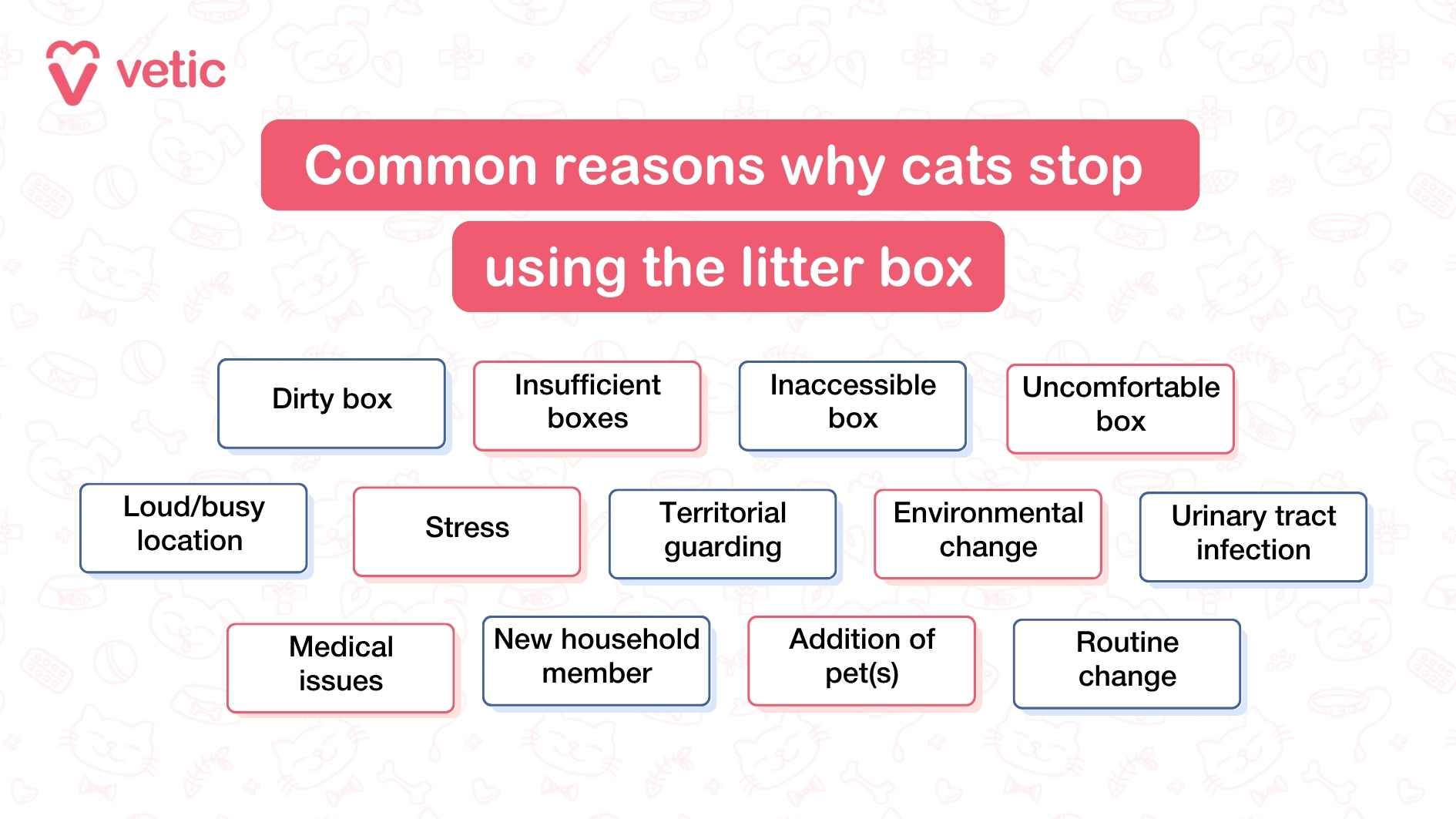
Credit: vetic.in
Frequently Asked Questions
Why Do Cats Avoid Their Litter Box Sometimes?
Cats may avoid the litter box due to stress, illness, or dirty conditions. Changes in environment or litter type can also cause avoidance. Ensure the box is clean, accessible, and placed in a quiet area to encourage proper use.
Can Medical Issues Cause Cats To Poop Outside Litter Box?
Yes, medical problems like urinary tract infections or digestive issues can make cats avoid the litter box. Always consult a vet if your cat suddenly stops using the box to rule out health concerns.
How Can Stress Make Cats Poop Outside The Box?
Stress from new pets, changes in routine, or loud noises can cause cats to poop outside the box. Providing a calm environment and consistent routine helps reduce anxiety and encourages proper litter box use.
Does Litter Box Size Affect Cat’s Bathroom Habits?
Yes, a litter box that is too small or uncomfortable may discourage cats from using it. Choose a box large enough for your cat to turn around easily to promote proper habits.
Conclusion
Cats pooping outside the litter box can be frustrating. Often, it signals a problem with health or stress. Clean the litter box regularly and keep it in a quiet place. Watch for signs of illness and visit the vet if needed.
Understanding your cat’s habits helps prevent accidents. Patience and care make a big difference. Solving this issue improves your cat’s comfort and your home’s cleanliness. Stay calm and observe your cat closely. Small changes often lead to big improvements.



Leave a Reply