
Are you tired of cleaning up messes outside your cat’s litter box? You’re not alone.
Teaching your cat to pee in the litter box can feel frustrating, but it doesn’t have to be. Imagine a home where your cat uses the litter box every time, leaving you with less stress and more peace of mind.
You’ll discover simple, effective tips that can change your cat’s habits for good. Keep reading, and you’ll learn exactly how to make your litter box the best bathroom spot for your furry friend.
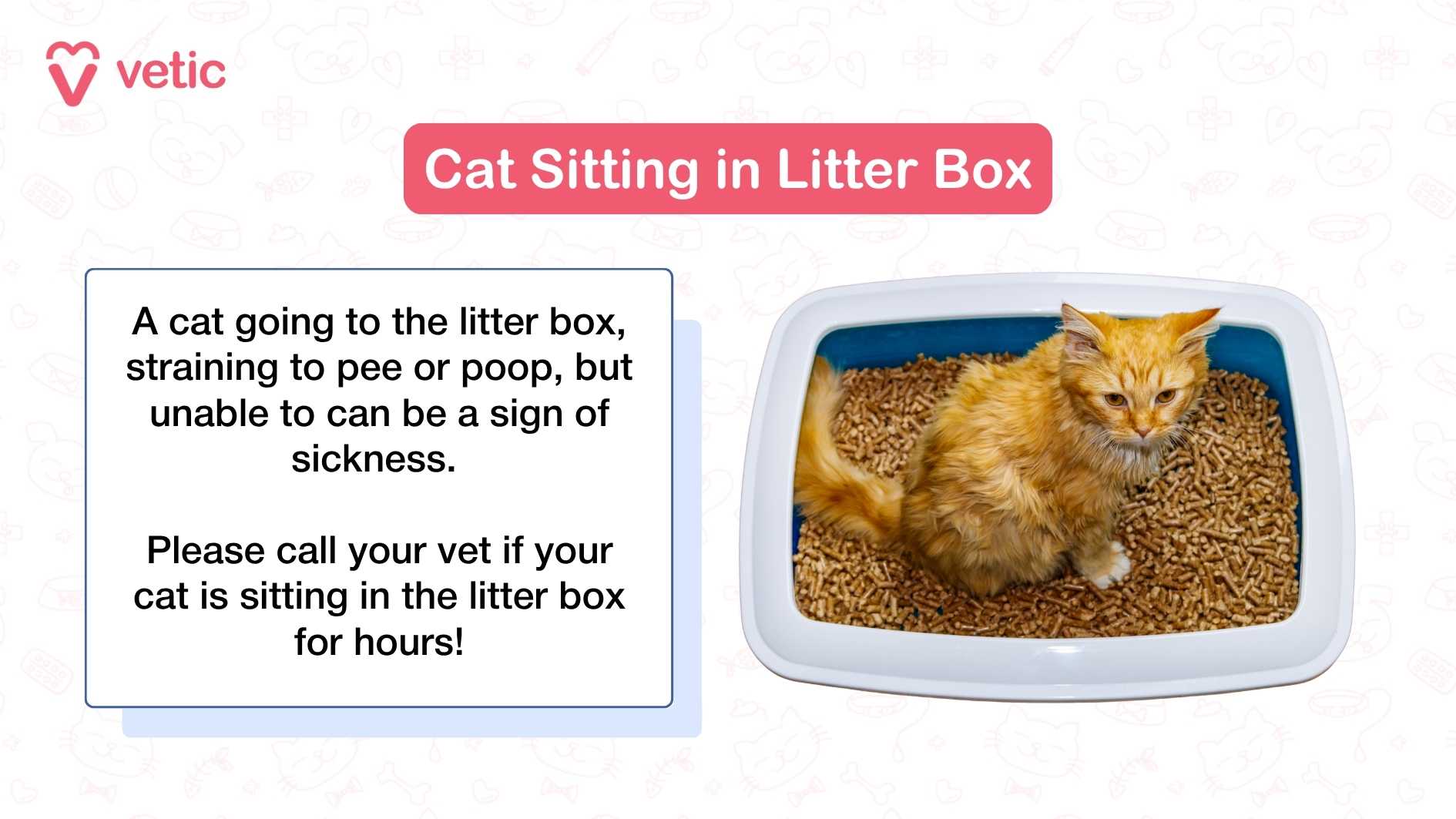
Credit: vetic.in
Choose The Right Litter Box
Choosing the right litter box is crucial to encourage your cat to use it consistently. The right box can make a huge difference in comfort and accessibility for your feline friend. Let’s look at some key factors to consider so you can find the perfect fit for your cat’s needs.
Size And Type
Your cat needs enough room to turn around comfortably in the litter box. A box that’s too small can cause frustration and avoidance. If your cat is large or long-haired, go for a bigger, deeper box to contain the litter and reduce mess.
Think about your cat’s preferences too. Some cats like covered boxes for privacy, while others prefer open ones to avoid feeling trapped. You might need to try both types to see what your cat feels safest using.
Location Matters
Where you place the litter box can make or break your success. Cats want quiet, low-traffic spots where they won’t be startled. Avoid noisy appliances or busy areas like kitchens and hallways.
Have you noticed your cat avoiding the box after you moved it? Cats are creatures of habit and can get confused or stressed by sudden changes in location. Keep the box in a consistent, calm area to help your cat feel secure.
Number Of Boxes
Do you have more than one cat? You may need more than one litter box. A good rule of thumb is one box per cat, plus one extra. This prevents competition and keeps boxes cleaner for longer.
Even if you have just one cat, consider having multiple boxes in different parts of the house. It gives your cat options and reduces the chance of accidents if one box is temporarily unavailable or dirty.
Select The Best Cat Litter
Selecting the right cat litter plays a big role in encouraging your cat to use the litter box. Cats are picky about their bathroom habits. The texture and scent of the litter can make a cat feel comfortable or drive it away.
Choosing the best litter means considering your cat’s preferences and hygiene needs. It also helps keep your home fresh and clean.
Texture And Scent
Cats prefer a soft texture that feels gentle on their paws. Avoid litters that are too rough or dusty. The scent matters too. Many cats dislike strong fragrances. Unscented or lightly scented litters work best. They feel more natural and less irritating.
Clumping Vs Non-clumping
Clumping litter forms solid clumps when wet. This makes cleaning easier and keeps the box fresh longer. Non-clumping litter absorbs urine without forming clumps. It may need more frequent changing. Many cats prefer clumping litter because it keeps the box cleaner and less smelly.
Regular Cleaning
Clean the litter box often. Remove clumps and waste daily. A clean box invites your cat to use it. Wash the box with mild soap weekly. Avoid strong cleaners that leave odors. Regular cleaning keeps your cat happy and healthy.
Create A Comfortable Environment
A calm, quiet space helps cats feel safe using the litter box. Keep the area clean and free from loud noises or busy foot traffic. Comfort encourages regular use and reduces accidents.
Creating a comfortable environment for your cat to use the litter box is essential. If your feline friend doesn’t feel at ease, it might seek other places, like your favorite rug, to do its business. By focusing on the right location and reducing stress, you can create a space where your cat feels safe and comfortable.Quiet And Private Spot
Cats value their privacy, just like humans. Place the litter box in a quiet, low-traffic area of your home. Avoid locations near noisy appliances or busy hallways where your cat might feel exposed. A private spot can make all the difference. Consider spaces like a corner of a rarely used room or a nook in your laundry area. You want your cat to feel they have a secret bathroom of their own.Avoiding Stress Triggers
Stress can deter your cat from using the litter box. Keep the environment calm and free of sudden changes that could upset your cat. Loud noises or new pets can be significant stress triggers. Think about what might be causing anxiety in your home. Is there a loud TV nearby? Or perhaps a curious toddler that’s always too close? Identifying and mitigating these stressors can encourage better litter box habits.Consistent Routine
Cats thrive on consistency. Establish a routine for feeding, playing, and cleaning the litter box. Regular maintenance of the litter box is crucial; a clean box is more inviting than a smelly one. Try scooping the litter box daily and changing the litter every week. This routine not only keeps the box clean but also signals to your cat that this is a reliable spot for their needs. Have you ever noticed how your cat seems to anticipate meals? They can adapt similarly to a consistent litter box routine.Encourage Litter Box Use
Encouraging your cat to use the litter box is key to keeping your home clean and your pet happy. Cats respond well to gentle guidance and clear signals about where to go. Creating a positive experience around the litter box helps build good habits quickly.
Patience and understanding make a big difference. Each cat is unique, so pay attention to their behavior and preferences. Small changes in your approach can lead to better litter box use.
Positive Reinforcement
Reward your cat when it uses the litter box correctly. Praise softly or offer a small treat right after. This helps your cat link the box with good things.
Keep rewards consistent and immediate. Avoid punishment, as it can cause fear and avoidance. Instead, focus on celebrating successes.
Handling Accidents Calmly
Accidents happen. Clean the area thoroughly with an enzyme cleaner to remove smells. This stops your cat from returning to the same spot.
Stay calm and do not yell or punish. Stress can make problems worse. Gently guide your cat back to the litter box after accidents.
Using Attractants
Some cats prefer certain scents or textures in their litter. Use litter box attractants designed to encourage use.
Sprinkle attractant powder or add attractant drops to the litter. This can draw your cat’s attention and interest.
Experiment with different types of litter to find what your cat likes best. Clean and fresh litter boxes invite use.
Address Medical Issues
Addressing medical issues is essential for encouraging your cat to use the litter box. Sometimes, health problems cause cats to avoid their litter box. Identifying and treating these issues improves their comfort and helps restore good bathroom habits. Watch your cat carefully for signs of illness that affect urination.
Signs Of Urinary Problems
Look for these signs that may indicate urinary problems:
- Frequent attempts to urinate with little output
- Straining or crying while peeing
- Blood in the urine or pinkish tint
- Urinating outside the litter box
- Excessive licking of the genital area
- Strong or unusual urine smell
Noticing any of these signs means your cat needs medical attention soon.
Vet Consultation
Schedule a visit to the veterinarian promptly. The vet will perform a physical exam and may run urine tests or blood work. These tests identify infections, stones, or other urinary tract issues. Early diagnosis prevents complications and eases your cat’s discomfort. Share all behavior changes and symptoms with the vet.
Treatment Options
Treatment depends on the diagnosis. Common options include:
- Antibiotics for infections
- Special diets for urinary health
- Medications to reduce inflammation or pain
- Fluid therapy in severe cases
- Surgery for blockages or stones
Follow your vet’s instructions closely. Proper treatment helps your cat return to normal litter box use quickly.

Credit: www.amazon.com
Train Kittens Effectively
Training kittens to use the litter box is easier when started early. It sets good habits that last a lifetime. Patience and consistency play key roles in this process. Kittens learn quickly but need clear guidance. Creating a positive experience helps them feel safe and comfortable.
Early Introduction
Introduce the litter box as soon as kittens come home. Place it in a quiet, accessible spot. Show kittens where it is right after meals and naps. This helps them link the box to their bathroom needs. Use a shallow box for small kittens to enter easily. Keep the litter clean and fresh to encourage use.
Supervision And Guidance
Watch kittens closely during their early days at home. Gently place them in the litter box if they start sniffing or scratching the floor. Avoid punishment for accidents; it can cause fear. Instead, calmly redirect them to the box. Keep the box in the same place to avoid confusion. This helps kittens learn where to go naturally.
Reward System
Use treats and praise to encourage litter box use. Give small rewards immediately after kittens use the box. This builds a connection between good behavior and positive outcomes. Keep rewards simple and consistent to reinforce the habit. Over time, kittens will prefer the box without needing treats.
Troubleshoot Common Problems
Getting your cat to consistently use the litter box can sometimes feel like solving a puzzle. Various issues can cause your cat to avoid the box, but understanding the root causes helps you fix them faster. Let’s look at common problems and how you can troubleshoot them effectively.
Litter Box Aversion
Has your cat suddenly stopped using the litter box? This often points to litter box aversion. Cats might avoid the box if it’s dirty, in a noisy spot, or if the litter type has changed.
Try cleaning the box more often and place it in a quiet, low-traffic area. Some cats prefer unscented, fine-grain litter, so experiment to find what your cat likes. Have you checked if the box size is comfortable for your cat? A cramped or covered box might feel confining.
Marking And Spraying
Marking or spraying is a different behavior than regular peeing and often relates to stress or territorial issues. Intact males are more prone, but females and neutered cats can spray too.
To reduce spraying, keep your cat indoors and provide plenty of attention and playtime to ease anxiety. Cleaning sprayed areas with enzymatic cleaners prevents your cat from returning to the same spot. Could adding pheromone diffusers help calm your cat in stressful situations?
Multi-cat Household Challenges
Multiple cats mean more competition for resources like litter boxes. Insufficient boxes can cause one cat to avoid the shared space and pee elsewhere.
The general rule is one litter box per cat, plus one extra. Spread the boxes across different rooms to give each cat privacy and reduce tension. Watch for any signs of bullying around the boxes—sometimes, the solution is simply adding more boxes in different spots.

Credit: cats-magazine.com
Frequently Asked Questions
How Do I Train My Cat To Use The Litter Box?
Start by placing the box in a quiet area. Use unscented litter and clean the box daily. Reward your cat with treats when it uses the box. Be patient and consistent to build good habits.
Why Is My Cat Avoiding The Litter Box?
Cats may avoid the box due to cleanliness, stress, or health issues. Clean the box regularly and check for medical problems. Provide a calm environment and try different litter types to encourage use.
What Type Of Litter Is Best For Cats?
Unscented, clumping litter is generally preferred by cats. It controls odor and is easy to clean. Avoid scented or dusty litters as they may deter cats from using the box.
How Often Should I Clean The Litter Box?
Clean the litter box daily by scooping waste. Change the litter completely and wash the box weekly. Regular cleaning keeps the box inviting and prevents accidents.
Conclusion
Getting your cat to use the litter box takes patience and care. Keep the box clean and in a quiet place. Use the right type of litter your cat likes. Watch for any signs of health problems. Praise your cat when it uses the box.
Small changes can make a big difference. Stay calm and consistent every day. Soon, your cat will form good habits. A happy cat means a happy home.



Leave a Reply