
Finding the perfect spot for your cat’s litter box in your apartment can be tricky. You want a place that keeps your home smelling fresh, gives your cat privacy, and fits seamlessly into your living space.
But where exactly should you put it? If you’ve been struggling with this question, you’re not alone. You’ll discover simple, practical tips to choose the best location for your cat’s litter box—so both you and your furry friend stay happy and comfortable.
Keep reading to learn how a small change can make a big difference in your daily life.
Choosing Quiet Corners
Choosing quiet corners in your apartment for the cat litter box is key to keeping your feline friend comfortable and your living space fresh. Cats value calm and privacy when they use their litter box, so placing it in a quiet spot helps prevent accidents and stress. Let’s look at how to pick the best corners that meet these needs.
Avoiding High Traffic Areas
Busy spots like near the front door or the kitchen can scare your cat away from their litter box. Noise and constant movement make your pet feel vulnerable, which may cause them to hold it in or find other places to go.
Look for corners that are naturally less traveled. Hallways or small alcoves often work well because they offer a break from the bustle of daily life. Have you noticed your cat avoiding certain rooms? That might be a clue to avoid placing the box there.
Finding Privacy For Your Cat
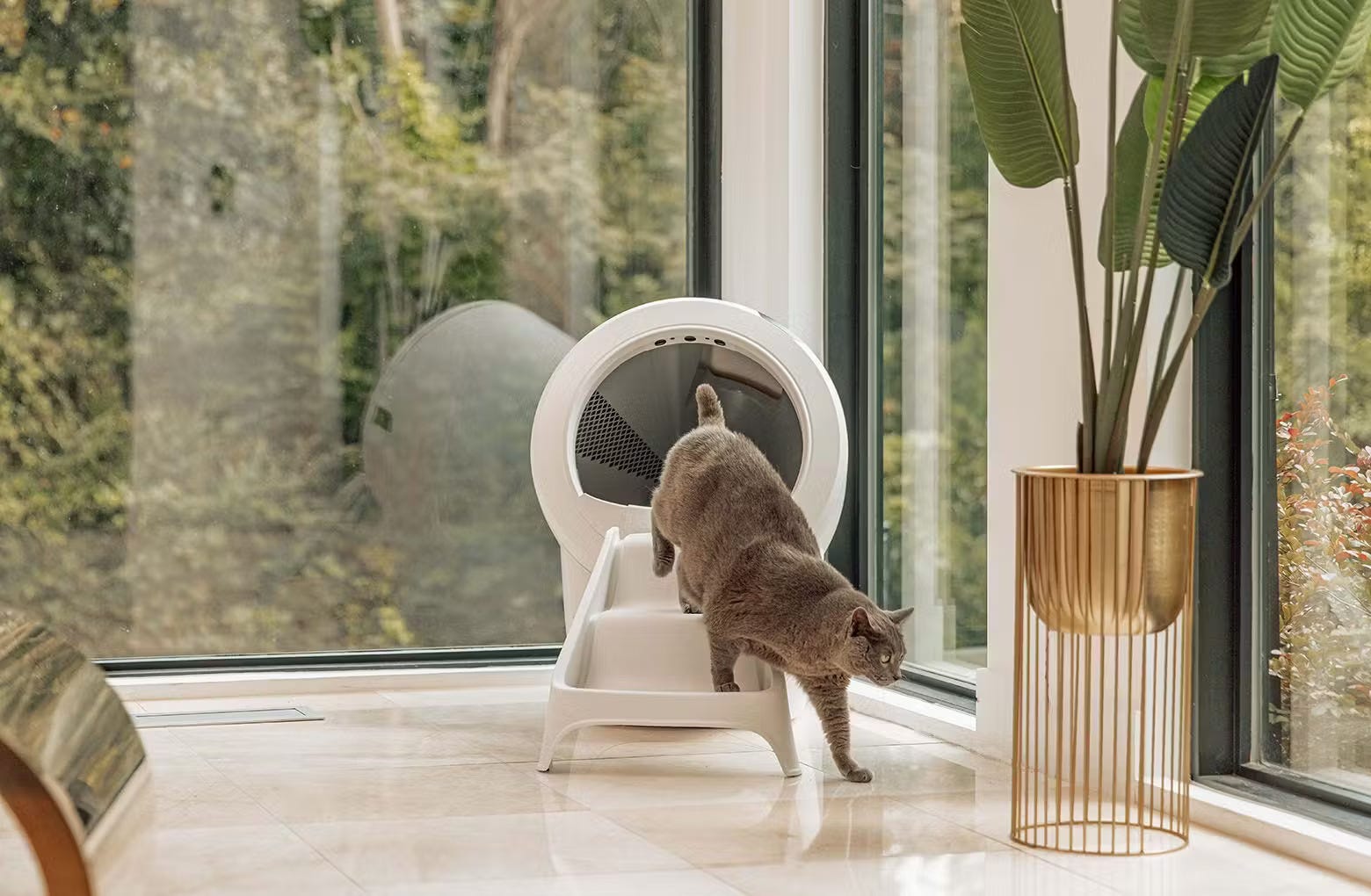
Your cat needs a sense of security when using the litter box, just like you do in a restroom. A quiet corner tucked away from sight can offer this privacy and reduce stress.
Consider placing the box behind furniture or inside a small cabinet with the door slightly open. You can also use room dividers or screens to create a hidden nook. This setup gives your cat a peaceful retreat without making the litter box completely inaccessible.
Credit: www.litter-robot.com
Utilizing Bathroom Space
The bathroom is a popular spot for placing a cat litter box in an apartment. It often offers privacy and easy cleanup. Bathrooms usually have tile or linoleum floors, which handle spills well. The small space can keep the litter box out of sight but still accessible.
Choosing the bathroom can help save space in other rooms. It also keeps odors more contained due to ventilation fans. Many cats feel comfortable using a litter box in a quiet, low-traffic area, making the bathroom ideal.
Pros And Cons Of Bathroom Placement
- Pros:Easy to clean floor, good ventilation, privacy for your cat.
- Cons:Limited space, moisture from showers may affect litter, possible access issues if door is closed.
- Bathroom noises like running water might scare some cats.
- Requires keeping the door slightly open for cat entry.
Keeping The Area Fresh
Use a litter box with a cover to reduce odor. Clean the box daily to prevent smell buildup. Place a small air freshener or odor absorber nearby. Keep the bathroom well-ventilated by using the fan or opening a window.
Consider a mat under the litter box to catch stray litter. Wash the mat regularly to avoid dust and smells. Use unscented litter to avoid irritating your cat’s nose.
Maximizing Closet Areas
Place the cat litter box in a quiet, low-traffic corner to keep it private and reduce odor spread. Utilize closet spaces with good airflow to hide the box while keeping it accessible for your cat.
Maximizing closet areas for a cat litter box is a practical idea. Closets offer privacy and keep the box out of sight. They are often underused spaces in apartments. With a few adjustments, they can become perfect spots for a litter box.Converting Small Closets
Small closets can serve as litter box zones. Measure the closet to ensure the box fits well. Remove items that might block the space. Use shelves to store other belongings above the litter box. This keeps the box accessible and the closet tidy. Install a curtain or lightweight door for privacy. This setup makes the area functional and private for your cat.Ventilation Tips
Good ventilation is essential for closet litter boxes. It prevents odors and ensures fresh air. Install a small fan to improve airflow. Choose a fan with low noise to avoid scaring your cat. Keep the closet door slightly open to allow air circulation. Use odor-absorbing products like charcoal bags. These help keep the area smelling fresh and clean.
Credit: www.litter-robot.com
Setting Up In Living Room
Setting up a cat litter box in the living room requires careful thought. This area is often the heart of the home. Cats need easy access to their litter box without feeling exposed. At the same time, owners want the space to stay clean and inviting. Finding the right spot balances the needs of both pets and people.
Balancing Accessibility And Discretion
Place the litter box where your cat can reach it quickly. Avoid high-traffic spots that may scare your cat. Corners often work well as they offer some privacy. Keep the box away from loud noises and busy walkways. This helps your cat feel safe while using it.
Discretion matters for your living room’s look. Choose a spot that blends with your furniture. This keeps the area tidy and pleasant. Make sure the box is easy to clean and refill. Accessibility for both cat and owner is key.
Using Decorative Screens
Decorative screens help hide the litter box without blocking access. They come in many styles and sizes. Pick one that matches your room decor. Screens also reduce litter scatter and odors.
Place the screen around the box to create a small enclosure. This shields the box from direct view. Your cat can still enter and exit easily. Screens add a stylish touch while keeping the area neat.
Near Windows Or Ventilation
Placing your cat’s litter box near a window or a ventilation source can make a surprising difference in managing odors and maintaining a fresher apartment. Many cat owners overlook this simple choice, yet it can improve both your comfort and your cat’s willingness to use the box. But how do you balance fresh air with your pet’s comfort?
Benefits Of Fresh Air
Fresh air helps reduce unpleasant litter box smells by dispersing odors quickly. This keeps your living space smelling cleaner without relying solely on air fresheners, which might irritate your cat.
Additionally, fresh air can create a more pleasant environment for your cat. Cats often prefer well-ventilated areas because stagnant air can feel stuffy or uncomfortable. Have you noticed your cat hanging out near open windows or vents? It’s a natural preference.
Avoiding Drafts
While fresh air is good, drafts can be a problem. Cold or strong winds blowing directly on your cat while using the litter box can cause discomfort and discourage use.
Place the box where air circulates gently, but isn’t blowing straight on it. You might need to test different spots near windows or vents to find the right balance between airflow and warmth.
Think about your own comfort — would you like to sit in a draft? Your cat feels the same. Ensuring the litter box is protected from harsh drafts helps keep your cat happy and consistent with litter box habits.
Credit: www.petsradar.com
Using Furniture Solutions
Finding the right spot for your cat’s litter box in a small apartment can be tricky. Using furniture solutions not only hides the litter box but also keeps your space tidy and stylish. These options can create a private area for your cat, making the box less obtrusive for you and your guests.
Litter Box Furniture Options
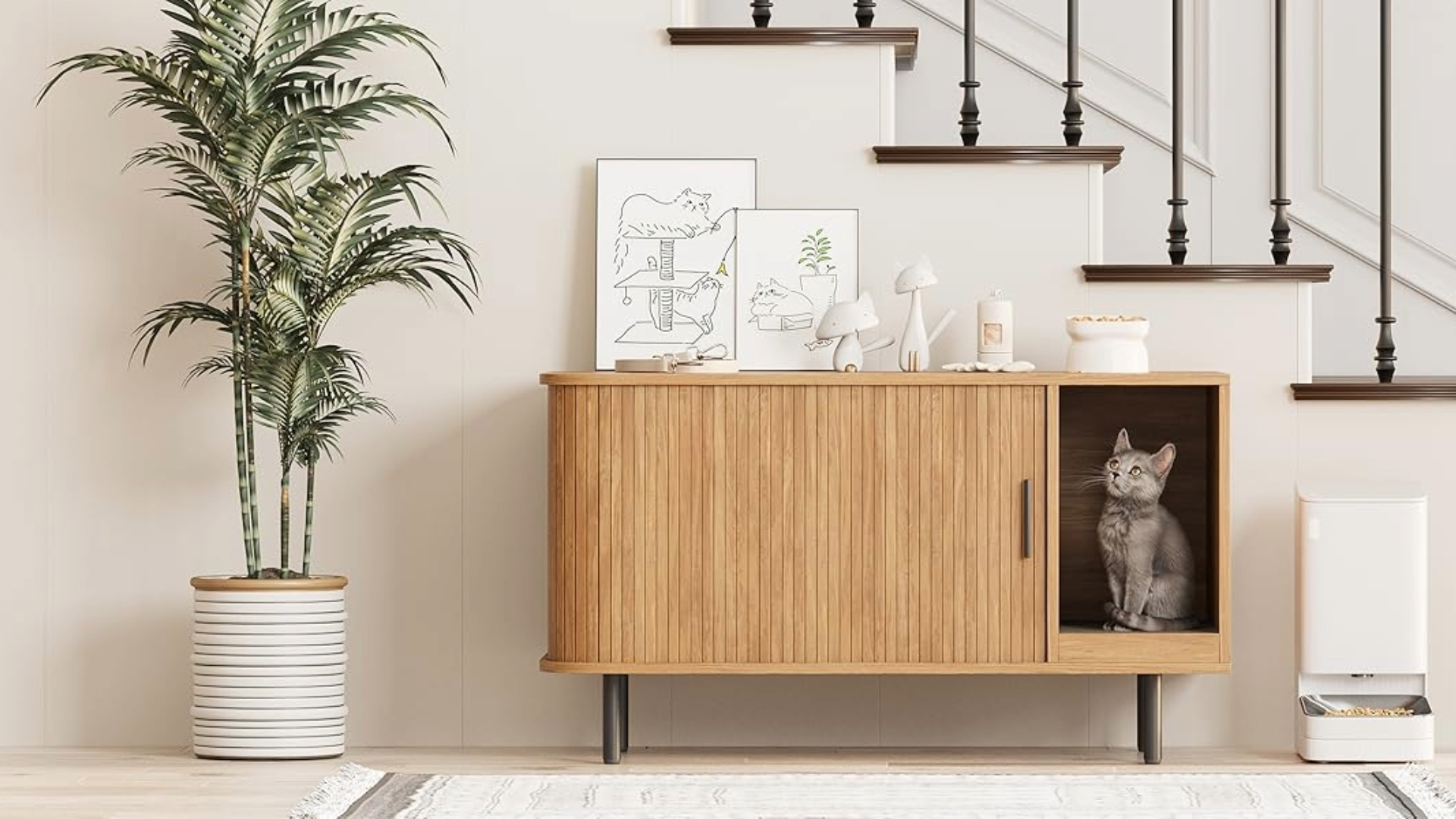
Specially designed litter box furniture offers a blend of function and style. These pieces look like regular cabinets or benches but have openings for your cat to enter and exit easily.
- Enclosed Litter Box Cabinets:These keep odors contained and litter hidden, making them perfect for living rooms or hallways.
- Storage Benches:You can sit on them or store cat supplies inside, saving space.
- End Tables with Hidden Compartments:These double as furniture and litter boxes, blending seamlessly with your décor.
Choosing furniture with easy-to-clean surfaces is key. Your cat will appreciate a cozy, quiet spot, and you’ll enjoy a cleaner, less cluttered home.
Diy Hidden Litter Boxes
If you enjoy hands-on projects, creating a DIY hidden litter box can be rewarding and cost-effective. Using items like old dressers, bookshelves, or wooden crates can transform your cat’s space into something both practical and attractive.
- Cut a cat-sized hole in the side or front for easy access.
- Line the inside with a waterproof mat to protect your furniture.
- Add ventilation holes to reduce odors and keep air fresh.
Have you thought about repurposing a piece of furniture you already own? Sometimes, the best solution is right under your nose. Plus, customizing it means you get exactly the look and functionality you want.
Factors To Avoid
Choosing the right spot for your cat’s litter box in your apartment is more than just convenience. Avoiding certain areas can save you from future headaches and keep your furry friend comfortable. Knowing where not to place the litter box is just as important as finding the perfect spot.
Places With Loud Noises
Cats are sensitive to sudden or loud noises. Placing the litter box near a washing machine, TV, or speakers can make your cat anxious. I once put a litter box next to my apartment’s heating unit, and my cat avoided it because the noise scared her.
Think about noises that happen regularly in your apartment. Is there a vacuum cleaner storage nearby or a busy hallway? Your cat needs a calm space to feel safe while doing their business.
Areas With Poor Airflow
Stale air can cause unpleasant smells to linger and make your cat uncomfortable. A cramped closet or a corner with no windows is not ideal for a litter box. My friend placed her cat’s box in a small bathroom with no ventilation, and the smell quickly became overwhelming for both her and the cat.
Good airflow helps control odors and keeps the space fresh. Look for spots near a window or a vent where air circulates well. Your cat will appreciate a cleaner, fresher environment for their litter box.
Maintaining Cleanliness
Keeping your cat’s litter box clean is crucial not only for your pet’s health but also for maintaining a fresh-smelling apartment. A well-maintained litter area encourages your cat to use the box consistently and reduces unpleasant odors that can quickly spread in small spaces. Simple habits and smart products can make a big difference in how clean and inviting this corner of your home feels.
Regular Cleaning Tips
Cleaning the litter box regularly is essential. Scoop out waste at least once a day to prevent buildup and keep your cat happy. Completely changing the litter and washing the box with mild soap once a week will stop bacteria and stains from forming.
Use warm water and avoid harsh chemicals that might leave a scent your cat dislikes. Placing a mat under the box can catch stray litter, making it easier to clean the surrounding floor. Think about how often you walk by your cat’s space—if you notice litter scattered, it’s time to adjust your cleaning routine or try a different type of litter.
Odor Control Methods
Odor control goes beyond just scooping. Activated charcoal or baking soda placed near the litter box can absorb smells without affecting your cat. Consider using clumping litter with deodorizing properties to lock in odors better.
Ventilation plays a big role too. If possible, position the litter box near a window or in a spot with good air flow to keep the air fresh. Do you notice certain times when odors get worse? This can help you decide when to add fresh litter or clean more thoroughly.
Keeping a small air purifier nearby or using natural odor absorbers like dried lavender can also help without overwhelming your cat’s sensitive nose. Your cat’s comfort and your apartment’s freshness can coexist with just a bit of attention and the right tools.
Frequently Asked Questions
Where Is The Best Spot For A Litter Box In An Apartment?
The best spot is a quiet, low-traffic area with good ventilation. Avoid noisy or busy places to keep your cat comfortable. Bathrooms or laundry rooms often work well if space allows.
How To Hide A Litter Box In A Small Apartment?
Use furniture covers or decorative screens to conceal the litter box. Place it in a corner or under a table. Choose odor-controlling litter to keep the area fresh and discreet.
Can A Litter Box Be Placed Near A Cat’s Food?
No, cats prefer their litter box away from their food. Keep the box in a separate area to avoid stress and maintain hygiene. This setup encourages healthy eating and litter habits.
How Often Should I Clean The Litter Box In An Apartment?
Scoop waste daily and completely change litter weekly. Regular cleaning prevents odors and keeps your cat healthy. A clean box encourages consistent use and reduces apartment smells.
Conclusion
Choosing the right spot for your cat’s litter box matters a lot. Pick a quiet place where your cat feels safe and calm. Make sure it is easy for your cat to reach and clean for you. Avoid busy areas or places with loud noises.
Keep the box away from food and water bowls. Watching your cat’s behavior helps find the best location. A good spot keeps your home fresh and your cat happy. Simple choices make life better for both you and your pet.



Leave a Reply