
Are you tired of that unpleasant smell coming from your cat’s litter box? You’re not alone.
Many cat owners struggle with keeping their homes fresh while caring for their furry friends. The good news is, you don’t have to live with that odor any longer. You’ll discover simple, effective ways to eliminate cat litter box smell for good.
By the end, your home will feel cleaner, and you’ll enjoy spending time with your cat without worrying about the smell. Keep reading to learn how easy it can be to say goodbye to litter box odor once and for all.
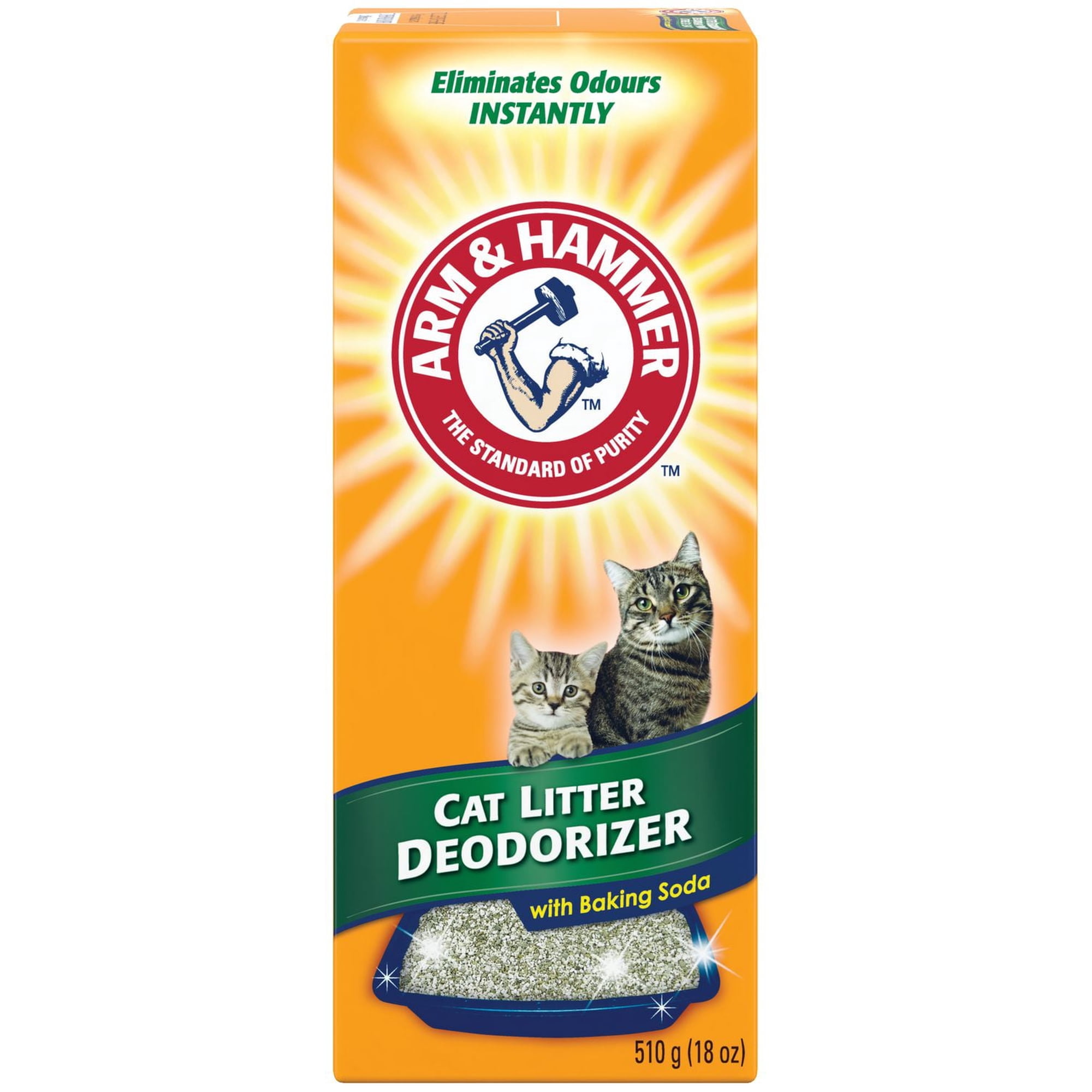
Credit: www.walmart.ca
Causes Of Litter Box Odor
Cat litter box odor comes from several causes. Understanding these causes helps reduce the smell effectively. Knowing where the odor originates makes cleaning easier and more efficient.
Common Sources Of Smell
Urine and feces are the main sources of litter box odor. Bacteria in the waste produce strong smells. Ammonia builds up quickly from urine. Leftover feces can emit a pungent odor. Moisture inside the box also encourages odor.
Impact Of Litter Type
Different litters control odor in various ways. Clumping litter traps moisture and waste better. Non-clumping litter may allow smells to spread. Some litters have added fragrances to mask odors. Natural litters like wood or paper absorb moisture well. Choosing the right litter reduces odor significantly.
Role Of Cleaning Frequency
Cleaning frequency directly affects odor levels. Daily scooping removes waste before smells grow. Full litter changes prevent odor buildup. Neglecting cleaning lets bacteria multiply fast. Regular washing of the box stops odor clinging. Consistent care keeps the litter box fresh.
Choosing The Right Litter
Choosing the right cat litter plays a big role in stopping bad smells. The type of litter affects how well odors are trapped and how easy it is to clean. Picking the right litter helps keep your home fresh and your cat happy.
Clumping Vs Non-clumping
Clumping litter forms solid clumps when wet. It is easy to scoop and remove waste daily. This helps keep the box cleaner and reduces odor quickly.
Non-clumping litter absorbs moisture but does not form clumps. It needs to be changed more often. It may not control smell as well as clumping types.
Natural Vs Synthetic Options
Natural litters use materials like clay, corn, wheat, or wood. They are biodegradable and often gentle on paws. Some natural options absorb smells well but may need frequent changing.
Synthetic litters are made from silica gel or other man-made substances. They often control odor very well by trapping moisture inside. These litters last longer but are not always eco-friendly.
Odor Control Features
Some litters include baking soda or charcoal to fight odors. These ingredients help absorb bad smells better.
Look for litters with added scents or deodorizers if you want a fresh smell. Be careful with strong fragrances, as some cats dislike them.
Choosing a litter with good odor control makes a big difference in keeping the litter box area fresh.
Effective Cleaning Techniques
Keeping your home smelling fresh is essential for cat owners. Effective cleaning techniques can help you eliminate cat litter box odor. Implementing a regular cleaning routine is key. Let’s explore some practical methods to keep your home odor-free.
Daily Maintenance Tips
Daily care is vital for a clean litter box. Scoop waste from the box each day to prevent smells. Dispose of the waste in a sealed bag to contain odors. Keep the litter level consistent to maintain freshness. A clean box encourages your cat to use it regularly.
Deep Cleaning Methods
Deep cleaning should be done once a week for best results. First, empty the entire litter box. Use warm water and mild soap to scrub the box. Avoid strong chemicals that might harm your cat. Rinse and dry thoroughly before refilling with fresh litter. This helps remove lingering odors.
Tools For Easy Cleaning
Having the right tools makes cleaning easier. Use a scoop with small slots to remove clumps efficiently. A dedicated brush for scrubbing is useful for deep cleaning. Consider a litter mat to catch stray litter and keep the area tidy. These tools save time and maintain hygiene.

Credit: www.skoutshonor.com
Additional Odor Control Hacks
Controlling cat litter box odor takes more than just cleaning. Simple tricks help keep your home fresh. These extra hacks work well alongside regular scooping and washing.
Using Baking Soda
Baking soda is a natural odor absorber. Sprinkle a thin layer at the bottom of the litter box before adding litter. It neutralizes bad smells and keeps the area smelling clean longer. Replace the baking soda with each litter change for best results.
Activated Charcoal Benefits
Activated charcoal traps odor molecules effectively. Place a small pouch near the litter box or inside the box if safe. It absorbs moisture and odors without chemicals. This helps reduce lingering smells in the room around the box.
Ventilation And Placement
Good airflow reduces trapped odors. Put the litter box in a well-ventilated spot. Avoid small, closed spaces. Open windows or use a small fan near the box to keep air moving. Proper placement keeps smells from settling in the room.
Litter Box Types And Designs
Choosing the right litter box type and design plays a big role in controlling odor. Different styles offer various benefits for cleanliness and odor control. Picking the best option can make daily maintenance easier and reduce smells around your home.
Covered Vs Open Boxes
Covered litter boxes trap odors better than open ones. The lid keeps smells inside, creating a barrier. Cats that like privacy often prefer covered boxes. Open boxes allow more air flow, which can help reduce moisture buildup. They also make cleaning simpler. Consider your cat’s habits when choosing between covered or open boxes.
Self-cleaning Options
Self-cleaning litter boxes reduce odor by removing waste quickly. These boxes use sensors to detect when your cat has used them. Waste is then scooped into a sealed container. This prevents smells from spreading. They require less daily effort. Self-cleaning boxes work well for busy owners or multiple cats.
Size And Material Considerations
The size of the litter box affects odor control. Bigger boxes give your cat more space to dig and cover waste. This helps reduce smell. Material matters too. Plastic boxes are common but can hold odors if not cleaned well. Some boxes come with antimicrobial coatings to fight bacteria. Choose a size and material that suits your cat and cleaning routine.

Credit: catit.ca
Health And Hygiene Tips
Keeping the cat litter box area clean is essential for both health and hygiene. A fresh environment prevents bad smells and protects your cat and family from germs. Simple habits can make a big difference in maintaining a healthy space around the litter box.
Monitoring Cat’s Health
Watch your cat for signs of illness. Changes in urination or stool often indicate health problems. A sick cat may produce stronger odors. Regular vet check-ups catch issues early. Healthy cats help keep the litter box cleaner.
Preventing Bacterial Growth
Bacteria cause most litter box odors. Scoop waste daily to reduce bacteria. Change litter completely at least once a week. Use a litter box with good ventilation. Place the box in a dry, clean spot to stop bacteria growth.
Safe Cleaning Products
Choose non-toxic cleaners for the litter box. Harsh chemicals can harm your cat. Use mild soap and warm water for cleaning. Vinegar is a natural deodorizer and safe to use. Always rinse well to remove cleaning residues.
Frequently Asked Questions
How Often Should I Clean My Cat’s Litter Box?
Clean the litter box at least once daily to prevent odor buildup. Regular scooping keeps waste from accumulating. Deep clean the box weekly with mild soap and water to maintain freshness. This routine minimizes smells and promotes a healthy environment for your cat.
What Type Of Litter Controls Odor Best?
Clumping clay litter with activated charcoal or baking soda controls odor effectively. These materials absorb moisture and neutralize smells. Some natural litters like corn or walnut also offer good odor control. Choose a litter that suits your cat’s preference and your cleaning routine.
Can Baking Soda Eliminate Cat Litter Odor?
Yes, baking soda is a natural deodorizer that reduces litter box smells. Sprinkle a thin layer under the litter to absorb odors. It’s safe for cats and enhances freshness. Avoid overusing it as excessive amounts might irritate sensitive cats.
Why Does My Cat’s Litter Box Still Smell?
Persistent odor may result from infrequent cleaning, poor ventilation, or wrong litter choice. Deep clean the box regularly and ensure good airflow in the area. Consider switching to an odor-controlling litter. Also, check your cat’s health as some illnesses cause strong urine smell.
Conclusion
Keeping your cat’s litter box fresh is possible with small daily steps. Clean the box often to stop odors early. Use good litter that controls smell well. Place the box in a well-ventilated spot. Baking soda helps absorb bad smells quickly.
Remember, a fresh litter box means a happier cat. Try these tips and enjoy a cleaner, fresher home today. Simple actions make a big difference in odor control.



Leave a Reply