
If you’ve ever struggled with your cat avoiding the litter box, you know how frustrating it can be. You want your home to stay clean, and your furry friend to feel comfortable.
But how do you encourage your cat to pee right where they’re supposed to? You’ll discover simple, effective tips to help your cat use the litter box every time. By understanding what your cat needs and making a few easy changes, you can solve this problem quickly and keep both you and your cat happy.
Keep reading to find out how!

Credit: www.amazon.com
Choose The Right Litter Box
Choosing the right litter box is key to helping your cat use it regularly. The right box makes your cat feel safe and comfortable. Cats prefer boxes that fit their size and habits. Understanding size and type options ensures your cat can enter and move easily. The number of boxes needed also impacts your cat’s willingness to use them. A well-chosen litter box encourages good habits and reduces accidents.
Size And Type Options
Pick a litter box large enough for your cat to turn around comfortably. Small boxes can make cats avoid using them. Taller sides help keep litter inside and offer privacy. Open boxes allow easy access but may cause litter scatter. Covered boxes give privacy but can trap odors. Some cats prefer sifting or self-cleaning boxes for cleanliness. Consider your cat’s age and mobility when choosing the box type.
Number Of Boxes Needed
Provide enough litter boxes to prevent competition or stress. The general rule is one box per cat plus one extra. For example, two cats need three boxes. Place boxes in quiet, separate areas to encourage use. Avoid putting boxes near food or water bowls. Multiple boxes reduce accidents and keep cats happy. Clean boxes regularly to maintain a fresh environment.
Pick The Best Litter
Choosing the right litter plays a big role in encouraging your cat to pee in the litter box. The litter must feel comfortable and smell pleasant to your cat. Cats are picky about their bathroom habits. The wrong litter can make them avoid the box altogether.
Finding the best litter means understanding your cat’s preferences. Some cats like soft, fine textures while others prefer coarse grains. The scent also matters. Cats prefer mild or unscented litter. Strong smells can scare them away.
Texture And Scent Preferences
Cats have sensitive paws. They prefer litter that feels natural and soft. Clay-based litters with fine grains are popular. Some cats like crystal or wood-based litters too.
- Soft texture helps cats feel safe and comfortable.
- Unscented or lightly scented litter is best.
- Strong fragrances can cause refusal to use the box.
- Try small amounts of different litters to see what your cat likes.
Clumping Vs Non-clumping
Clumping litter forms solid clumps when wet. It makes cleaning easier and keeps the box fresh. Cats often prefer this type because it feels cleaner.
Non-clumping litter absorbs moisture but does not form clumps. It needs more frequent changing. Some cats like the texture better, especially if they dislike clumping litter.
| Type | Benefits | Considerations |
|---|---|---|
| Clumping | Easy to clean, controls odor well | May stick to paws, dusty |
| Non-Clumping | Less dusty, softer texture | Needs frequent changing, odor control less effective |
Set Up The Litter Box Area
Choose a quiet, low-traffic spot for the litter box to help your cat feel safe. Keep the area clean and easy to access to encourage use.
Setting up the litter box area is crucial for encouraging your cat to use it consistently. This space should feel safe, comfortable, and inviting. By paying attention to the location and accessibility, you can create an environment that your cat will naturally gravitate towards.Quiet And Private Spot
Cats appreciate solitude when they need to relieve themselves, much like we do. Choose a quiet and private spot in your home where your cat can feel secure. Avoid high-traffic areas or noisy spots like next to the washing machine or in a busy hallway. Think about what makes your cat comfortable. If you have ever walked into a room and found your cat nestled in a corner or behind a piece of furniture, this is a clue. Such secluded spots can be ideal for placing the litter box.Easy Access For Your Cat
Ease of access is another important factor. Ensure your cat can easily reach the litter box without jumping over obstacles or navigating tight spaces. This is especially important for kittens and older cats who might have mobility issues. Consider the height of the litter box as well. A box with lower sides can be easier for your cat to get in and out of, making it more inviting. Also, if your home has multiple floors, consider placing a litter box on each level. Reflect on your own experiences. Have you ever noticed your cat struggling to reach certain places? If so, adjusting the litter box placement could make all the difference.Maintain Cleanliness
Maintaining cleanliness is vital to encourage your cat to use the litter box. Cats prefer a fresh, clean spot for their bathroom needs. A dirty box can deter them and cause accidents outside the box. Cleanliness keeps odors away and creates a pleasant environment for your cat. Simple habits can make a big difference in your cat’s litter box use.
Regular Scooping
Scoop the litter box at least once daily. Remove clumps and waste to keep the box tidy. This stops bad smells and prevents litter from piling up. Cats dislike stepping into dirty litter. Regular scooping shows your cat the box is clean and ready to use. It also helps keep the litter fresh longer. Use a good scoop with holes to separate clean litter from waste easily.
Complete Litter Changes
Change all the litter completely once a week or more. Empty the box and wash it with mild soap and warm water. Avoid strong chemicals that can repel cats. Dry the box well before adding new litter. Fresh litter feels more inviting and reduces odors. Changing litter fully prevents bacteria buildup. Keep the box in a quiet, low-traffic area to help your cat feel safe.
Encourage Your Cat To Use The Box
Getting your cat to use the litter box consistently can be a challenge, but encouraging this behavior is key to maintaining a clean and happy home. Cats respond well to gentle guidance and positive experiences related to their litter box. You can make the box a place your cat wants to use by understanding what motivates them and creating an inviting environment.
Positive Reinforcement
Reward your cat immediately after they use the litter box. This can be a small treat, gentle petting, or soothing praise. Cats quickly associate the reward with the behavior, making them more likely to repeat it.
Try to catch the moment your cat uses the box and offer your reward right away. Consistency is crucial—reward every time, especially during training or re-training phases. Avoid punishing accidents, as this can create fear and confusion.
Use Of Attractants
Cat-specific litter attractants can guide your pet to the box. These products contain scents that appeal to cats’ natural instincts. Sprinkle a small amount in the litter to make the spot more appealing.
Another option is to use unscented, clumping litter, which many cats prefer. Keep the box clean and placed in a quiet, low-traffic area to make it more inviting. Have you noticed how your cat reacts to different litter types or scents? Observing these reactions can help you choose the best attractant.
Address Common Issues
Sometimes cats avoid their litter box due to underlying issues. Addressing common problems helps guide your cat back to good habits. Understanding these causes can make a big difference. Focus on both health and behavior to improve litter box use.
Medical Problems
Health issues often cause a cat to avoid the litter box. Urinary tract infections are common and painful. Cats may associate the box with pain and stop using it. Kidney disease or bladder stones also cause discomfort. A vet checkup is necessary to rule out these problems.
Watch for signs like frequent urination, blood in urine, or straining. Treating medical issues quickly restores normal litter box habits. Keep water fresh and encourage hydration to support urinary health.
Stress And Behavioral Causes
Stress can make cats stop using their litter boxes. Changes in the home, like new pets or people, can upset them. Loud noises or moving furniture may also cause stress. Cats are sensitive to their environment and need a calm space.
Behavioral problems may develop if the litter box is dirty or hard to reach. Cats prefer a clean, quiet, and accessible spot. Using the wrong litter type can also discourage use.
- Clean the litter box daily
- Place it in a quiet area
- Try different types of litter
- Provide multiple boxes if you have many cats
Patience and observation help identify stress triggers. Reducing stress encourages your cat to return to the litter box habits.
Use Training Techniques
Training your cat to use the litter box consistently takes patience and the right approach. Using effective training techniques can make a big difference in guiding your cat toward good bathroom habits. Let’s focus on practical steps that help your cat understand where and when to go.
Placement And Timing
Choosing the right spot for the litter box is crucial. Cats prefer quiet, private areas away from their food and water bowls. Have you noticed your cat’s favorite hiding spots? Placing the box nearby can encourage use.
Timing also matters. After meals or naps, cats usually feel the urge to go. Try placing your cat in the litter box during these times. This simple habit can create a clear connection between the need to pee and the box itself.
Reward Systems
Positive reinforcement works wonders. When your cat uses the litter box, immediately offer a treat or gentle praise. This helps your cat associate the behavior with something pleasant.
Keep rewards consistent and timely. Avoid punishment if accidents happen—this can confuse or scare your cat. Instead, focus on celebrating successes, even small ones, to build confidence and good habits.

Credit: www.embracepetinsurance.com
When To Seek Veterinary Help
Knowing when to seek veterinary help is key for your cat’s health. Some problems with litter box use point to medical issues. Ignoring these signs can make your cat suffer. Early action can prevent serious health problems.
Signs Of Urinary Tract Issues
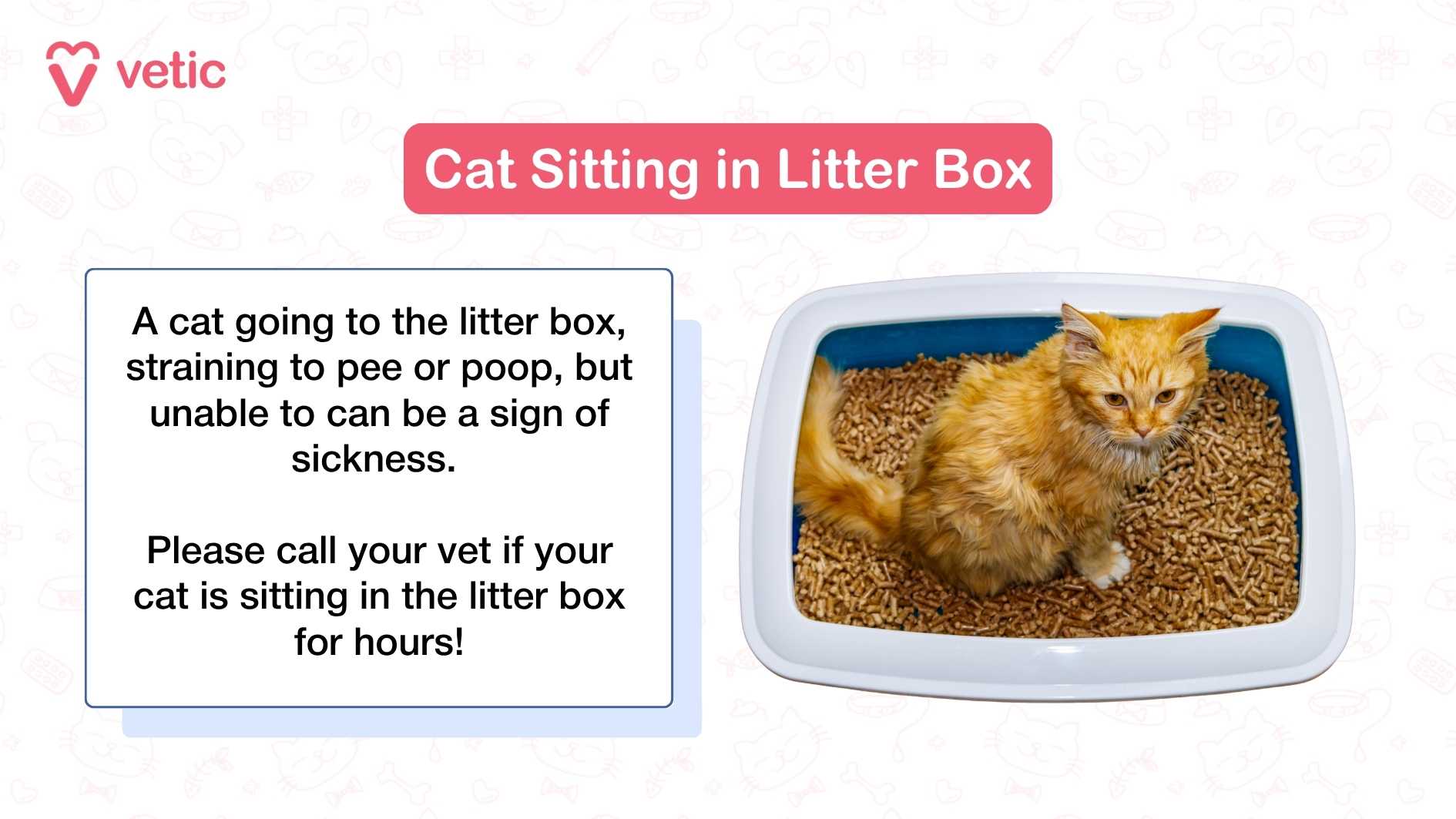
Watch for signs like frequent attempts to urinate but little output. Blood in the urine is a serious warning. Your cat may cry or show pain while peeing. Strong smell or cloudy urine can indicate infection. Licking the genital area more than usual also signals trouble.
Persistent Avoidance Of Litter Box
Sometimes cats avoid the litter box due to stress or illness. If your cat stops using the box for days, see a vet. This behavior can hide bladder infections or stones. Sudden changes in litter habits need quick attention. The vet will check for pain or blockages causing this.
Credit: vetic.in
Frequently Asked Questions
How To Encourage A Cat To Use The Litter Box?
Place the litter box in a quiet, accessible spot. Keep it clean by scooping daily. Use unscented, clumping litter. Reward your cat with treats when it uses the box. Avoid loud noises or disturbances near the box.
Why Is My Cat Not Peeing In The Litter Box?
Cats may avoid the litter box due to stress, illness, or dirty litter. Check for urinary tract infections or other health issues. Clean the box regularly and try different litter types. Provide multiple boxes in multi-cat households.
What Type Of Litter Helps Cats Pee In The Box?
Unscented, clumping litter is best for most cats. It absorbs moisture well and controls odor. Avoid scented or dusty litters that may repel sensitive cats. Experiment to find the litter your cat prefers.
How Often Should I Clean The Cat’s Litter Box?
Scoop waste daily to keep the box fresh. Completely change the litter and wash the box weekly. Cleanliness encourages cats to consistently use the litter box and prevents accidents.
Conclusion
Helping your cat use the litter box takes patience and care. Keep the box clean and in a quiet spot. Use the right kind of litter your cat likes. Praise your cat when it uses the box correctly. Watch for signs of discomfort or health issues.
Small steps lead to big success. A happy cat means a happy home. Stay calm and consistent to see results. Your effort will pay off in time.



Leave a Reply