
Have you ever found your cat peeing outside the litter box and wondered why? It’s frustrating, confusing, and can even make you worry about your furry friend’s health.
But don’t worry—you’re not alone, and there are clear reasons behind this behavior. Understanding why your cat avoids the litter box can help you fix the problem quickly. You’ll discover the common causes and easy solutions to get your cat back on track.
Keep reading to learn how to make your home clean again and keep your cat happy.
Common Reasons Cats Pee Outside Litter Box
Understanding why your cat pees outside the litter box can save you a lot of frustration. Cats usually stick to their litter box, so when they don’t, it’s a sign something is wrong. Let’s look at the common reasons behind this behavior, so you can tackle the problem effectively.
Medical Issues
Health problems are often the first thing to consider if your cat suddenly starts peeing outside the box. Urinary tract infections, bladder stones, or kidney issues can make it painful for your cat to use the litter box. Ignoring these symptoms can lead to more serious health risks, so a vet visit is essential.
Stress And Anxiety
Have you noticed any changes in your cat’s routine or environment? Cats are sensitive creatures and stress can cause them to urinate in unusual places. This could be due to new pets, visitors, loud noises, or even changes in your schedule. Try to identify stress triggers and create a calm space for your cat.
Litter Box Problems
Your cat might be avoiding the litter box because of its condition. Dirty litter, the wrong type of litter, or a box that is too small or hard to access can all be deal breakers. Make sure to scoop the box daily, use a litter your cat prefers, and place the box in a quiet, accessible spot.
Territorial Marking
Cats sometimes pee outside the litter box to mark their territory, especially if there are other cats nearby. This behavior is more common in unneutered males but can happen with any cat feeling threatened. If this sounds like your cat, neutering or spaying and providing enough resources for all cats can help reduce marking.
Changes In Environment
Moving to a new home or rearranging furniture can confuse your cat. Cats rely on familiar surroundings, and sudden changes can disrupt their bathroom habits. Give your cat time to adjust and consider adding extra litter boxes in different rooms during transitions.

Credit: www.reddit.com
Identifying Medical Causes
When a cat urinates outside the litter box, medical issues often play a key role. Identifying these health problems helps protect your cat’s well-being. Some illnesses cause pain, discomfort, or frequent urination. These symptoms may lead cats to avoid their litter boxes.
Early detection is crucial for treatment. Watch for changes in behavior, urination habits, or appetite. A vet visit is necessary to diagnose these medical causes accurately.
Urinary Tract Infections
Urinary tract infections (UTIs) are common in cats. They cause pain and a burning sensation during urination. Cats with UTIs may urinate more often or strain to pee.
UTIs can lead to accidents outside the litter box. Cats may associate pain with the box and avoid it. Antibiotics usually cure UTIs quickly with proper care.
Kidney Problems
Kidney problems affect many older cats. These issues reduce kidney function and cause increased thirst. Cats with kidney disease may urinate more frequently.
The frequent urination can confuse cats, leading to accidents. Kidney problems require vet diagnosis and ongoing treatment. Early care improves quality of life for affected cats.
Diabetes And Other Illnesses
Diabetes causes high blood sugar and increased thirst. Cats with diabetes often urinate excessively. They might not make it to the litter box every time.
Other illnesses like bladder stones or arthritis also affect urination. Pain or discomfort can stop cats from using their boxes. Identifying these illnesses helps provide proper treatment fast.
Behavioral Triggers
Cats may pee outside the litter box due to stress or changes in their environment. Certain behaviors, like marking territory, can also trigger this action. Understanding these triggers helps in solving the problem effectively.
Behavioral triggers are often at the heart of why cats might choose to pee outside the litter box. Understanding these triggers can help you address the problem effectively. Cats are sensitive creatures, and even small changes in their environment can lead to stress or discomfort.Stress From New Pets Or Family Members
Introducing a new pet or family member can be a significant stressor for your cat. They might feel threatened or anxious, leading them to mark their territory inappropriately. When my sister moved in with her dog, my cat began peeing in the hallway. It was her way of expressing unease and adjusting to the new dynamic. Consider creating a safe space for your cat away from newcomers. Gradual introductions and positive reinforcement can help ease the transition. Has your cat experienced any recent household changes?Litter Box Aversion
Cats can develop aversion to their litter boxes for various reasons. It could be the type of litter, the cleanliness of the box, or even its location. If you recently switched to a scented litter, your cat might not appreciate the fragrance. Ensure the litter box is clean and placed in a quiet, accessible area. Experiment with different types of litter to find one your cat prefers. What changes have you made to your litter box setup recently?Attention-seeking Behavior
Sometimes, cats might pee outside the litter box simply to get your attention. If they feel neglected or want more interaction, this behavior can be a cry for help. When I started working longer hours, my cat began using the living room carpet as her bathroom. She needed more playtime and reassurance. Spend quality time with your cat each day, engaging in play and cuddles. This can help alleviate feelings of neglect and reduce unwanted behavior. How much time do you dedicate to bonding with your cat daily?Litter Box Setup Tips
Setting up the litter box correctly can make a huge difference in preventing your cat from peeing outside it. Many cats are very particular about their bathroom habits, and slight changes in their litter box environment can cause them to avoid it. Let’s look at some practical tips to create a welcoming and comfortable spot for your cat’s needs.
Choosing The Right Litter
Your cat’s preference for litter can be surprisingly specific. Some cats prefer fine-grain clumping litter, while others like a coarser texture. If your cat suddenly starts avoiding the box, consider switching to unscented, dust-free litter to reduce irritation.
Have you noticed if your cat reacts negatively to strong scents or types of litter? Trying different varieties can help you find the one that feels most natural to your cat.
Box Size And Number
Size matters when it comes to litter boxes. A box that’s too small can make your cat uncomfortable, leading them to go elsewhere. Ideally, the box should be at least one and a half times the length of your cat from nose to tail.
Also, having enough boxes is crucial—especially if you have multiple cats. The general rule is one litter box per cat, plus one extra. This setup can reduce territorial issues and make your cat feel secure.
Cleaning Frequency
Cleanliness is key to encouraging your cat to use their litter box consistently. Scooping waste daily and changing the litter completely every week keeps the box fresh and inviting.
If you neglect this, your cat may start looking for cleaner spots. Have you ever walked into a bathroom that wasn’t cleaned for days? Your cat feels the same way about their litter box.
Quick Fixes For Litter Box Issues
Dealing with a cat that pees outside the litter box can be frustrating. However, many issues can be solved quickly with simple changes around the litter box. These quick fixes often prevent bigger problems and help your cat get back to good habits fast.
Adjusting Litter Type
Your cat’s preference for litter texture and smell matters more than you might think. Some cats dislike strong scents or rough textures, which can push them away from the box.
Try switching to unscented, clumping litter if you haven’t already. You can also test different materials like paper-based or natural clumping litter to see what your cat prefers. Have you noticed your cat avoiding the box after changing litter brands? That’s a clear sign to try something new.
Increasing Box Accessibility
Think about how easy it is for your cat to reach the litter box. If it’s tucked away in a hard-to-find spot or behind obstacles, your cat might avoid it out of frustration.
Place the box in a quiet, low-traffic area with clear access. If your cat is older or has mobility issues, consider a box with lower sides or multiple boxes in different rooms. How often do you check if your cat can easily get to the box, especially after rearranging furniture?
Reducing Stress Factors
Stress plays a huge role in litter box problems. Changes in the household, new pets, or loud noises can make your cat anxious enough to pee elsewhere.
Identify and minimize these stressors. Create safe spaces with cozy beds and hiding spots. Sometimes, adding pheromone diffusers or calming sprays near the litter box can help your cat feel more secure. What small changes could you make today to calm your cat’s environment?
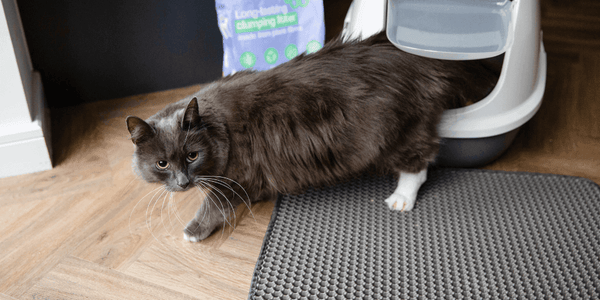
Credit: www.tippaws.com
When To See A Vet
Noticing your cat peeing outside the litter box can be frustrating and puzzling. Sometimes, it’s more than just a behavioral quirk—it could signal a health problem. Knowing when to see a vet is crucial to catch any serious issues early and ensure your cat stays happy and healthy.
Symptoms To Watch For
Keep an eye on how often your cat is urinating and where. If your cat strains to pee, cries out in pain, or produces only small amounts, these are red flags. Blood in the urine or a strong, unusual odor can also indicate a medical condition.
Changes in your cat’s behavior, like increased licking of the genital area, hiding more than usual, or signs of distress, should not be ignored. If your cat suddenly stops eating or becomes lethargic, it’s time to act quickly. These symptoms often point to urinary tract infections, bladder stones, or other serious conditions.
Preparing For The Vet Visit
Before you go, try to collect a fresh urine sample if possible—your vet will appreciate this. Write down when you first noticed the problem, any changes in your cat’s routine, diet, or environment. This information helps the vet identify potential causes faster.
Bring a list of any medications or supplements your cat is taking. Stay calm and gentle during the visit; your cat can pick up on your emotions, which might make the exam easier. Remember, early diagnosis can prevent bigger problems and help your cat get back to normal sooner.
Preventing Future Accidents
Preventing future accidents is key to keeping your home clean and your cat happy. Cats thrive on routine and calm surroundings. Sudden changes can cause stress, leading to accidents outside the litter box.
Creating a stable environment helps your cat feel safe and secure. Positive actions encourage good habits. Regular health checks catch issues before they cause problems.
Routine And Environment Stability
Keep feeding, playtime, and litter box cleaning on a regular schedule. Cats like predictability. Place the litter box in a quiet, low-traffic area. Avoid moving it often. Keep the litter clean and fresh. Use the same type of litter your cat prefers.
Positive Reinforcement
Reward your cat with gentle praise or treats when it uses the litter box. Avoid punishment; it can increase anxiety and worsen behavior. Use calm tones and soft petting. Encourage your cat to use the box with toys or special spots nearby.
Regular Health Checks
Take your cat to the vet for routine exams. Urinary tract infections or other health problems can cause accidents. Early detection helps prevent repeated issues. Watch for signs like frequent urination or discomfort. Address any health concerns quickly.
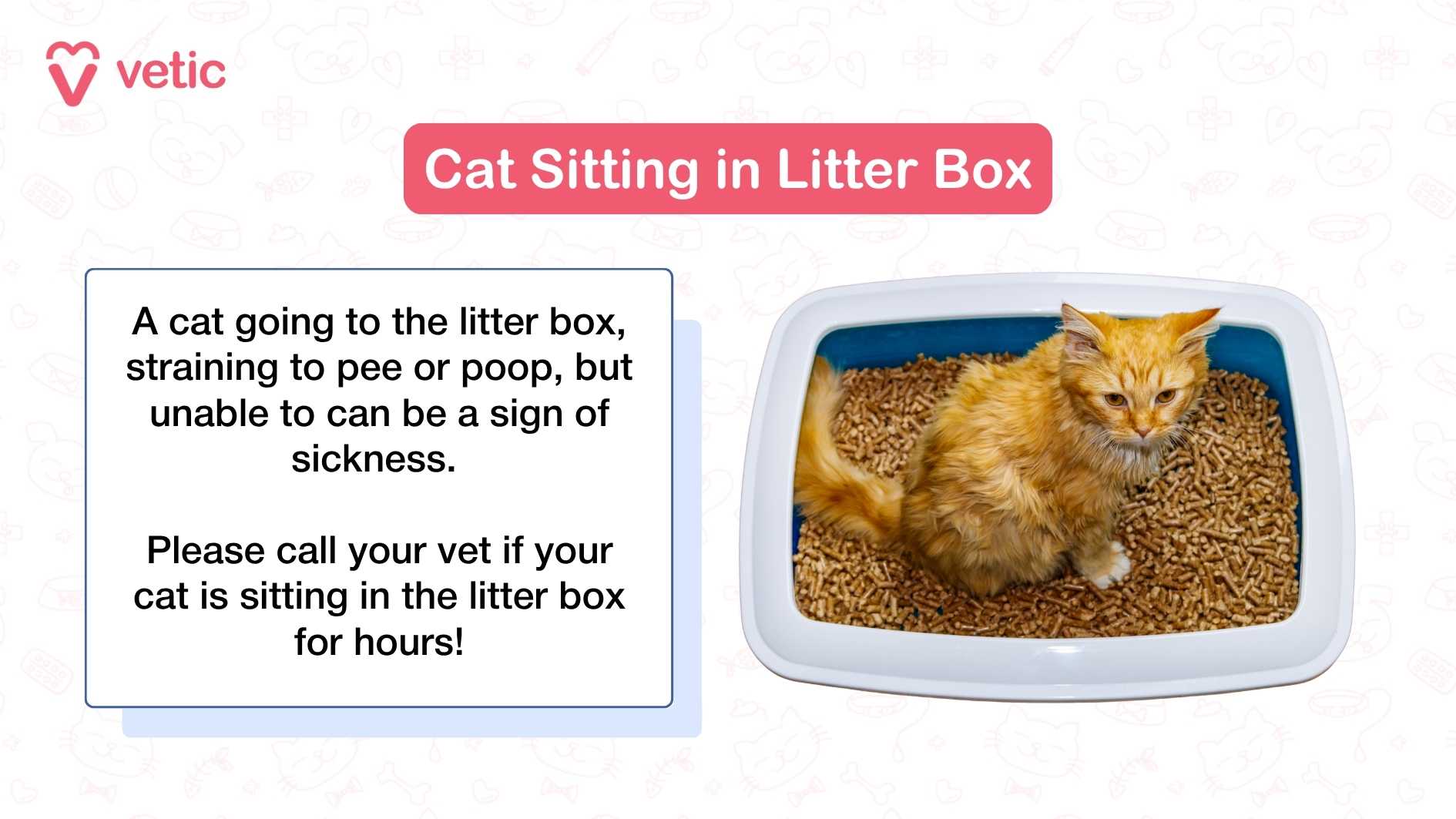
Credit: vetic.in
Frequently Asked Questions
Why Does My Cat Pee Outside The Litter Box?
Cats may pee outside due to stress, illness, or litter box issues. Changes in environment or dirty litter can cause avoidance. Medical problems like urinary tract infections also lead to inappropriate urination. Identifying the cause helps solve the behavior effectively.
Can Health Problems Cause Cats To Urinate Outside?
Yes, health issues like urinary tract infections or bladder stones cause cats to urinate outside. Pain or discomfort makes them avoid the litter box. A vet checkup is essential to rule out medical conditions.
How Can Litter Box Problems Lead To Peeing Outside?
Cats dislike dirty or smelly litter boxes. Wrong box size, location, or type of litter can discourage use. Regular cleaning and proper placement improve litter box appeal and reduce accidents.
Does Stress Make Cats Pee Outside The Litter Box?
Stress from new pets, moving, or changes in routine can cause cats to urinate outside. Stress affects their behavior and litter box habits. Creating a calm environment helps reduce stress-related accidents.
Conclusion
Cats peeing outside the litter box can have many causes. Stress, health problems, or a dirty box often lead to this behavior. Understanding your cat’s needs helps solve the problem. Keep the litter box clean and check for medical issues.
Give your cat a quiet, safe space to reduce stress. Patience and care make a big difference. Watch your cat closely and act quickly. This helps keep your home clean and your cat happy. Small changes bring better habits and peace for both.




Leave a Reply