If you’re a cat owner, you know how important a clean litter box is for your furry friend’s happiness and health. But how often should you really change your cat’s litter box?
It’s a question many pet parents wonder about. Getting it right can save you from unpleasant odors, keep your cat comfortable, and even prevent health issues. You’ll discover simple, effective tips that make litter box care easy and stress-free. Keep reading to find out exactly when and how to change your cat’s litter box to keep both you and your pet happy.

Credit: www.purina.com
Factors Affecting Litter Box Cleaning Frequency
Knowing how often to change your cat’s litter box depends on several important factors. Each cat and household is unique, so cleaning frequency can vary. Understanding these factors helps you maintain a fresh and healthy environment for your feline friend.
Number Of Cats
The more cats you have, the faster the litter box gets dirty. A single cat might only need the box cleaned every few days, but multiple cats can mean daily cleaning is necessary. Have you noticed how quickly your box fills up when you have more than one cat? It’s a clear sign to clean more often.
Type Of Litter
Not all litters absorb moisture or control odor equally. Clumping litters make scooping easier and can extend cleaning intervals. Non-clumping or natural litters might require more frequent changes to prevent smells. Choosing the right litter affects how often you have to scoop or replace it entirely.
Cat’s Health
Health issues like urinary tract infections or diarrhea can cause more frequent accidents or stronger odors. When your cat is sick, you may need to clean the litter box more often to keep things sanitary. Pay attention to any changes in your cat’s bathroom habits—they can tell you when to adjust your cleaning routine.
Box Size And Type
Smaller boxes fill up faster and might need cleaning more frequently than larger ones. Covered boxes can trap odors but also require more regular cleaning to avoid buildup inside. If your cat prefers an open box, you might find odors dissipate quicker, allowing for a slightly longer cleaning schedule.
Daily Maintenance Tips
Keeping your cat’s litter box clean on a daily basis is essential for both your cat’s health and your home’s freshness. Regular maintenance prevents odors and encourages your cat to use the box consistently. Here are practical tips that fit easily into your daily routine.
Scooping Frequency
How often you scoop depends on the number of cats and the type of litter you use. Ideally, scoop the litter box at least once a day to remove clumps and waste. If you have multiple cats, consider scooping twice daily to keep the box inviting.
I once noticed my cat avoiding the litter box, and it turned out I wasn’t scooping often enough. After increasing the scooping frequency, she happily returned. It shows how small changes can make a big difference.
Spot Cleaning
Besides scooping, check for any spots where waste might have stuck to the sides or bottom of the box. Use a damp cloth or paper towel to wipe these areas daily. This keeps the box hygienic and prevents lingering smells.
Spot cleaning also helps you spot any potential health issues early. For instance, unusual urine color or consistency can be a sign to consult your vet.
Keeping The Area Clean
Don’t forget the space around the litter box. Sweep or vacuum scattered litter and mop any accidental spills regularly. A clean area reduces odors and keeps your home smelling fresh.
Consider placing a mat under the box to catch stray litter. It makes cleanup easier and keeps your floors spotless. Have you noticed how a tidy area improves your cat’s litter box habits?
Weekly And Monthly Cleaning
Keeping your cat’s litter box clean is essential not only for your cat’s health but also for maintaining a fresh-smelling home. While daily scooping is important, weekly and monthly cleaning routines dive deeper into hygiene and upkeep. These tasks help prevent bacteria buildup and make sure your cat stays comfortable using the litter box.
Full Litter Replacement
Once a week, it’s a good practice to completely replace the litter. This resets the environment and removes any lingering odors or bacteria that scooping alone can’t handle. If you notice your cat avoiding the box or if the litter starts to smell despite regular scooping, it’s a clear sign to do a full change.
Try to choose a time when your cat is distracted or resting elsewhere to avoid stress. After dumping out the old litter, wipe the box clean before adding fresh litter. This simple step refreshes the entire setup and keeps your cat happy.
Washing The Litter Box
Monthly, give the litter box a thorough wash with warm water and mild soap. Avoid harsh chemicals as their strong scents can deter your cat from using the box. Rinse well to remove all soap residue, which might irritate your cat’s paws or nose.
Washing the box also lets you spot any buildup in corners or scratches where bacteria can hide. If you have multiple cats, consider washing boxes more often to keep up with the extra use. Have you ever noticed your cat sniffing around the box suspiciously? A clean box often resolves this behavior.
Checking For Wear And Tear
Every time you clean the litter box, take a moment to inspect it for cracks, deep scratches, or warping. These flaws can trap bacteria and odors, making the box less sanitary and unpleasant for your cat. A worn-out box may also leak, creating a mess on your floor.
If you spot damage, it’s time to replace the box. Don’t wait until your cat refuses to use it or your cleaning efforts become ineffective. Think about how often you’ve replaced other pet supplies—litter boxes deserve the same attention to keep your cat comfortable and healthy.

Credit: perfectpetzzz.com
Signs Your Cat Needs A Cleaner Litter Box
A strong odor or cats avoiding the box often signals it needs cleaning. Frequent scooping and regular full changes keep your cat healthy and happy. Watch for messy litter or your cat scratching outside the box as signs it’s time to refresh.
Cats are particular about their hygiene. A dirty litter box can be problematic for them. Recognizing the signs of a dirty litter box is crucial for your cat’s well-being. This section will delve into key indicators that your cat’s litter box needs a change.Behavioral Changes
Cats may act differently if their litter box is dirty. They might seem restless or more vocal. Watch for increased aggression or hiding. These changes can signal discomfort. A clean litter box can improve their mood.Odor Issues
A smelly litter box is a clear sign of neglect. Strong odors indicate it’s time for a change. Cat urine and feces produce strong smells. Regular cleaning prevents these odors. It keeps your home smelling fresh. A fresher environment benefits both you and your cat.Litter Box Avoidance
Cats may avoid a dirty litter box entirely. They might start using other areas as toilets. This behavior is a plea for cleanliness. Ignoring this can lead to bad habits. Ensure the litter box is appealing. Clean it regularly to encourage use.Choosing The Right Litter For Easy Maintenance
Choosing the right litter plays a huge role in how often you’ll need to change your cat’s litter box. The right type makes cleaning quicker and less messy, while the wrong one can mean more frequent changes and unpleasant odors. Think about what fits your lifestyle and your cat’s preferences to keep maintenance easy and stress-free.
Clumping Vs Non-clumping
Clumping litter forms solid clumps when wet, making it simple to scoop out urine and feces daily. This means you can refresh the box without a full change every time, saving effort and extending the litter’s life.
Non-clumping litter absorbs moisture but doesn’t form clumps, so the entire box usually needs changing more often. It can feel like more work, but some cats prefer its texture. Have you noticed your cat avoiding the box with clumping litter?
Scented Vs Unscented
Scented litter masks odors, but the added fragrances can irritate sensitive cats or those with allergies. Unscented litter lets you control smells through regular cleaning without adding chemicals your cat might dislike.
If your cat seems hesitant or avoids the box, consider switching to unscented. Sometimes, less is more when it comes to keeping your feline friend comfortable and the litter box inviting.
Eco-friendly Options
Eco-friendly litters are made from materials like corn, wheat, or recycled paper, breaking down naturally and reducing waste. They often last longer and can be composted, making them a good choice for environmentally conscious owners.
While some eco-friendly litters clump well, others don’t, so check what works best for you. Have you tried any green litters? You might be surprised how easy they are to maintain and how your cat reacts to them.
Tips For Multiple Cat Households
Managing litter boxes in a home with multiple cats can be tricky. Each cat has unique habits and preferences, which means a one-size-fits-all approach rarely works. To keep your cats happy and your home fresh, you need smart strategies tailored to your furry family.
Number Of Boxes Needed
A good rule to follow is having one litter box per cat, plus one extra. So, if you have three cats, aim for four boxes. This reduces territorial disputes and gives each cat a clean, accessible spot.
Some cats are picky and won’t use a box if it smells like another cat. Have you noticed your cat avoiding a box after another cat uses it? That’s a clear sign you need more boxes.
Placement Strategies
Where you put the litter boxes matters a lot. Spread them out across different rooms or corners to give each cat privacy and reduce stress.
Try avoiding noisy or high-traffic areas. Cats prefer quiet, calm spaces to do their business. Think about your home layout—are there spots where your cats already like to hang out? Those might be perfect places.
Cleaning Schedules
With multiple cats, daily scooping is a must to keep odors and mess under control. Even if some cats seem less sensitive, others can get stressed by a dirty box.
Set a cleaning schedule that fits your routine. For instance, scoop every morning and evening, and do a full litter change weekly. You’ll notice your cats using their boxes more comfortably—and your home will smell fresher.
Tools And Products To Simplify Cleaning
Keeping your cat’s litter box clean can feel like a chore. Using the right tools and products makes this task quicker and easier. These items help maintain freshness and hygiene for your cat.
Choosing effective cleaning tools reduces odors and mess. It also saves time and effort. Here are some popular options to consider.
Scoops And Liners
Scoops help remove waste quickly and easily. Look for scoops with fine mesh to catch small clumps. This keeps the litter box cleaner longer.
Liners fit inside the box and prevent litter from sticking. They make emptying the box less messy. Some liners are disposable, while others can be washed and reused.
Deodorizers
Deodorizers reduce bad smells and keep the litter box fresh. They come in powders, sprays, or crystals. Sprinkle or spray them on clean litter for best results.
Choose deodorizers that are safe for cats. Avoid strong scents that might bother your pet or cause allergies.
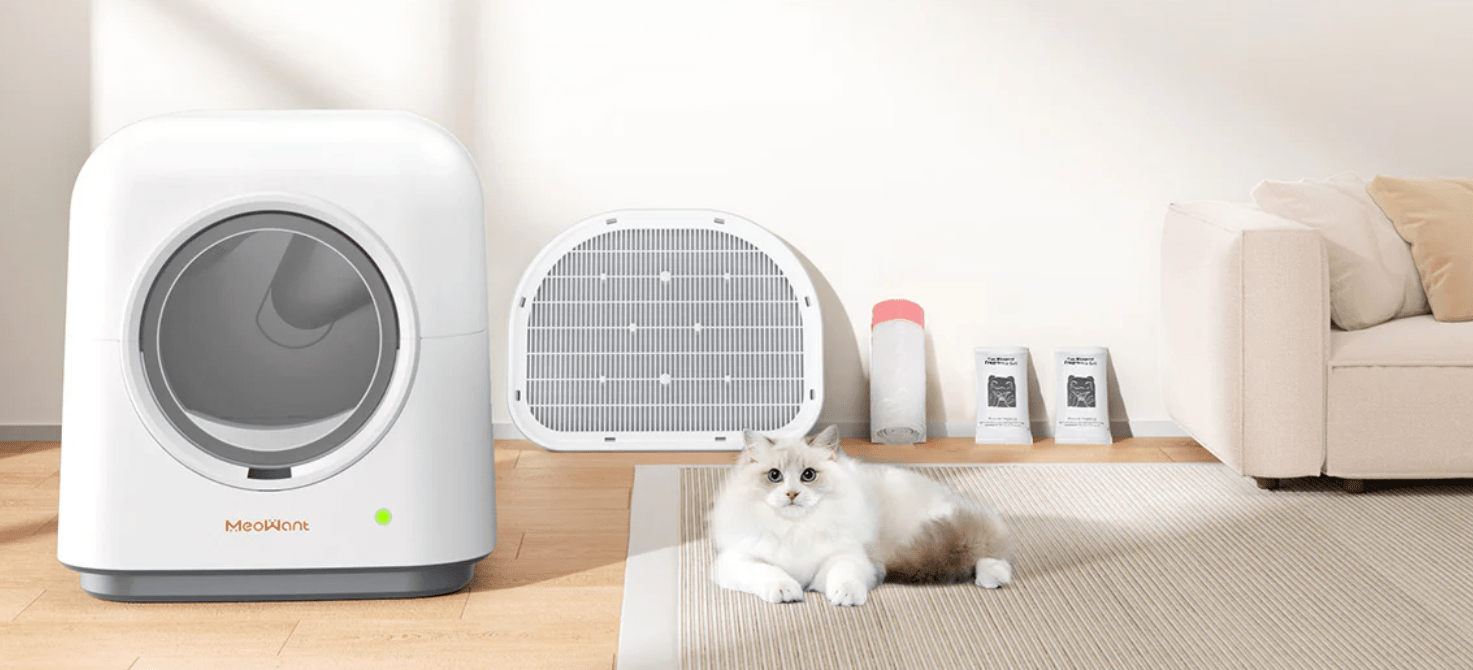
Automatic Litter Boxes
Automatic litter boxes clean themselves after your cat uses them. Sensors detect when your cat leaves, then the box rakes or sifts waste into a sealed compartment.
These devices reduce daily scooping and control odors well. They require electricity and regular maintenance but save time overall.
Credit: meowant.com
Frequently Asked Questions
How Often Should I Scoop My Cat’s Litter Box?
You should scoop your cat’s litter box daily. This keeps the box clean and controls odors. Regular scooping also encourages your cat to use the box consistently and prevents bacteria buildup.
When Is It Necessary To Completely Change Cat Litter?
Completely change the cat litter every 1 to 2 weeks. This prevents odor, bacteria growth, and keeps your cat comfortable. Frequent total changes depend on the number of cats and the litter type.
How Frequently Should I Clean The Litter Box Itself?
Clean the litter box with soap and water every 2 to 4 weeks. This removes residue and prevents odors. Avoid harsh chemicals that could deter your cat from using the box.
Can Infrequent Litter Changes Cause Health Issues?
Yes, infrequent litter changes can cause infections and respiratory problems. Dirty litter boxes harbor bacteria and parasites, risking your cat’s health. Maintaining cleanliness supports your cat’s well-being and comfort.
Conclusion
Changing your cat’s litter box regularly keeps your home fresh and clean. It helps prevent bad smells and keeps your cat happy. A good routine means scooping daily and replacing all the litter weekly or biweekly. Watch your cat’s habits for signs to adjust cleaning times.
Clean litter boxes also reduce health risks for your pet. A little effort goes a long way in caring for your cat. Keep it simple, stay consistent, and enjoy a happier cat and home.




Leave a Reply