If your cat is peeing outside the litter box, you’re probably feeling frustrated and worried. You might wonder why your furry friend suddenly changed their behavior.
Understanding the reasons behind this can help you fix the problem quickly and keep your home clean. You’ll discover the most common causes of this issue and practical steps you can take to stop it. Keep reading to find out how to make your cat comfortable and get back to a happy, stress-free home.
Common Reasons Cats Miss Litter Box
Cats usually use their litter box without trouble. Sometimes, they start peeing outside it. This can be frustrating for owners. Understanding why cats miss the litter box helps solve the problem. Several common reasons explain this behavior. Knowing these can guide you to the right solution quickly.
Medical Issues
Health problems often cause cats to avoid the litter box. Urinary tract infections make peeing painful. Arthritis can make it hard to enter or exit the box. Kidney disease or diabetes increase urination frequency. Always check with a vet first. Treating medical issues often stops the accidents.
Stress And Anxiety
Cats feel stress from changes in their environment. Moving to a new home or new pets can upset them. Loud noises or new people cause anxiety. Stress can lead to litter box avoidance. Providing a calm and safe space helps reduce stress. Regular play and affection also comfort anxious cats.
Litter Box Problems
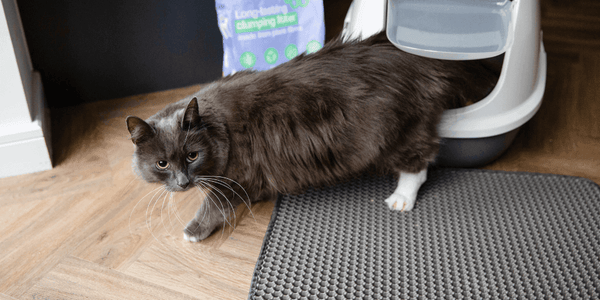
The litter box itself can cause issues. Cats dislike dirty or smelly boxes. Some prefer a certain type of litter texture. Boxes placed in noisy or hard-to-reach areas discourage use. Too few boxes for multiple cats cause conflicts. Clean boxes daily and place them in quiet spots.
Territorial Marking
Cats mark territory to feel secure. Unneutered males often spray urine around. New cats in the home trigger marking behavior. Stress from other animals outside can cause marking. This is different from regular peeing. Neutering and reducing stress can reduce marking.
Credit: www.tippaws.com
Signs To Watch For
Noticing your cat peeing outside the litter box can be frustrating. Spotting early signs helps address the issue faster. Pay attention to subtle changes in your cat’s behavior and physical state. These clues often point to the root cause of the problem.
Behavioral Changes
Your cat may act differently if something is wrong. Watch for signs like:
- Avoiding the litter box
- Increased restlessness or anxiety
- Sudden aggression or hiding
- Excessive grooming around the genital area
Behavior shifts often signal stress, illness, or discomfort.
Frequency And Location
Notice how often and where your cat pees outside the box. Key points include:
- Repeated accidents in the same spot
- Urination near doors, corners, or furniture
- Changes in litter box use frequency
These patterns reveal if your cat avoids the box or marks territory.
Physical Symptoms
Check your cat’s body for signs of health problems. Look for:
- Straining or crying while urinating
- Blood in urine or on fur
- Frequent licking of the urinary area
- Lethargy or loss of appetite
Physical symptoms often point to infections or urinary tract issues.
Immediate Steps To Take
Check your cat’s health with a vet to rule out medical problems. Clean the litter box regularly and place it in a quiet, accessible spot. Watch for stress or changes in the home that might upset your cat.
Immediate action is key when a cat pees outside the litter box. Understanding the root cause helps, but quick steps can prevent further issues. Addressing the problem promptly ensures a happy cat and a clean home.Clean Soiled Areas Thoroughly
Begin by cleaning the soiled areas immediately. Use an enzymatic cleaner. This removes the smell completely. Regular cleaners might not work. Cats can smell even faint odors. If they detect the smell, they may pee there again. So ensure the area is fresh and clean.Increase Litter Box Accessibility
Make the litter box easy to reach. Cats prefer a quiet, private spot. Ensure it’s not near loud appliances. If you have multiple floors, consider a litter box on each. A clean and accessible litter box encourages proper use. Change the litter often to keep it fresh.Monitor Cat’s Health
Health issues might cause inappropriate peeing. Watch for signs of distress or discomfort. A visit to the vet can rule out medical problems. Urinary tract infections are common in cats. Early detection keeps your cat healthy and happy. Regular vet check-ups are crucial.
Credit: www.youtube.com
Long-term Solutions
Long-term solutions help stop cats from peeing outside the litter box. These solutions focus on the root causes. They improve your cat’s health and comfort. They create a better environment for your cat. Consistency and patience are key to success.
Vet Checkups And Treatments
Regular vet visits catch health issues early. Urinary tract infections and bladder problems cause accidents. Your vet can prescribe medicine or special diets. Some conditions need long-term care. Treating health problems often stops unwanted peeing.
Reducing Stress Triggers
Stress makes cats pee outside the box. Changes in home, new pets, or loud noises cause stress. Keep a calm, quiet space for your cat. Use pheromone sprays or diffusers to relax them. Playtime and attention reduce anxiety. A happy cat uses the litter box more.
Litter Box Maintenance Tips
Clean the litter box daily. Cats prefer a clean, fresh area. Use unscented, clumping litter for easy cleaning. Provide enough boxes—one per cat plus one extra. Place boxes in quiet, accessible spots. Avoid strong cleaners that leave smells. Proper maintenance encourages good litter habits.
Preventing Future Accidents
Preventing future accidents is key to keeping your home clean and your cat happy. Understanding your cat’s needs helps stop unwanted peeing outside the litter box. Small changes can make a big difference. Focus on the right litter, the number of litter boxes, and a stable environment.
Choosing The Right Litter
Pick litter that your cat likes. Some cats prefer fine, clumping litter. Others like unscented or natural types. Avoid strong smells or dusty litters. Keep the litter clean by scooping daily. Fresh litter encourages your cat to use the box.
Setting Up Multiple Litter Boxes
Provide enough litter boxes in different rooms. A good rule is one box per cat plus one extra. Place boxes in quiet, easy-to-reach spots. Avoid noisy or busy areas. Multiple boxes reduce stress and accidents. Your cat will feel more comfortable and safe.
Routine And Environment Stability
Keep feeding and cleaning times regular. Cats like routine and feel safer with it. Avoid moving the litter box often. Keep the same brand of litter if possible. Reduce loud noises and sudden changes in the home. A calm space helps your cat relax and use the box.

Credit: www.reddit.com
Frequently Asked Questions
Why Is My Cat Peeing Outside The Litter Box?
Cats often pee outside the box due to stress, illness, or litter box issues. Medical problems like urinary tract infections are common causes. Stress from changes in environment or dirty litter boxes can also lead to this behavior. Identifying the cause helps in finding the right solution.
Can Health Problems Cause Cats To Avoid Litter Boxes?
Yes, health issues like urinary tract infections and bladder stones can cause cats to avoid the litter box. Pain or discomfort during urination makes cats seek other places to pee. A vet checkup is essential to rule out medical problems if this behavior starts suddenly.
How Does Litter Box Cleanliness Affect Cat Urination?
Cats prefer a clean litter box. Dirty boxes can repel them and cause peeing outside. Scoop waste daily and change litter regularly to maintain freshness. Cleanliness reduces odors and encourages cats to use the box consistently.
Can Stress Make Cats Pee Outside Their Litter Box?
Stress is a common cause of inappropriate urination in cats. Changes like moving, new pets, or loud noises can upset them. Stress triggers marking behavior or avoidance of the litter box. Reducing stress and providing a calm environment helps prevent this issue.
Conclusion
Cats pee outside the litter box for many reasons. Stress, health issues, or a dirty box can cause this behavior. Watch your cat closely to spot any changes. Keep the litter box clean and in a quiet place. Visit a vet to rule out medical problems.
Patience and care help your cat feel safe. Understanding your cat’s needs improves their habits. Small changes can bring big results. Your cat will thank you with better behavior.



Leave a Reply