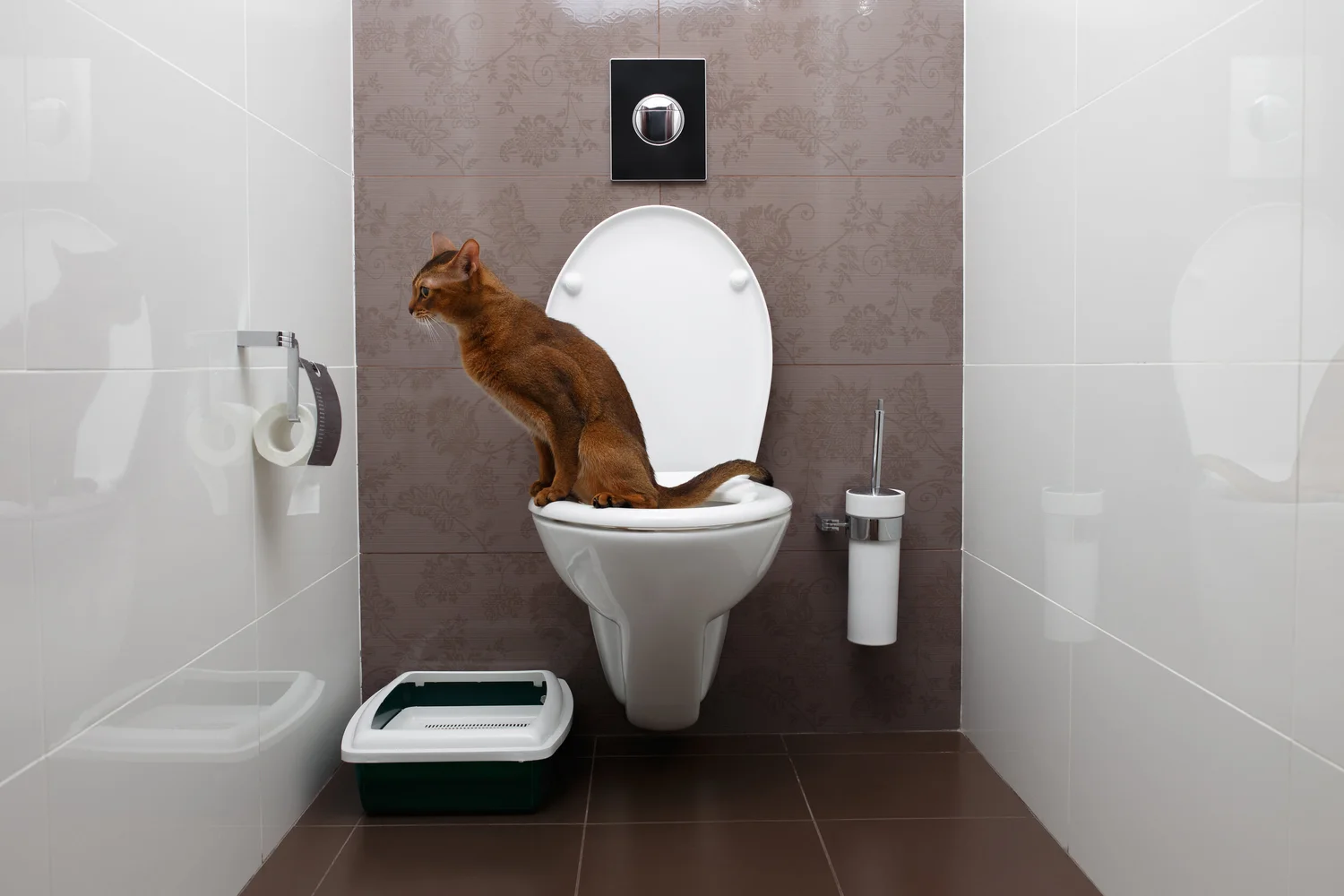
Are you wondering if cats are easy to potty train? If you’ve ever struggled with litter box issues or dream of a cleaner home, you’re not alone.
Potty training your cat can feel like a puzzle, but it doesn’t have to be frustrating. Imagine having a pet that knows exactly where to go, saving you time and stress. You’ll discover simple tips and secrets to make potty training your cat easier than you thought.
Keep reading, and you’ll learn how to turn this challenge into a smooth, rewarding experience for both you and your furry friend.
Credit: www.whiskas.com.ph
Cat Potty Training Basics
Potty training a cat involves understanding their natural instincts and providing the right environment. Cats usually adapt quickly to using a litter box. Knowing the basics helps make the process smooth for both you and your pet.
Natural Cat Behavior
Cats bury their waste to hide their scent from predators. This instinct helps keep their area clean and safe. They prefer a quiet, private spot to do their business. Understanding this behavior guides how you set up their toilet area.
Litter Box Essentials
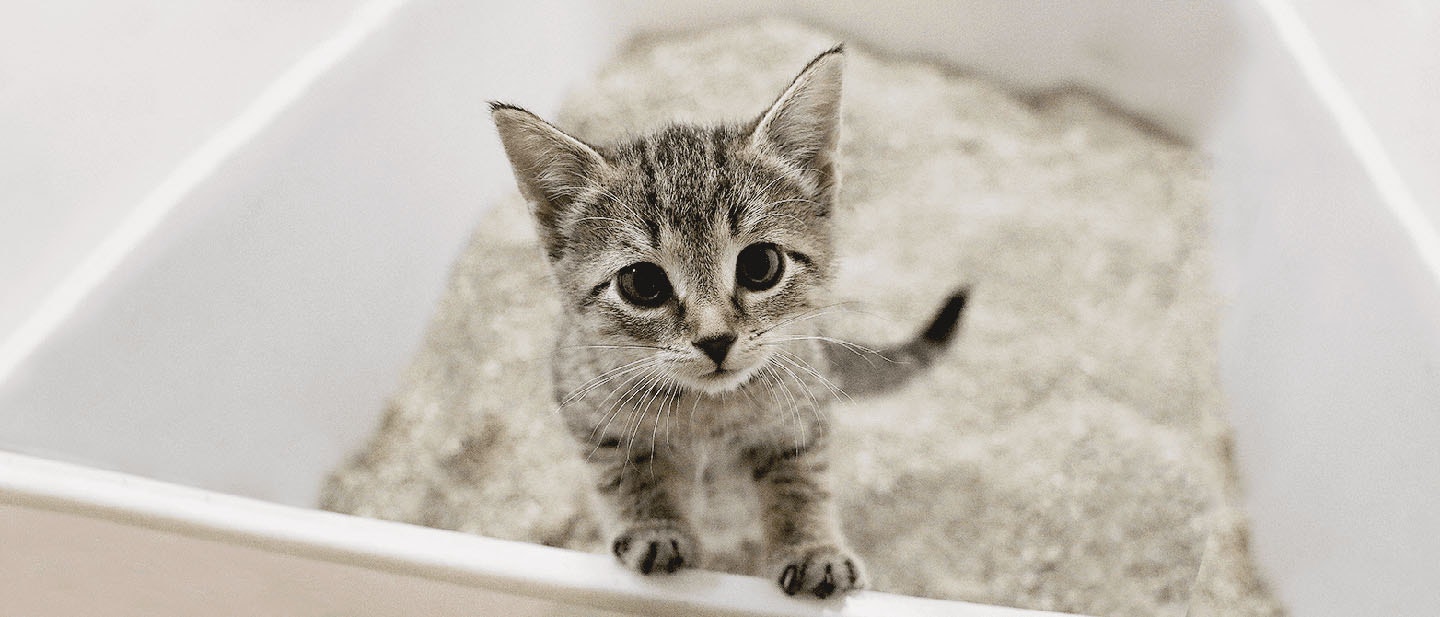
Choose a litter box that is easy for your cat to enter and exit. Keep the box clean by scooping waste daily. Use unscented litter with a soft texture that mimics soil or sand. Avoid strong smells, as cats dislike them.
Choosing The Right Location
Place the litter box in a quiet, low-traffic area. Avoid spots near noisy appliances or busy rooms. Ensure the box is easily accessible at all times. If you have multiple cats, provide one box per cat plus one extra.
Common Challenges
Potty training cats can be tricky. Many owners face common challenges that slow down progress. Understanding these hurdles helps in managing expectations. It also guides better training strategies.
Avoiding Accidents
Accidents happen during training. Cats might urinate outside the litter box. This can cause frustration for owners. Clean accidents quickly to remove odors. Use litter boxes that are easy to access. Keep boxes clean to encourage use. Place boxes in quiet, low-traffic areas. Watch for signs that your cat needs the box.
Dealing With Resistance
Some cats resist training at first. They may ignore the litter box or hide. Stress and fear often cause this behavior. Use gentle encouragement instead of punishment. Give your cat time to adjust. Positive reinforcement helps build trust. Try different types of litter or boxes. Experiment with box placement to find what your cat prefers.
Health Issues Impacting Training
Health problems can affect a cat’s bathroom habits. Urinary tract infections are common culprits. Other issues include bladder stones and constipation. Watch for signs like frequent urination or blood in urine. Visit a vet if accidents increase suddenly. Treating health issues improves training success. Keep a routine for feeding and cleaning. Healthy cats learn faster and make fewer mistakes.
Effective Training Techniques
Cats usually learn to use the litter box quickly with simple, consistent training. Patience and gentle guidance help them understand where to go. Clear routines and positive reinforcement make potty training easier for most cats.
Effective potty training techniques can make life with your cat easier. Cats are intelligent creatures and can learn quickly with the right approach. Let’s explore key techniques that can help in potty training your feline friend.Positive Reinforcement
Reward good behavior with treats or affection. It reinforces the desired action. Praise your cat immediately after it uses the litter box. This will help your cat associate the litter box with positive experiences. Use a gentle tone to show approval. Consistency in rewards leads to better results.Consistent Routine
Establish a regular schedule for feeding and bathroom breaks. Cats thrive on routine. Ensure the litter box is clean and accessible at all times. A dirty box can discourage use. Place the litter box in a quiet, private area. This helps your cat feel secure and focused.Using Training Aids
Training aids can support the potty training process. Consider using a litter box attractant. It can draw your cat to the box. Some cats respond well to different litter textures. Experiment to find what your cat prefers. Place multiple boxes around the house if needed. This offers options and reduces accidents.
Credit: www.purina.com
Advanced Potty Training Methods
Advanced potty training methods help cats adjust beyond basic litter box use. These techniques suit cats ready for more freedom or owners seeking convenience. Training takes patience and consistency. Each cat learns at its own pace.
These methods include transitioning outdoors, using potty training seats, and slowly removing the litter box. They build on a cat’s natural habits and comfort zones. Success depends on understanding your cat’s behavior and needs.
Transition To Outdoor Training
Outdoor training lets cats use natural surroundings. Start by placing the litter box outside near a quiet spot. Let your cat explore this area calmly. Gradually move the box farther outside each day. Watch for signs your cat feels safe and comfortable. Praise and reward them during the process. This method suits cats who enjoy fresh air and nature.
Using Potty Training Seats
Potty training seats fit over toilets and encourage cats to use them. Begin by placing the seat near the litter box. Show your cat how to step on it using treats or toys. Slowly raise the seat height over several days. This helps cats adjust to the toilet’s height. Keep the seat stable and clean. This method reduces litter mess and saves space.
Gradual Litter Box Removal
Gradually removing the litter box helps cats adapt to new routines. Start by reducing the litter amount inside the box. Then, shrink the box size step-by-step. Offer praise when your cat uses the smaller box. Finally, remove the box completely after consistent success. This method suits cats ready for outdoor or toilet use. It takes time and close observation.
Tips For Long-term Success
Potty training a cat can feel like a short-term project, but the real challenge is keeping up good habits over time. Success isn’t just about teaching your cat once—it’s about maintaining a routine that fits your cat’s needs and your lifestyle. Let’s look at some practical tips that will help you keep your cat comfortable and your home clean for the long haul.
Maintaining Cleanliness
Cleanliness is key to keeping your cat using the litter box consistently. Cats are naturally clean animals, and a dirty litter box can quickly turn them away.
- Clean the litter box daily to remove waste and clumps.
- Replace the litter completely at least once a week.
- Use unscented litter, as strong smells can deter cats.
- Place the litter box in a quiet, low-traffic area to make your cat feel safe.
Have you noticed your cat avoiding the box when it’s not clean? This simple habit can save you from accidents and frustration.
Monitoring Behavior Changes
Watching your cat’s behavior closely can alert you to issues before they become problems. Changes in litter box habits often signal stress, illness, or environmental changes.
- Note if your cat starts eliminating outside the box.
- Look for signs of discomfort or pain that might make using the box difficult.
- Consider recent changes at home like new pets, visitors, or furniture rearrangements.
When I once noticed my cat avoiding the box, it turned out she had a urinary tract infection. Catching that early saved her a lot of pain. How often do you check on your cat’s habits?
Reward Systems
Positive reinforcement works wonders with cats. Rewarding your cat for using the litter box encourages them to keep it up.
- Offer treats immediately after your cat uses the box.
- Use gentle praise or petting to reinforce good behavior.
- Keep rewards consistent to build a strong habit.
Remember, patience is important. Rewards help your cat associate the litter box with positive experiences. What rewards does your cat respond to best?
Credit: vetic.in
Frequently Asked Questions
Are Cats Naturally Easy To Potty Train?
Yes, cats instinctively bury their waste, making potty training easier than with many pets. However, consistent litter box use is essential.
How Long Does It Take To Potty Train A Cat?
Most cats learn litter box habits within a few days to two weeks with proper guidance and a clean box.
What Tools Help In Potty Training Cats?
A clean litter box, appropriate litter, and positive reinforcement are key tools for successful cat potty training.
Can Kittens Be Potty Trained As Easily As Adult Cats?
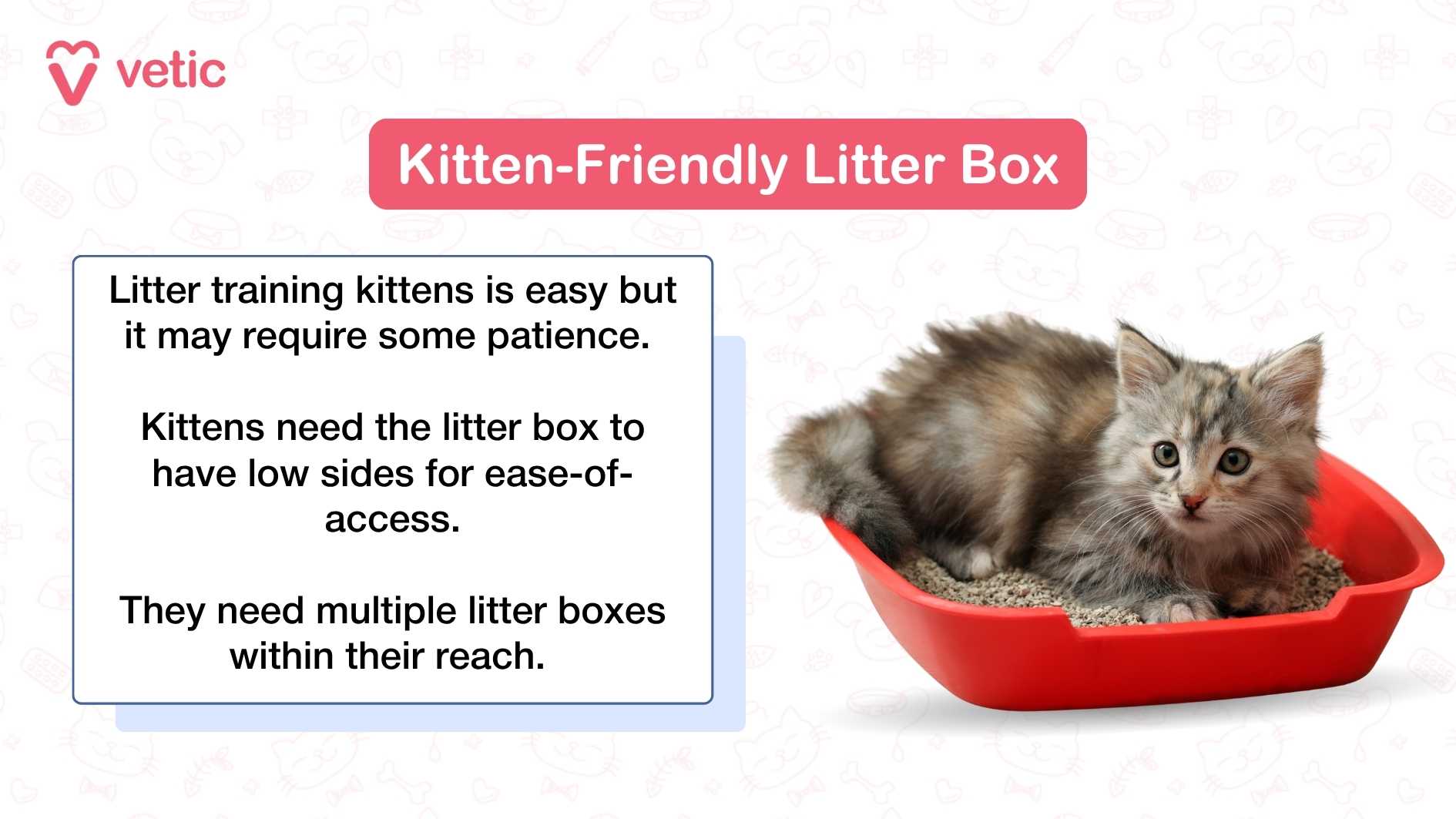
Kittens usually adapt faster to potty training due to their natural instincts and early learning phase compared to adult cats.
Conclusion
Cats can learn to use the potty with some patience and care. It takes time, but many cats catch on quickly. Keep the litter box clean and in a quiet spot. Praise your cat when it uses the box correctly.
Avoid punishment if accidents happen. Most cats prefer a clean, comfortable place to do their business. Remember, each cat is different. Stay calm and consistent. Potty training your cat is possible with simple steps. You and your cat can enjoy a happy, clean home.



Leave a Reply