Are you wondering how often your cat should be using the litter box? Knowing this can help you spot health problems early and keep your furry friend happy.
If your cat’s bathroom habits seem off, it might mean something is wrong. You’ll discover what’s normal, what’s not, and simple tips to make sure your cat’s litter box routine stays on track. Keep reading to learn how paying attention to this small detail can make a big difference for your cat’s well-being.
Credit: www.embracepetinsurance.com
Cat Litter Box Basics
Understanding the basics of your cat’s litter box is essential for keeping your feline friend happy and healthy. The litter box isn’t just a simple container; it’s a key part of your cat’s daily routine. Knowing the right setup can prevent many common issues, from accidents outside the box to health concerns.
Types Of Litter Boxes
There are several types of litter boxes, each suited for different cats and living spaces.
- Open litter boxesare easy to access and clean but may spread odors and litter outside.
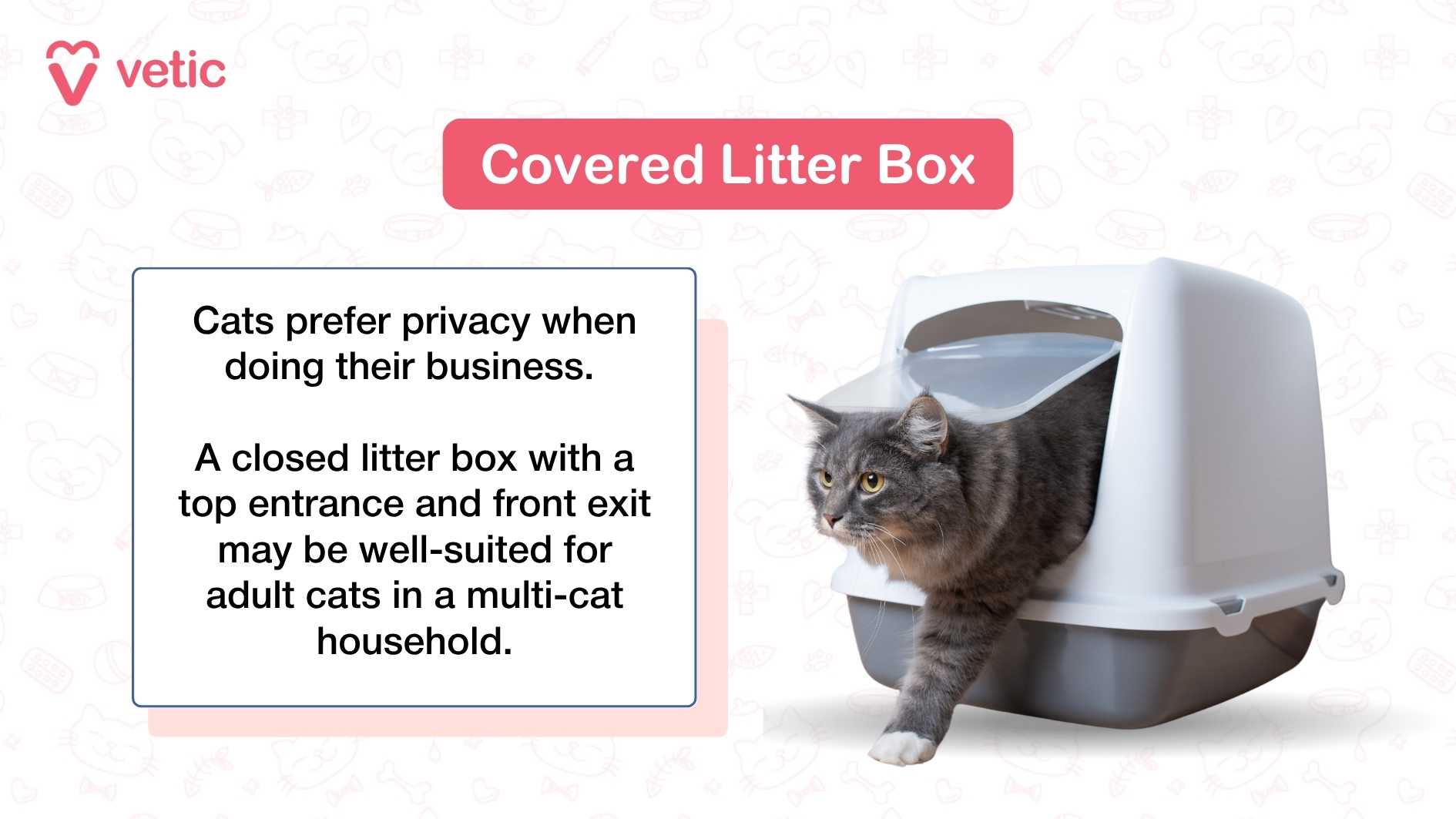
- Covered litter boxesprovide privacy and reduce odor but some cats dislike the enclosed feeling.
- Self-cleaning litter boxesoffer convenience but can be expensive and sometimes noisy, which might scare shy cats.
Think about your cat’s personality and habits. Does your cat prefer privacy, or do they like to keep an eye on their surroundings? Your answer can guide the right choice.
Choosing The Right Litter
The type of litter you choose affects how often your cat uses the box and how easy it is to maintain.
- Clumping clay litteris popular because it makes cleaning easier by forming solid clumps.
- Non-clumping litterabsorbs moisture but requires more frequent changing.
- Natural or biodegradable litteris eco-friendly and less dusty, which benefits cats with allergies.
Observe how your cat reacts to different litters. Sometimes switching to a less scented or dust-free option can solve litter box avoidance problems.
Proper Litter Box Placement
Where you place the litter box can make a big difference in your cat’s willingness to use it consistently.
- Choose a quiet, low-traffic area to give your cat privacy and reduce stress.
- Avoid placing the box near food and water dishes since cats prefer to keep these areas separate.
- Ensure the spot is easy for your cat to reach, especially for kittens or older cats with mobility issues.
Have you noticed your cat avoiding the box? It might be worth experimenting with different locations to find their preferred spot.

Credit: www.purina.com
Frequency Of Use
The frequency of a cat’s litter box use reveals much about its health and habits. Cats usually have regular bathroom patterns that owners can observe. Changes in these patterns might suggest health issues or stress. Understanding how often cats typically use the litter box helps in spotting concerns early.
Normal Bathroom Habits
Cats usually urinate two to four times daily. They tend to defecate once a day or every other day. Each cat has its unique routine but stays mostly consistent. They prefer a clean, quiet spot for their bathroom needs. Watching for sudden changes is important to maintain their well-being.
Factors Affecting Frequency
Diet can change how often a cat uses the litter box. Wet food increases water intake, leading to more urination. Stress or changes in environment may cause irregular bathroom visits. The amount of water a cat drinks also impacts frequency. Cleanliness of the litter box affects a cat’s willingness to use it.
Age And Health Considerations
Kittens tend to use the litter box more often as they eat and drink frequently. Older cats might urinate more due to health issues like kidney problems. Cats with urinary tract infections or diabetes show increased litter box use. Constipation or digestive problems reduce bowel movements. Regular vet check-ups help monitor these changes closely.
Signs Of Litter Box Issues
Cats may avoid the litter box if it is dirty or uncomfortable. Frequent accidents outside the box can signal health or stress problems. Watching for these signs helps keep your cat happy and healthy.
Understanding the signs of litter box issues is crucial for every cat owner. A well-used litter box is not just about cleanliness; it is a reflection of your cat’s health and happiness. When your feline friend starts showing unusual litter box behavior, it’s time to pay attention.Changes In Usage Patterns
Has your cat suddenly stopped using the litter box as frequently? This can be an early indicator of issues. Cats are creatures of habit, and any deviation from their usual routine should be noted. For instance, if your cat is using the litter box less often or more frequently than usual, it might be experiencing stress or discomfort. Changes in your household, such as a new pet or moving furniture, can also affect litter box usage.Common Behavioral Problems
Certain behaviors can signal that your cat is unhappy with its litter box situation. Scratching outside the box, excessive digging, or urinating in other areas are common problems. These behaviors might suggest that the litter box is too dirty, too small, or placed in an unfavorable location. Consider your cat’s preferences—do they need more privacy, or perhaps a different type of litter?Health Concerns To Watch
Litter box issues might also be a sign of underlying health problems. Cats may avoid the litter box if they associate it with pain. Conditions like urinary tract infections, kidney disease, or arthritis can cause discomfort during elimination. If you notice your cat straining, crying out, or producing less waste, consult your vet promptly. Have you noticed any of these signs in your cat? Addressing litter box issues promptly can improve your cat’s well-being and your home environment.
Credit: perfectpetzzz.com
Maintaining A Clean Litter Box
Maintaining a clean litter box is essential for your cat’s health and happiness. A tidy box encourages your cat to use it regularly and prevents accidents around the house. It also reduces unpleasant odors and keeps your home smelling fresh.
Cleaning Schedules
How often you clean your cat’s litter box can make a big difference. Scoop out waste at least once a day to keep the box inviting for your cat. If you have multiple cats, scooping twice daily might be necessary to prevent buildup.
Deep cleaning with soap and water should happen weekly. This routine removes bacteria and prevents lingering smells. Have you noticed your cat avoiding the box? It might be time to clean more frequently.
Odor Control Tips
Controlling odor is a challenge many cat owners face. Using clumping litter helps trap smells and makes scooping easier. You can also sprinkle a bit of baking soda at the bottom of the box before adding litter to neutralize odors.
Ventilating the room where the litter box sits reduces lingering smells. Avoid heavily scented litters, as strong fragrances can deter your cat from using the box. Have you tried different litter types to see what your cat prefers?
Litter Replacement Guidelines
Replacing the litter fully depends on the type you use and how many cats you have. Generally, changing all the litter once a week keeps the box fresh and comfortable. If you use non-clumping litter, more frequent changes might be needed.
Don’t forget to wash the box thoroughly during litter replacement. This prevents bacteria buildup and keeps the box hygienic. What’s your current litter replacement routine? Adjusting it might improve your cat’s litter box habits.
Encouraging Proper Use
Encouraging your cat to use the litter box properly is key to maintaining a clean home and a happy pet. Cats are creatures of habit, but sometimes they need a little guidance to get started or to correct unwanted behaviors. Understanding the right approach can make a big difference in how often and how well your cat uses the litter box.
Training New Cats
New cats, especially kittens, need clear signals about where to go. Place the litter box in a quiet, accessible spot with low foot traffic. Show them the box after meals and naps to build a strong connection between the urge to go and the location.
Use gentle encouragement rather than punishment. If your cat has an accident, clean the area thoroughly to remove the scent and avoid repeat visits. Have you noticed how kittens often explore their environment? Use that curiosity to your advantage by letting them discover the litter box on their own terms.
Dealing With Avoidance
If your cat avoids the litter box, try to pinpoint why. Is the box dirty? Cats prefer a clean space, so scoop at least once daily and change the litter regularly. Consider whether the type of litter or box size might be uncomfortable for your cat.
Stress or medical issues can also cause avoidance. Take note if your cat suddenly stops using the box and consult a vet if needed. Sometimes, a slight change in routine or environment can upset your cat’s comfort—what changes have you recently made that might affect your pet?
Using Multiple Litter Boxes
Having more than one litter box often solves many problems. A good rule is to have one box per cat, plus one extra. This reduces competition and gives your cat options, especially in multi-level homes.
Place boxes in different locations to prevent territorial disputes. Cats appreciate privacy, so avoid noisy or busy areas. Have you tried adding a box in a new spot to see if your cat prefers it? This simple step can improve their comfort and frequency of use.
When To Consult A Vet
Knowing when to consult a vet about your cat’s litter box habits can save your furry friend from discomfort and serious health problems. Changes in how often your cat uses the litter box might signal more than just a simple behavioral quirk. Paying close attention to these signs can help you act swiftly and wisely.
Signs Of Medical Issues
If your cat suddenly starts using the litter box much more or less frequently, it could mean an underlying health problem. Watch for symptoms like straining to urinate, blood in the urine, or unusual vocalizations during bathroom visits. These signs often point to urinary tract infections or kidney issues that need immediate vet attention.
Also, if your cat avoids the litter box entirely or has accidents outside it, consider potential medical causes like arthritis or bladder stones. Has your cat’s appetite changed alongside litter box habits? This combo could indicate a deeper illness needing professional diagnosis.
Behavioral Concerns
Sometimes, litter box problems come from stress or anxiety rather than illness. Changes in your home environment, like new pets, moving furniture, or loud noises, can upset your cat’s routine. If your cat starts avoiding the litter box after such changes, consult your vet to rule out medical issues and discuss behavioral strategies.
Persistent refusal to use the litter box might mean your cat dislikes the type of litter or the cleanliness of the box. Have you tried switching litters or cleaning more frequently? If these changes don’t help, your vet can guide you on managing anxiety or recommending a behaviorist.
Emergency Situations
Some litter box issues require immediate vet visits. If your cat shows signs of pain, repeatedly tries to urinate without success, or appears lethargic, don’t wait. These could be signs of a urinary blockage, a life-threatening emergency.
Sudden, severe changes in bathroom habits combined with vomiting or collapse demand urgent care. Have you ever experienced this with your cat? Quick action can save their life in such critical moments.
Frequently Asked Questions
How Often Should A Cat Use The Litter Box Daily?
Cats typically use the litter box 2 to 4 times a day. Frequency depends on age, diet, and health. Monitoring usage helps detect health issues early. Consistent litter box habits indicate a healthy cat.
What Signs Show Litter Box Problems In Cats?
Signs include sudden changes in litter box use, such as avoiding it or frequent urination. These may indicate stress, illness, or litter box issues. Address problems promptly to maintain your cat’s well-being.
How To Maintain A Clean Litter Box For Cats?
Scoop waste daily and change litter weekly to keep the box clean. Use unscented, clumping litter to reduce odors and encourage use. Regular cleaning prevents health problems and keeps cats comfortable.
Can A Cat’s Litter Box Habits Indicate Health Issues?
Yes, changes in frequency or behavior can signal urinary tract infections or other health problems. Watch for signs like straining, blood, or excessive use. Consult a vet if unusual habits persist.
Conclusion
Cats usually use their litter box several times a day. Keep the box clean to encourage regular use. Watch your cat’s habits to spot any changes early. A healthy cat will use the box often and without problems. Providing a quiet, easy-to-access spot helps your cat feel comfortable.
Remember, consistency matters in maintaining good litter box habits. Small efforts can keep your cat happy and your home fresh. Simple steps make a big difference in cat care.



Leave a Reply