Is your cat suddenly refusing to use the litter box? You’re not alone, and it can be frustrating and confusing.
When your furry friend avoids their litter box, it’s more than just a mess—it’s a sign something might be wrong. You want to understand why this is happening and how to fix it quickly. You’ll discover the common reasons behind this behavior and easy steps you can take to get your cat back on track.
Keep reading to learn how to make your home stress-free for both you and your cat.
Common Reasons Cats Avoid Litter Boxes
Understanding why your cat suddenly stops using the litter box can feel frustrating. Cats are creatures of habit, so a change in their bathroom behavior often signals a deeper issue. Here are some common reasons why your cat might avoid the litter box and what you can do to help.
Health Issues
Illnesses like urinary tract infections, bladder stones, or kidney problems can cause pain when your cat tries to urinate. This pain makes them avoid the litter box and look for more comfortable spots. If your cat’s behavior changes suddenly, a vet visit is crucial to rule out medical causes.
Litter Box Cleanliness
Cats are clean animals and dislike dirty litter boxes. If the box isn’t scooped daily or cleaned regularly, your cat may choose a cleaner spot. Try cleaning the box more often and see if your cat returns to using it.
Litter Type Preferences
Not all cats like the same kind of litter. Some prefer fine clumping clay, while others might like natural or crystal litter. Changing the litter type without observing your cat’s reaction can lead to avoidance. Have you noticed if your cat sniffs or paws at the litter before using it?
Stress And Anxiety
Stressful events like moving, new pets, or changes in routine can upset your cat. Anxiety may cause your cat to avoid the litter box as a way to express discomfort. Providing a calm environment and extra attention can help your cat feel secure again.
Territorial Behavior
In multi-cat households, cats may avoid a litter box if another cat uses it first. They can be territorial and prefer their own space for elimination. Adding more litter boxes in different locations can reduce this conflict.
Litter Box Location
The location of the litter box matters a lot. If it’s in a noisy, hard-to-reach, or high-traffic area, your cat might avoid it. Consider moving the box to a quiet, accessible spot where your cat feels safe.
Changes In Environment
New furniture, renovations, or even a new family member can disrupt your cat’s habits. Cats notice changes that you might overlook. Observing your cat’s behavior closely during these times can help you identify and address the issue quickly.
Credit: vetic.in
Identifying Health Problems
Cats may stop using their litter box due to health problems. Identifying these issues early can help your cat feel better and return to normal habits. Watch for changes in behavior or litter box use. These signs might point to an underlying medical condition.
Urinary Tract Infections
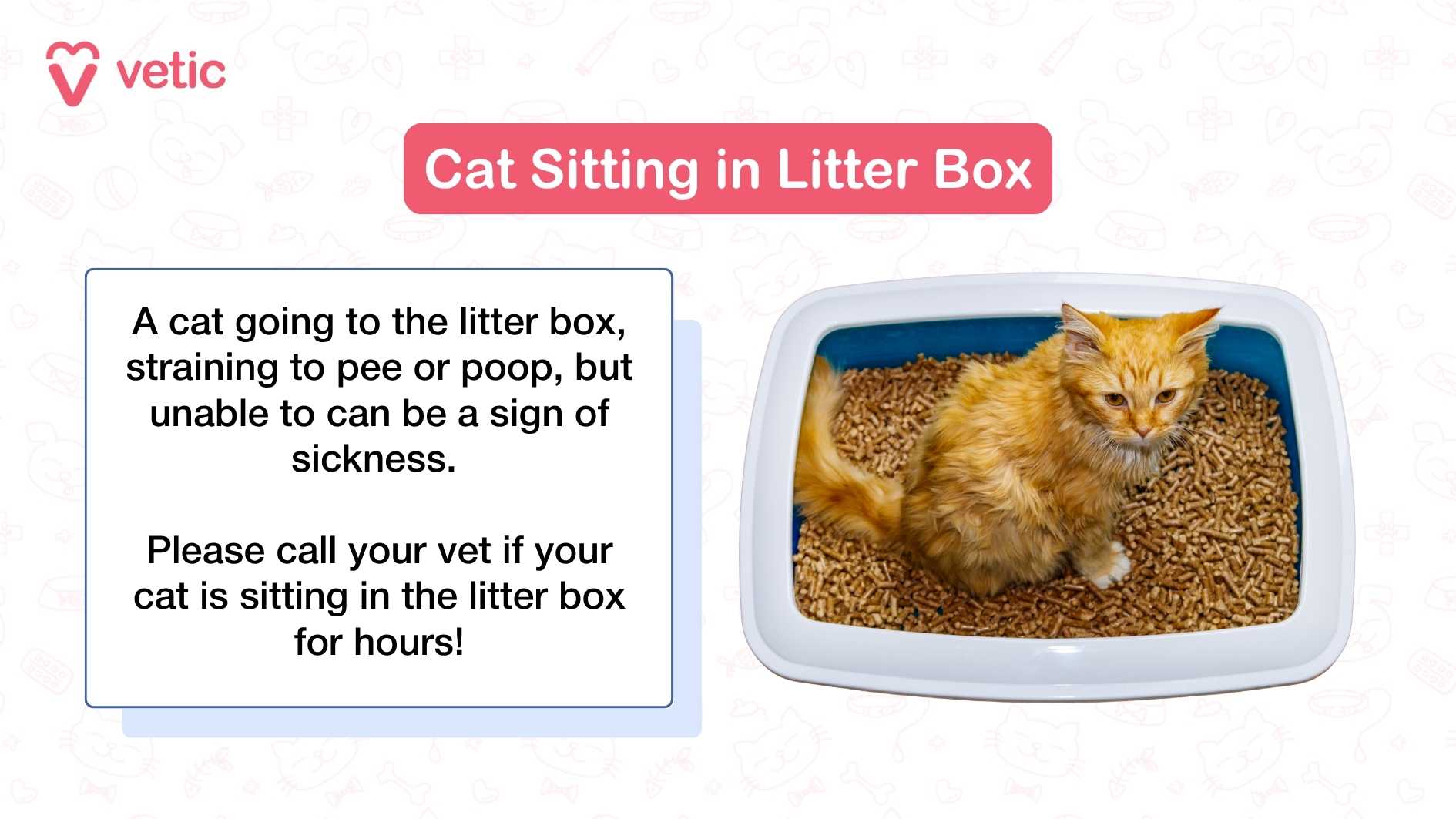
Urinary tract infections cause pain and discomfort. Cats may urinate outside the litter box to avoid pain. They might also strain or cry while urinating. These infections need prompt veterinary care to prevent serious complications.
Kidney Disease
Kidney disease affects a cat’s ability to regulate fluids. Increased thirst and urination are common symptoms. Cats with kidney problems may miss the litter box due to frequent urination. Early diagnosis helps manage the disease and improve quality of life.
Diabetes
Diabetes causes excessive thirst and urination. Cats may urinate in unusual places if their litter box is not clean. Changes in appetite and weight loss often accompany diabetes. Proper treatment can control symptoms and reduce litter box issues.
Pain And Mobility Issues
Pain or arthritis makes it hard for cats to reach or use the litter box. They might avoid the box because climbing in and out is painful. Providing a low-entry litter box can help cats with mobility problems. Regular veterinary checks can detect and treat pain early.
Improving Litter Box Appeal
Improving the appeal of your cat’s litter box can make a big difference in encouraging your feline friend to use it consistently. Cats are picky about their bathroom habits, and small changes can turn a neglected box into a favorite spot. Let’s look at key ways to make the litter box more inviting and comfortable for your cat.
Choosing The Right Litter
The type of litter you use matters more than you might think. Some cats prefer fine-grained, clumping litter because it feels softer on their paws. Others may dislike strong scents or dusty options that irritate their noses.
Try offering a few different litters and observe which one your cat prefers. Does your cat avoid the box when you switch brands? That’s a clear sign to revert or try a milder, unscented option. Remember, the goal is to make the litter feel natural and comfortable.
Maintaining Cleanliness
Cleanliness is non-negotiable for most cats. A dirty litter box can quickly become a no-go zone. Scoop waste at least once a day and replace the litter fully every week to keep odors at bay.
Some cats will even refuse to use a box that smells like their own waste. If you notice your cat holding back, ask yourself if you’re cleaning often enough. You might also want to wash the box with mild soap during litter changes to remove lingering smells.
Selecting The Perfect Box
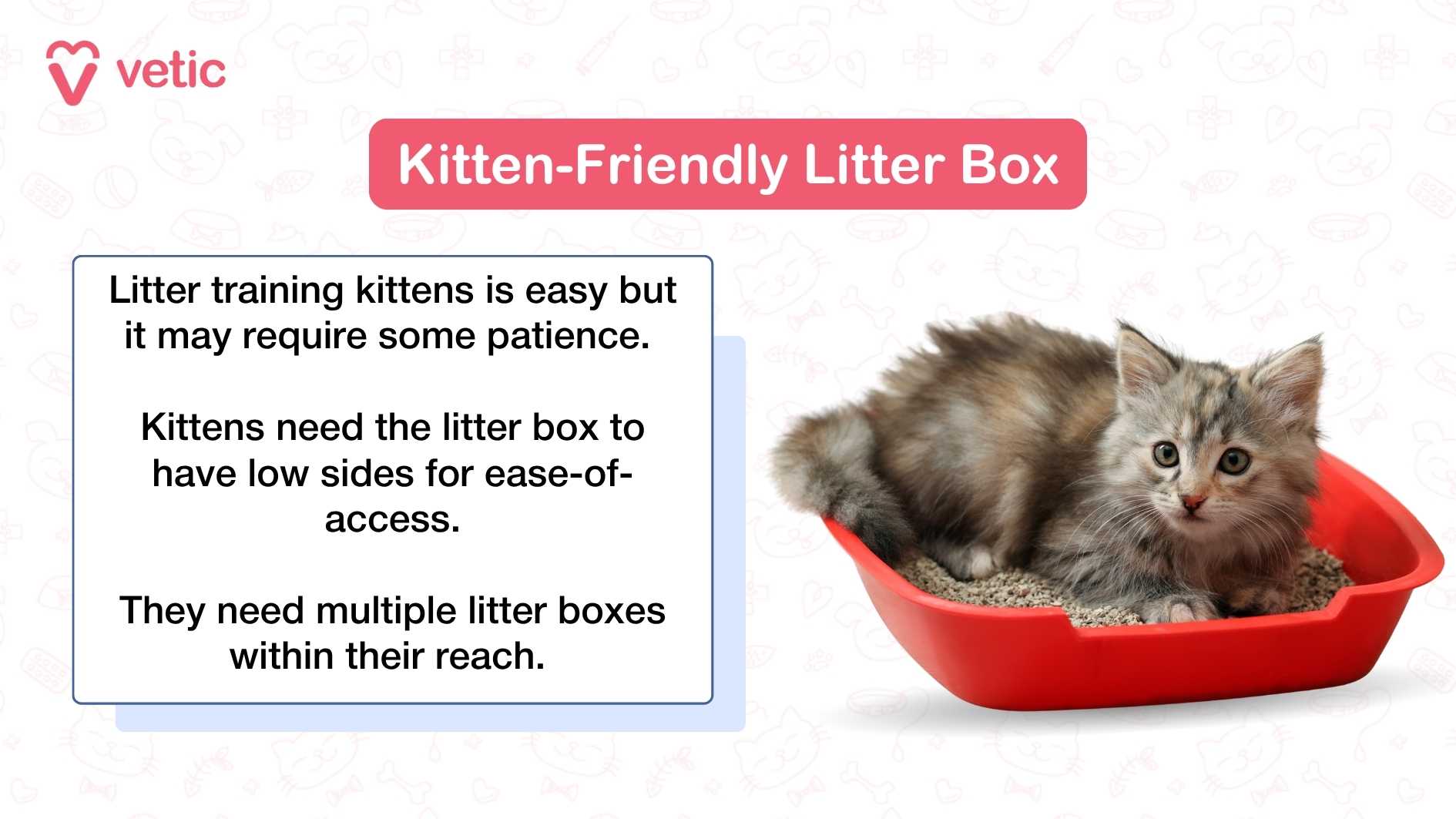
Size and style of the litter box influence your cat’s comfort. A box that’s too small or has high sides can deter cats, especially older or arthritic ones. Larger, low-entry boxes often work better for most cats.
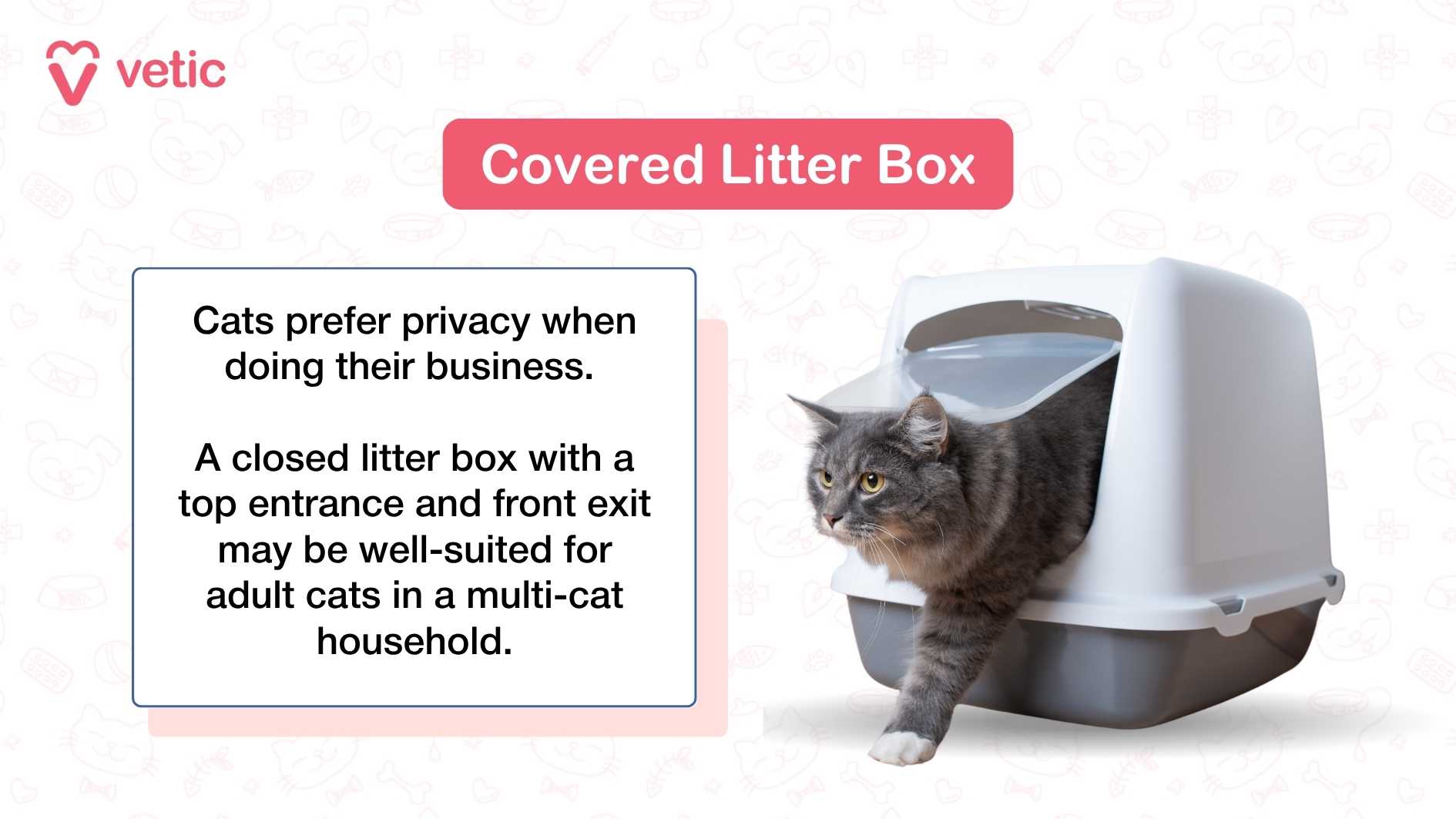
Covered boxes may trap odors but can also feel confining. If your cat looks hesitant, try an open box first. You might even test a few styles to see what your cat prefers.
Optimal Box Placement
Where you put the litter box is just as important as what’s inside it. Cats want privacy but also easy access. Avoid noisy areas like laundry rooms or places with heavy foot traffic.
Consider placing multiple boxes in quiet, low-traffic spots if you have a large home or multiple cats. Have you ever noticed your cat avoiding certain areas? That could be a clue that the box location isn’t ideal.
Credit: vetic.in
Addressing Behavioral Causes
Behavioral issues often cause cats to avoid their litter box. Stress, changes in routine, or conflicts with other pets can lead to this problem. Understanding your cat’s feelings helps improve their litter habits.
Addressing behavioral causes is crucial when a cat avoids its litter box. Cats are sensitive creatures with distinct preferences. Behavioral issues often lead them to avoid their litter box. Understanding and addressing these causes can help resolve the problem.Reducing Stress Triggers
Stress can be a major factor for a cat not using its litter box. Common stressors include changes in the environment or routine. To reduce stress, keep the cat’s environment calm and predictable. Ensure that loud noises or sudden changes are minimized. Provide your cat with a quiet space to retreat. A stress-free environment encourages the cat to use its litter box regularly.Managing Multi-cat Households
In homes with multiple cats, litter box issues often arise. Cats need their personal space, including litter boxes. Ensure there are enough litter boxes for each cat. The general rule is one box per cat, plus one extra. Place boxes in different locations to avoid territorial disputes. This setup helps each cat feel secure and encourages proper litter box use.Using Positive Reinforcement
Positive reinforcement can encourage good litter box habits. Reward your cat with treats or affection when it uses the box. This creates positive associations with the litter box. Avoid scolding or punishment, as it may increase anxiety. Consistent rewards help the cat feel confident and secure. Positive reinforcement builds a trusting relationship and promotes good behavior.Quick Fixes To Encourage Box Use
Encouraging your cat to use the litter box again can sometimes be simpler than you think. Small changes often make a big difference in their behavior. Here are some quick fixes that might solve the problem without stress for you or your pet.
Adding Extra Litter Boxes
Sometimes one litter box just isn’t enough. Cats prefer to have options, especially in multi-cat households. Try placing additional boxes in quiet, accessible spots around your home.
Make sure the boxes are clean and filled with the type of litter your cat likes. Have you noticed your cat avoiding a box because it’s too far or too dirty? Adding an extra box could be the simple solution.
Using Enzymatic Cleaners
Cleaning accidents thoroughly is crucial. Regular cleaners might not remove the smell that attracts your cat back to the same spot. Enzymatic cleaners break down the odor-causing molecules completely.
Use them on all soiled areas to discourage repeat accidents. Have you tried cleaning with just water or bleach before? Enzymatic cleaners can be a game changer in stopping unwanted bathroom habits.
Consulting A Veterinarian
If your cat suddenly stops using the litter box, health issues could be the cause. Urinary tract infections, kidney problems, or arthritis might make using the box painful. A quick vet visit can rule out or treat medical causes.
Don’t wait to get professional advice if your cat’s behavior changes drastically. Are you observing signs like frequent attempts to urinate or blood in the urine? These are signals to see a vet immediately.
Creating A Calm Environment
Stress affects cats more than many realize. Loud noises, new pets, or changes in routine can cause your cat to avoid the litter box. Providing a quiet, private space for the box helps your cat feel safe.
Consider using pheromone diffusers or calming sprays to reduce anxiety. Have you noticed your cat’s behavior changing after a move or new family member? A calm setting might be just what your cat needs to start using the box again.
Credit: vetic.in
Frequently Asked Questions
Why Is My Cat Suddenly Avoiding The Litter Box?
Cats may avoid the litter box due to stress, illness, or dirty litter. Changes in environment or litter type also cause avoidance. Consult a vet to rule out health issues and maintain a clean, quiet litter area.
How Can I Encourage My Cat To Use The Litter Box?
Keep the litter box clean and in a quiet, accessible spot. Use unscented, clumping litter and scoop daily. Reward your cat with treats and praise after using the box to reinforce positive behavior.
Can Health Problems Cause Litter Box Avoidance?
Yes, urinary tract infections, kidney issues, or arthritis can make litter box use painful. If your cat suddenly stops using the box, visit a vet immediately to diagnose and treat any medical problems.
Does Litter Box Location Affect My Cat’s Behavior?
Absolutely. Cats prefer a private, low-traffic area for their litter box. Avoid placing the box near noisy appliances or food bowls to encourage consistent use.
Conclusion
Cats may avoid their litter box for many reasons. Health issues or stress often cause this behavior. Clean the box regularly and place it in a quiet spot. Make sure the litter type suits your cat’s preference. Watch for any signs of illness and visit a vet if needed.
Patience and observation help solve the problem. Understanding your cat’s needs keeps your home clean and happy. Small changes can make a big difference. Keep trying, and your cat will likely return to the litter box soon.



Leave a Reply