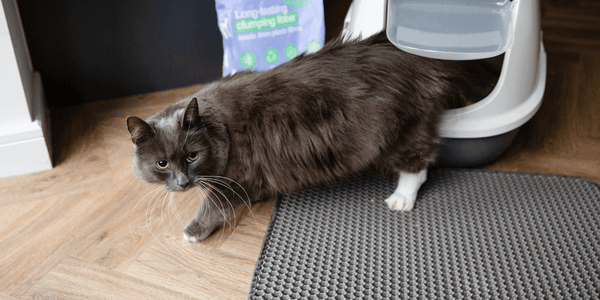
Is your cat peeing outside the litter box? This can be frustrating and stressful for you and your furry friend.
But don’t worry—you’re not alone, and there are simple steps you can take to fix this problem. Imagine having a clean home and a happy cat who uses the litter box every time. You’ll discover effective ways to stop your cat from peeing where they shouldn’t.
Keep reading to learn how to create a comfortable space for your cat and protect your home from unwanted messes.
Common Reasons Cats Pee Outside
Understanding why your cat pees outside the litter box is key to fixing the problem. Cats don’t do this out of spite or rebellion. There’s almost always a reason behind their behavior, whether it’s health-related or environmental.
Medical Issues
Health problems often cause sudden changes in your cat’s bathroom habits. Urinary tract infections, bladder stones, or kidney disease can make it painful or urgent for your cat to pee. If your cat starts peeing outside the box unexpectedly, a vet visit should be your first move.
Ignoring medical causes can worsen your cat’s condition and prolong the issue. Have you noticed other signs like frequent licking or straining? These clues can confirm there’s a medical problem behind the behavior.
Stress And Anxiety
Cats are sensitive creatures. Changes in your home—new pets, moving furniture, loud noises—can stress them out and lead to inappropriate urination. Sometimes, even subtle shifts in routine or environment can trigger anxiety.
Think about recent changes in your home. Has your cat’s behavior shifted along with them? Finding ways to reduce stress, like providing safe hiding spots or using calming sprays, can help your cat feel secure and stop peeing outside the box.
Litter Box Problems
Not all litter boxes are created equal for your cat. If the box is dirty, too small, or placed in a noisy area, your cat might avoid it. Cats prefer clean, quiet, and private spots to do their business.
- Is the litter box cleaned daily?
- Do you have enough boxes if you have multiple cats?
- Are you using a litter type your cat likes?
Adjusting these factors can make a big difference. Sometimes, switching litter or adding another box in a different spot can solve the problem quickly.
Territorial Marking
Sometimes, peeing outside the box is about marking territory rather than needing to go. This is common in unneutered males but can happen with any cat feeling threatened or insecure. It’s their way of saying “this is mine.”
Have you introduced a new pet or noticed stray cats near your home? Your cat might be reacting to that. Neutering or spaying can reduce marking behavior, and providing plenty of play and attention can help your cat feel less territorial.
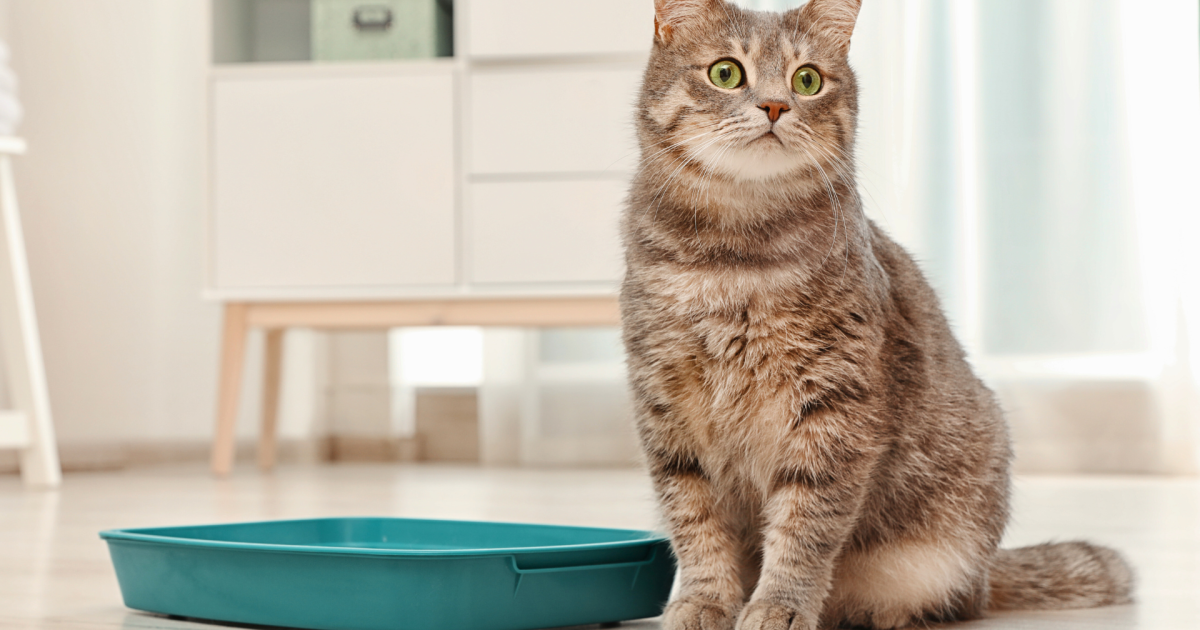
Credit: pethelpful.com
Choosing The Right Litter Box
Choosing the right litter box plays a crucial role in stopping your cat from peeing outside the litter box. Cats have preferences that can be surprisingly specific, and ignoring these can lead to accidents. Paying attention to size, number, and placement can make a big difference.
Size And Type
Your cat needs enough space to move comfortably inside the box. If the box is too small, your cat might avoid it altogether. Larger cats or older cats with mobility issues especially benefit from a bigger, low-sided box.
Consider the type of box too. Covered boxes can trap odors, which some cats dislike. Open boxes often feel safer and more accessible, but they may scatter litter. Trying different styles will help you find what your cat prefers.
Number Of Boxes
Do you know the rule of thumb for how many litter boxes you need? It’s one box per cat plus one extra. So, if you have two cats, provide at least three boxes.
More boxes reduce competition and stress, which often triggers inappropriate peeing. If your home has multiple floors, place boxes on each level to make them easily accessible.
Box Location
Where you place the litter box matters more than you might think. Cats want privacy but also need easy access. A quiet, low-traffic area is usually best.
Avoid placing boxes near noisy appliances or where children play. Think about your cat’s daily path and place the box along that route. Have you noticed if your cat avoids certain rooms? That could be a clue to better box placement.
Selecting The Best Litter
Finding the right litter for your feline friend can significantly impact their litter box habits. Cats can be particular about their litter, and selecting the best type can prevent them from peeing outside the box. This decision involves considering texture, scent, and whether you prefer clumping or non-clumping options.
Texture Preferences
Cats can be surprisingly picky about the texture of their litter. Some prefer soft, sandy textures that mimic natural environments, while others may be okay with coarser options. Have you ever noticed your cat scratching around in certain types of litter more than others? This can be a clue to their texture preference. Experiment with different textures to find what makes your cat most comfortable.
Scent Considerations
While scented litters might appeal to humans, they can be overwhelming for cats. Cats have a keen sense of smell, and strong scents might deter them from using the litter box. If you notice your cat avoiding the box, it might be worth switching to an unscented option. A fresh, clean litter box is often more appealing than one masked with artificial fragrances.
Clumping Vs Non-clumping
Choosing between clumping and non-clumping litter depends on both your and your cat’s preferences. Clumping litter makes cleaning easier by forming solid masses, but some cats might prefer non-clumping options for their natural feel. Consider your cleaning routine and your cat’s comfort to make the best choice. Is scooping daily a chore you dread, or do you prefer a quick clean-up with clumping options?

Credit: www.reddit.com
Cleaning And Maintenance Tips
Keeping your cat’s litter box clean is key to stopping accidents outside it. Cats like a fresh, tidy space for their bathroom needs. Dirty boxes often push them to find other places. Regular cleaning and proper maintenance help your cat feel comfortable and safe.
Frequency Of Cleaning
Clean the litter box at least once a day. Scoop out waste daily to keep the box fresh. Replace all the litter and wash the box weekly. This prevents smells and bacteria build-up. A clean box encourages your cat to use it every time.
Removing Odors
Odors can drive cats away from their box. Use baking soda mixed with litter to control smell. Wash the box with mild soap and warm water. Avoid strong-smelling cleaners that can scare cats. Keep the area around the box clean and dry too.
Safe Cleaning Products
Choose cleaners safe for pets and humans. Avoid bleach and ammonia-based products; they irritate cats. Use gentle dish soap or vinegar diluted with water. Rinse well to remove all cleaner traces. Safe products keep your cat healthy and happy.
Behavioral Solutions
Behavioral solutions play a key role in stopping cats from peeing outside the litter box. Cats often act out due to stress, confusion, or lack of motivation. Understanding their behavior helps create a calm and positive environment. This encourages proper litter box use and reduces unwanted accidents.
Reducing Stress
Stress is a common cause of litter box problems. Changes in the home, new pets, or loud noises can upset a cat. Create a quiet and safe space for your cat to relax. Keep daily routines consistent to help them feel secure.
Provide hiding spots and cozy beds. Avoid sudden changes in their environment. Spend time playing gently to build trust and comfort. A calm cat is less likely to pee outside the box.
Positive Reinforcement
Reward good behavior to encourage your cat. Praise and treats after using the litter box make a strong connection. Use a soft voice and gentle pets as rewards.
Never punish your cat for accidents. Punishment increases stress and can make problems worse. Focus on celebrating successes and guiding your cat back to the box with patience.
Using Pheromone Products
Pheromone products mimic natural cat scents that calm and comfort. These sprays or diffusers help reduce anxiety and territorial marking.
Place pheromone diffusers near litter boxes or resting areas. Replace them as directed for best results. Many cats respond well to these products, showing fewer signs of stress and less inappropriate peeing.
When To Visit The Vet
Knowing when to take your cat to the vet can make a huge difference in stopping unwanted litter box behavior. Sometimes, peeing outside the box isn’t just about habits—it’s a sign your cat might be in pain or discomfort. Paying attention to your cat’s health signals early can save them from serious issues and help you find the right solution faster.
Signs Of Urinary Tract Issues
One of the most common reasons cats avoid their litter box is a urinary tract problem. Watch for signs like frequent trips to the litter box with little or no urine, straining while peeing, or blood in the urine. Your cat may also lick their genital area excessively or cry out in pain during urination.
If you notice your cat spending more time in the litter box but producing only small amounts, this could indicate a blockage—a medical emergency. Don’t wait to see if it passes; immediate vet care is crucial. Have you ever wondered why your cat suddenly changes their bathroom habits overnight? These signs might hold the answer.
Other Health Concerns
Beyond urinary issues, other health problems can cause your cat to avoid the litter box. Conditions like kidney disease, diabetes, or arthritis can make it uncomfortable for your cat to use the box. For example, arthritis can make climbing into a high-sided litter box painful.
Keep an eye out for changes in appetite, weight loss, or unusual behavior alongside the litter box problems. These clues can help your vet diagnose the right condition. When was the last time you had a thorough checkup for your cat? Regular vet visits can catch these issues before they affect your cat’s habits.
Preventing Future Accidents
Preventing your cat from peeing outside the litter box involves more than just cleaning up after accidents. It requires a thoughtful approach to create an environment where your cat feels comfortable and understands where to go. By focusing on consistency, enrichment, and careful observation, you can reduce the chances of future mishaps significantly.
Consistent Routine
Cats thrive on routine. Feeding, playtime, and litter box cleaning should happen at regular times each day. This predictability helps your cat feel secure and reduces stress, which often triggers inappropriate urination.
Try to scoop the litter box daily and do a full clean weekly. If your cat knows the box is clean and accessible, they’re more likely to use it consistently. Have you noticed your cat avoiding the box after a delay in cleaning? This small detail can make a big difference.
Environmental Enrichment
Providing stimulation can prevent boredom and anxiety, both common reasons cats avoid their litter box. Add climbing shelves, scratching posts, and interactive toys to keep your cat mentally and physically active.
Also, consider multiple litter boxes in different quiet locations, especially if you have more than one cat. Cats sometimes avoid boxes if they feel threatened or if the box is too close to their food or water.
Have you tried introducing new toys or rearranging your cat’s space to spark their interest? Changing the environment can encourage positive behaviors, including proper litter use.
Monitoring Behavior
Watch your cat’s habits closely. Notice if they spend more time outside the box or seem restless near certain spots. Early detection of changes can prevent accidents from becoming a habit.
Keep a journal of your cat’s litter box use and any unusual behavior. This record can be invaluable if you need to consult a vet. Sometimes, medical issues like urinary tract infections are behind the problem.
Are you tracking your cat’s bathroom habits? Awareness is your first tool in stopping accidents before they start.

Credit: www.amazon.com
Frequently Asked Questions
Why Is My Cat Peeing Outside The Litter Box?
Cats may avoid the litter box due to stress, illness, or a dirty box. Medical issues like urinary tract infections can cause this. Ensure the box is clean and placed in a quiet area to encourage use.
How Can I Stop My Cat From Peeing Indoors?
Clean accidents thoroughly, use enzyme cleaners, and provide multiple litter boxes. Address any health problems by consulting a vet. Reducing stress and maintaining a clean environment helps prevent indoor peeing.
What Type Of Litter Box Is Best To Prevent Accidents?
Large, uncovered litter boxes with low sides are ideal. Cats prefer easy access and enough space. Scoop daily and change litter regularly to keep the box appealing.
Can Diet Affect My Cat’s Litter Box Habits?
Yes, poor diet can cause urinary issues leading to accidents. Feeding high-quality food and ensuring hydration supports urinary health. Consult your vet for the best diet to prevent peeing problems.
Conclusion
Stopping your cat from peeing outside the litter box takes patience. Keep the litter box clean and in a quiet spot. Use the right type of litter your cat likes. Watch for health problems and take your cat to the vet if needed.
Give your cat plenty of attention and playtime. Small changes can make a big difference. Your cat will feel more comfortable and safe. This helps stop unwanted bathroom accidents. Stay calm and consistent for the best results.



Leave a Reply