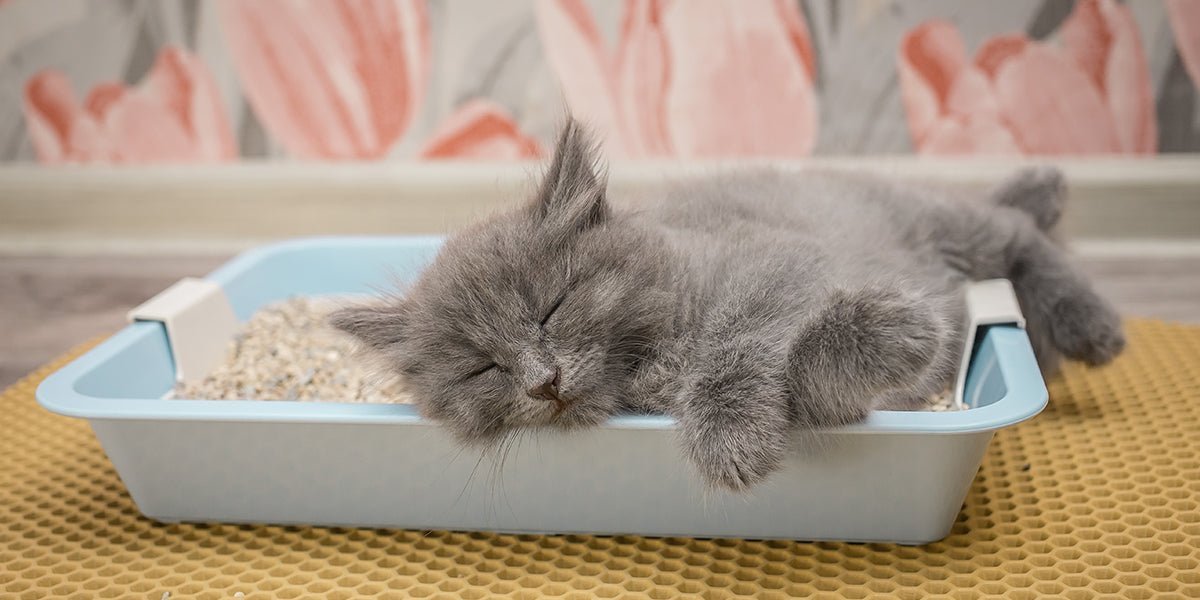
Have you ever found your cat sleeping in its litter box and wondered why? It’s a strange sight that can leave you feeling confused or even worried.
Your furry friend’s behavior might be trying to tell you something important about their health or comfort. You’ll discover the surprising reasons behind this unusual habit and what you can do to help your cat feel safe and happy again.
Keep reading to learn what your cat’s litter box naps really mean.

Credit: meowant.com
Common Cat Sleeping Spots
Understanding where cats prefer to sleep can reveal a lot about their comfort and behavior. Cats are known for choosing spots that make them feel safe, warm, and sometimes just plain curious. Recognizing these common sleeping places helps you create a cozy environment that respects your cat’s unique preferences.
Typical Sleeping Areas
Most cats pick out familiar and secure places to rest. Common spots include soft beds, sunny windowsills, cozy corners, or even your lap. These areas offer warmth, comfort, and a sense of safety, which cats seek when they want to relax or nap.
Have you noticed your cat curling up in a quiet nook or on a favorite blanket? These choices often reflect their need for security and temperature regulation. Providing a variety of these spots can encourage your cat to rest peacefully throughout the day.
Unusual Choices Explained
Sometimes, cats surprise us by choosing odd places like sinks, cardboard boxes, or even the litter box for their sleep. This might seem strange, but there are practical reasons behind it. The litter box, for example, can feel like a small, enclosed space that provides a sense of safety or coolness.
Think about your own experiences with strange sleep spots—sometimes we pick a place just because it feels right in the moment. If your cat naps in the litter box, it might be signaling stress, illness, or simply looking for privacy. Watching these unusual choices can help you understand your cat’s current needs better.
:strip_icc()/a0145-000022-56a111c63df78cafdaa9170e.jpg)
Credit: www.thesprucepets.com
Reasons For Litter Box Sleeping
Seeing your cat sleeping in the litter box can be puzzling and concerning. There are several reasons why your feline friend might choose this unusual spot for rest. Understanding these reasons helps you respond appropriately and ensure your cat’s well-being.
Health Issues
Sometimes, cats sleep in their litter box because they feel unwell. Conditions like urinary tract infections or bladder pain can make them stay close to the bathroom area. If your cat is spending more time in the litter box and seems distressed, it’s a sign you should visit the vet promptly.
Stress And Anxiety
Stress can push cats to seek out places where they feel secure. The litter box might feel like a safe retreat during times of change or disruption. Have you noticed recent changes at home, like new pets or loud noises? Your cat might be coping by choosing the litter box as a quiet refuge.
Territorial Behavior
Cats are territorial animals and sometimes use the litter box as a boundary marker. Sleeping there might be their way of guarding their territory from other pets or perceived threats. If you have multiple cats, watch for signs of competition or conflict around the litter area.
Comfort And Safety
Despite how it looks to us, some cats find the litter box a comfortable and safe place to rest. The small, enclosed space can feel cozy, especially if the box is clean and in a quiet spot. You might try providing other cozy hiding places to see if your cat prefers those instead.
Environmental Factors
Cats may sleep in their litter box due to stress from loud noises or changes in their environment. The box feels safe and enclosed, offering comfort when they feel anxious or unsettled.
Cats sleeping in their litter boxes can be puzzling. Often, it’s the environment that nudges them into this odd behavior. Let’s unravel some environmental factors that might be affecting your furry friend.Litter Box Location
Where you place the litter box is crucial. If it’s in a high-traffic area or too close to their feeding area, it could cause stress. Consider moving it to a quiet, private spot. Cats, like people, appreciate a little privacy.Cleanliness And Maintenance
Cats are fastidious creatures. A dirty litter box might be their way of expressing dissatisfaction. Make sure to scoop it daily and change the litter regularly. Fresh litter can be inviting and discourage them from using it as a bed. Is your cat feeling comfortable in their current environment? Small changes can lead to a happier and healthier cat.
Credit: www.reddit.com
Behavioral Concerns
Behavioral concerns often explain why your cat might choose the litter box as a sleeping spot. Cats are sensitive creatures, and shifts in their environment or social setting can trigger unusual habits. Understanding these behavioral triggers can help you address the root cause and make your cat feel more secure.
Changes In Routine
Cats thrive on consistency. Any sudden change—like moving furniture, a new work schedule, or even different feeding times—can unsettle them.
When your cat feels stressed by these shifts, they might seek out the litter box because it feels like a safe, familiar place. Have you recently changed anything in your home that could be affecting your cat’s comfort?
Try to maintain a steady routine and observe if your cat’s behavior improves. Small adjustments like sticking to regular playtimes or feeding schedules can make a significant difference.
Social Dynamics With Other Pets
Introducing a new pet or changes in your household’s pet hierarchy can cause tension. Cats may retreat to the litter box to avoid confrontation or claim a private space.
Watch how your pets interact. Is your cat being bullied or ignored by others? Sometimes, the litter box offers a quiet retreat from social stress.
Encourage positive interactions between pets through supervised meetings and separate resources like food bowls and beds. Have you considered whether your cat feels overwhelmed by the presence of other animals?
When To Seek Veterinary Help
Knowing when to seek veterinary help is crucial if your cat sleeps in the litter box. This behavior can signal health or emotional problems. Acting quickly can prevent serious issues and ease your cat’s discomfort. Watch for signs that need immediate attention.
Signs Of Illness
- Persistent lethargy or weakness
- Loss of appetite for more than a day
- Frequent vomiting or diarrhea
- Difficulty urinating or blood in urine
- Excessive grooming or hair loss
- Sudden weight loss or gain
- Labored or noisy breathing
These symptoms often point to infections, urinary blockages, or pain. A vet can diagnose and treat these conditions promptly.
Behavioral Red Flags
- Sudden change in litter box habits
- Hiding or aggression when approached
- Excessive vocalization or restlessness
- Repeated attempts to use the litter box without success
- Signs of stress or anxiety
Behavioral changes may indicate emotional distress or discomfort. A vet or behaviorist can help identify causes and suggest solutions.
Tips To Redirect Sleeping Habits
Redirecting your cat’s sleeping habits helps keep them comfortable and healthy. Cats may choose the litter box due to discomfort or stress. Changing their environment gently guides them to better sleeping spots. Small adjustments can make a big difference in their behavior.
Improving Litter Box Setup
Check the litter box size and cleanliness. A small or dirty box may discourage use for its intended purpose. Use unscented, clumping litter for comfort. Place the box in a quiet, low-traffic area. Avoid moving it frequently to reduce confusion.
Creating Comfortable Alternatives
Provide cozy beds in warm, safe spots. Soft blankets or cushions attract cats easily. Place beds near their favorite resting areas. Use calming scents like lavender on bedding. Encourage use by placing toys or treats nearby.
Reducing Stress Triggers
Identify and minimize loud noises or sudden changes. Keep other pets away from resting spots. Maintain a regular feeding and playtime schedule. Use pheromone diffusers to calm anxious cats. Spend quiet time together to build trust and security.
Frequently Asked Questions
Why Is My Cat Sleeping In The Litter Box?
Cats may sleep in the litter box due to stress, illness, or discomfort. It can signal anxiety, urinary issues, or a need for a safe space. Monitoring behavior and consulting a vet is important to rule out health problems.
Can Illness Cause A Cat To Sleep In The Litter Box?
Yes, medical conditions like urinary tract infections or bladder problems can make cats sleep in the litter box. Pain or discomfort might lead them to stay close to the area. A vet visit is recommended to diagnose and treat any illness.
Does Stress Make Cats Sleep In The Litter Box?
Stress or anxiety can cause cats to seek refuge in the litter box. Changes in environment, new pets, or loud noises often trigger this behavior. Providing a calm, secure environment helps reduce stress and discourages litter box sleeping.
How Can I Stop My Cat From Sleeping In The Litter Box?
Ensure the litter box is clean and placed in a quiet, private area. Address any medical issues and reduce stress factors. Providing cozy beds and safe spaces elsewhere encourages your cat to sleep outside the litter box.
Conclusion
Cats sleeping in the litter box is unusual behavior. It often signals stress, illness, or discomfort. Watch your cat closely for other signs. Clean the litter box regularly to keep it inviting. Offer a quiet, cozy place for your cat to rest.
Consult a vet if the behavior continues or worsens. Understanding your cat’s needs helps keep them happy and healthy. Small changes can make a big difference. Stay patient and observant—your cat relies on you.



Leave a Reply