You want to keep your cat happy and your home fresh. But how often should you really change your cat’s litter box?
If you wait too long, odors and germs can build up, making things uncomfortable for both you and your furry friend. Change it too often, and you might feel like you’re spending all day cleaning. Finding the right balance is easier than you think—and it can make a big difference in your cat’s health and your peace of mind.
Keep reading to discover simple tips that will help you know exactly when and how to keep your cat’s litter box just right.
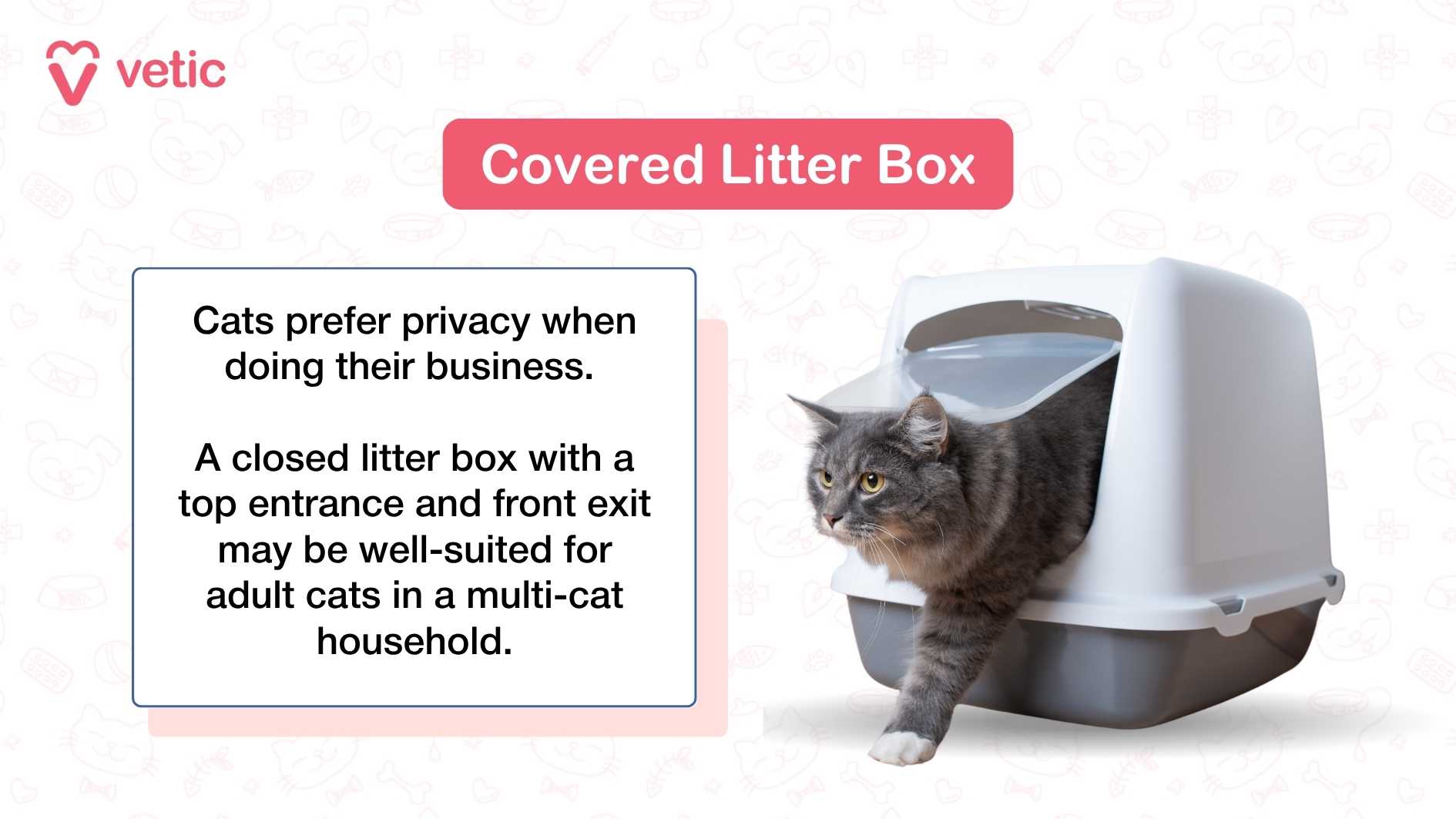
Credit: vetic.in
Frequency Of Litter Box Changes
Maintaining the right frequency for changing your cat’s litter box is key to keeping your home fresh and your cat happy. Too often, owners either clean too little, causing odors and discomfort, or too much, which can stress your feline friend. Let’s break down the best routine to keep your litter box in top shape without overdoing it.
Daily Spot Cleaning
Removing clumps and solid waste every day is crucial. This simple habit prevents odors from building up and keeps the litter box inviting for your cat. I noticed that when I skipped daily cleaning, my cat would sometimes avoid the box, which is a clear sign it needs more attention.
Use a scoop with fine mesh to catch even small clumps. Check the box at least once a day and scoop out any waste you find. This quick step can make a huge difference in the overall smell and cleanliness.
Weekly Full Changes
Once a week, dump out all the litter and replace it completely. This reset helps eliminate bacteria and any lingering smells that daily scooping can’t handle. I recommend washing the litter box with mild soap and warm water during this change to keep it fresh and safe for your cat.
Stick to unscented, gentle cleaners to avoid irritating your cat’s sensitive nose. This weekly refresh keeps the litter box hygienic without causing stress to your pet.
Monthly Deep Cleaning
A thorough deep clean every month goes beyond just changing the litter and washing the box. Consider disinfecting the box with a pet-safe cleaner and checking for any cracks or scratches where bacteria can hide. I once found a small crack that was harboring odors; replacing the box made a noticeable improvement.
Deep cleaning also means refreshing your cat’s surrounding area. Vacuum or sweep around the box and wash any mats or nearby items. This extra effort helps maintain a pleasant environment for both you and your cat.
Factors Affecting Change Frequency
Knowing how often to change your cat’s litter box depends on several important factors. These factors influence not only the cleanliness but also your cat’s comfort and health. Understanding them helps you maintain a fresh environment that your feline friend will appreciate.
Number Of Cats
The number of cats you have directly affects how quickly the litter box gets dirty. One cat might need a complete litter change once a week, but if you have multiple cats, you may need to change it more frequently—sometimes every few days.
Think about how much your cats use the box daily. More cats mean more waste, so you might need to scoop more often and replace the litter entirely to keep odors at bay. Have you noticed your cats avoiding the box when it’s not clean enough? That’s a sign to increase your cleaning schedule.
Type Of Litter Used
Different types of litter absorb moisture and control odor differently. Clumping litter tends to make scooping easier and can extend the time between full changes. Non-clumping litter may require more frequent complete changes because it doesn’t trap urine as well.
Some litters are infused with scents or natural odor blockers, which can help keep the box smelling fresh longer. However, scented litters might irritate sensitive cats. Pay attention to how your cat reacts and adjust your litter choice and change frequency accordingly.
Cat’s Health And Habits
Your cat’s health can change how often you need to change the litter box. If your cat has health issues like urinary tract infections or diarrhea, the box will need more frequent cleaning to prevent infections and odors.
Also, some cats are more sensitive or picky about cleanliness. If your cat starts eliminating outside the box, it could mean the box isn’t clean enough. Keep a close eye on your cat’s habits and adjust your cleaning routine to keep them comfortable and healthy.
Signs It’s Time To Change
A strong odor or visible dirt signals it’s time to change the litter box. Cats may avoid using a dirty box, affecting their comfort. Regular cleaning keeps your cat happy and healthy.
Keeping your cat’s litter box fresh and clean is crucial for their health and happiness. But how do you know when it’s time to change it? Recognizing the signs can make a world of difference for your feline friend and your home environment.Odor Levels
A strong, unpleasant smell is a clear indicator. If you notice the litter box emitting a noticeable odor even after scooping, it’s time for a change. Regularly changing the litter will keep your home smelling fresh and your cat comfortable.Litter Clumping Issues
Clumping litter should form firm clumps when wet, making it easy to scoop. If you find the clumps breaking apart or sticking to the box, the litter has likely reached its limit. Keeping an eye on clumping can help you maintain a cleaner box.Cat’s Avoidance Behavior
Is your cat avoiding the litter box? It might be their way of telling you something’s wrong. Cats prefer a clean environment, and if the litter box isn’t up to their standards, they might look elsewhere. Regular changes can prevent this behavior and keep your cat happy. Being proactive about these signs can enhance your cat’s well-being. How often do you assess your cat’s litter box for these signs?
Credit: www.embracepetinsurance.com
Choosing The Right Litter
Choosing the right cat litter is key to keeping the litter box fresh and your cat happy. Different litters offer unique benefits. Some control odor better. Others are easier to clean. Picking the best one depends on your cat’s needs and your lifestyle.
Clumping Vs Non-clumping
Clumping litter forms solid clumps when wet. This makes cleaning easier and faster. You can scoop out only the dirty parts. Non-clumping litter absorbs moisture but does not form clumps. It often needs a full change more often. Clumping litter is popular for convenience. Non-clumping may be softer for some cats.
Scented Vs Unscented
Scented litter masks odors with fragrances. It can keep the box smelling fresh longer. Some cats dislike strong smells and may avoid the box. Unscented litter has no added fragrance. It relies on natural odor control. Unscented is usually better for sensitive cats and owners.
Eco-friendly Options
Eco-friendly litters use natural materials like corn, wheat, or recycled paper. They break down faster in landfills. Many are biodegradable and safe for composting. These options often have less dust and fewer chemicals. Eco-friendly litters support a cleaner environment. They can also be gentle on your cat’s paws.
Cleaning Tips For Litter Boxes
Keeping your cat’s litter box clean is essential not just for your cat’s health but also for maintaining a pleasant home environment. Regular cleaning helps reduce odors, prevents infections, and encourages your cat to use the box consistently. Let’s dive into practical tips that make cleaning easier and safer for both you and your feline friend.
Safe Cleaning Products
Choosing the right cleaning products is crucial. Avoid harsh chemicals like bleach or ammonia, which can be harmful to cats and may leave strong odors that discourage use.
Instead, use mild soap and warm water or pet-safe enzymatic cleaners designed to break down waste naturally. These products clean effectively without risking your cat’s health.
Have you ever noticed your cat avoiding the litter box after cleaning? This might be due to lingering scents from strong cleaners. Opt for fragrance-free or naturally scented options to keep your cat comfortable.
Preventing Bacterial Build-up
Bacteria can quickly grow in a dirty litter box, leading to potential infections for your cat. To prevent this, scoop waste daily and change the litter completely at least once a week.
After emptying the box, wash it thoroughly with hot water and safe cleaners, then dry it completely before adding fresh litter. Moist environments encourage bacteria and mold growth, so drying is key.
Consider keeping a small brush or dedicated sponge near the box for quick scrubbing. Wouldn’t it be easier if cleaning took just a few minutes every day instead of a long, dreaded chore?
Maintaining A Fresh Environment
To keep the litter box smelling fresh, add a layer of baking soda under the litter to absorb odors naturally. This simple trick can extend the time between full cleanings.
Place the box in a well-ventilated area, away from your cat’s food and water bowls. Good airflow helps reduce moisture and odors.
Also, try using clumping litter that locks in moisture and odor better. Your cat will appreciate a fresh-smelling, clean space as much as you do. How often do you check your litter box’s freshness each day?
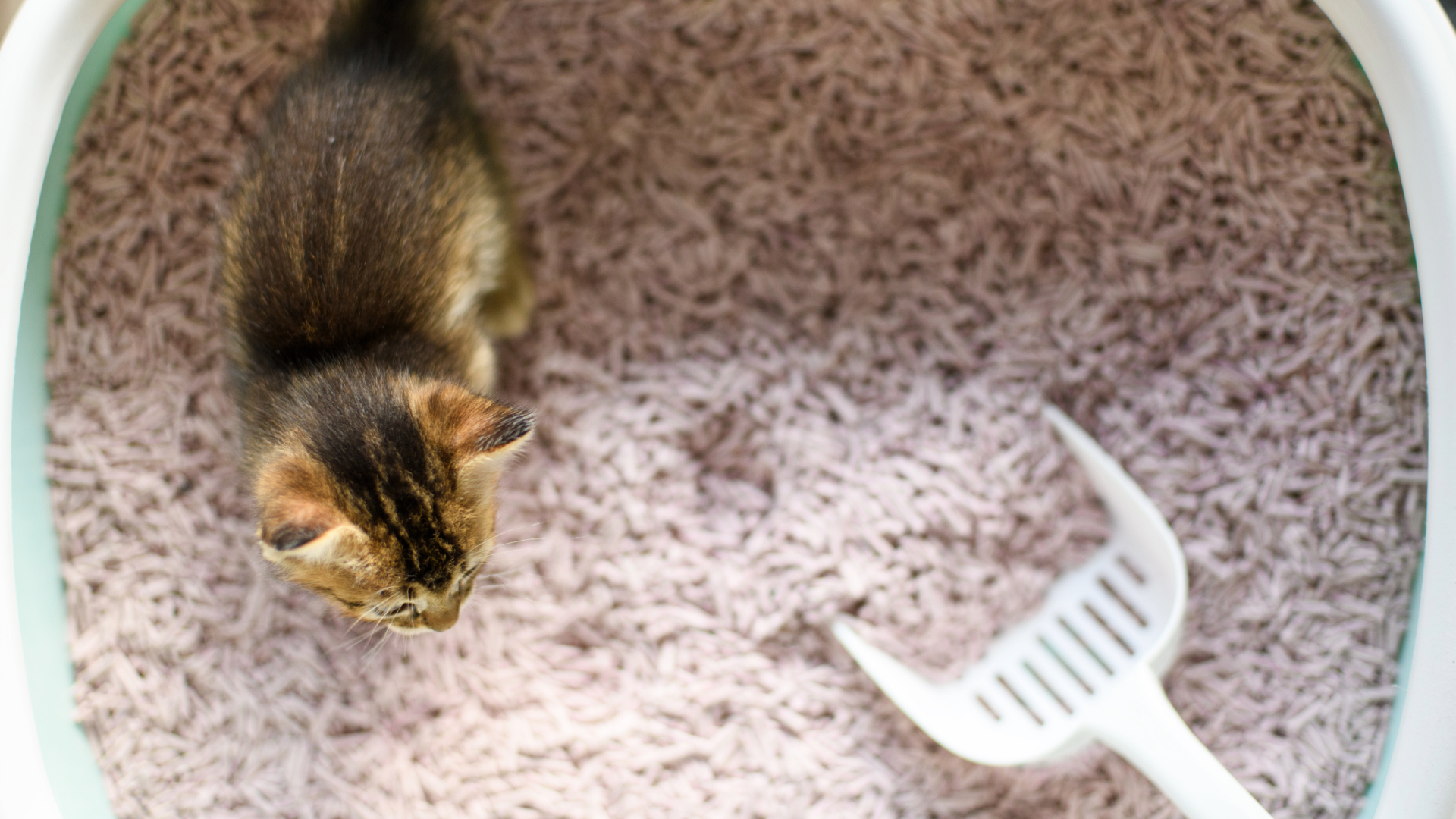
Credit: www.petsradar.com
Improving Litter Box Habits
Improving your cat’s litter box habits helps keep your home clean and your cat happy. Cats prefer a tidy and comfortable space to do their business. Simple changes can make a big difference in their litter box routine.
Location And Accessibility
Place the litter box in a quiet, low-traffic area. Avoid noisy or busy spots that scare your cat. Make sure the box is easy to reach for your cat at all times. Keep it away from their food and water bowls to encourage use.
Number Of Boxes Needed
Have enough litter boxes for each cat in your home. The rule is one box per cat plus one extra. This prevents fights and stress over litter box access. Multiple boxes also reduce accidents outside the box.
Encouraging Regular Use
Keep the litter box clean by scooping daily. Change the litter completely at least once a week. Use unscented, clumping litter that cats like. Praise your cat or give treats after they use the box. Avoid punishment; it can cause fear and avoidance.
Frequently Asked Questions
How Often Should I Scoop My Cat’s Litter Box?
You should scoop your cat’s litter box daily to remove waste. This keeps the box clean and reduces odors. Frequent scooping encourages cats to use the box consistently and helps maintain hygiene.
When Is The Best Time To Completely Change Litter?
Completely change the litter every 1 to 2 weeks. This prevents bacteria buildup and keeps the box fresh. Regular full changes improve your cat’s comfort and health.
Can Infrequent Litter Changes Harm My Cat?
Yes, infrequent litter changes can cause health issues. Dirty litter boxes can lead to urinary tract infections and stress. Regular cleaning promotes your cat’s well-being and happiness.
How Does Litter Box Maintenance Affect Odor Control?
Proper litter box maintenance greatly reduces odors. Daily scooping and weekly changes prevent ammonia and urine smells. Clean litter boxes create a fresher home environment for everyone.
Conclusion
Changing your cat’s litter box regularly keeps your home fresh and clean. A clean box helps your cat stay healthy and happy. Scoop waste daily and change the litter completely every one to two weeks. Watch your cat’s habits; they can tell you when it’s time.
Cleanliness prevents odors and stops bacteria growth. A tidy litter box makes your cat want to use it. Small efforts lead to a happy pet and a pleasant home. Keep this routine simple and consistent for best results. Your cat will thank you with love and trust.


Leave a Reply