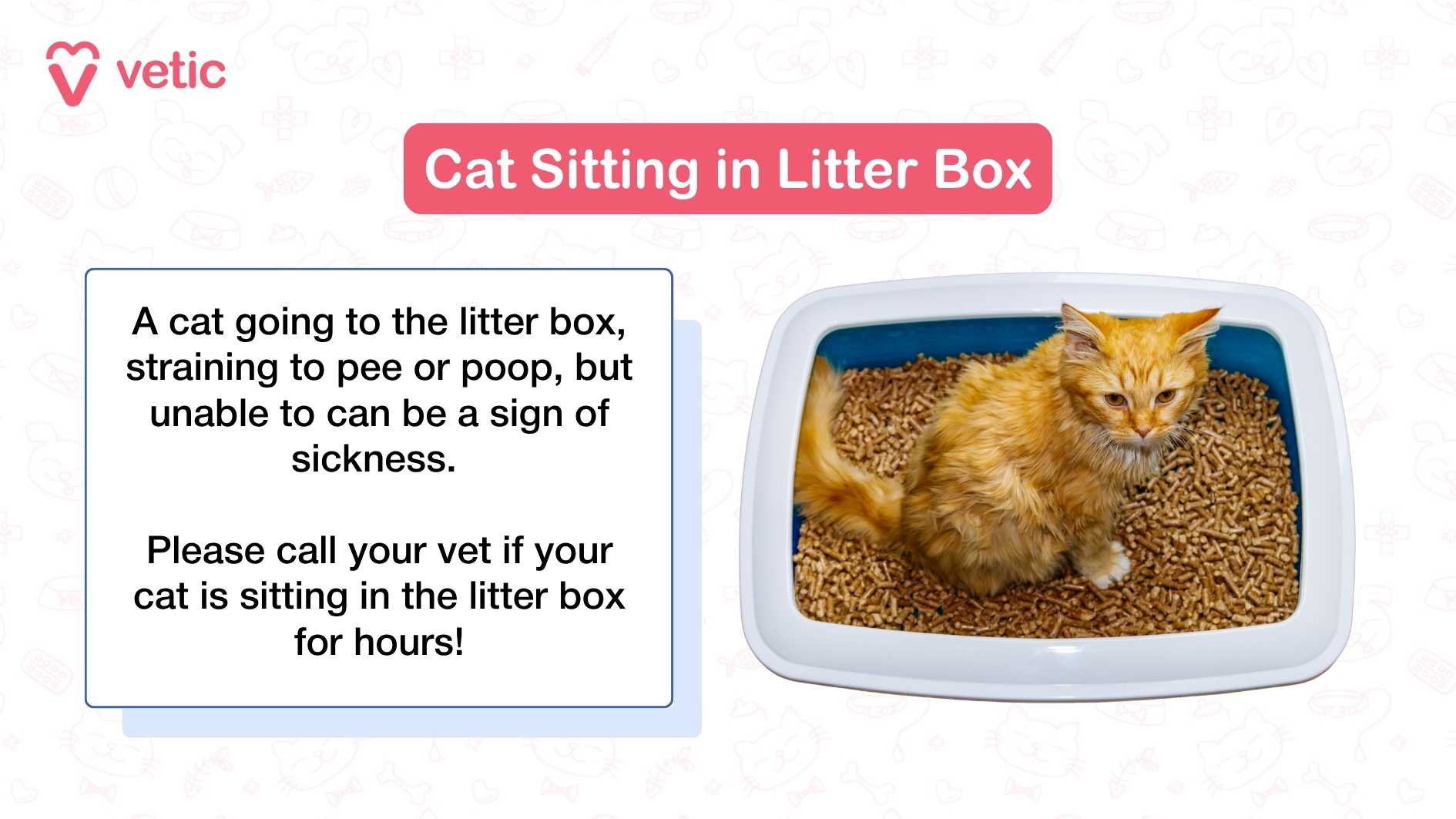
Have you ever wondered if skipping your cat’s litter box cleaning could actually harm your furry friend? You might think it’s just a simple chore, but ignoring it can lead to serious health problems for your cat.
If you care about your pet’s well-being, understanding the risks of a dirty litter box is crucial. Keep reading to discover why regular cleaning isn’t just about odor—it’s about keeping your cat happy and healthy.
Credit: vetic.in
Health Risks Of A Dirty Litter Box
A dirty litter box is more than just an unpleasant mess; it can seriously harm your cat’s health. If you skip cleaning, harmful germs and parasites can build up quickly. Your cat’s well-being depends on a clean environment, so understanding the risks can help you protect them.
Bacterial Infections
Bacteria thrive in dirty litter boxes. When your cat steps into a litter box filled with waste, their paws can pick up harmful bacteria like E. coli and Salmonella.
These bacteria can cause infections if your cat licks their paws or grooms themselves after using the box. Have you noticed your cat licking their paws more than usual? It might be a sign to clean the litter box immediately.
Parasite Exposure
Parasites such as roundworms and hookworms can live in dirty litter boxes. These parasites pose a risk not only to your cat but also to your family.
Parasites can be ingested or transmitted through contact with contaminated litter, leading to serious health issues. Regular cleaning reduces the chance of your cat picking up these unwanted guests.
Urinary Tract Issues
Cats can develop urinary tract problems when they avoid a dirty litter box. If the box smells bad or is too full, your cat might hold in their urine, leading to infections or blockages.
Blocked urinary tracts can be painful and even life-threatening. Cleaning the litter box frequently encourages your cat to use it regularly and stay healthy.
Behavioral Changes From Neglect
Neglecting your cat’s litter box can lead to more than just unpleasant smells. It can cause noticeable behavioral changes that may signal distress or illness. Watching for these signs can help you protect your cat’s well-being and maintain a happy home.
Litter Box Avoidance
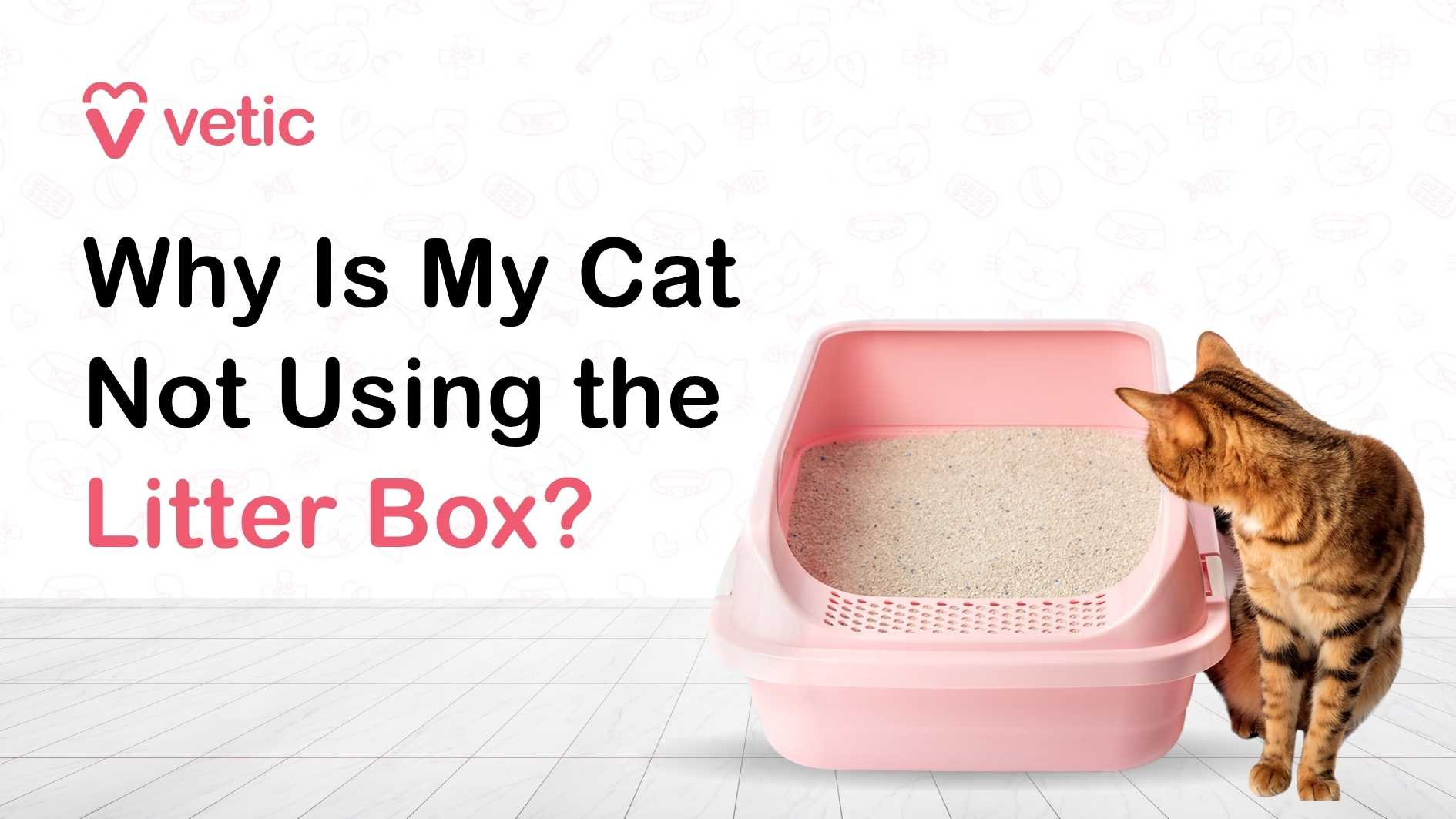
One of the first signs of litter box neglect is your cat avoiding the box altogether. Cats are clean animals by nature, and a dirty litter box can feel uncomfortable or even unsafe to them.
You might notice your cat urinating or defecating outside the box, which can be frustrating but is actually a clear message. It’s their way of telling you that the current environment is unacceptable.
Have you ever found your cat choosing a strange spot in the house to do their business? This behavior often points directly to litter box issues.
Stress And Anxiety
A dirty litter box can cause your cat significant stress. They may become restless, pace more, or hide to avoid the discomfort.
Stress can weaken their immune system, making them more vulnerable to sickness. It’s like how you feel when you’re stuck in a messy room—it’s hard to relax.
Pay attention if your cat seems on edge or less playful. These subtle changes can be a cry for help.
Aggressive Behavior
Neglecting the litter box can also lead to aggression. Your cat might hiss, swat, or avoid contact altogether.
This aggression isn’t random; it’s often frustration or anxiety manifesting as defensive behavior. Imagine how you’d react if your basic needs were ignored.
Try to notice if your cat’s attitude shifts suddenly, especially around the litter box area or when you approach them. This could be a signal to clean and reset their space immediately.
Signs Your Cat Is Unwell
Recognizing signs that your cat is unwell helps prevent serious health issues. Cats often hide sickness until it worsens. Knowing subtle changes in behavior or habits can save your cat from discomfort. Watch closely for any differences in normal activities or routines.
Changes In Urination
Frequent trips to the litter box may indicate a problem. Your cat might urinate outside the box or strain while urinating. Blood in the urine or a strong smell signals illness. Such changes often relate to infections or bladder issues caused by a dirty litter box.
Lethargy And Appetite Loss
A sick cat shows less energy and interest in playing. Your cat may sleep more than usual and avoid interaction. Loss of appetite or refusing favorite foods is a serious warning sign. These symptoms often appear when your cat feels stressed or unwell from dirty surroundings.
Unusual Grooming Habits
Cats groom to stay clean and healthy. Excessive licking or neglecting grooming can point to discomfort or pain. You might notice matted fur or bald patches developing. Dirty litter boxes can cause skin infections or irritations, leading to these grooming changes.
Credit: vetic.in
Effective Litter Box Cleaning Tips
Keeping your cat healthy involves more than just feeding and playing with them. A clean litter box is essential for their well-being. If neglected, it can lead to serious health issues for your feline friend. Here are some effective litter box cleaning tips to ensure your cat stays healthy and happy.
Daily Scooping Routine
Scooping the litter box daily is a small task with big benefits. It helps prevent unpleasant odors and reduces the risk of bacteria build-up. Make it a part of your morning or evening routine. You’ll find it’s much easier to clean a little every day than to tackle a big mess later.
Keep a scoop and a trash bag near the litter box for convenience. This way, you can quickly remove clumps and waste, ensuring your cat has a clean place to go. A clean litter box encourages your cat to use it regularly, avoiding accidents elsewhere in your home.
Deep Cleaning Schedule
Besides daily scooping, schedule a deep clean of the litter box once a week. This involves emptying all the litter and washing the box with warm water and mild soap. Avoid harsh chemicals that can leave residues and harm your cat.
Once the box is clean and dry, refill it with fresh litter. A deep clean prevents the build-up of odors and bacteria, ensuring a healthy environment for your cat. Consider setting a reminder on your phone to keep up with this weekly task.
Choosing The Right Litter
Not all litters are created equal, and choosing the right one can make a big difference. Clumping litter makes daily scooping easier, while non-clumping litter might be more budget-friendly. Experiment with different types to see which one your cat prefers.
Also, consider the dust level of the litter. Low-dust options are better for your cat’s respiratory health and keep your home cleaner. Remember, your cat’s preference is key, so observe their reaction to different litters to find the best fit.
By following these tips, you’re not only ensuring a cleaner home but also promoting your cat’s health. What other litter box cleaning tricks do you use to keep your cat happy and healthy?
Alternatives To Manual Cleaning
If you find yourself dreading the daily task of cleaning your cat’s litter box, you’re not alone. Neglecting this chore can lead to health issues for your feline friend, but luckily, there are alternatives that can ease the burden while keeping your cat safe and comfortable. These options offer convenience without compromising cleanliness.
Self-cleaning Litter Boxes
Self-cleaning litter boxes are designed to automatically scoop waste into a sealed compartment after your cat uses the box. This reduces odor and limits your exposure to dirty litter, which can be a game-changer if you have a busy schedule or mobility challenges.
Some models even have sensors that detect when your cat has finished and start the cleaning process shortly after. This helps maintain a fresh environment consistently, which is vital for your cat’s health.
Have you thought about how much time you could save each week by letting a machine handle this task? Plus, many users report fewer litter box odors and happier cats because the box stays cleaner.
Professional Cleaning Services
If self-cleaning boxes aren’t a fit for your home or budget, professional pet cleaning services can step in. These services specialize in maintaining litter boxes and ensuring they are hygienic and odor-free.
You can schedule regular visits where experts thoroughly clean the litter box, replace litter, and sanitize the area around it. This reduces your workload and keeps your cat’s environment healthy.
Imagine the peace of mind knowing a trusted professional is managing this important chore. Would outsourcing this task improve your pet care routine and your own quality of life?
Preventing Future Health Issues
Preventing future health issues in your cat starts with understanding how a dirty litter box can affect their well-being. Unclean litter boxes can lead to infections and stress, which harm your cat’s immune system over time. Taking proactive steps helps keep your feline friend healthy and happy.
Regular Vet Checkups
Visiting the vet regularly allows you to catch health problems early before they become serious. Your vet can spot signs of urinary tract infections or kidney issues that might arise from poor litter box hygiene. Ask your vet about specific health checks related to litter box habits to stay ahead of potential problems.
Think about how often you take your cat to the vet. Could more frequent visits prevent discomfort or illness linked to litter box neglect? Staying on top of vet appointments is a simple way to protect your cat’s health.
Maintaining A Clean Environment
Cleaning the litter box daily reduces bacteria buildup and keeps odors at bay. Use unscented, clumping litter for easier cleaning and to minimize irritation for your cat. Remember, a clean environment encourages your cat to use the litter box consistently, reducing stress and health risks.
Besides the litter box, keep the surrounding area tidy. Wash the box with mild soap weekly to kill germs without harming your cat. How often do you clean your cat’s space? Small daily efforts can prevent big health issues down the line.
Credit: pethelpful.com
Frequently Asked Questions
Can A Dirty Litter Box Make My Cat Sick?
Yes, a dirty litter box can cause infections and illnesses in cats. Bacteria and parasites thrive in unclean environments, leading to urinary tract infections and respiratory issues.
How Often Should I Clean My Cat’s Litter Box?
Clean the litter box daily by removing waste. Perform a full litter change and clean the box with soap weekly to maintain hygiene and prevent sickness.
What Diseases Can Cats Get From An Unclean Litter Box?
Cats can develop urinary tract infections, bladder inflammation, and parasitic infections from dirty litter boxes. Poor hygiene increases the risk of serious health problems.
Can A Dirty Litter Box Cause Behavioral Problems In Cats?
Yes, cats may avoid a dirty litter box, leading to inappropriate urination. This behavior stems from discomfort and can cause stress and anxiety.
Conclusion
Neglecting to clean a litter box can harm your cat’s health. Dirty litter boxes breed bacteria and parasites. Cats may avoid using it, causing stress and accidents. Regular cleaning keeps your cat comfortable and safe. It also helps you spot health problems early.
Clean litter boxes support your cat’s happiness and well-being. Simple care prevents many common illnesses. Keep your cat healthy by cleaning the litter box often. A little effort goes a long way for your pet’s health. Don’t wait; start cleaning today.



Leave a Reply