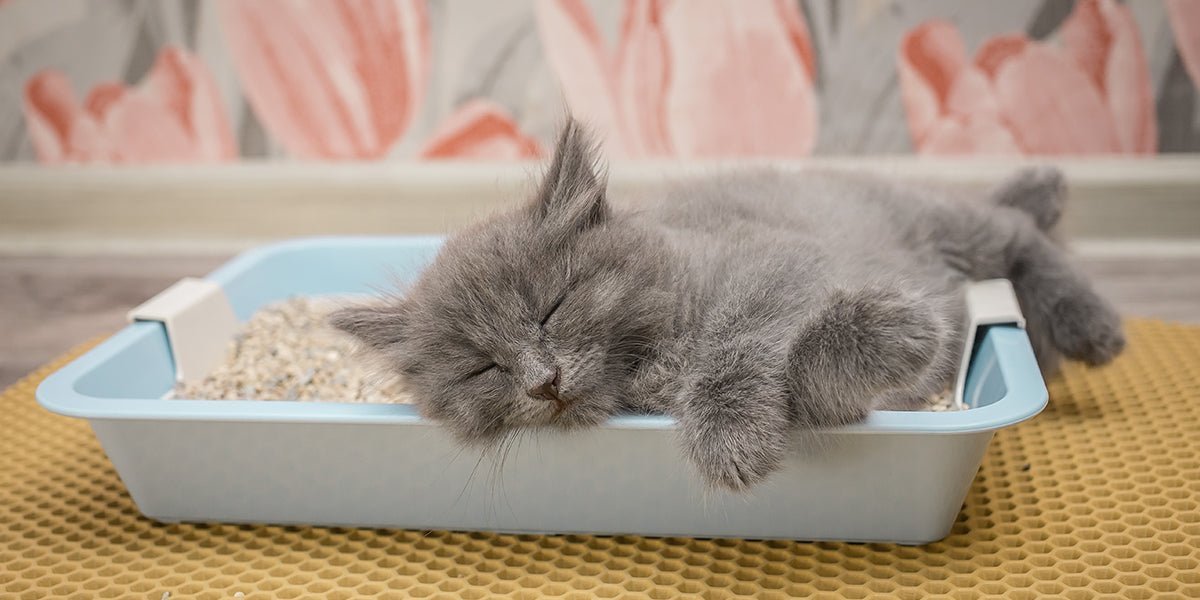
Have you ever caught your cat sleeping in its litter box and wondered why? It’s not a common sight, and it can leave you feeling puzzled or even concerned.
Understanding why your furry friend chooses this unusual spot can help you ensure their comfort and well-being. Keep reading, because uncovering the reasons behind this behavior might surprise you—and it could make a big difference in how you care for your cat.

Credit: www.yahoo.com
Unusual Cat Behavior
Sometimes cats show strange habits that puzzle their owners. Sleeping in the litter box is one of these unusual behaviors. This act may seem odd or worrying. Understanding why cats pick such spots helps us care for them better.
Common Sleep Spots For Cats
Cats love cozy, quiet places. They often sleep in:
- Sunny windowsills
- Soft cushions or beds
- Under furniture
- High shelves or cat trees
- Warm spots near heaters
These spots feel safe and comfortable. Cats look for warmth and security when they rest.
When Cats Choose The Litter Box
Choosing the litter box as a bed is unusual. It may mean:
- The cat feels stressed or scared.
- There is a health problem causing discomfort.
- The litter box is the only quiet place available.
- The cat is sick or in pain.
- The cat is marking territory or feeling insecure.
Watching your cat closely helps spot any health or behavior issues. If your cat sleeps in the litter box often, ask a vet for advice.
Health-related Causes
When your cat chooses to sleep in the litter box, it might signal health-related issues that need your attention. Cats are masters at hiding pain, so this unusual behavior can be a red flag. Understanding the potential health causes can help you respond promptly and keep your feline friend comfortable.
Illness And Discomfort
If your cat feels unwell or in pain, the litter box might seem like a safe and quiet spot. Illnesses causing general discomfort—like fever or digestive problems—can drive this behavior. You might notice your cat resting more than usual or avoiding their usual cozy places.
Have you seen your cat avoiding playtime or eating less? These signs, combined with sleeping in the litter box, suggest a vet visit is necessary. Cats often seek confined spaces when they feel vulnerable or sick.
Urinary Tract Issues
One common cause behind this behavior is urinary tract problems. Cats with urinary tract infections or blockages may associate pain with the litter box and stay close to it to avoid accidents elsewhere. This might make them sleep inside the box more often than usual.
Look for signs like frequent urination, straining, or blood in the urine. Ignoring these symptoms can lead to serious complications quickly. Acting fast can save your cat from severe discomfort or emergency situations.
Stress And Anxiety
Cats often turn to familiar, enclosed spaces when feeling stressed or anxious. Changes in the environment, new pets, or loud noises can push your cat to seek refuge in the litter box. It becomes a place where they feel protected and less exposed.
Does your cat’s behavior change after visitors arrive or during loud storms? Offering quiet, safe alternatives can help reduce this anxiety. You might also try calming sprays or pheromone diffusers to comfort your cat without forcing them to stay in the litter box.
Environmental Factors
Cats often choose to sleep in their litter boxes due to various environmental factors. Understanding these factors can help in addressing this behavior. Let’s explore some key reasons related to their environment.
Litter Box Location And Comfort
The location of the litter box greatly impacts your cat’s choice to sleep there. Cats prefer quiet, safe spots away from household noise. If the litter box is in a secluded area, it might become a preferred resting place. Comfort also plays a role. The texture and cleanliness of the litter can make the box appealing. A soft, clean litter feels inviting to lie on.
Temperature And Shelter Needs
Cats seek warm, cozy places to sleep. If the litter box is in a warm spot, it might attract your cat. Temperature influences their choice of resting areas. Cats love enclosed spaces that provide shelter. A litter box can offer a sense of security and warmth, meeting these needs.
Territorial Instincts
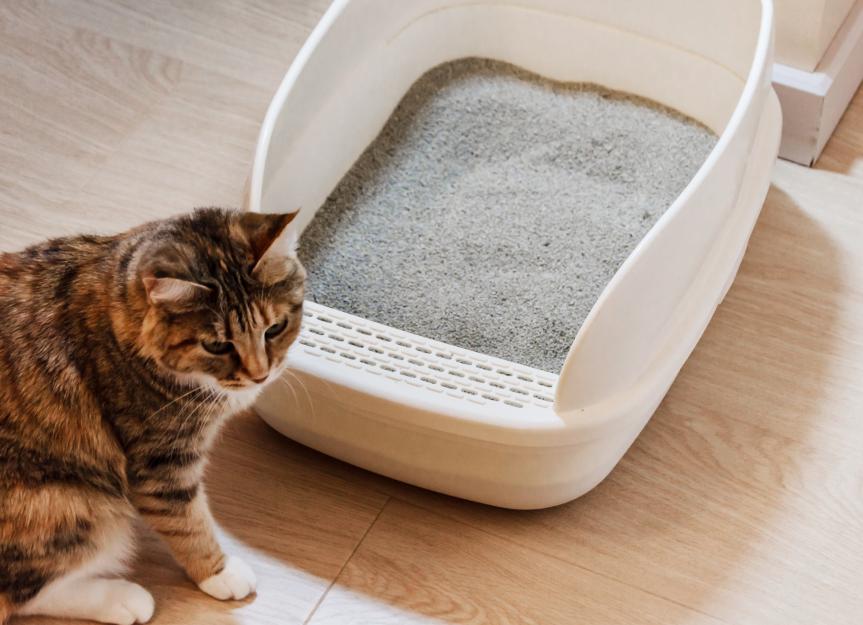
Cats are territorial animals. They have a natural instinct to claim spaces as their own. Sleeping in the litter box might be a way to mark territory. By resting there, they establish it as part of their domain. This behavior is more common in multi-cat households. Cats might sleep in the box to assert dominance or comfort.
Credit: www.petmd.com
Behavioral Reasons
Understanding why your cat chooses to sleep in the litter box often leads us to explore their behavior. Cats use their environment to communicate and feel safe. Behavioral reasons can reveal much about their emotional state and daily habits.
Seeking Security
Your cat might see the litter box as a secure spot. It’s a small, enclosed space that can make them feel protected from potential threats. If your cat is stressed or anxious, they may retreat there for comfort.
Have you noticed if your cat sleeps in the litter box during times of change, like moving homes or new pets arriving? This behavior often signals they are looking for a safe zone.
Habit Formation
Cats are creatures of habit, and sometimes they develop unusual routines. If your cat once felt sick or frightened near the litter box, they might associate it with a place to rest. This can turn into a habit that’s hard to break.
Try observing when the behavior started. Did your cat recently recover from illness or injury? Understanding this can help you guide them back to more appropriate sleeping areas.
Attention-seeking Actions
Sometimes cats sleep in the litter box simply because it gets your attention. If they notice you react strongly—whether with concern or surprise—they might repeat the behavior.
Ask yourself if your cat feels ignored or lonely. Increasing playtime and interaction can reduce attention-seeking behaviors like this.
How To Address The Issue
If your cat is sleeping in the litter box, it’s important to take steps that can help resolve this unusual behavior. Addressing the issue involves making the litter box more appealing, checking your cat’s health, and offering better resting spots. These actions work together to make your cat feel safe and comfortable in the right places.
Improving Litter Box Conditions
Start by cleaning the litter box more frequently. Cats dislike dirty boxes, but if your cat is sleeping there, it might feel secure despite the mess. Try using unscented, clumping litter and ensure the box is in a quiet, low-traffic area.
Consider adding a second litter box in a different spot. This helps your cat choose where to go and rest, reducing stress. Have you noticed if your cat avoids the box when it’s too small or covered?
Monitoring Cat’s Health
Sleeping in the litter box can signal pain or illness. Watch for signs like frequent urination, lethargy, or hiding. A vet visit is crucial to rule out urinary tract infections or other health problems.
Keep a journal of your cat’s behavior and bathroom habits. This record can help your vet diagnose the issue faster. Do you observe any changes in appetite or mood alongside this behavior?
Creating Comfortable Alternatives
Provide cozy, quiet resting spots away from the litter box. Soft beds, blankets, or heated mats can attract your cat to sleep elsewhere. Place these in safe corners where your cat likes to relax.
Try adding familiar scents like your worn T-shirt or a favorite toy near these spots. Your cat might prefer these comforting smells over the litter box. Have you experimented with different bedding materials to see what your cat likes best?

Credit: meowant.com
Frequently Asked Questions
Why Do Cats Sleep In Their Litter Boxes?
Cats may sleep in litter boxes due to stress, illness, or lack of safe spaces. The box feels secure and enclosed, providing comfort. It can also indicate medical issues like urinary tract infections or pain. Observing behavior and consulting a vet is important for your cat’s health.
Is It Normal For Cats To Sleep In Litter Boxes?
Sleeping in a litter box is not typical cat behavior. It usually signals discomfort, anxiety, or health problems. Cats prefer cozy, clean resting spots. If your cat frequently sleeps in the litter box, consider environmental changes and a vet check to rule out medical causes.
Can Litter Box Sleeping Indicate Cat Illness?
Yes, cats often sleep in litter boxes when feeling unwell. Conditions like urinary infections or digestive pain cause them to seek comfort nearby. This behavior helps them feel secure and close to relief. Prompt veterinary attention is essential to diagnose and treat any illness.
How Can I Stop My Cat From Sleeping In The Litter Box?
Provide your cat with cozy, quiet resting areas away from the litter box. Clean the box regularly and reduce stress triggers. If the behavior continues, consult a vet to rule out health issues. Positive reinforcement and environmental enrichment can help your cat feel secure elsewhere.
Conclusion
Cats sleeping in the litter box often signal stress or health issues. Watch your cat’s behavior closely and keep the litter box clean. Provide a quiet, safe space for your cat to rest. Consult a vet if the habit continues or seems unusual.
Understanding your cat’s needs helps create a happier home. Keep patience and care as you support your furry friend. Small changes can make a big difference in their comfort. Every cat deserves a cozy, calm place to sleep.



Leave a Reply