Have you ever walked into a room only to find that your cat has left a surprise outside their litter box? It’s frustrating, confusing, and can leave you wondering, “Why did my cat poop outside the litter box?” Understanding the reasons behind this behavior is the first step to fixing it.
You’ll discover the common causes and simple solutions that can help you get your cat back on track. Keep reading—you’ll be glad you did.
Credit: vetic.in
Common Causes
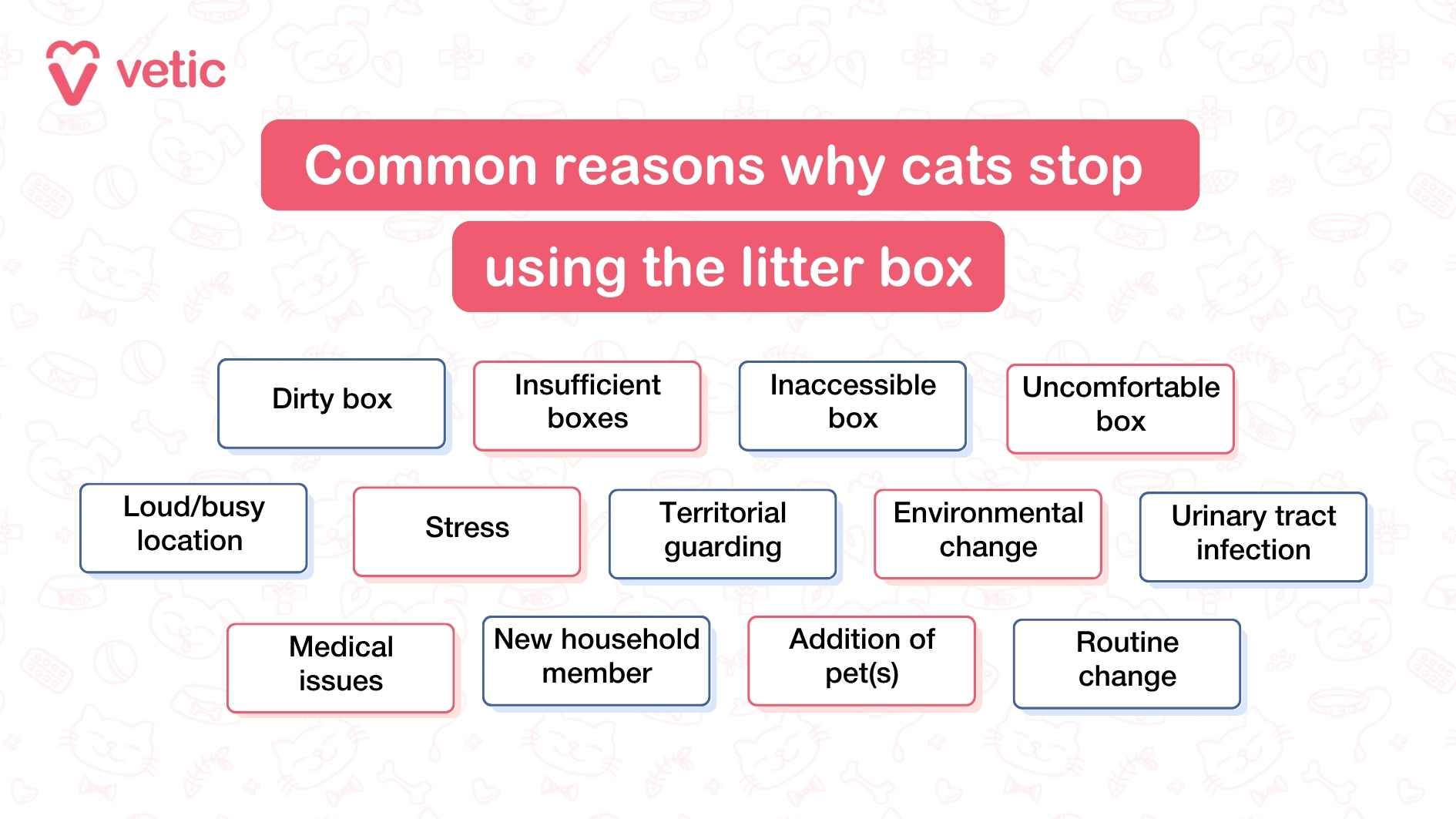
Understanding why your cat poops outside the litter box can be frustrating. There are several common causes behind this behavior, and identifying the right one can help you address the problem effectively. Let’s break down the usual reasons your feline friend might be avoiding their litter box.
Health Issues
Sometimes, health problems are the root cause of litter box avoidance. Cats with urinary tract infections, constipation, or gastrointestinal issues often associate pain with using the litter box. This discomfort can lead them to seek alternate spots to relieve themselves.
If your cat suddenly changes their bathroom habits, it’s a good idea to visit the vet. Ignoring this might worsen their condition and the behavior.
Litter Box Problems
Your cat might be rejecting the litter box due to its condition or location. A dirty box, strong-smelling litter, or one placed in a noisy area can discourage your cat from using it. Cats prefer a clean, quiet, and easily accessible spot for their bathroom needs.
Have you checked if the box is big enough or if the litter type suits your cat’s preference? Sometimes, switching to unscented litter or adding an extra box can make a big difference.
Stress And Anxiety
Stress is a silent trigger for many cat behaviors, including pooping outside the litter box. Changes like a new pet, moving homes, or loud noises can unsettle your cat. This anxiety can cause your cat to act out or avoid their usual bathroom spot.
Observe your cat’s environment and consider what might be stressing them. Adding calming products or creating a safe space could ease their worries and restore good habits.
Territorial Marking
Cats often use their waste to mark territory, especially in multi-cat households. Pooping outside the litter box can be a way to assert dominance or respond to another cat’s presence. This behavior might increase if your cat feels their territory is threatened.
Are you noticing any signs of tension between your cats? Providing multiple litter boxes and separate resources can help reduce territorial disputes and encourage proper litter box use.
Litter Box Solutions
Addressing litter box issues can quickly improve your cat’s bathroom habits and your home’s cleanliness. Sometimes, the problem lies not with your cat but with the litter box setup itself. Small changes to the litter, box placement, or maintenance routine can make a big difference in encouraging your cat to use the litter box consistently.
Choosing The Right Litter
Not all cat litters are created equal. Cats often prefer unscented, fine-grained litters because they feel softer on their paws. If your cat suddenly avoids the box, try switching to a different type of litter—clumping clay, silica gel, or natural alternatives like corn or wheat-based litters.
Have you noticed if your cat reacts to scented litters? Many cats dislike strong fragrances and may avoid the box because of them. Pay attention to your cat’s preferences and be willing to experiment a bit.
Cleaning And Maintenance
A clean litter box is essential. Cats are clean animals and may refuse to use a box that smells or looks dirty. Scoop the box at least once daily and completely change the litter and wash the box with mild soap weekly.
If your cat is elderly or has health issues, a dirty box might be even more off-putting. Keeping the box spotless can prevent accidents outside the box and keep your cat comfortable.
Box Placement Tips
Where you put the litter box matters. Cats want privacy but also easy access. Avoid placing the box near loud appliances, heavy foot traffic, or areas that are difficult to reach.
Have you tried moving the box to a quieter, more secluded spot? Sometimes a simple relocation can solve the problem. Also, avoid putting the box near their food and water bowls, as cats dislike eating near their bathroom.
Number Of Litter Boxes
Many cat owners don’t realize that having just one box can cause issues, especially in multi-cat households. The general rule is to have one box per cat plus one extra. This reduces competition and territorial problems.
Even if you have only one cat, placing multiple boxes in different locations can help. It gives your cat options and reduces the chance of accidents if one box becomes unavailable or undesirable.
Addressing Health Concerns
Understanding why your cat pooped outside the litter box is essential. Health issues could be a significant factor. Ignoring these signs might worsen the situation. Being proactive helps your cat stay healthy and comfortable.
When To See A Vet
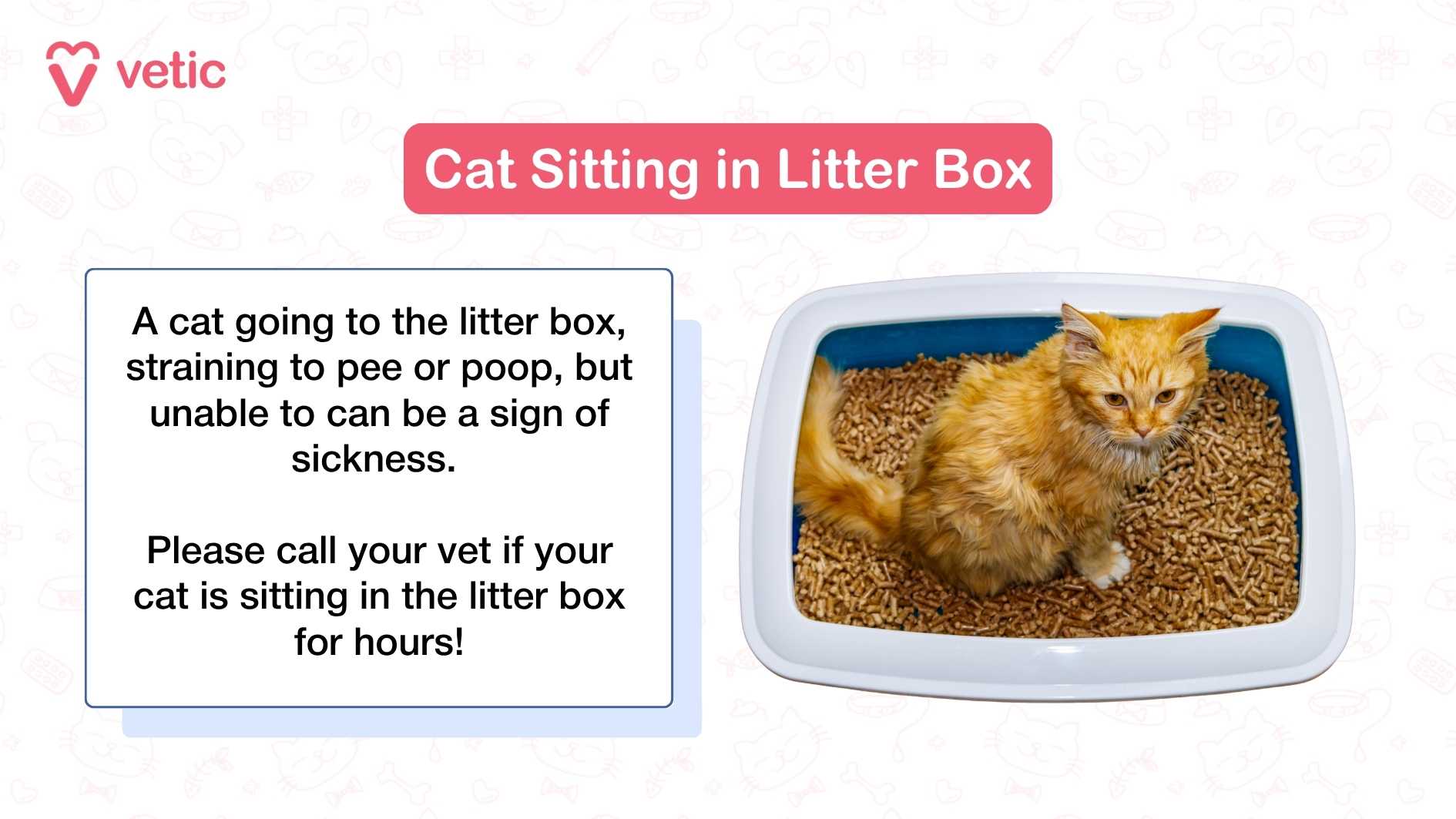
Notice any changes in your cat’s habits? It’s time to consult a vet. Sudden changes in bathroom behavior are concerning. A vet visit can rule out serious health issues. Early detection of problems is vital.
Common Medical Conditions
Certain medical conditions cause litter box avoidance. Urinary tract infections are common culprits. They cause discomfort during urination. Bladder stones can also lead to accidents outside the box. Constipation might make pooping painful. Cats may associate the box with pain.
Medication And Treatment
Your vet will suggest suitable treatments. Antibiotics treat infections effectively. Pain relief is crucial for bladder stones. Dietary changes help with constipation. Proper medication can restore your cat’s comfort. Follow your vet’s advice for best results.
Credit: vetic.in
Reducing Stress
Stress can be a major reason your cat avoids the litter box. Cats are sensitive creatures, and small changes in their environment or routine can create anxiety. Reducing stress is key to helping your cat feel safe and comfortable enough to use the litter box consistently.
Identifying Stress Triggers
Start by observing your cat’s behavior closely. Has anything changed recently—like new furniture, visitors, or even a different cleaning product for the litter box? These subtle shifts can unsettle your cat.
Try to pinpoint specific moments or situations that make your cat anxious. Does your cat hide or meow more? Noticing these signs can guide you toward the real cause of their stress.
Environmental Enrichment
Creating a stimulating environment helps reduce boredom and anxiety. Add scratching posts, interactive toys, and cozy hideouts to your cat’s space. These enrichments give your cat a sense of control and comfort.
Consider placing multiple litter boxes in quiet, low-traffic areas. Cats often prefer privacy when they go, so a calm, secure spot can make a big difference.
Calming Products
Calming aids can be helpful when stress levels are high. Items like pheromone diffusers or sprays mimic natural calming scents your cat recognizes.
Supplements with ingredients like L-theanine or valerian root may also ease anxiety. Always consult your vet before introducing new products to ensure they’re safe for your cat.
Behavioral Training
Behavioral training plays a key role in teaching cats to use their litter box. Cats learn habits through experience and feedback. Proper training helps guide them toward desired behavior. It also reduces accidents outside the box. This process takes time and care. Understanding how cats think helps improve training results.
Positive Reinforcement
Reward good behavior to encourage repetition. Use treats, petting, or praise when your cat uses the litter box. This creates a positive connection with the right actions. Avoid punishment, as it may cause fear or stress. Instead, focus on celebrating successes to build trust and good habits.
Deterring Unwanted Behavior
Discourage pooping outside the box gently. Clean accidents thoroughly to remove odors that attract repeat offenses. Use safe deterrents like double-sided tape or aluminum foil on problem spots. Limit access to these areas until the cat stops going there. Redirect your cat to the litter box calmly and patiently.
Consistency And Patience
Keep a regular routine for feeding and litter box cleaning. Cats respond well to consistency and predictability. Be patient; training takes days or weeks. Avoid sudden changes that confuse your cat. Monitor progress and adjust your approach as needed. Stay calm and persistent for the best results.

Credit: www.reddit.com
Preventing Future Issues
Preventing your cat from pooping outside the litter box involves more than just cleaning up after accidents. It requires a proactive approach to your cat’s health, environment, and behavior. Taking steps early can save you from frustration and keep your feline friend comfortable and happy.
Regular Vet Checkups
Health issues like urinary tract infections or digestive problems often cause litter box avoidance. Regular vet visits help catch these issues before they become serious. Have you noticed any changes in your cat’s appetite or energy? Mention those during the checkup—it could be a vital clue.
Routine Litter Box Care
Cleanliness is key. Cats are very particular about their litter boxes, so scooping daily and changing the litter regularly makes a big difference. Don’t forget to wash the box with mild soap weekly to remove odors. Is your cat’s box in a quiet, accessible spot? Location matters as much as cleanliness.
Monitoring Cat Behavior
Watch for signs of stress or anxiety, like hiding or changes in grooming. These can trigger litter box problems. Try to identify any new triggers—maybe a new pet or loud noises. Keeping a journal of your cat’s habits can reveal patterns you might miss otherwise.
Frequently Asked Questions
Why Is My Cat Pooping Outside The Litter Box?
Cats may poop outside due to stress, health issues, or litter box problems. Check for cleanliness, medical conditions, or environmental changes to identify the cause.
Can Health Problems Cause Litter Box Avoidance?
Yes, urinary tract infections or digestive issues can make cats avoid the litter box. Consult a vet if your cat suddenly stops using it.
How Does Litter Box Cleanliness Affect Cat Behavior?
Cats dislike dirty litter boxes and may poop elsewhere. Clean the box daily to encourage consistent use and prevent accidents.
Can Stress Make My Cat Poop Outside The Box?
Yes, stress from new pets, moves, or changes can cause this behavior. Provide a calm environment and multiple litter boxes to reduce stress.
Conclusion
Cats may poop outside the litter box for many reasons. Stress, health issues, or litter problems often cause this. Watch your cat’s behavior closely to find clues. Keep the litter box clean and in a quiet spot. Try different types of litter to see what your cat likes.
If problems continue, visit a vet to rule out illness. Patience and care help your cat feel safe and comfortable. Understanding your cat’s needs leads to a happier home for both of you.



Leave a Reply