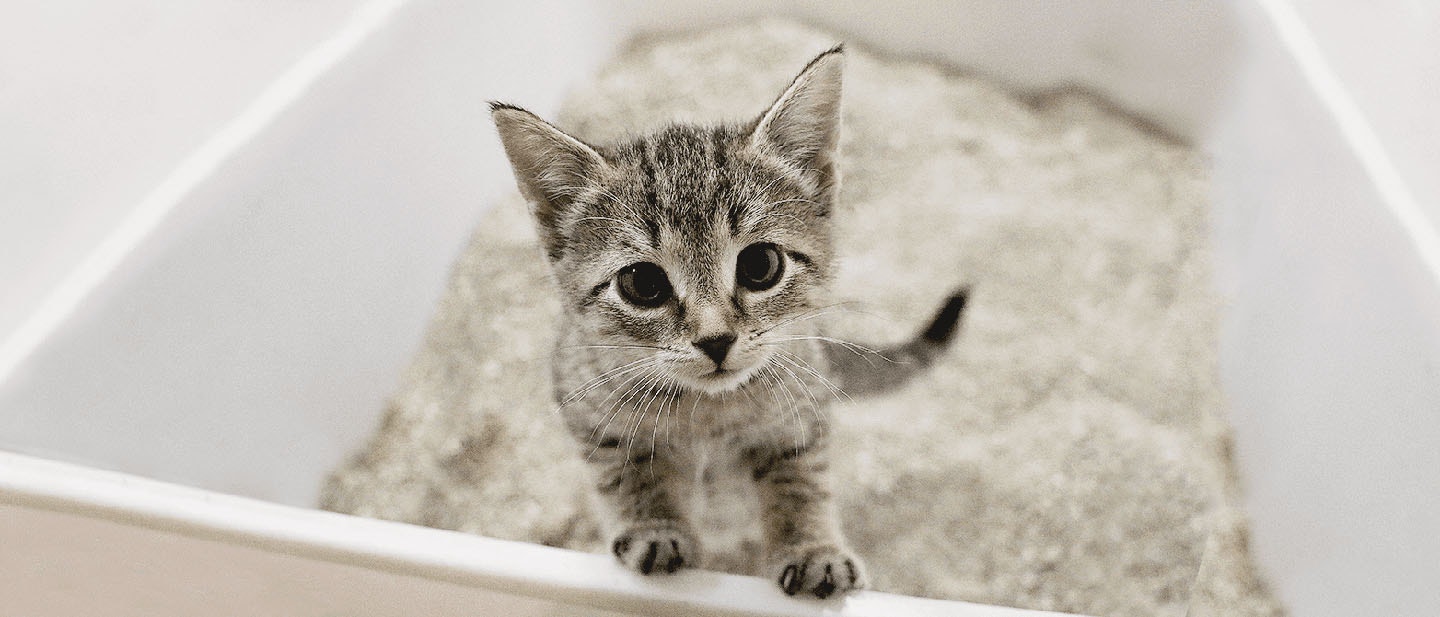
Are you tired of constantly cleaning up after your cat? Imagine a home where your furry friend uses the toilet just like you do.
Potty training a cat might sound impossible, but it’s easier than you think. You’ll discover simple, step-by-step methods to teach your cat to use the toilet. You’ll save time, reduce mess, and enjoy a cleaner living space. Ready to change the way your cat handles bathroom time?
Keep reading, because what you learn here could transform your daily routine.
Choosing The Right Equipment
Choosing the right equipment helps make potty training your cat easier. The right tools support your cat’s learning and comfort. It also keeps your bathroom clean and organized. Focus on selecting a cat toilet trainer and preparing the bathroom setup. These steps create a smooth training process for your pet.
Selecting A Cat Toilet Trainer
Choose a cat toilet trainer designed for safety and ease of use. Look for models with adjustable sizes to fit your toilet. Trainers with removable trays help your cat transition slowly. Choose durable materials that are easy to clean. Avoid trainers with sharp edges or small parts that your cat could swallow.
Preparing The Bathroom Setup
Place the cat toilet trainer on the toilet seat securely. Make sure the bathroom is quiet and free from distractions. Keep the toilet lid open at all times during training. Maintain a clean and dry area around the toilet. Provide easy access for your cat with a step or ramp if needed. Consistency in setup helps your cat feel safe and confident.

Credit: www.amazon.com
Getting Your Cat Ready
Preparing your cat for toilet training requires patience and gentle guidance. Cats need time to adjust to new habits. Start by making changes slowly to avoid stress. This phase helps your cat feel safe and comfortable.
Introducing The Litter Box To The Toilet
Place the litter box near the toilet. This helps your cat associate the toilet area with their usual spot. Gradually raise the litter box using books or boxes. Raise it a few inches every few days. This simulates the height of the toilet seat.
Once the litter box is level with the toilet, move it closer. Eventually, place the litter box on the toilet seat. Let your cat use it there for a while. This step helps them get used to the new location.
Encouraging Familiarity With Water
Cats often dislike water, so introduce it carefully. Start by placing a small amount of water in the toilet bowl. Allow your cat to explore without pressure. Praise them for curiosity or calm behavior near water.
Use positive reinforcement like treats or gentle petting. Slowly increase your cat’s time near the water. This reduces fear and builds confidence. A relaxed cat learns faster and adapts well to toilet training.
Step-by-step Training Process
Training a cat to use the toilet is an exciting journey. It requires patience and consistency. Start with a step-by-step approach. This method ensures a smooth transition for your feline friend. Follow these detailed steps to make the process easier.
Gradual Lifting Of The Litter Box
Begin by slowly raising the litter box. Place a stack of newspapers or books under it. Elevate it a few inches every few days. This mimics the height of a toilet. Ensure the box is stable and secure. Watch your cat’s behavior closely. Make adjustments if needed.
Using The Toilet Trainer Insert
Introduce a toilet trainer insert. These are designed to fit over your toilet. Place a small amount of litter inside it. Encourage your cat to use it. This step helps them get used to the new setup. Reward your cat with treats or praise.
Reducing Litter Gradually
Slowly reduce the amount of litter in the insert. Do this over several weeks. This helps your cat adapt to the toilet’s surface. Monitor your cat’s reaction. Adjust the pace according to their comfort. Keep the process stress-free.

Credit: www.purina.com
Troubleshooting Common Challenges
Potty training a cat can bring challenges that test your patience. Understanding common problems helps you find the right solutions fast. Troubleshooting is key to keep progress steady and stress low. Let’s explore how to handle accidents and manage your cat’s fears or resistance during training.
Dealing With Accidents
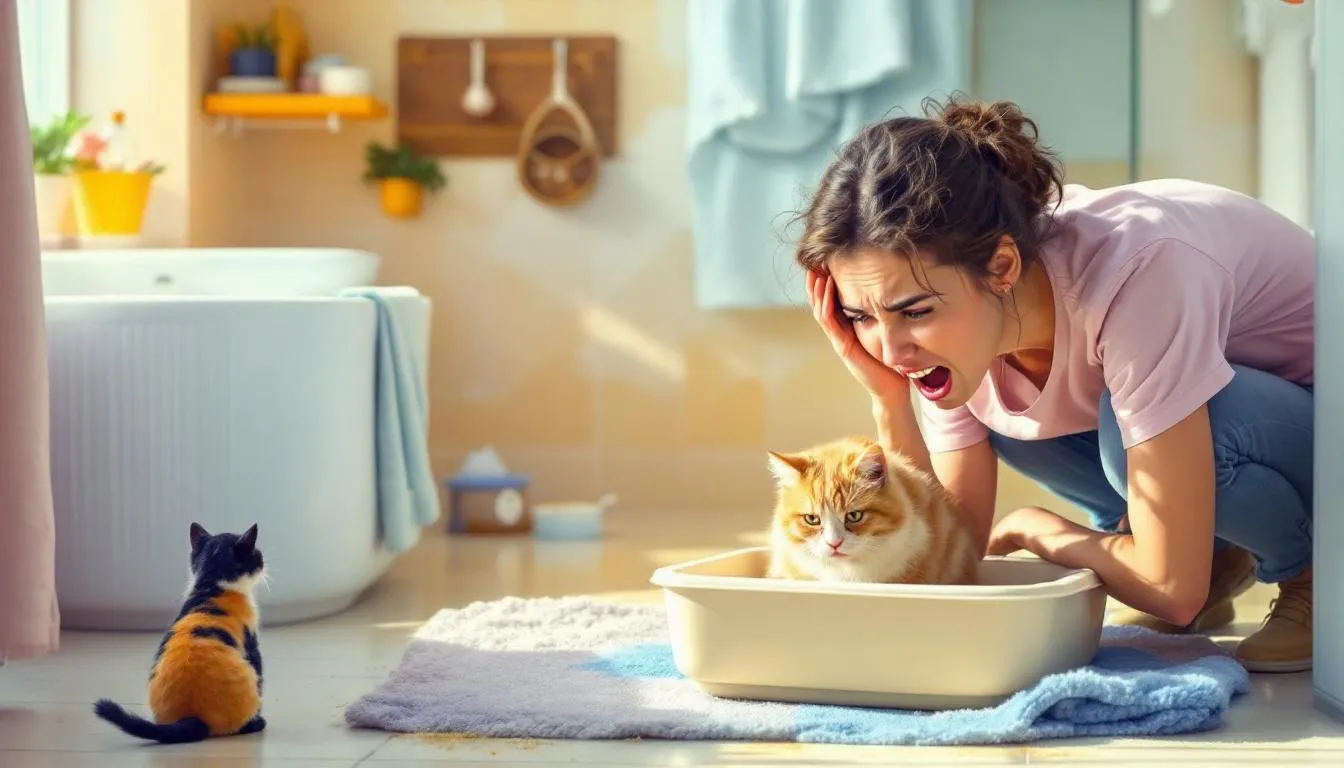
Accidents happen often while potty training a cat. Stay calm and avoid scolding. Cats respond better to gentle guidance. Clean the area thoroughly to remove smells. Use enzyme cleaners to stop repeat marking.
- Place extra litter boxes in different spots.
- Check if the box is clean and easily accessible.
- Observe any health issues that cause accidents.
- Reward your cat for using the litter box correctly.
Managing Resistance Or Fear
Some cats fear the litter box or new potty training methods. Watch for signs of stress like hiding or refusing to enter the box. Make the box inviting by using familiar litter. Keep the environment quiet and safe. Introduce changes slowly to build confidence.
- Use soft voices and gentle petting near the box.
- Offer treats to create positive associations.
- Let the cat explore the box without pressure.
- Consult a vet if fear continues or worsens.
Maintaining Good Habits
Maintaining good habits is key to keeping your cat comfortable and consistent with potty training. The progress you make can easily slip away if you neglect the environment or forget to encourage your cat. Staying attentive to small details will help your cat feel secure and make the habit stick.
Cleaning The Toilet Area
Keep the toilet area clean and free of odors. Cats are very particular about hygiene, and a dirty seat or surrounding space can discourage them from using it again.
Use unscented, pet-safe cleaners to avoid irritating your cat’s sensitive nose. Avoid harsh chemicals that might deter your cat from approaching the toilet.
Check the toilet seat regularly for water splashes or litter bits. A tidy area signals to your cat that this is their designated spot.
Rewarding Positive Behavior
Positive reinforcement is powerful. Every time your cat uses the toilet successfully, reward them immediately with a treat or gentle praise.
Timing matters—rewards should come right after the behavior to help your cat connect the dots. You might find your cat even looks forward to these little celebrations.
Sometimes, small rewards can mean a lot, such as extra playtime or a favorite toy. What type of reward does your cat respond to best? Experiment and notice what motivates your furry friend most effectively.

Credit: www.purina.com
When To Seek Professional Advice
Potty training a cat usually goes smoothly with patience and consistency. Sometimes, challenges arise that need expert help. Knowing when to seek professional advice can save time and reduce frustration. Early intervention often prevents bigger problems. Watch for signs that suggest your cat needs more support or assessment.
Recognizing Behavioral Issues
Watch for frequent accidents outside the litter box. Notice if your cat avoids the box completely. Spot signs like scratching or digging excessively around the house. Observe sudden changes in bathroom habits or anxiety around the litter area. These behaviors may indicate stress or health problems. Persistent refusal to use the litter box deserves attention.
Consulting A Veterinarian Or Trainer
A veterinarian can check for infections or medical conditions causing issues. Health problems often mimic bad behavior in cats. A professional trainer specializes in animal behavior and litter training techniques. Trainers can suggest tailored strategies for your cat’s needs. Seek help quickly to protect your cat’s wellbeing. Early guidance improves chances of success.
Frequently Asked Questions
How Long Does It Take To Potty Train A Cat?
Potty training a cat usually takes 2 to 6 weeks. Consistency and patience are key for success. Each cat learns at its own pace, so progress may vary.
What Tools Do I Need To Potty Train My Cat?
You will need a cat toilet training kit, treats, and patience. The kit typically includes a training seat that fits on your toilet. Positive reinforcement helps speed up learning.
Can All Cats Be Potty Trained Successfully?
Most cats can be potty trained with proper guidance and patience. Age, personality, and past habits affect success. Younger cats tend to learn faster than older ones.
How Do I Start Potty Training My Cat?
Begin by moving your cat’s litter box closer to the toilet. Gradually raise the box’s height until it reaches toilet level. Then, transition to the training seat on the toilet.
Conclusion
Potty training a cat takes patience and gentle guidance. Start slow and be consistent each day. Reward good behavior to encourage learning. Expect some accidents; it’s part of the process. Keep the training area clean and inviting. Watch your cat’s progress and adjust as needed.
Soon, your cat will use the potty with ease. This simple change can improve your home’s cleanliness. Enjoy the bond you build through training time. Stay calm and positive throughout the journey. You can help your cat learn this new skill.

Leave a Reply