Are you unsure about how much cat litter to put in your cat’s box? Getting the right amount can make a big difference for both you and your furry friend.
Too little litter can lead to messes and bad odors, while too much can waste money and make cleaning harder. You’ll learn the simple steps to find the perfect balance. Keep reading to discover easy tips that will keep your cat happy and your home fresh.
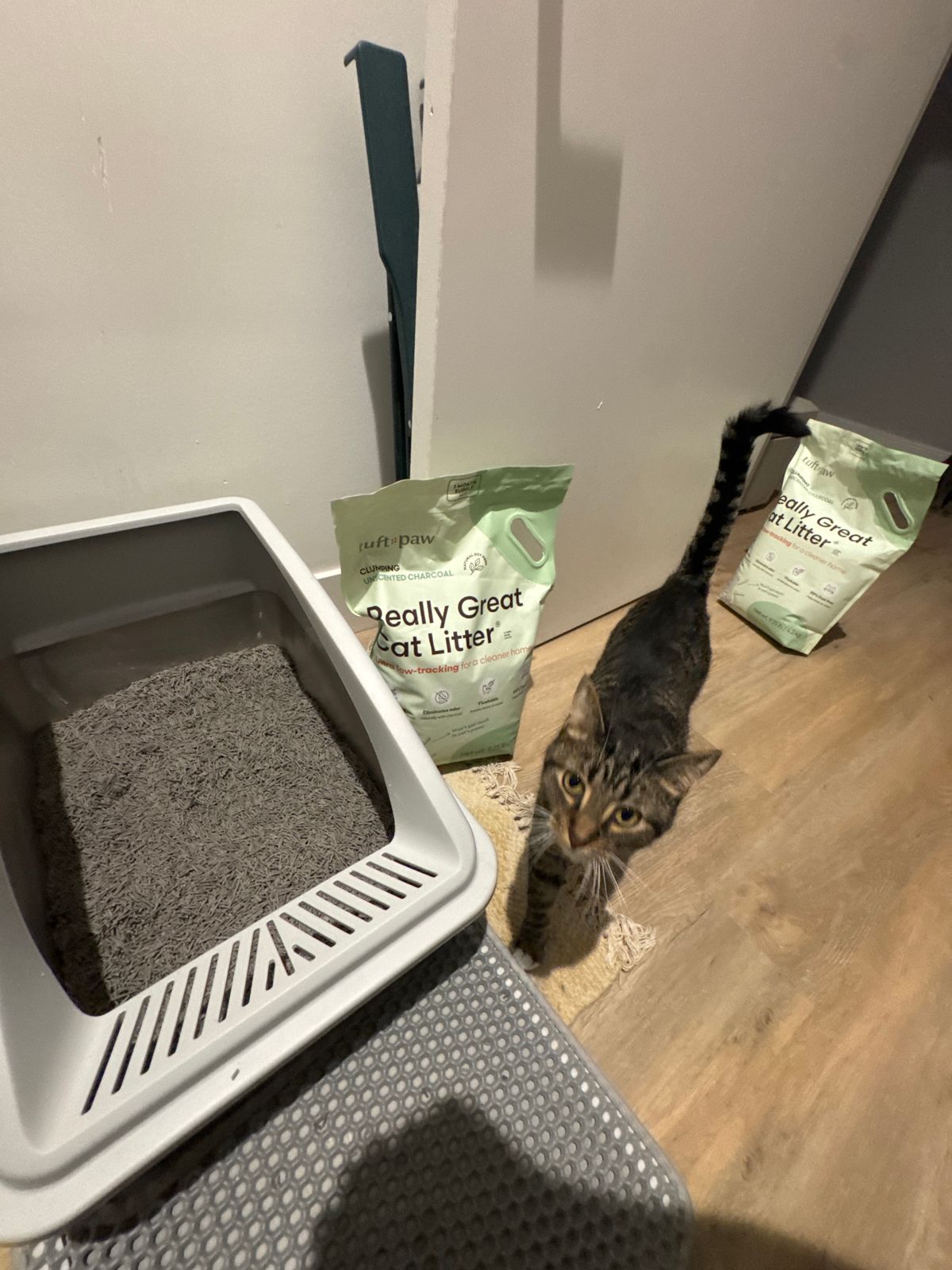
Credit: www.tuftandpaw.com
Choosing The Right Litter Box Size
Choosing the right litter box size is important for your cat’s comfort and hygiene. A box that is too small can make your cat feel cramped. A box that is too large might waste litter and space. The right size helps your cat move freely and cover their waste properly.
Think about your cat’s size and habits before picking a litter box. Some cats prefer more room to dig and turn around. Others may like a cozy, snug space. Matching the box size with your cat’s needs keeps them happy and clean.
Measure Your Cat’s Length And Height
Measure your cat from nose to tail. Also, check their height when standing. The litter box should be at least 1.5 times your cat’s length. This gives enough space for turning and digging. The sides should be tall enough to prevent litter scatter but low enough to enter easily.
Consider Your Cat’s Age And Mobility
Kittens and older cats may need smaller or lower boxes. Young cats grow fast, so choose a box that fits their current size and future growth. Senior cats might struggle with tall sides. A box with a low entrance helps them get in and out easily.
Think About Multiple Cats
Households with more than one cat need larger or multiple boxes. Cats prefer their own space. A bigger box reduces fights and mess. Follow the rule of one box per cat plus one extra box. This keeps litter areas cleaner and cats more comfortable.
Types Of Litter Boxes And Their Sizes
- Open litter boxes offer more space but less privacy.
- Covered boxes contain odors but can feel cramped.
- Self-cleaning boxes vary in size and shape.
Choose a box type that fits your cat’s personality and your home space.
Recommended Litter Depth For Cats
Understanding the ideal litter depth is crucial for cat comfort. Cats are particular about their litter box environment. The right depth can encourage consistent use and ensure hygiene. Let’s explore how to find the perfect litter depth for your feline friend.
General Guidelines
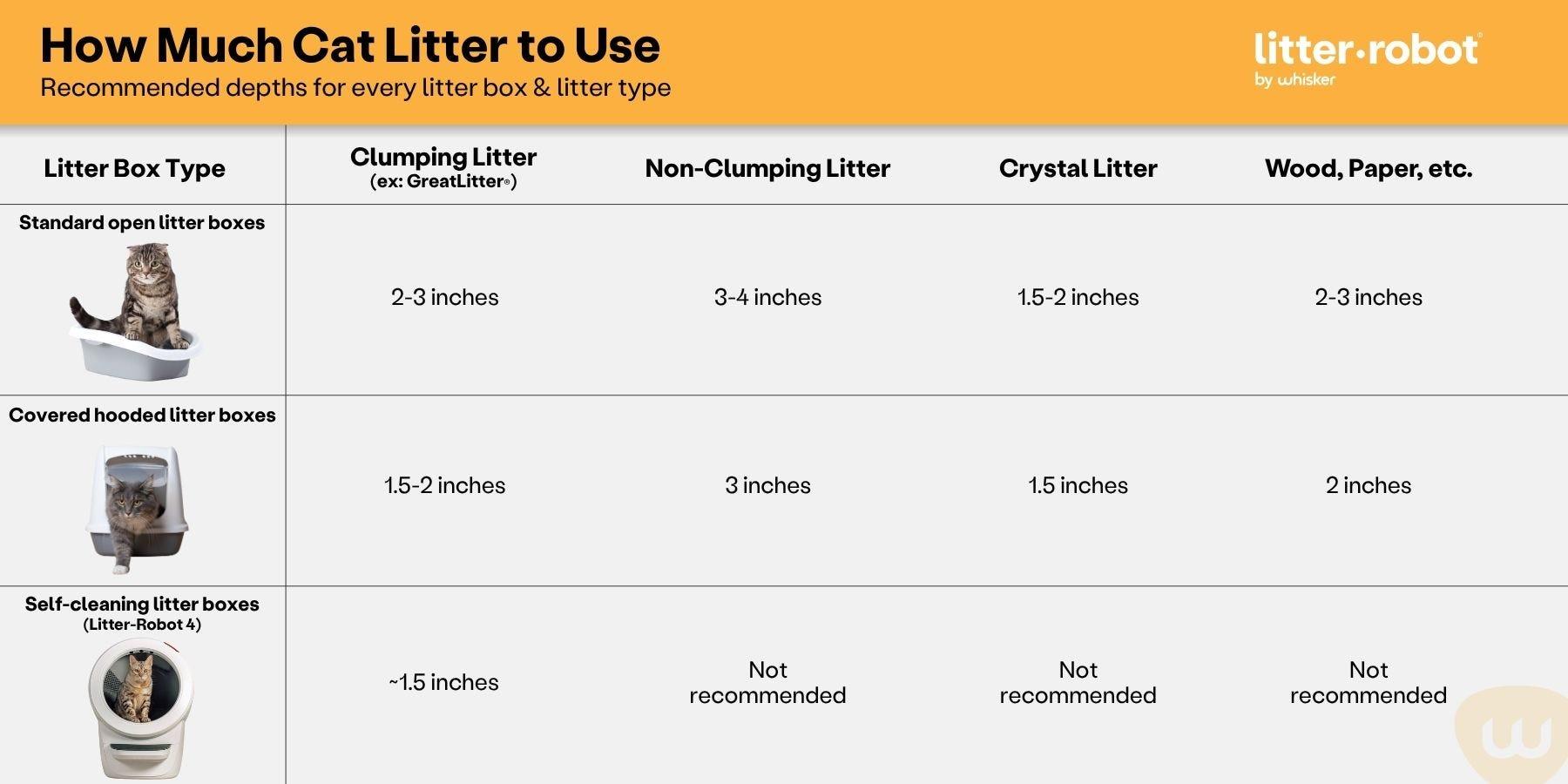
Most experts suggest a litter depth of 2 to 3 inches. This allows cats to dig and cover their waste effectively. A shallow depth might lead to messes outside the box. Too much litter can be wasteful and expensive. Start with 2 inches and adjust based on your cat’s behavior.
Adjusting For Cat Preferences
Every cat has unique preferences. Observe how your cat interacts with the litter. Some cats prefer a deeper layer to dig comfortably. Others may like a shallower depth for easier navigation. Adjust the depth incrementally to meet your cat’s needs.
Different Types Of Cat Litter
The type of litter affects the required depth. Clumping litter typically needs less depth. It forms solid clumps, making cleaning easier. Non-clumping litter may require a bit more depth. It absorbs moisture but doesn’t form clumps. Natural or pellet litter types usually need around 3 inches. Always monitor your cat’s comfort and adjust accordingly.
Impact Of Litter Depth On Odor Control
The depth of cat litter in your box plays a crucial role in managing odors. Too little litter may not absorb moisture effectively, leading to stronger smells. Too much litter, on the other hand, can make cleaning harder and might even waste material without improving odor control.
I once kept only an inch of litter in my cat’s box, thinking less mess was better. The odor quickly became noticeable, especially after a day or two. Increasing the depth improved the situation significantly, proving that the amount of litter matters more than I expected.
How Litter Depth Absorbs Moisture And Controls Smell
Odor mainly comes from urine and feces. A thicker layer of litter absorbs urine better, keeping it away from the box’s bottom where smells can get trapped. This absorption slows down the release of odors and helps maintain a fresher environment for longer.
But adding too much litter doesn’t necessarily mean better odor control. Once the litter is saturated, extra depth won’t absorb more moisture and can make scooping more difficult.
Optimal Litter Depth For Different Types Of Litter
Not all litters work the same. Clumping litters usually need about 2 to 3 inches to form solid clumps that trap odor well. Non-clumping litters might require a deeper layer to absorb moisture, often around 3 to 4 inches.
Consider the litter texture and your cat’s preference as well. Some cats prefer shallow litter, while others like to dig deeper. Balancing depth for odor control and your cat’s comfort is key.
Signs Your Litter Depth Needs Adjustment
- Strong or persistent odor shortly after cleaning
- Urine pooling at the bottom of the box
- Difficulty forming clumps or clumps breaking apart easily
- Your cat avoiding the litter box or scratching excessively
If you notice any of these, try increasing or decreasing the litter depth by half an inch and observe the change. Small adjustments can make a big difference in odor control and your cat’s happiness.
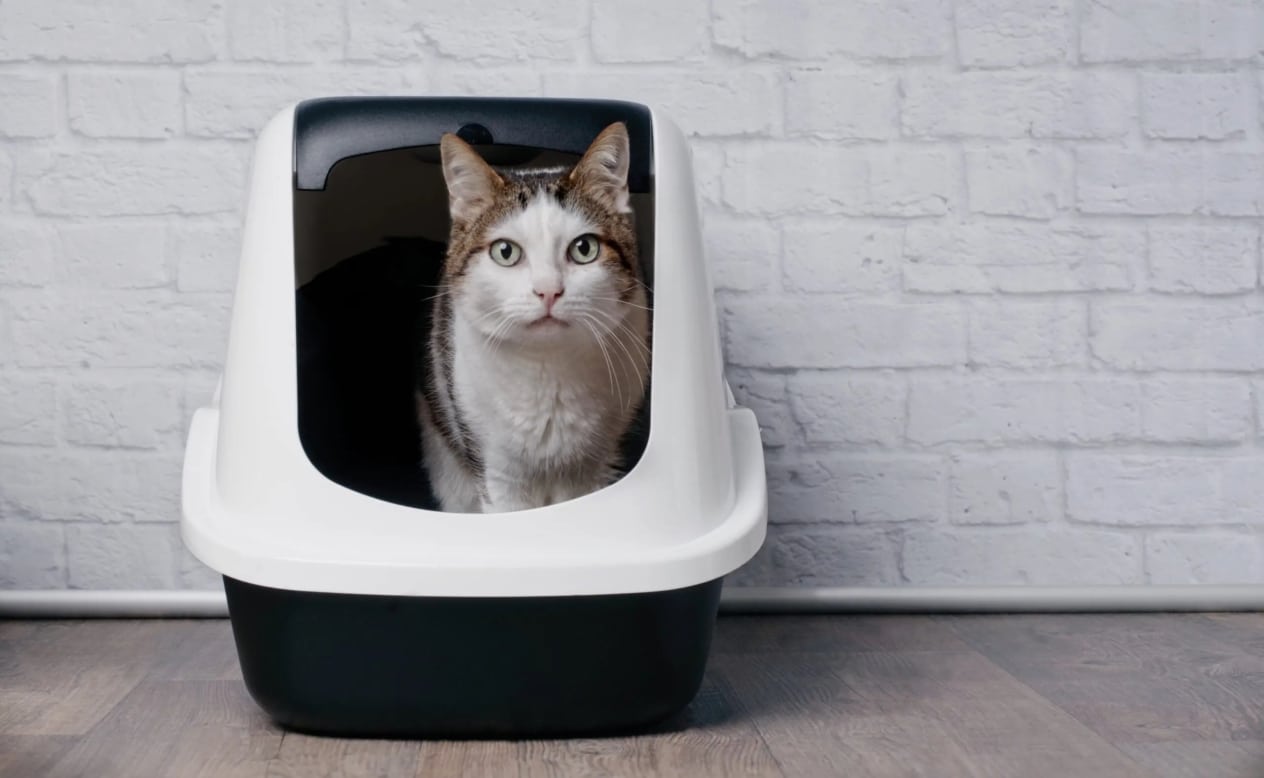
Credit: vogdog.com
How Litter Depth Affects Cat Behavior
Cat litter depth plays a key role in how your cat behaves around the litter box. The right amount of litter makes the box inviting and comfortable. Too little or too much can cause problems. Cats have strong instincts about how deep the litter should be. This affects their digging, covering, and even how clean they feel after use. Understanding these behaviors helps you keep your cat happy and your home cleaner.
Comfort And Digging Habits
Cats love to dig before and after they go. A litter depth of about 2 to 3 inches usually feels best. It lets cats dig freely without hitting the bottom. Too shallow litter can make digging hard and stressful. Too deep litter can feel like walking on soft sand, which some cats dislike. Comfortable digging encourages cats to cover their waste well. This helps keep smells down and shows the cat feels safe using the box.
Avoiding Litter Tracking
Deeper litter can cause more litter to stick to paws. This leads to litter being tracked outside the box. Cats may track litter in hallways and on carpets. Keeping litter depth moderate limits this problem. A depth of 2 to 3 inches balances digging comfort and less tracking. Using a litter mat outside the box also helps catch stray grains. Clean paws mean less mess and a tidier home.
Tips For Maintaining The Perfect Litter Depth
Maintaining the perfect litter depth keeps your cat happy and your home fresh. The right amount of litter helps absorb odors and controls mess. It also makes cleaning easier and encourages your cat to use the box regularly.
Here are some tips to keep the litter depth just right for your feline friend.
Regular Cleaning Schedule
Clean the litter box daily to remove waste and clumps. This prevents odor and keeps the litter depth consistent. Scoop out solid waste and clumped litter every day. Replace the entire litter and wash the box once a week. A clean box encourages your cat to use it without hesitation.
Refilling Strategies
After scooping, add litter to restore the ideal depth of 2 to 3 inches. Avoid adding too much litter at once, which can waste material and cause tracking. Check the litter level every few days and top it up as needed. Use a measuring cup to keep the depth steady. Consistent litter depth helps control odor and keeps your cat comfortable.
Special Considerations For Kittens And Senior Cats
Kittens and senior cats have unique needs when it comes to cat litter. Their comfort and health depend on the right amount and type of litter. Adjusting the litter depth can help them use the box easily and safely.
Kittens are small and still learning to use the litter box. Too much litter can be hard for them to dig through. Senior cats may have joint pain or mobility issues. Deep litter can make it difficult for them to enter or exit the box.
Choosing The Right Litter Depth For Kittens
- Use about 1 to 2 inches of litter for kittens.
- Shallow litter helps kittens find the box easily.
- Too much litter can overwhelm and discourage them.
- Keep the litter clean to prevent infections.
Adjusting Litter Amount For Senior Cats
- Provide 2 to 3 inches of litter for older cats.
- Shallow enough for easy access but deep enough to cover waste.
- Consider low-sided litter boxes to reduce strain.
- Use soft, dust-free litter to protect sensitive paws.
Monitoring And Changing Litter As They Grow
- Increase litter depth gradually as kittens grow.
- Watch for signs of discomfort or avoidance.
- Adjust depth for senior cats based on mobility changes.
- Regular cleaning improves box use and health.
Credit: www.therefinedfeline.com
Frequently Asked Questions
How Much Cat Litter Should I Put In The Box?
Fill the litter box with 2 to 3 inches of cat litter. This depth allows cats to dig comfortably and helps absorb odors effectively.
Why Is The Right Litter Depth Important?
Proper litter depth encourages cats to use the box and controls odor. Too little litter frustrates cats, and too much wastes material.
Can Too Much Cat Litter Harm My Cat?
Yes, excessive litter can cause tracking and waste. It may also make cleaning harder and discourage cats from using the box.
How Often Should I Change The Cat Litter?
Change the litter completely every 1 to 2 weeks. Scoop waste daily to maintain cleanliness and keep your cat healthy and happy.
Conclusion
Finding the right amount of cat litter keeps your cat happy and clean. Too little litter can cause messes and odors. Too much litter wastes money and space. A good rule is to fill the box about 2 to 3 inches deep.
This depth helps your cat dig and cover waste easily. Check the box daily and add litter as needed. Watch your cat’s behavior to see if adjustments are needed. A well-filled litter box makes life easier for both you and your pet.
Simple care leads to a cleaner home and a content cat.

Leave a Reply