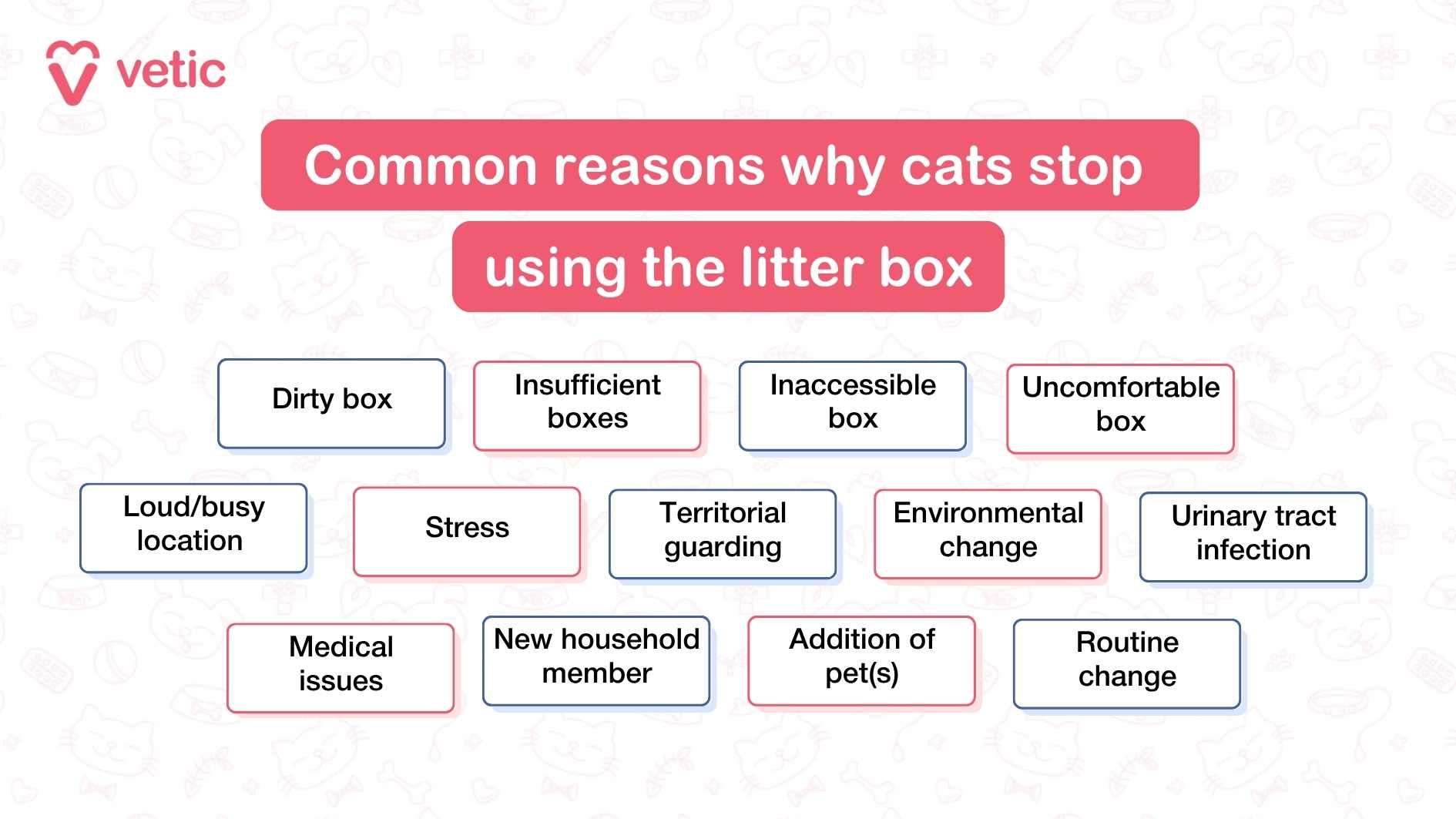
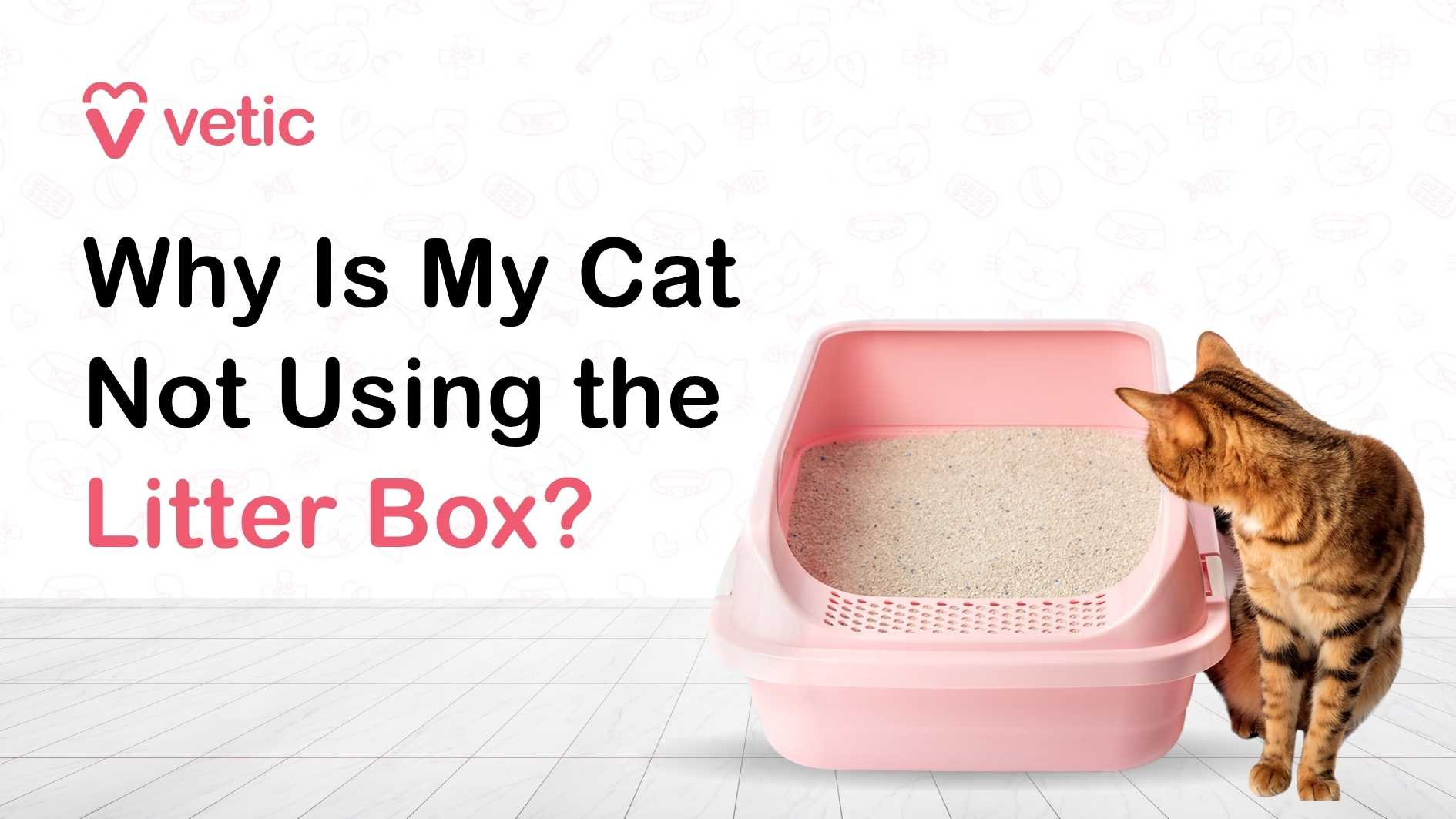
Have you noticed your cat suddenly stopping using the litter box? It can be frustrating and confusing, especially when you’ve done everything right.
But don’t worry—your cat isn’t trying to upset you. Understanding why this happens is the first step to fixing the problem. You’ll discover the common reasons behind this behavior and practical tips to help your furry friend get back on track.
Keep reading—you and your cat deserve a happy, clean home.
Credit: vetic.in
Common Causes Of Litter Box Avoidance
Understanding why your cat suddenly stops using the litter box can feel frustrating. There are several common reasons behind this behavior, and pinpointing the cause is key to helping your feline friend return to good habits. Let’s look at some typical triggers that might be causing your cat to avoid the litter box.
Health Issues
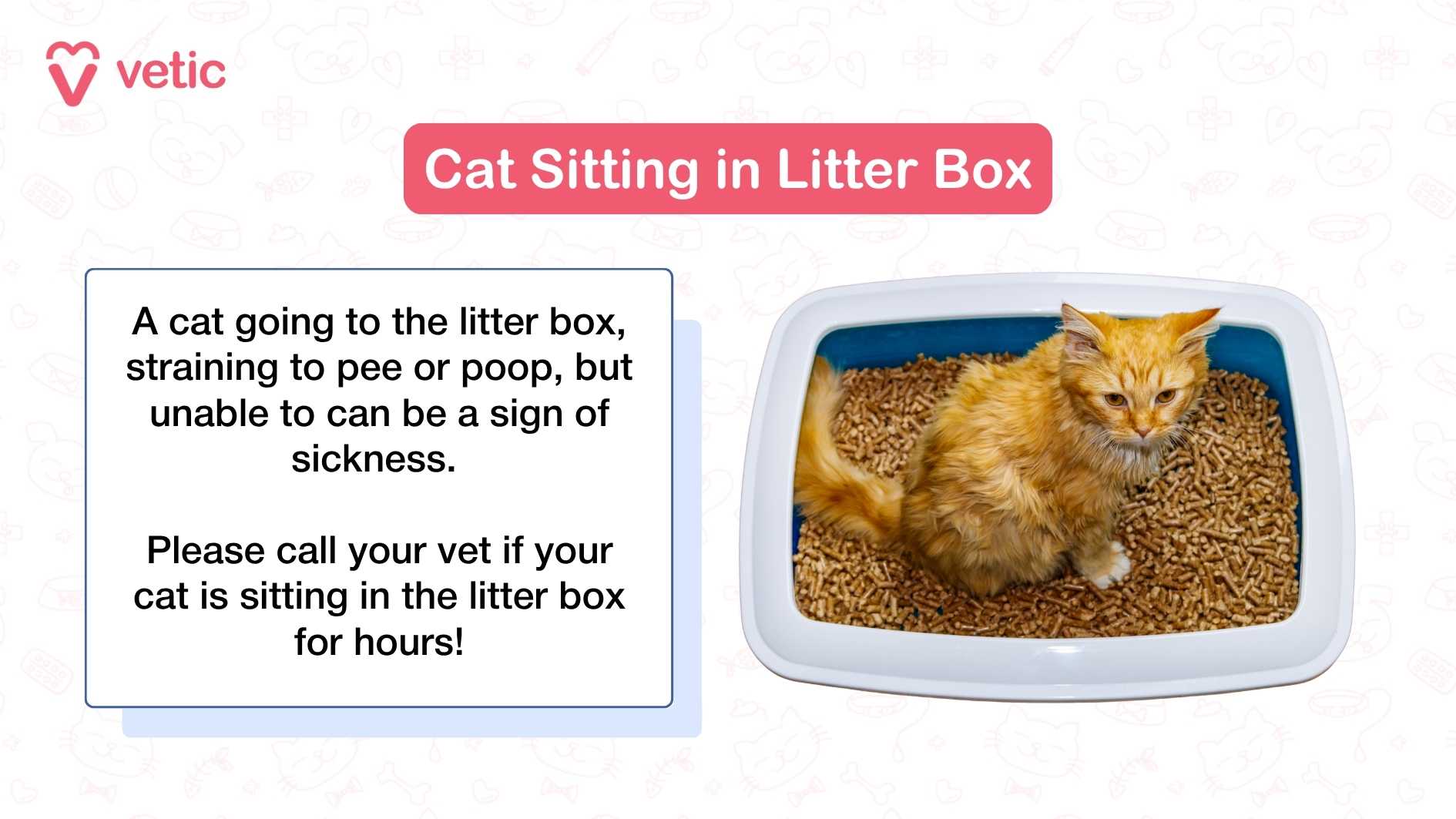
Sometimes, litter box avoidance signals a health problem. Urinary tract infections, kidney issues, or arthritis can make using the box painful or uncomfortable. If your cat suddenly changes behavior, a vet visit is essential to rule out any medical causes.
Dirty Litter Box
Have you checked how clean your cat’s litter box is? Cats are very particular about cleanliness, and a dirty box can be a major turnoff. Scooping daily and changing the litter regularly encourages your cat to use the box consistently.
Litter Type Preferences
Your cat might be picky about the litter itself. Some prefer clumping litter, while others dislike strong scents or certain textures. Try offering different types to see what your cat likes best—it can make a big difference.
Stress And Anxiety
Stress can cause your cat to avoid the litter box. Changes like new pets, visitors, or loud noises might make your cat anxious. Creating a calm, safe space and maintaining a routine can help reduce their stress and encourage proper litter box use.
Territorial Marking
If your cat feels its territory is threatened, it might mark areas outside the litter box. This behavior is common in multi-cat households or when new animals enter the home. Providing enough litter boxes and personal spaces can reduce territorial disputes.
Changes In Environment
Have you recently moved furniture or changed the litter box location? Cats are creatures of habit and dislike sudden changes. Keeping the box in a quiet, accessible spot and making changes gradually can prevent litter box avoidance.
Credit: vetic.in
Behavioral Triggers Behind The Issue
Behavioral triggers often cause cats to stop using their litter box. Cats are sensitive creatures. Small changes in their environment or routine can upset them. These triggers affect their comfort and safety. Understanding these behaviors helps solve litter box problems quickly.
Negative Litter Box Experiences
Cats avoid places that frighten or hurt them. Loud noises near the litter box scare many cats. Harsh cleaning chemicals may irritate their paws or nose. A sudden change in litter type can also upset a cat. These bad experiences make cats refuse their litter box.
Inconsistent Cleaning Routine
Cats prefer a clean and fresh litter box. A dirty box smells bad and feels unpleasant. Inconsistent cleaning causes buildup of waste and odor. Cats may find other spots to relieve themselves. Regular scooping and washing keep cats happy with their box.
Multiple Cats And Competition
When many cats share one box, tension grows. Some cats guard the box or block others. This causes stress and avoidance of the litter box. Providing enough boxes for each cat reduces competition. Peaceful sharing helps all cats use their litter box.
Quick Fixes To Encourage Litter Box Use
Cats often stop using their litter box for various reasons. It can be frustrating. But don’t worry. There are quick fixes to encourage them back.
Regular Cleaning Tips
A clean litter box attracts cats. Scoop waste daily. Wash the box weekly with mild soap. Avoid strong cleaners, they deter cats. Fresh litter keeps odors away. Cats love a fresh scent. Always keep the box dry.
Choosing The Right Litter
Cats are picky about litter. Test different types. Some prefer clumping litter. Others like non-clumping. Texture matters too. Fine grains feel soft on paws. Consider unscented options. Strong scents may repel them.
Providing Multiple Boxes
Multiple boxes reduce competition. Place them in different rooms. Quiet areas work best. Avoid high-traffic zones. Each cat needs its own box. Extra boxes prevent territorial issues.
Calming Products And Techniques
Stress affects litter habits. Use calming sprays or diffusers. They reduce anxiety. Play soft music. It soothes nervous cats. Create a peaceful environment. A calm cat uses the box more often.
Veterinary Checkups
Health issues cause litter box avoidance. Regular checkups detect problems early. Urinary infections are common in cats. Immediate treatment prevents accidents. Always consult a vet if problems persist.
Credit: vetic.in
Preventing Future Litter Box Problems
Preventing future litter box problems is key to maintaining a happy and healthy relationship with your cat. Addressing issues early can save you from frustration and keep your home clean. Let’s look at some practical steps you can take to ensure your cat feels comfortable and confident using their litter box every day.
Establishing A Routine
Cats thrive on routine. Set a regular schedule for cleaning the litter box and feeding times. This consistency helps your cat feel secure and understand what to expect.
Try scooping the litter at least once a day and completely changing it weekly. You might notice your cat is more willing to use a freshly cleaned box. Have you observed how your cat reacts when the box isn’t cleaned promptly?
Monitoring Cat Behavior
Pay attention to changes in your cat’s habits. If your cat suddenly stops using the litter box, there could be an underlying issue like stress or health problems.
Keep a journal of your cat’s behavior, noting any accidents or signs of discomfort. This information can help you spot patterns and decide when to consult a vet. Have you noticed subtle changes that might hint at a bigger problem?
Creating A Stress-free Space
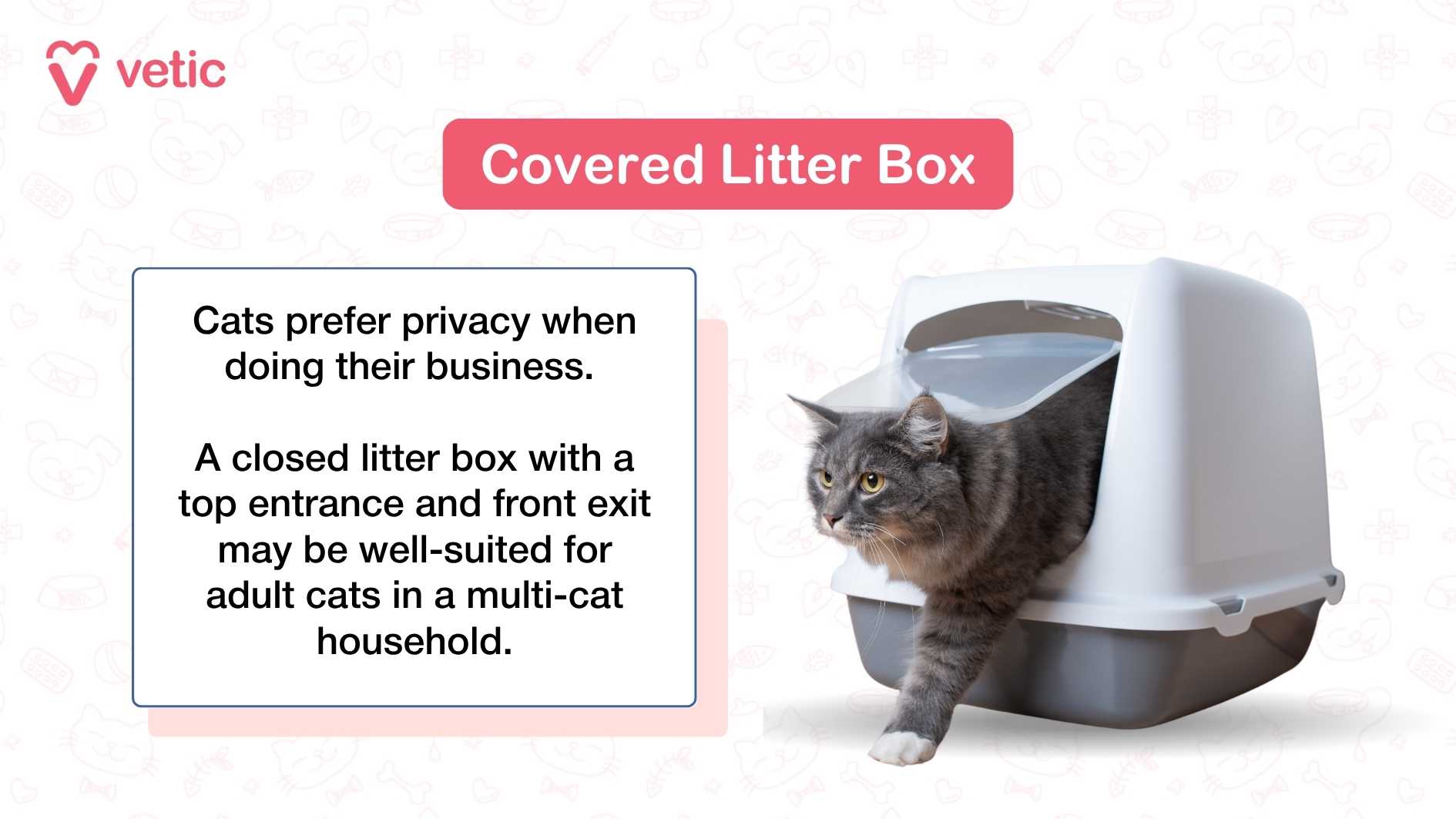
Your cat’s environment plays a big role in their litter box use. Place the box in a quiet, low-traffic area where your cat feels safe and undisturbed.
Consider adding soft lighting and avoiding loud noises nearby. Sometimes, even small adjustments like moving the box away from noisy appliances can make a big difference. What changes can you make today to create a calmer space for your cat?
Frequently Asked Questions
Why Do Cats Suddenly Stop Using The Litter Box?
Cats may stop using the litter box due to stress, illness, or dirty litter. Changes in environment or litter type can also cause avoidance. Identifying and addressing the cause helps restore proper litter box habits quickly.
Can Health Issues Cause Cats To Avoid The Litter Box?
Yes, urinary tract infections, bladder stones, or kidney problems can cause discomfort during elimination. Cats associate pain with the litter box and avoid it. A vet visit is crucial to diagnose and treat health-related litter box avoidance.
How Does Litter Box Cleanliness Affect A Cat’s Usage?
Cats prefer a clean litter box. Dirty boxes can deter cats from using them. Frequent scooping and regular litter changes keep the box inviting. Cleanliness encourages consistent litter box use and prevents accidents outside the box.
Does The Type Of Litter Impact A Cat’s Litter Box Habits?
Yes, cats can be sensitive to the litter’s texture, scent, or brand. Changing litter suddenly may cause avoidance. Choose unscented, clumping litter and introduce changes gradually to ensure your cat’s comfort and continuous litter box use.
Conclusion
Cats stop using the litter box for many reasons. Health issues, stress, or a dirty box can cause problems. Changing the litter type or location might help. Watch your cat’s behavior closely to spot signs early. Keep the litter box clean and in a quiet spot.
Patience and care can solve most problems. Remember, understanding your cat’s needs improves their comfort and your home’s harmony. Small changes often make a big difference. Don’t give up—your cat can return to good habits soon.

Leave a Reply