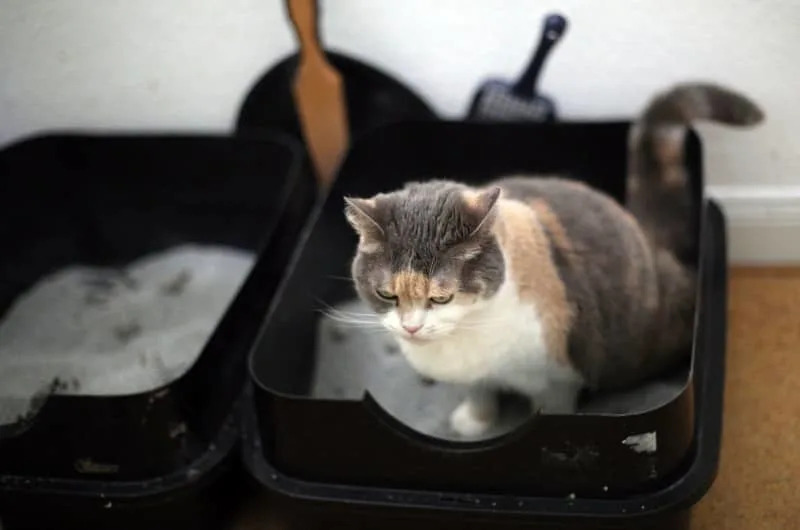
Are you wondering if a stray cat can learn to use a litter box? If you’ve recently taken in a stray or are thinking about helping one, this question is probably on your mind.
You want to provide a clean and comfortable space for your new furry friend, but you might be unsure if litter training is even possible. The good news is, with the right approach, many stray cats can adapt quickly. Keep reading, and you’ll discover practical tips and insights that make the process easier for both you and your cat.
Stray Cat Behavior Basics
Understanding stray cat behavior is key if you want to help them adapt to using a litter box. Stray cats live very differently from indoor pets, and their habits shape how they respond to new environments. Knowing the basics can prepare you for the challenges and improve your chances of success.
Natural Instincts And Habits
Stray cats rely heavily on their instincts to survive. They usually bury their waste outdoors to avoid predators and keep their territory clean. This natural behavior means they often understand the concept of digging and covering, which is a good sign for litter box training.
However, stray cats may be picky about where they eliminate. They might avoid areas with strong smells or too much human activity. You can use this knowledge to place the litter box in a quiet, low-traffic corner to make your cat feel safe.
Common Challenges With Stray Cats
One major challenge is fear. Stray cats are often wary of humans and new objects, including litter boxes. They may avoid the box simply because it feels unfamiliar or threatening.
Another issue is health. Strays might have parasites or infections that affect their bathroom habits. If your cat suddenly stops using the litter box, it could be a sign of illness that needs a vet’s attention.
Have you noticed your stray cat avoiding a particular spot? It might be uncomfortable or linked to a past negative experience. Watch closely for patterns to adjust the environment and help your cat feel more at ease.
Choosing The Right Litter Box
Choosing the right litter box plays a huge role in whether a stray cat will use it consistently. It’s not just about putting any box in the corner and hoping for the best. You need to think about the cat’s comfort and habits to make the box inviting and easy to use.
Size And Accessibility
Stray cats often vary in size and mobility, so the litter box should match their needs. A box that’s too small can feel cramped and discourage use. On the other hand, a very large box might overwhelm a timid cat.
Consider a box with lower sides if the cat is older or has trouble jumping. Accessibility is key—if your stray cat struggles to enter or exit the box, it may look elsewhere. I once had a shy cat avoid a high-sided box until I switched to one with a ramp, and the difference was immediate.
Type Of Litter To Use
The type of litter you choose can make or break your stray cat’s litter box experience. Cats are very sensitive to smells and textures. A litter that is too dusty or strongly scented might repel them.
Clumping litter often works well because it keeps the box cleaner and reduces odor. However, some cats prefer natural or unscented litters. Watching how your stray reacts to different litters can guide you to the perfect choice.
- Try unscented, fine-grain clumping litter for easy cleaning and comfort.
- Offer a small test area with a different litter to see which one your cat prefers.
- Remember, sudden changes in litter type can confuse the cat, so introduce new litter gradually.
Steps To Introduce The Litter Box
Place the litter box in a quiet, safe spot where the stray cat feels comfortable. Gently guide the cat to the box and keep it clean to encourage use. Patience and calmness help the cat learn this new habit.
Introducing a litter box to a stray cat can be a rewarding process. Patience and consistency are key. Each cat adapts at its own pace. Following the right steps can ease the transition. Here’s how you can do it effectively.Creating A Comfortable Space
Set up the litter box in a quiet corner. Choose a spot that feels safe. Avoid high-traffic areas. The space should have minimal disturbances. Ensure the area is clean and odor-free. Use a litter that is soft on their paws. Some cats prefer unscented litter. Experiment with different types if needed. Keep the box away from food and water. This maintains a hygienic environment.Guiding Your Cat To The Box
Show the cat where the box is. Gently place them near it. Encourage exploration with toys or treats. Cats are curious by nature. Let them sniff and inspect the box. If they use it, praise them gently. Consistent encouragement builds positive habits. If accidents happen, clean promptly. Avoid scolding; it might scare them. Patience is crucial during this phase. With time, they’ll understand the purpose.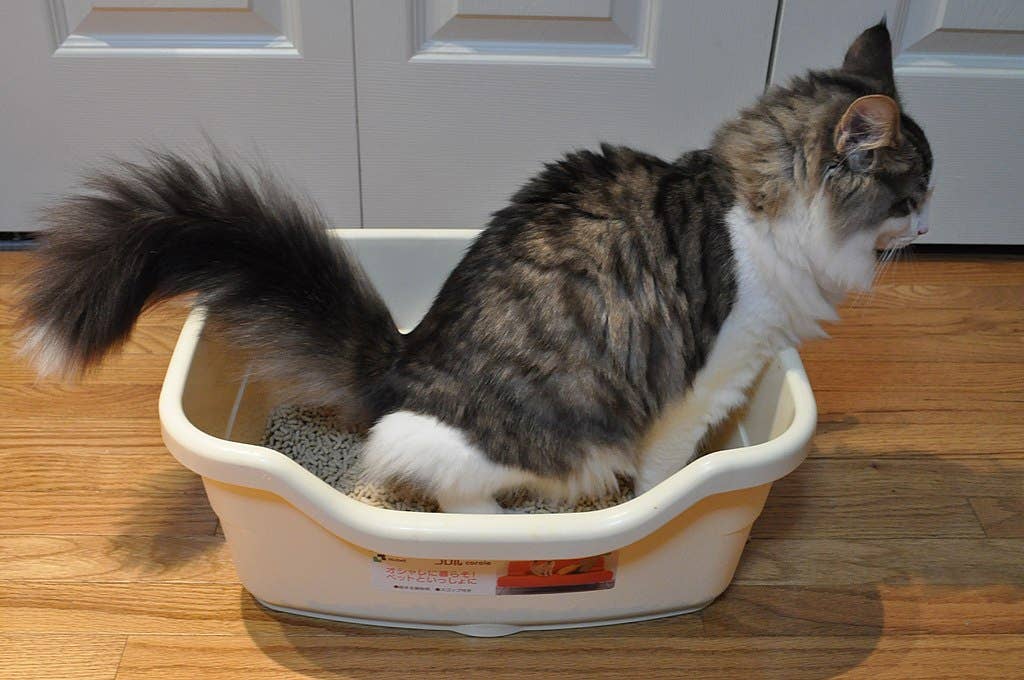
Credit: pethelpful.com
Training Tips For Quick Success
Training your stray cat to use a litter box can feel challenging, but with the right approach, you can achieve quick success. The key lies in how you guide your cat and maintain a calm, encouraging environment. Let’s dive into practical tips that make this process smoother for both you and your feline friend.
Positive Reinforcement Techniques
Reward your cat immediately when it uses the litter box. This could be a gentle pet, a favorite treat, or kind words. Cats respond well to positive feedback, so celebrating small wins builds their confidence.
Try to notice the moments your cat shows interest in the litter box, such as sniffing or scratching nearby. Encouraging this behavior with praise or a treat helps them associate the box with good things. Have you observed how quickly your cat picks up on your tone or gestures during training?
Consistency And Patience
Stick to a regular schedule for feeding and litter box cleaning. Cats thrive on routine, and predictability helps them learn faster. Avoid changing the type or location of the litter box too often, as this can confuse your cat.
Be patient if accidents happen. Instead of scolding, gently guide your cat back to the box. Remember, patience often leads to better results than frustration. How do you stay calm and focused when progress seems slow?
Handling Common Setbacks
Training a stray cat to use the litter box can be challenging, and setbacks often occur along the way. Knowing how to handle these common issues calmly will help you build trust and encourage consistent litter box use. Let’s look at practical ways to address accidents and ease your cat’s fear or anxiety.
Dealing With Accidents
Accidents happen, especially with a stray cat adjusting to a new environment. Instead of getting frustrated, focus on cleaning the area thoroughly to remove any lingering odors. Cats tend to return to spots that smell like their waste.
Try placing a litter box near the accident site. This helps your cat associate that area with the proper place to go. You might also want to consider adding an extra litter box in different parts of your home.
Have you noticed if your cat avoids the litter box after an accident? This could mean the box isn’t clean enough or the litter type is uncomfortable. Experiment with different litters and clean the box daily to encourage use.
Addressing Fear And Anxiety
Stray cats often come with a history of fear or trauma, making litter box training more delicate. Watch for signs of stress like hiding or refusing to approach the box. Creating a quiet, safe space for the litter box can reduce anxiety.
Use a covered litter box if your cat prefers privacy, but be ready to switch to an open one if your cat feels trapped. Sometimes, soft talking and gentle pats near the box can slowly build trust.
Have you tried using pheromone sprays or diffusers? These can calm your cat and create a more inviting environment. Remember, patience is key—your cat needs to feel safe before fully adapting to litter box use.
Credit: www.whiskas.com.ph
Maintaining Good Litter Box Habits
Maintaining good litter box habits is essential for both you and your stray cat’s comfort. A clean, well-kept litter box encourages your cat to use it consistently and helps avoid accidents around your home. It also gives you a window into your cat’s health, allowing you to catch any early signs of trouble.
Cleaning And Upkeep
Regular cleaning is key to keeping a stray cat comfortable with the litter box. Scoop out waste at least once a day to prevent odors and keep the box inviting. Wash the box thoroughly with mild soap once a week, avoiding harsh chemicals that could deter your cat.
Choosing the right type of litter also matters. Some cats prefer unscented, clumping litter, which makes scooping easier and controls odor better. Keep a spare box if you have multiple cats or if your stray is hesitant; cats often dislike sharing or dirty boxes.
Monitoring Health Indicators
Observe your cat’s litter box habits closely. Changes in frequency, consistency, or color of urine and stool can signal health issues. If your cat suddenly stops using the box or seems to strain, it’s time for a vet visit.
Tracking these signs can feel overwhelming, but a simple checklist next to the litter box helps you stay on top of patterns. Have you noticed any changes in your stray cat’s behavior that could mean health concerns? Prompt action can make a big difference.
When To Seek Professional Help
Knowing when to seek professional help for your stray cat’s litter box habits can save both you and the cat a lot of frustration. Sometimes, the issue goes beyond simple training or environmental adjustments. Understanding the signs that point to deeper problems will help you decide if it’s time to bring in an expert.
Behavioral Issues
If your stray cat suddenly stops using the litter box or starts eliminating in unusual places, consider behavioral causes. Stress from changes in the environment, fear, or past trauma can cause these shifts. Have you noticed if your cat acts anxious or hides more often?
Behavioral problems might also show up as marking territory with urine, especially if there are other pets around. A professional animal behaviorist can identify triggers and help create a plan tailored to your cat’s needs. Don’t wait too long—early intervention can prevent habits from becoming permanent.
Medical Concerns
Sometimes, litter box avoidance signals a health problem. Urinary tract infections, kidney issues, or arthritis can make it painful or difficult for a cat to use the box. Has your cat been licking its genital area excessively or straining to urinate?
Taking your cat to a vet for a thorough check-up is crucial if you suspect illness. Catching medical issues early can lead to faster recovery and reduce litter box problems. Remember, your cat can’t tell you what hurts, so watch for subtle clues.

Credit: www.reddit.com
Frequently Asked Questions
Will A Stray Cat Use A Litter Box Indoors?
Stray cats can learn to use a litter box if introduced properly. They naturally bury their waste outdoors, so the behavior transfers easily indoors. Consistent placement and cleanliness encourage litter box use. Patience and positive reinforcement help stray cats adapt to indoor litter habits.
How Long Does It Take Stray Cats To Use Litter Boxes?
Most stray cats learn litter box use within a few days to a week. Time varies based on the cat’s past experiences and comfort level. Gradual introduction and a quiet, safe environment speed up the process. Avoid forcing the cat to ensure trust and success.
What Type Of Litter Do Stray Cats Prefer?
Stray cats usually prefer unscented, clumping clay litter. It closely mimics natural soil, making it comfortable for them. Avoid strong fragrances or textures that may deter use. Keeping the box clean encourages consistent litter box habits in stray cats.
Can Stray Cats Be Trained To Use Multiple Litter Boxes?
Yes, stray cats can learn to use multiple litter boxes. Place boxes in quiet, accessible areas to prevent accidents. Multiple boxes reduce territorial disputes if more than one cat lives indoors. Regular cleaning and positive reinforcement improve training success.
Conclusion
Stray cats can learn to use a litter box with patience. They need a quiet, safe place to feel comfortable. Start with a clean box and gentle guidance. Some cats adapt quickly, while others take time. Watching their habits helps you understand their needs.
Consistency and kindness build trust and good behavior. Remember, every cat is different. Helping a stray cat use a litter box shows care and respect. It creates a better life for both you and the cat. Small steps lead to big progress.
Keep trying, and the cat will learn.



Leave a Reply