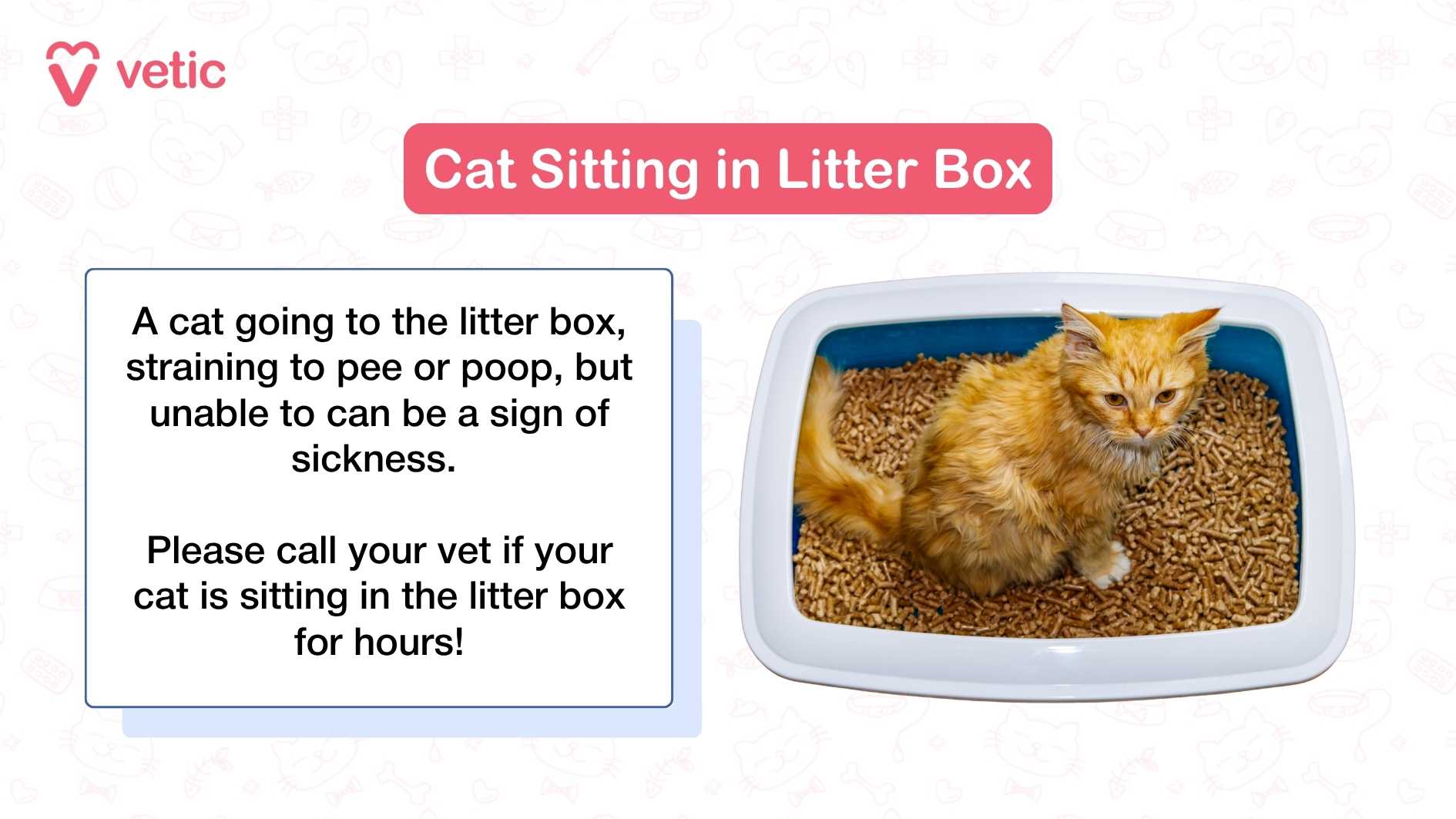
Is your cat refusing to poop in the litter box? It can be frustrating and confusing when your furry friend suddenly changes their bathroom habits.
You might wonder what went wrong or worry about their health. The truth is, there are simple reasons behind this behavior, and understanding them can help you fix the problem fast. Keep reading, and you’ll discover why your cat won’t use the litter box and what you can do to make things right again.
Credit: www.petmd.com
Common Behavioral Causes
When your cat refuses to poop in the litter box, the cause might be more than just physical health issues. Behavioral reasons often play a significant role in this frustrating problem. Understanding these common behavioral causes can help you address the root of the issue and encourage your cat to use the litter box again.
Stress And Anxiety
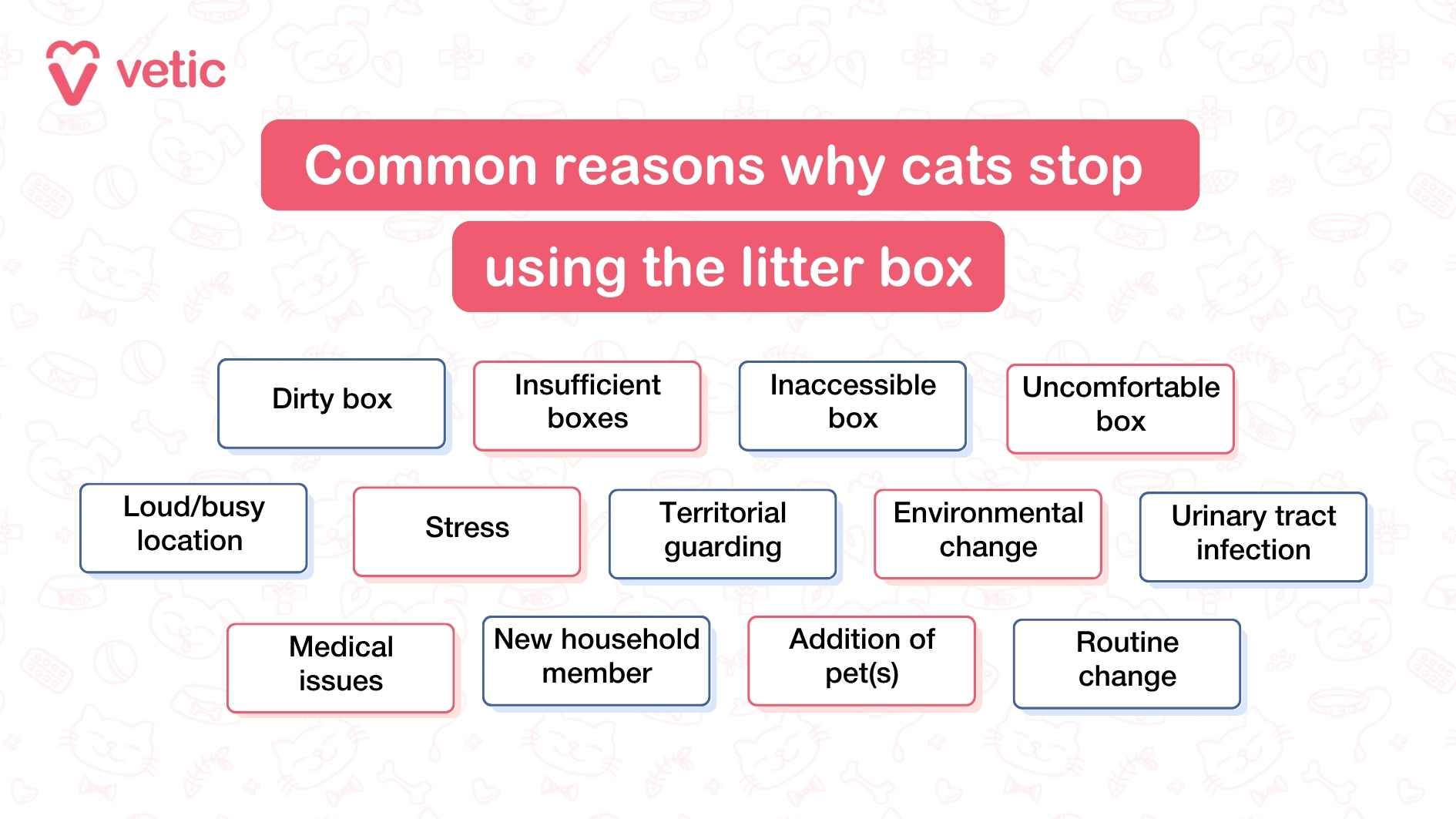
Cats are sensitive creatures, and stress can easily disrupt their bathroom habits. Loud noises, new pets, or visitors can make your cat anxious, leading them to avoid the litter box.
Have you noticed your cat hiding or acting restless? These signs could mean stress is affecting their litter box use. Creating a calm, safe space with familiar scents might help reduce their anxiety.
Territorial Issues
Cats are territorial animals and may avoid the litter box if they feel it’s invaded by another pet. This is especially common in multi-cat households where competition for space is high.
If your cat is marking territory or choosing odd spots to poop, it might be their way of claiming ownership. Try adding extra litter boxes in different locations to ease territorial tension and see if that changes behavior.
Changes In Routine
Even minor changes in your cat’s daily routine can throw off their bathroom habits. Moving the litter box, switching litter types, or altering feeding times can confuse your cat.
Think about recent changes in your home. Did you clean the litter box differently or change its position? Returning to the old routine or introducing changes gradually often helps your cat adjust and feel comfortable again.
Litter Box Problems
When your cat refuses to poop in the litter box, the problem often lies with the litter box itself. Cats are particular creatures, and even small issues with their bathroom setup can cause big problems. Understanding common litter box problems can help you fix the issue quickly and keep your cat comfortable.
Dirty Litter Box
A dirty litter box is one of the most common reasons cats avoid it. Cats have a strong sense of smell and dislike using a box that smells bad or looks messy.
Try scooping the litter box at least once a day and doing a full change weekly. If you notice your cat still avoids the box, clean it thoroughly with mild soap and water to remove any lingering odors.
Have you checked how often you clean the box? Your cat might be telling you it’s time for a fresh start.
Type Of Litter
The type of litter you use can impact your cat’s willingness to use the box. Some cats prefer fine, clumping litter while others like a coarser texture.
Also, scented litters might repel sensitive noses, so try unscented options. It’s worth experimenting with different brands or types to see what your cat prefers.
Have you noticed your cat avoiding the box only after you changed the litter? That might be a clue to switch back or try something new.
Box Location And Accessibility
The placement of the litter box matters more than you might think. Cats want privacy but also easy access without feeling trapped or threatened.
Placing the box in a noisy, busy, or hard-to-reach area can discourage use. Try a quiet, low-traffic spot with good ventilation.
Is your cat older or has mobility issues? Make sure the box is easy for them to reach without climbing stairs or squeezing through tight spaces.
Size And Style Of Litter Box
The size and style of the box can affect your cat’s comfort. A box that’s too small or has high sides might feel confining.
Many cats prefer an open box so they can see their surroundings, but some like covered boxes for privacy. Watch how your cat reacts to different styles.
Have you tried upgrading to a larger box or removing the lid? Sometimes simple changes can make a big difference.
Health Issues To Consider
When your feline friend suddenly stops using the litter box, it’s not just frustrating—it’s a sign that something might be wrong. Health issues are a crucial factor to consider. Your cat’s avoidance of the litter box could be due to underlying medical problems that need attention. Recognizing these issues early can make a significant difference in your cat’s well-being.
Constipation And Digestive Problems
Cats are prone to constipation, which can be painful and lead to litter box avoidance. If your cat is straining, or you notice small, hard stools, constipation might be the culprit. A diet adjustment, like adding more fiber, can often help, but always consult your vet.
Think about your cat’s recent eating habits. Has there been a change in their diet? Cats can be sensitive to new foods, which might upset their digestive system.
Urinary Tract Infections
Urinary tract infections (UTIs) are another common issue that can drive your cat away from the litter box. These infections make urination painful, and your cat may associate the box with that pain. Look for signs such as frequent urination or blood in the urine.
Prompt veterinary care is essential. Left untreated, UTIs can lead to more severe health problems. Your vet can provide the necessary antibiotics to clear up the infection quickly.
Pain Or Discomfort
Sometimes, the problem is as simple as pain or discomfort elsewhere in the body. Arthritis or injuries can make jumping into the litter box difficult for your cat. If your cat is older, consider if they might be experiencing joint pain.
Think about making the litter box more accessible. A box with lower sides might be easier for your cat to use, alleviating their discomfort and helping them return to proper litter box habits.
Your cat’s health and comfort are paramount. By addressing potential health issues, you can help your furry friend regain their litter box confidence and maintain a happy, healthy lifestyle. What steps will you take today to ensure your cat feels their best?
Credit: vetic.in
Environmental Factors
Environmental factors often play a big role in why cats avoid their litter box. Cats are sensitive to changes around them. Small shifts in their surroundings can cause stress or discomfort. This stress can make them refuse to poop in their usual spot. Understanding these factors can help solve the problem quickly.
Multiple Cats And Competition
Having more than one cat can cause litter box issues. Cats may feel threatened or stressed if they must share a box. Some cats guard the box and block others from using it. This competition can lead to accidents outside the box. Providing enough litter boxes can reduce this problem. The rule is one box per cat, plus one extra.
Household Changes
Changes in the home can unsettle cats. Moving furniture, new people, or new pets can cause stress. Cats prefer routine and familiar places. A change can make them avoid the litter box. Even small changes can make a difference. Keeping the cat’s environment stable helps keep them comfortable.
Noise And Disturbances
Loud noises or sudden disturbances can scare cats away from the litter box. Vacuum cleaners, shouting, or loud music nearby can upset them. Cats need a quiet, safe place to do their business. A noisy spot can make them hold it or go elsewhere. Choose a calm, private area for the litter box to avoid this issue.
Training And Behavioral Solutions
When your cat refuses to use the litter box, training and behavioral adjustments can make a big difference. Cats often respond well to gentle guidance and clear expectations. You might be surprised how small changes in your approach can encourage your cat to use the box again.
Positive Reinforcement
Reward your cat whenever it uses the litter box correctly. Treats, gentle petting, or verbal praise can build a strong connection between the behavior and a positive outcome.
Try to catch your cat in the act or right after. This way, your cat understands what actions lead to rewards. Avoid punishment, as it can create fear and worsen the problem.
Reintroducing The Litter Box
If your cat has been avoiding the box for a while, reintroduce it slowly. Place the box in a quiet, accessible spot and keep it clean to encourage use.
Sometimes, letting your cat explore the box without pressure helps. You can even place some of their feces in the box to remind them of its purpose.
Consulting A Behaviorist
If your efforts don’t work, a professional behaviorist can offer tailored advice. They assess your cat’s environment and habits to find hidden triggers.
Behaviorists can guide you through specific strategies and help reduce stress factors that might be causing the issue. Have you noticed any changes in your cat’s routine that might hint at deeper problems?
When To Seek Veterinary Help
Knowing when to seek veterinary help is crucial if your cat stops using the litter box. Some reasons for this behavior may be medical and need prompt attention. Early action can prevent serious health problems and ease your cat’s discomfort.
Watch your cat closely for signs that go beyond simple litter box issues. Changes in behavior or physical symptoms can signal a deeper problem. Don’t wait too long to get professional advice.
Signs Of Medical Emergencies
- Straining or crying while trying to poop
- Blood in urine or stool
- Frequent attempts to use the litter box without success
- Vomiting or loss of appetite
- Sudden lethargy or weakness
- Swollen or painful abdomen
Diagnostic Tests
The vet will start with a physical exam. They may recommend:
- Blood tests to check organ function
- Urinalysis to detect infections or crystals
- X-rays or ultrasound to find blockages or tumors
- Fecal tests to rule out parasites
Treatment Options
Treatment depends on the cause. Some common options include:
- Medications for infections or inflammation
- Diet changes to improve digestion and stool consistency
- Fluid therapy for dehydration
- Surgery for blockages or severe issues
- Pain management to keep your cat comfortable
Credit: vetic.in
Frequently Asked Questions
Why Won’t My Cat Poop In The Litter Box Anymore?
Cats may avoid the litter box due to stress, illness, or dirty litter. Check for medical issues and keep the box clean.
Can Health Problems Cause Litter Box Avoidance?
Yes, constipation, urinary tract infections, or digestive issues can make cats avoid the litter box. Consult a vet for diagnosis.
How Does Litter Box Cleanliness Affect Cat Behavior?
Cats prefer clean litter boxes. Dirty or smelly boxes can discourage use. Scoop daily and change litter regularly.
Could Litter Type Affect My Cat’s Pooping Habits?
Yes, cats can be picky about litter texture or scent. Experiment with different types to find your cat’s preference.
Conclusion
Cats avoid their litter box for many reasons. Stress, illness, or litter issues often cause this. Watch your cat’s behavior closely. Keep the box clean and in a quiet spot. Try different types of litter to find what your cat likes.
Visit the vet to rule out health problems. Patience and care help fix this problem. Remember, understanding your cat’s needs makes a big difference. Small changes can bring big results. Your cat will feel comfortable again soon.

Leave a Reply