Have you ever stopped to wonder if your cat’s litter box can be recycled? You care about the environment and want to make smart choices, but when it comes to pet waste products, it’s easy to feel confused.
You might be asking yourself: Can this everyday item really be recycled? What’s the right way to dispose of it without harming the planet? Keep reading, because understanding whether cat litter boxes are recyclable could help you make better decisions for your home—and the Earth.
Let’s clear up the mystery and find out what you need to know.

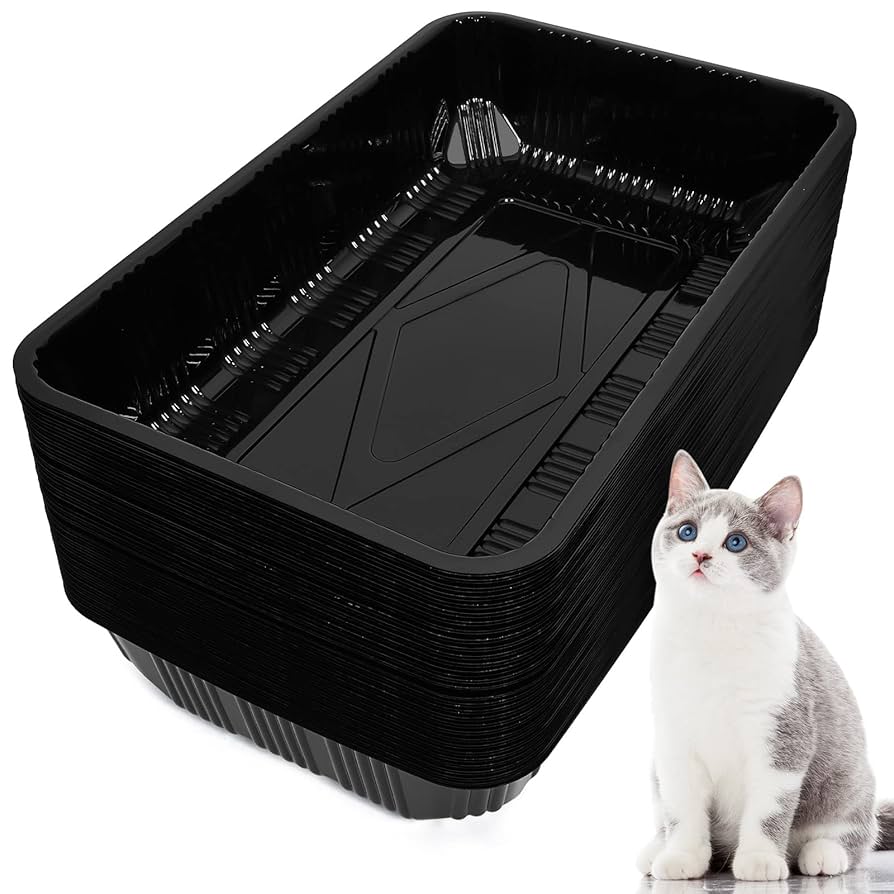
Credit: www.amazon.com
Types Of Cat Litter Boxes
Choosing the right type of cat litter box can affect not only your cat’s comfort but also how you handle disposal and recycling. Different materials and designs offer various benefits and challenges when it comes to sustainability. Understanding the options can help you decide which box fits your needs and eco-conscious goals.
Plastic Boxes
Plastic litter boxes are the most common and affordable option. They are durable and easy to clean, but not all plastic boxes are recyclable. Some plastics can be recycled if your local facility accepts the type, typically marked with a recycling code.
Have you checked if your area recycles plastic pet products? It’s worth asking because many people toss these in the trash, missing a chance to reduce waste.
Biodegradable Options
Biodegradable litter boxes are made from materials like bamboo, wheat, or recycled paper. These options break down naturally over time, making them a greener choice for disposal. They might not last as long as plastic, but they often provide a guilt-free way to manage waste.
Using a biodegradable box means you can compost it if you have the right setup. Would you try composting your cat’s litter box to lower your environmental footprint?
Self-cleaning Models
Self-cleaning litter boxes combine technology with convenience. They often feature plastic components, which might complicate recycling due to mixed materials and electronics. However, these boxes can reduce the overall amount of waste by keeping litter cleaner longer.
While they may not be the easiest to recycle, these models save you time and effort. Could the trade-off between convenience and recyclability work for your lifestyle?
Materials And Recycling Compatibility
Understanding the materials used in cat litter boxes and their compatibility with recycling systems is essential if you want to reduce waste responsibly. Not all materials are created equal when it comes to recycling, and knowing the type of plastic or other components can help you decide how to dispose of or reuse your cat litter box. Let’s break down the common materials and the recycling challenges they present.
Common Plastics Used
Most cat litter boxes are made from plastics like polypropylene (PP) or high-density polyethylene (HDPE). These plastics are widely accepted by recycling programs, making them more eco-friendly options. However, you should always check the recycling symbol and local guidelines to confirm if your area accepts these plastics.
Sometimes, manufacturers use lower-quality plastics that are harder to recycle or mix different plastics, which complicates the process. Have you ever tried recycling a plastic item only to find out it’s rejected? This happens more often than you might think with pet products.
Recyclability Of Biodegradable Litters
Biodegradable litters made from materials like corn, wheat, or wood fibers often come with biodegradable or compostable containers. These containers may be made from plant-based plastics or cardboard. While compostable containers can break down naturally, they usually require industrial composting facilities, which aren’t available everywhere.
Using biodegradable litter can reduce landfill waste, but the container’s recyclability depends on where you live. Would you be willing to separate your cat litter box components for different types of disposal? It might take extra effort but can benefit the environment.
Challenges With Mixed Materials
Many cat litter boxes combine materials like plastic bases with rubber grips, metal fasteners, or attached liners. These mixed materials create recycling headaches because facilities prefer single-material items. Separating these parts before recycling is crucial but often overlooked.
Have you noticed how some litter boxes are hard to break down into recyclable parts? This design choice can turn what seems like a recyclable box into landfill waste. Taking a moment to dismantle your litter box can improve its chances of being recycled properly.
Proper Disposal Methods
Disposing of cat litter boxes responsibly benefits the environment. It can also help maintain a cleaner home. Knowing the right disposal methods is essential. Let’s explore how to properly recycle or dispose of cat litter boxes.
Cleaning Before Recycling
Always clean litter boxes thoroughly before recycling. Remove all waste and residue. Use mild soap and water for cleaning. Rinse well to ensure no harmful chemicals remain. A clean box is easier to recycle.
Local Recycling Guidelines
Check local recycling rules for cat litter boxes. Every area has different guidelines. Some accept plastic, while others do not. Contact your local waste management for details. Knowing these rules helps in proper recycling.
Alternative Disposal Options
If recycling is not possible, consider other options. Repurpose boxes as storage for tools or toys. Compostable litter boxes can break down naturally. Look for biodegradable options when buying new boxes. This reduces waste and supports eco-friendly habits.
Environmental Impact Of Cat Litter Boxes
Cat litter boxes might seem like a small part of your pet care routine, but their environmental impact adds up quickly. Each box, combined with the litter inside, contributes to waste that often ends up in landfills. Understanding how these items affect the planet can help you make smarter choices for your furry friend and the environment.
Waste Generation Concerns
Most cat litter boxes are made from plastic, which can take hundreds of years to break down. When you discard a used litter box, it often goes straight to a landfill, adding to the growing plastic waste problem. The litter itself, especially clay-based types, also contributes significantly to landfill volume and dust pollution.
Have you ever wondered how much waste your cat produces each year just from litter and boxes? It’s easy to overlook, but the numbers are surprisingly high once you add them up. This waste isn’t just bulky; it can release harmful chemicals and dust that affect air quality.
Benefits Of Sustainable Choices
Switching to biodegradable litter boxes or those made from recycled materials can reduce your pet’s environmental footprint. Some brands offer boxes made from sustainable wood, bamboo, or recycled paper, which break down faster and don’t release toxins. Using plant-based or clumping litter made from corn, wheat, or pine also helps reduce landfill waste.
Choosing these eco-friendly options supports companies committed to reducing plastic pollution. Plus, they often come with added benefits like less dust and better odor control. Have you tried a biodegradable litter box or natural litter? Many cat owners notice a real difference in both their home environment and peace of mind.
Reducing Your Carbon Pawprint
You can take simple steps to shrink your cat’s carbon pawprint beyond just the litter box. Reusing old boxes for storage or repurposing them creatively prevents unnecessary waste. Regularly scooping and composting biodegradable litter can turn waste into useful garden material, closing the loop on disposal.
Think about the entire lifecycle of the products you choose for your cat—from production to disposal. Supporting local or small-scale manufacturers often means less transportation and lower emissions. What small change could you make today that would have a big impact on your cat’s environmental footprint?
Tips For Eco-friendly Cat Care
Taking care of your cat in a way that respects the environment can feel challenging, but small changes make a big difference. Simple choices about the products you buy and how you manage your cat’s litter box can reduce waste and lower your carbon paw print. These tips will help you create a more sustainable routine that benefits both your furry friend and the planet.
Choosing Sustainable Products
Start by selecting cat litter made from natural, biodegradable materials like wood pellets, corn, or wheat. These options break down more easily in the environment compared to traditional clay-based litters.
Look for brands that use minimal plastic packaging or offer refills in recyclable bags. You might be surprised how many companies now prioritize eco-friendly packaging.
Consider investing in litter boxes made from recycled or recyclable plastic. Some brands even use plant-based materials, which can reduce your household waste significantly.
Diy Litter Box Ideas
Why not create a litter box yourself using materials you already have? A sturdy, shallow storage bin can be a perfect alternative to commercial litter boxes.
Adding a mesh screen inside can help separate clean litter from waste, extending the life of the litter and reducing how often you need to replace it.
Using old drawers or repurposed plastic containers not only saves money but also keeps items out of landfills. Have you ever thought about turning a wooden crate into a rustic litter box that fits your home décor?
Reusing And Repurposing Boxes
When your cat’s litter box wears out, don’t throw it away immediately. Clean it thoroughly and use it as a container for garden tools, toys, or even as a small planter for herbs.
Plastic litter boxes can be cut and reshaped into storage trays or drawer organizers. This way, you give new life to items that otherwise might end up in the trash.
Ask yourself: can this box serve another purpose before discarding it? This mindset can turn waste into useful household items and inspire more creative, eco-friendly living habits.

Credit: www.amazon.com

Credit: thewitcat.com
Frequently Asked Questions
Are Cat Litter Boxes Recyclable?
Most cat litter boxes are made of plastic and can be recyclable if clean. However, contamination from litter or waste often prevents recycling. Always check your local recycling guidelines to see if they accept used litter boxes or require them to be cleaned first.
Can Used Cat Litter Be Recycled Or Composted?
Used cat litter is generally not recyclable due to contamination. Some biodegradable litters can be composted safely if free from waste. Avoid composting clay or silica-based litters, as they do not break down and can harm compost quality.
What Materials Are Cat Litter Boxes Made Of?
Cat litter boxes are commonly made from polypropylene or polyethylene plastic. These plastics are recyclable in many areas if clean. Some eco-friendly boxes use biodegradable or recycled materials, but always verify recycling options locally.
How To Recycle Cat Litter Boxes Properly?
To recycle cat litter boxes, first empty and clean them thoroughly. Remove any litter residue to avoid contamination. Check local recycling rules to confirm acceptance and recycling procedures for plastic containers.
Conclusion
Cat litter boxes often contain materials that are hard to recycle. Most plastic trays cannot go in regular recycling bins. Some biodegradable or paper-based boxes offer better options. Always check local recycling rules before disposal. Reusing or repurposing boxes can reduce waste.
Choosing eco-friendly litter boxes helps the planet. Small changes make a big difference over time. Keep your pet’s needs and the environment in mind. Recycling right supports cleaner, greener communities everywhere.

Leave a Reply