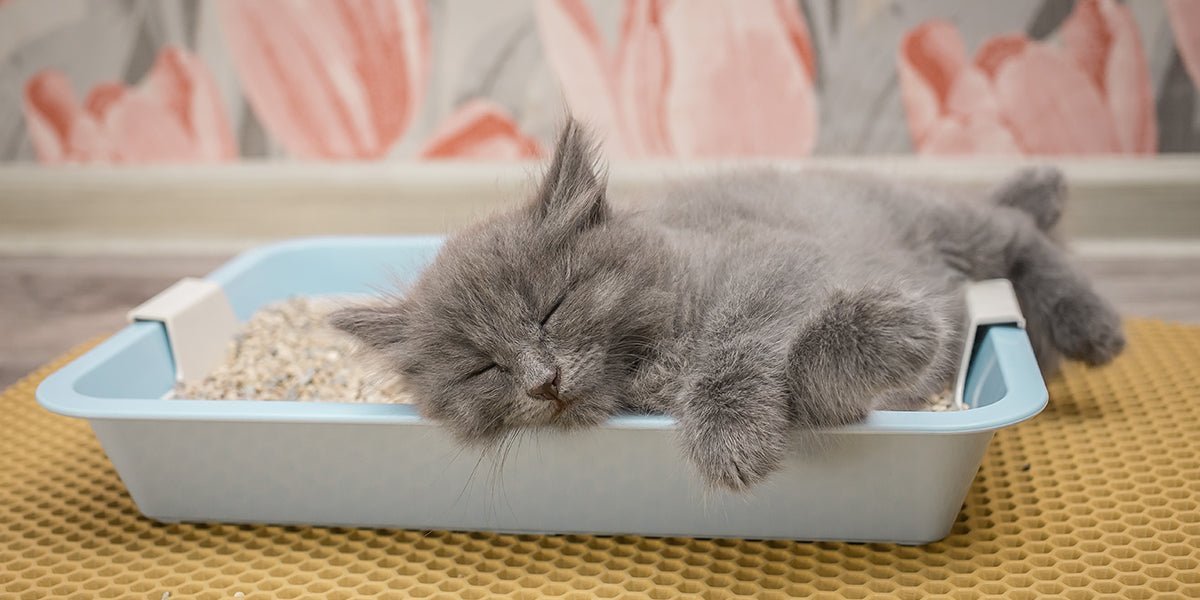
Have you ever caught your cat sleeping in their litter box and wondered why? It might seem strange or even a little worrying.
After all, the litter box is where your cat does their business—not where they should be resting. But your furry friend has reasons for this unusual behavior, and understanding them can help you keep your cat happier and healthier. You’ll discover the surprising reasons behind this odd habit and what you can do about it.
Keep reading—your cat’s comfort and well-being depend on it!
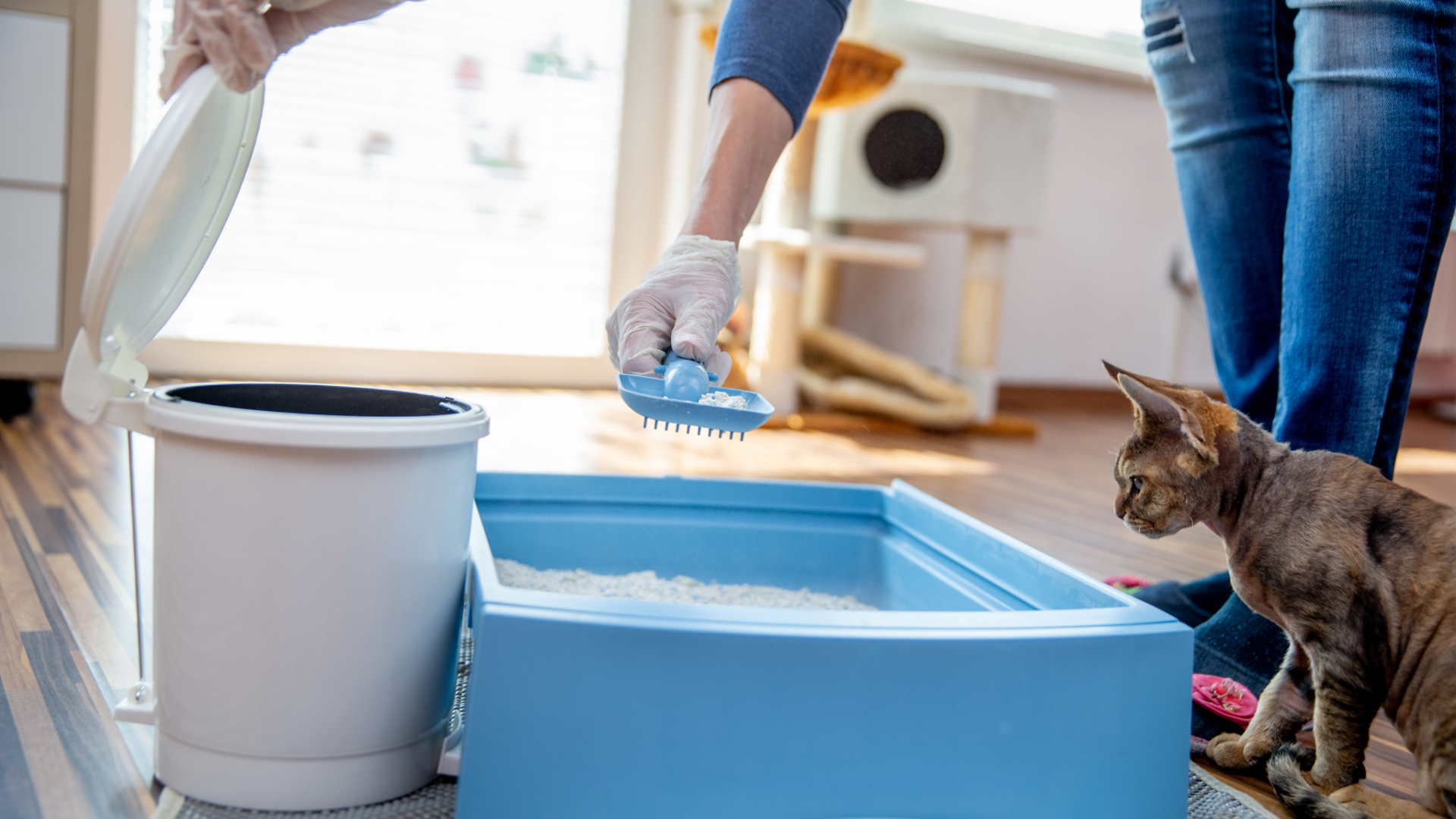
Credit: www.petsradar.com
Cats’ Natural Instincts
Cats often surprise us with their unusual behaviors, like sleeping in their litter boxes. Understanding this starts with looking at their natural instincts. These instincts guide much of what your cat does, even in a domestic setting.
Safety And Security
Your cat’s litter box is more than just a bathroom spot—it can feel like a safe haven. Cats are wired to seek out places where they feel protected from threats. The litter box’s enclosed space offers a cozy nook where your cat can rest without worrying about predators.
Have you noticed your cat curling up tightly inside the box? This behavior is about feeling secure. If your home environment feels stressful, your cat might turn to the litter box as a refuge. Understanding this can help you create safer, more comforting spaces elsewhere.
Territory Marking
Cats have a strong need to mark their territory, and the litter box is a prime spot. Sleeping there may be a way for your cat to strengthen its claim. By resting in the box, your cat leaves its scent, which can deter other animals or even other pets in your home.
Think about how your cat interacts with its space. If it’s asserting control over the litter box, it might feel uncertain about other areas. You can help by providing multiple resting and hiding spots to reduce territorial stress.
Health-related Causes
Sometimes, your cat’s choice to sleep in their litter box signals more than just a quirky habit. Health-related causes can push cats toward this unusual behavior. Understanding these reasons can help you spot issues early and provide the care your feline friend needs.
Illness Or Discomfort
If your cat suddenly starts sleeping in the litter box, it might be trying to tell you something is wrong physically. Illnesses like urinary tract infections or kidney problems cause discomfort during bathroom visits. The litter box feels like a safe and familiar spot where they can stay close to the source of their pain.
Think about how your cat’s behavior changes when they’re unwell. Are they hiding more? Eating less? Do they seem restless or vocalize discomfort? These signs combined with litter box sleeping should prompt a vet visit immediately.
Stress And Anxiety
Cats can experience stress just like people, and anxiety may push them to seek refuge in their litter box. Changes in the household—new pets, loud noises, or even rearranged furniture—can make your cat feel unsafe. The litter box acts as a secure, confined space where they can regain control.
You might notice other stress signs: excessive grooming, aggression, or loss of appetite. Creating a calm environment and offering cozy, quiet resting spots can help your cat feel less anxious. Have you tried giving your cat a safe hideout outside the litter box?
Environmental Factors
Understanding why cats sleep in their litter boxes can be puzzling. Environmental factors often play a significant role in this behavior. These factors can create stress or discomfort for your feline friend. Let’s explore how changes in their surroundings might influence this odd habit.
Lack Of Comfortable Spaces
Cats need cozy spots to rest. If a home lacks such spaces, cats might use their litter box. It may seem odd, but it’s a space they know well. A litter box can feel safe and familiar. Ensure your cat has several comfy sleeping areas. Soft bedding in quiet spots can help. A window perch or a cat tree might also appeal to them.
Changes In Household Dynamics
Household changes can upset a cat. New pets or family members can cause stress. Cats are sensitive to shifts in their environment. They might retreat to their litter box for comfort. This behavior acts as a coping mechanism. Provide stability during transitions. Maintain routines and offer extra attention. This support can ease their stress and reduce litter box sleeping.

Credit: www.youtube.com
Behavioral Patterns
Cats have unique behaviors that sometimes puzzle their owners. One odd habit is sleeping in their litter boxes. Understanding their behavioral patterns helps explain this strange choice. These patterns reveal how cats seek comfort and security in different ways.
Seeking Warmth
Cats love warm spots to rest. Litter boxes often provide a cozy, enclosed space. The litter can hold some body heat, making it warmer than the floor. This warmth attracts cats, especially during cold weather or if the room is chilly. The enclosed area also blocks drafts, adding to the comfort.
Habit Formation
Cats are creatures of habit. Once they find a spot that feels safe, they return to it. If a cat feels stressed or unwell, it may choose the litter box as a refuge. Over time, sleeping there becomes a routine. This habit forms because the litter box is familiar and offers a sense of protection.
When To Seek Veterinary Help
Cats usually avoid their litter boxes except to do their business. Sleeping there can signal discomfort or distress. Knowing when to seek veterinary help ensures your cat stays healthy and comfortable.
Signs Of Medical Issues
- Frequent urination or straining in the litter box
- Blood in urine or feces
- Excessive licking of the genital area
- Sudden changes in appetite or weight
- Signs of pain when moving or sitting
- Vomiting or diarrhea lasting more than a day
These signs may indicate infections, bladder stones, or kidney problems. Immediate veterinary care can prevent serious complications.
Behavioral Red Flags
- Sudden withdrawal or hiding in the litter box
- Aggression or irritability when approached
- Restlessness or pacing near the litter box
- Repeated attempts to use the litter box without success
- Excessive meowing or vocalizing at night
Behavioral changes can reflect pain or stress. A vet can help identify the cause and suggest treatment.

Credit: www.purina.com
Preventing Litter Box Sleeping
Preventing cats from sleeping in their litter boxes helps keep them healthy and comfortable. Cats may choose their litter box for safety or comfort. Changing their environment can stop this habit. Owners must offer better options and maintain hygiene to encourage proper behavior.
Providing Cozy Alternatives
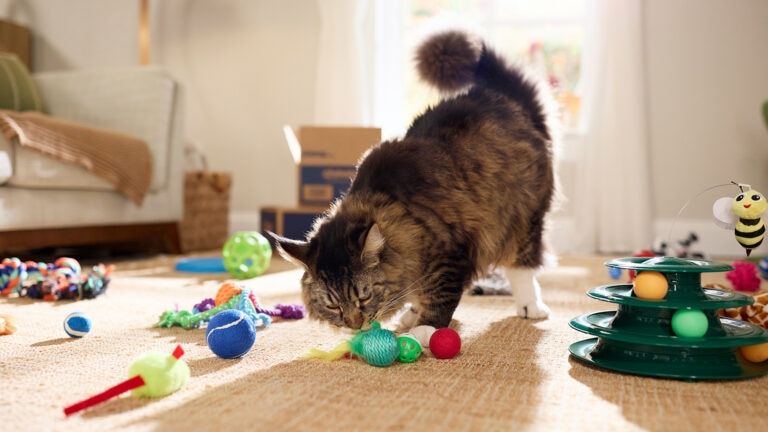
Offer soft beds in quiet, warm spots. Cats prefer cozy places for rest and security. Place blankets or cushions in low-traffic areas. Use cat trees or enclosed beds to give privacy. Change bedding often to keep it fresh. Encourage your cat to use these spots with toys or treats.
Maintaining Clean Litter Boxes
Clean litter boxes daily to remove odors and waste. Cats avoid dirty spaces and may sleep there if boxes are neglected. Scoop clumps and change litter regularly. Use unscented, clumping litter to keep boxes fresh. Provide enough boxes—one per cat plus one extra. Place boxes in quiet, easy-to-access locations.
Frequently Asked Questions
Why Do Cats Prefer Sleeping In Litter Boxes?
Cats may sleep in litter boxes when stressed or ill. The box feels like a safe, enclosed space. It offers comfort and privacy during anxiety or sickness, mimicking a den-like environment.
Is Sleeping In The Litter Box A Sign Of Illness?
Yes, cats sleeping in litter boxes can indicate health issues. It may signal pain, urinary tract infections, or digestive problems. Always consult a vet if this behavior appears suddenly.
Can Stress Cause Cats To Sleep In Litter Boxes?
Stress or anxiety can cause cats to seek litter boxes for comfort. Changes in environment, new pets, or loud noises trigger this behavior. Providing a calm space can help reduce stress.
How To Stop Cats From Sleeping In Litter Boxes?
Ensure the litter box is clean and separate from sleeping areas. Provide cozy beds and safe hiding spots. Address any medical or stress-related issues promptly with veterinary help.
Conclusion
Cats sleep in their litter boxes for comfort and safety. The box feels like a small, quiet place. It may smell familiar and calm to them. Sometimes, cats feel sick or stressed. The litter box becomes a refuge then. Watching your cat closely helps you understand their needs.
Keep their space clean and cozy. A happy cat sleeps well, anywhere they feel safe.

Leave a Reply