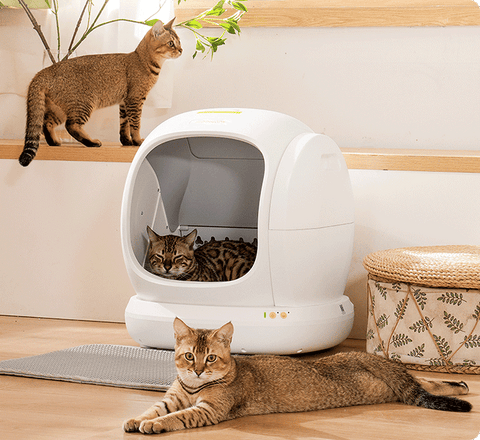
Have you ever found your cat lounging in the litter box and wondered why? It’s confusing and a bit unsettling.
You might worry if something is wrong with your furry friend or if their behavior signals a deeper problem. Understanding why your cat chooses the litter box as a resting spot can help you keep them healthy and happy. Keep reading to discover the surprising reasons behind this odd habit and what you can do about it.

Credit: www.reddit.com
Cat Behavior In Litter Boxes
Cats have unique ways of using their litter boxes. Their behavior can tell much about their mood and health. Understanding these actions helps cat owners care better for their pets. Some cats do more than just use the box for bathroom needs. They might sit or even lay inside the litter box, which can puzzle many owners.
Common Litter Box Habits
Cats usually enter the litter box to urinate or defecate. They dig or scratch the litter before and after using it. This covers their waste and hides their scent from predators. Most cats prefer a clean and quiet spot for their bathroom. They avoid boxes with strong smells or too much noise. Some cats check the box often, especially if they feel stressed or sick.
Other behaviors include:
- Sniffing the litter before deciding to use it
- Scratching around the box’s edges
- Leaving the box quickly after use
- Sometimes sitting in the box without going to the bathroom
When Sitting Turns To Laying
Some cats go beyond sitting and lie down in the litter box. This behavior can mean several things. The litter box might feel like a safe, enclosed space for them. Cats often seek comfort and security in tight spots. Laying there could be a sign of stress or illness. They might feel pain and want to stay close to a familiar place.
Other reasons for laying in the litter box include:
- Marking territory with their scent
- Seeking cool or warm surfaces depending on the litter type
- Experiencing anxiety or discomfort
- Attention-seeking from their owners
Watching your cat’s litter box habits closely can help spot health issues. Changes in behavior often signal a problem that needs veterinary care.
Health Issues Behind The Behavior
Cats may lay in their litter box due to health problems. This behavior often signals discomfort or illness. Understanding these health issues helps owners act quickly. Ignoring these signs can worsen the cat’s condition. Below are common health reasons behind this unusual behavior.
Urinary Tract Problems
Urinary tract infections cause pain during urination. Cats with these infections may spend extra time in the litter box. Blood in urine or frequent attempts to urinate are warning signs. Blockages or crystals in the bladder also lead to this behavior. These conditions need prompt veterinary care.
Pain And Discomfort
Pain in the abdomen or joints may cause cats to stay in the litter box. The box might feel like a safe and confined space. Injuries or arthritis can make moving difficult. Cats try to avoid areas that cause pain. Observing other signs of discomfort helps identify the problem.
Stress And Anxiety Symptoms
Stress triggers strange behaviors in cats, including lying in the litter box. Changes in the environment, like new pets or moving, increase anxiety. The litter box may provide a sense of security. Cats may also show signs such as hiding or decreased appetite. Managing stress improves their well-being and behavior.
Environmental Factors
Cats may lie in their litter box because it feels safe and quiet. Changes in temperature or stress can also make them seek comfort there. The box offers a small, enclosed space that helps cats relax.
Understanding why your cat might choose to lay in their litter box can help you address any potential issues and ensure their comfort and well-being. Environmental factors often play a significant role in this behavior. These factors can range from the litter box’s location to how clean and cozy it is. Let’s delve into these aspects and see how they might affect your feline friend.Litter Box Location And Comfort
The location of your cat’s litter box can greatly impact their behavior. If it’s in a busy area of your home, your cat might find it a sanctuary from the hustle and bustle. Consider moving it to a quieter spot where they can feel more secure. Cats also appreciate easy access. If the litter box is hard to reach, they might choose to lay in it simply because it’s conveniently located. Ensure the box is in a spot that’s both accessible and private.Cleanliness And Maintenance
A clean litter box is crucial for your cat’s comfort. Cats are naturally tidy animals. If their litter box isn’t cleaned regularly, they might lay in it to signal their discomfort. Regularly scooping the litter and changing it can make a huge difference. Consider setting a cleaning schedule to ensure their space remains pleasant and inviting.Temperature And Coziness
Cats often seek warmth and coziness. If the litter box is in a warm spot, your cat might lay there to soak up the heat. This is especially true during colder months. Think about the temperature of the room where the litter box is placed. Is it a cozy spot that might attract your cat? If so, consider providing alternative warm, soft resting places for your cat, like a cozy bed near a sunny window. Understanding these environmental factors can help you make informed decisions about your cat’s living space. What changes can you make today to enhance your cat’s comfort and reduce their time spent in the litter box?
Credit: www.youtube.com
Emotional And Psychological Reasons
Cats sometimes choose to lay in their litter boxes for reasons beyond physical comfort. Emotional and psychological factors play a significant role in this unusual behavior. Understanding these reasons can help you address your cat’s needs more effectively and create a more comforting environment for them.
Seeking Safety And Security
Your cat may see the litter box as a safe zone. It’s enclosed and often quiet, offering a retreat from stress or unfamiliar surroundings. If your cat feels threatened or anxious, they might lie there to regain a sense of control and safety.
Have you noticed your cat curling up in the box after a loud noise or a visit from strangers? This behavior signals their need for a secure space where they can calm down.
Territorial Marking
Laying in the litter box can be a way for your cat to mark their territory. Cats have scent glands in their paws and bodies, so lying in the box spreads their scent and stakes a claim. This is especially true if there are other pets around or recent changes in the household.
Think about whether your cat’s behavior changes after introducing a new pet or moving to a new home. They might be trying to reinforce their ownership of the space to reduce anxiety.
Attention Seeking Behavior
Sometimes, your cat lies in the litter box simply to get your attention. If they notice that this behavior causes you to check on them or interact, they may repeat it to engage with you. This is common in cats who feel lonely or want more playtime and affection.
Ask yourself if your cat receives enough attention during the day. Increasing play sessions or simply spending more time near them might reduce the need for this unusual behavior.
Solutions And Prevention Tips
Seeing your cat lying in the litter box can be confusing and concerning. Luckily, there are practical steps you can take to help your cat feel comfortable and prevent this behavior. Focusing on your cat’s environment, health, and emotional state often brings the best results.
Improving Litter Box Setup
Check if your litter box is clean and spacious enough. Cats dislike dirty boxes, so scoop it at least once a day and wash it weekly. Try changing the litter type—some cats prefer fine-grain clumping litter, while others like natural or unscented options.
Also, consider the box’s location. Is it quiet and private, away from loud noises or heavy foot traffic? Adding a second box in a different spot can give your cat more options and reduce territorial stress.
Regular Health Checkups
If your cat spends too much time in the litter box, health issues could be the cause. Urinary tract infections, bladder problems, or constipation might make your cat seek relief in the box. A vet visit can rule out these problems and provide treatment if needed.
Keep a close eye on your cat’s behavior and litter box habits. Small changes, like frequent urination or straining, are signs to act quickly. Have you noticed any unusual patterns in your cat’s bathroom routine?
Reducing Stress For Your Cat
Stress can push cats to seek comfort in odd places, including their litter box. Changes in the home, new pets, or loud noises may cause anxiety. Create calm spaces with cozy beds and familiar toys to help your cat relax.
Spend quality time playing or gently petting your cat daily. This builds trust and reduces stress. You might find that your cat stops using the litter box as a resting spot once they feel secure again.

Credit: www.reddit.com
Frequently Asked Questions
Why Does My Cat Sit In The Litter Box?
Cats sit in litter boxes for comfort, security, or stress relief. Sometimes, illness or dirty litter boxes also cause this behavior. It’s important to observe your cat and consult a vet if it persists.
Can Health Issues Cause Cats To Lay In Litter Boxes?
Yes, urinary tract infections or bladder problems can make cats stay in litter boxes. They may associate the box with relief or feel pain when moving. Always check with a vet if this behavior is new or unusual.
Is Anxiety A Reason Cats Lay In Litter Boxes?
Cats may use litter boxes as safe spots during stress or anxiety. Changes in environment or routine can trigger this. Providing a calm space and consulting a vet can help reduce this behavior.
How Can I Stop My Cat From Laying In The Litter Box?
Keep the litter box clean and comfortable. Provide cozy resting spots elsewhere. Address any health or stress issues with a vet. Positive reinforcement helps redirect your cat’s behavior effectively.
Conclusion
Cats lying in their litter box can seem strange at first. They may feel safe or comfortable there. Sometimes, health issues cause this behavior. Keep the litter box clean to help your cat feel better. Watch for changes in habits or signs of illness.
A quick visit to the vet can solve many problems. Understanding your cat’s needs builds trust and care. Stay patient and observe your cat closely. Your cat’s comfort and health matter most.


Leave a Reply