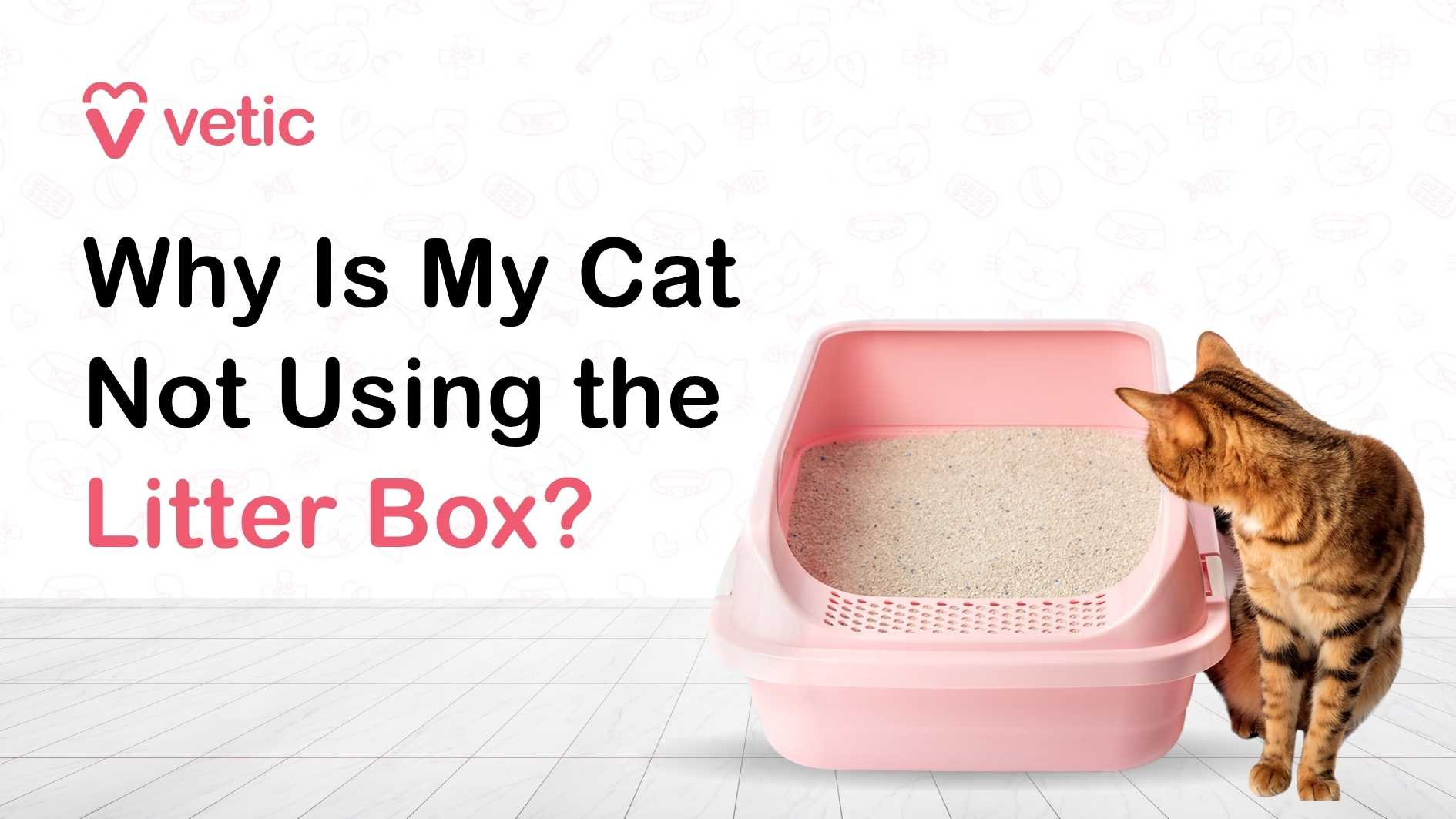
Is your cat suddenly ignoring the litter box? You’re not alone, and it can be really frustrating.
When your furry friend starts choosing the floor or other spots instead, it raises questions and worries. Why is this happening? What can you do to fix it? Understanding the reasons behind this behavior is the first step to solving the problem.
Keep reading, and you’ll discover simple, effective ways to help your cat get back on track—and bring peace back to your home.
Credit: vetic.in
Common Reasons Cats Avoid Litter Boxes
Cats avoiding the litter box can puzzle many pet owners. Understanding why helps solve the problem quickly. Cats have sensitive habits and specific needs. Changes in their environment or health often cause litter box issues.
Common reasons cats avoid litter boxes include health problems, cleanliness, location, litter type, stress, and territorial behavior. Each factor affects a cat’s comfort and willingness to use the box.
Medical Issues
Illness can cause cats to stop using the litter box. Urinary tract infections cause pain during urination. Arthritis may make it hard to climb into the box. Other health problems can also change bathroom habits. A vet check is important to rule out medical causes.
Litter Box Cleanliness
Cats prefer very clean litter boxes. Dirty boxes smell bad and feel unpleasant. Cats may look for cleaner spots to go. Scooping daily and washing the box regularly helps. Clean litter boxes encourage consistent use.
Box Location Problems
Location matters a lot to cats. Noisy or busy areas scare cats away. Boxes near food or water bowls are unappealing. Dark, quiet, and private spots work best. Finding the right place makes cats comfortable.
Type Of Litter
Cats have litter preferences. Some dislike strong scents or rough textures. Fine, unscented litter is often preferred. Changing litter brand or type can cause refusal. Use the same litter to avoid confusion.
Stress And Anxiety
Stress affects a cat’s bathroom habits. New pets, people, or moves can cause anxiety. Stress may cause accidents outside the box. Creating a calm environment reduces stress. Providing hiding places and routine helps.
Territorial Behavior
Cats mark territory by urinating or defecating. Multiple cats may cause marking outside the box. Territorial disputes lead to avoidance or spraying. Providing enough boxes for each cat reduces conflict. Cleaning marked areas removes the scent.
Credit: vetic.in
Identifying Medical Concerns
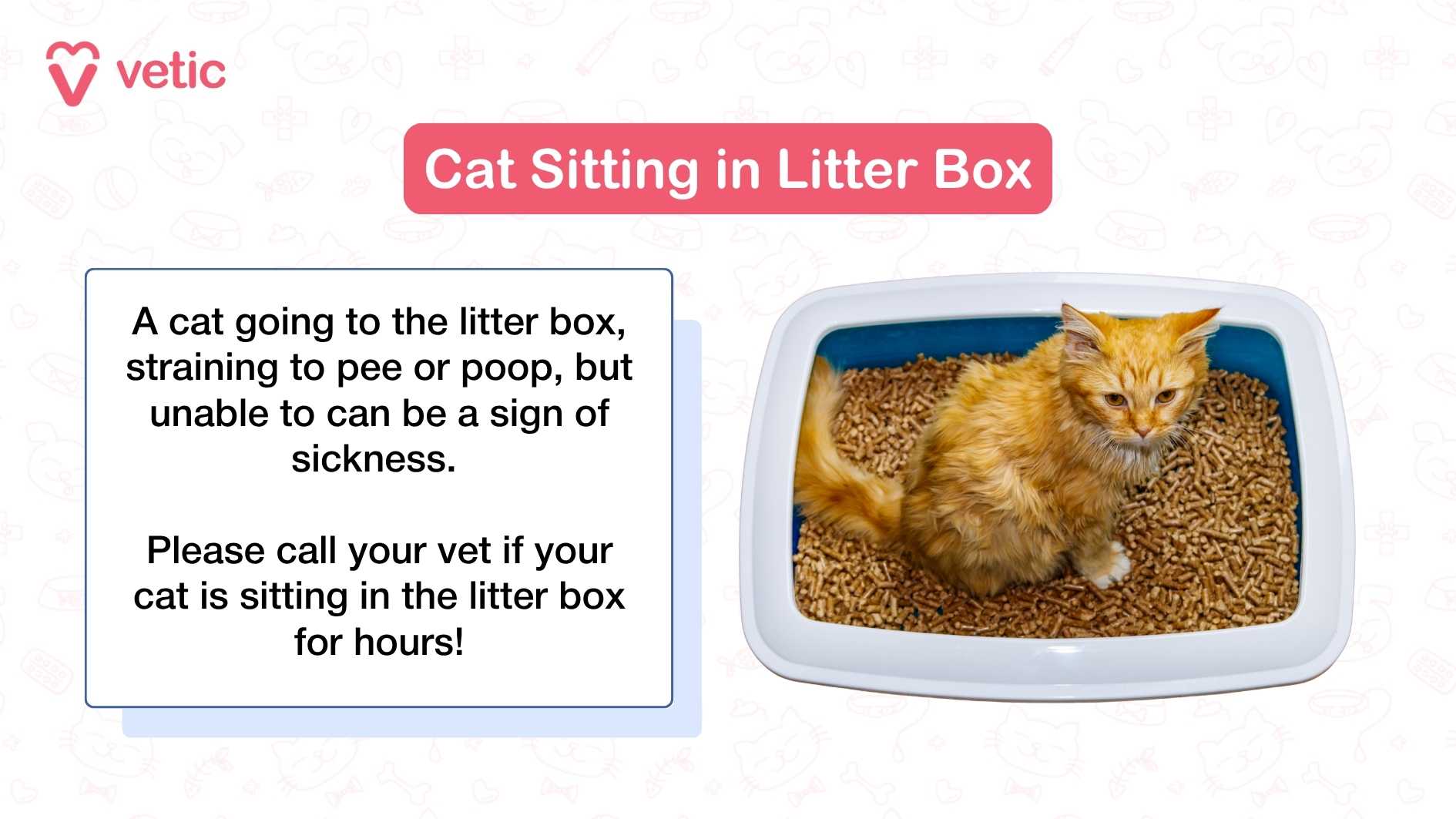
Cats avoiding the litter box may have health issues like urinary infections or bladder problems. Early checkups help spot pain or discomfort causing this behavior. Identifying medical concerns ensures your cat gets the right care quickly.
Identifying medical concerns can help explain why your cat avoids the litter box. Cats often hide their discomfort. Watching their behavior might reveal underlying health issues. Here’s a look at some common medical concerns.Urinary Tract Infections
Urinary tract infections (UTIs) can cause litter box issues. Cats may associate the box with pain. UTIs lead to frequent urination and discomfort. Your cat might urinate outside the box to avoid pain. A vet can diagnose and treat UTIs effectively.Kidney Disease
Kidney disease affects many older cats. It often results in increased thirst and urination. Cats with kidney issues may not reach the litter box in time. Regular vet check-ups can catch kidney problems early. Treatment can improve your cat’s quality of life.Diabetes
Diabetes increases thirst and urination in cats. Like kidney disease, it can lead to litter box problems. Cats with diabetes might drink more water, causing frequent trips to the box. A vet can diagnose diabetes through blood tests. Proper management includes diet and medication.Pain Or Mobility Issues
Pain or mobility issues can deter litter box use. Arthritis or injuries make climbing into the box difficult. Cats in pain may avoid it altogether. Consider a low-entry litter box. This simple change can make a big difference. A vet can suggest pain relief options.Improving Litter Box Hygiene
Improving litter box hygiene plays a key role in encouraging cats to use their litter boxes. Cats are very clean animals and dislike dirty or smelly areas. Keeping the litter box fresh makes it more inviting and comfortable for your cat. This helps prevent accidents outside the box.
Frequency Of Cleaning
Cleaning the litter box often is essential. Scoop waste at least once a day. Remove clumps and solid waste promptly to keep the box fresh. Wash the box with mild soap and water weekly. Avoid strong-smelling cleaners that might scare your cat.
Proper Waste Disposal
Dispose of waste carefully to reduce odors. Use a sealed bag to trap smells. Empty the bag into an outdoor trash bin regularly. This keeps your home and litter box smelling clean. Good waste disposal shows your cat the area is cared for.
Choosing The Right Litter
Select litter that suits your cat’s preferences. Some cats prefer fine, clumping litter. Others like unscented or natural materials. Avoid dusty or heavily scented litters. Test a few types to see which your cat uses best. Proper litter choice improves comfort and cleanliness.
Optimizing Litter Box Placement
Optimizing where you place your cat’s litter box can make a huge difference in their willingness to use it. Cats are particular about their environment, and a poorly placed box can cause confusion or stress. By choosing the right spot, you create a comfortable and inviting space that encourages your cat to do their business properly.
Quiet And Private Spots
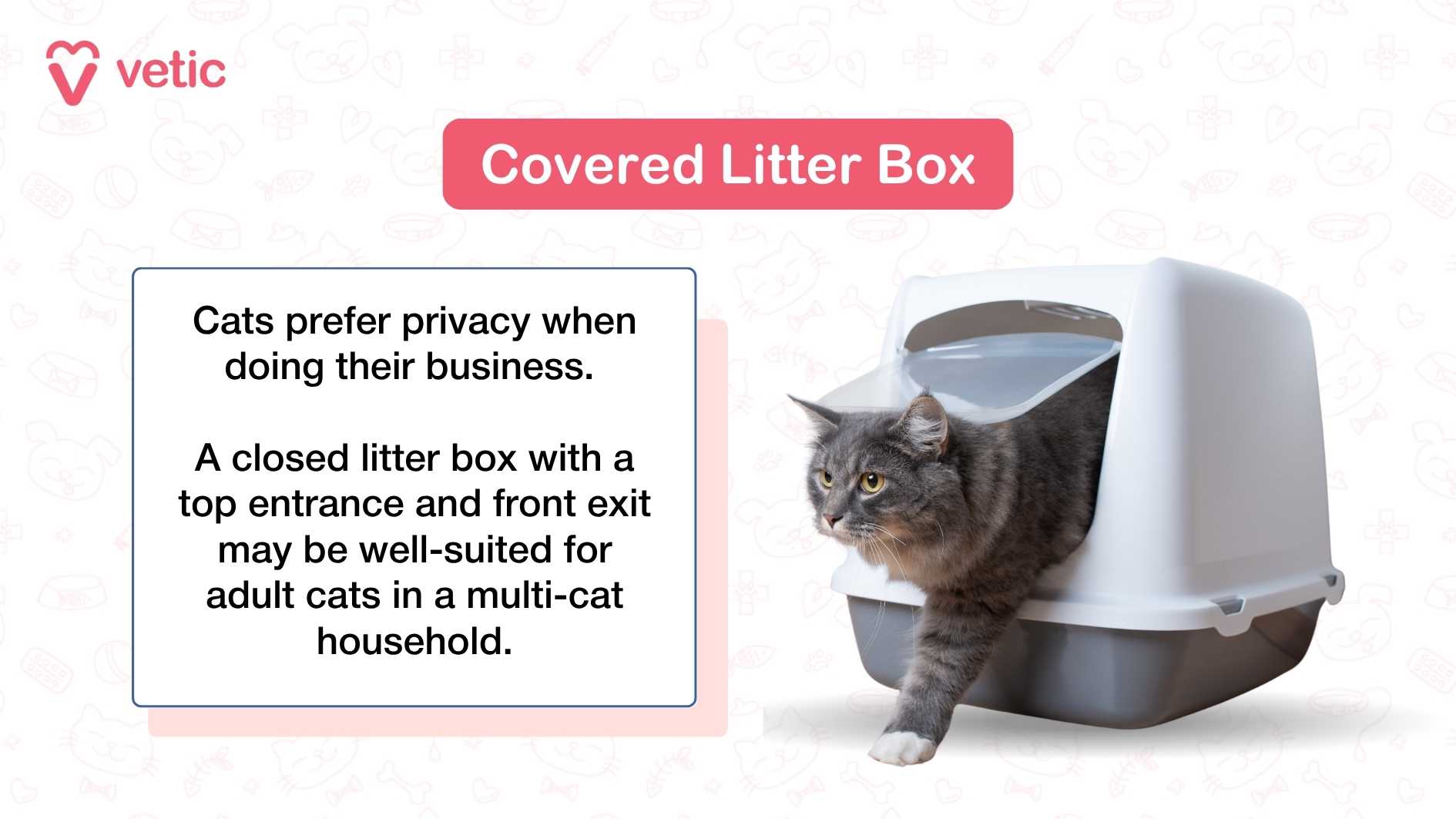
Cats value privacy when using their litter box. Placing the box in a quiet area away from loud noises and household activity helps your cat feel safe. Think about a corner of a seldom-used room or a secluded bathroom where your cat won’t be startled.
Have you noticed your cat avoiding the box when guests are around? This could be a sign they need a more private location to feel comfortable.
Avoiding High Traffic Areas
Busy hallways or spaces with constant foot traffic can make cats anxious about using their litter box. They want to avoid feeling trapped or rushed. Choose a spot that allows them to enter and exit easily without the risk of being disturbed.
Try to avoid placing the box near loud appliances like washing machines or near areas where children play frequently. Your cat’s peace of mind is key to consistent litter box use.
Multiple Boxes For Multiple Cats
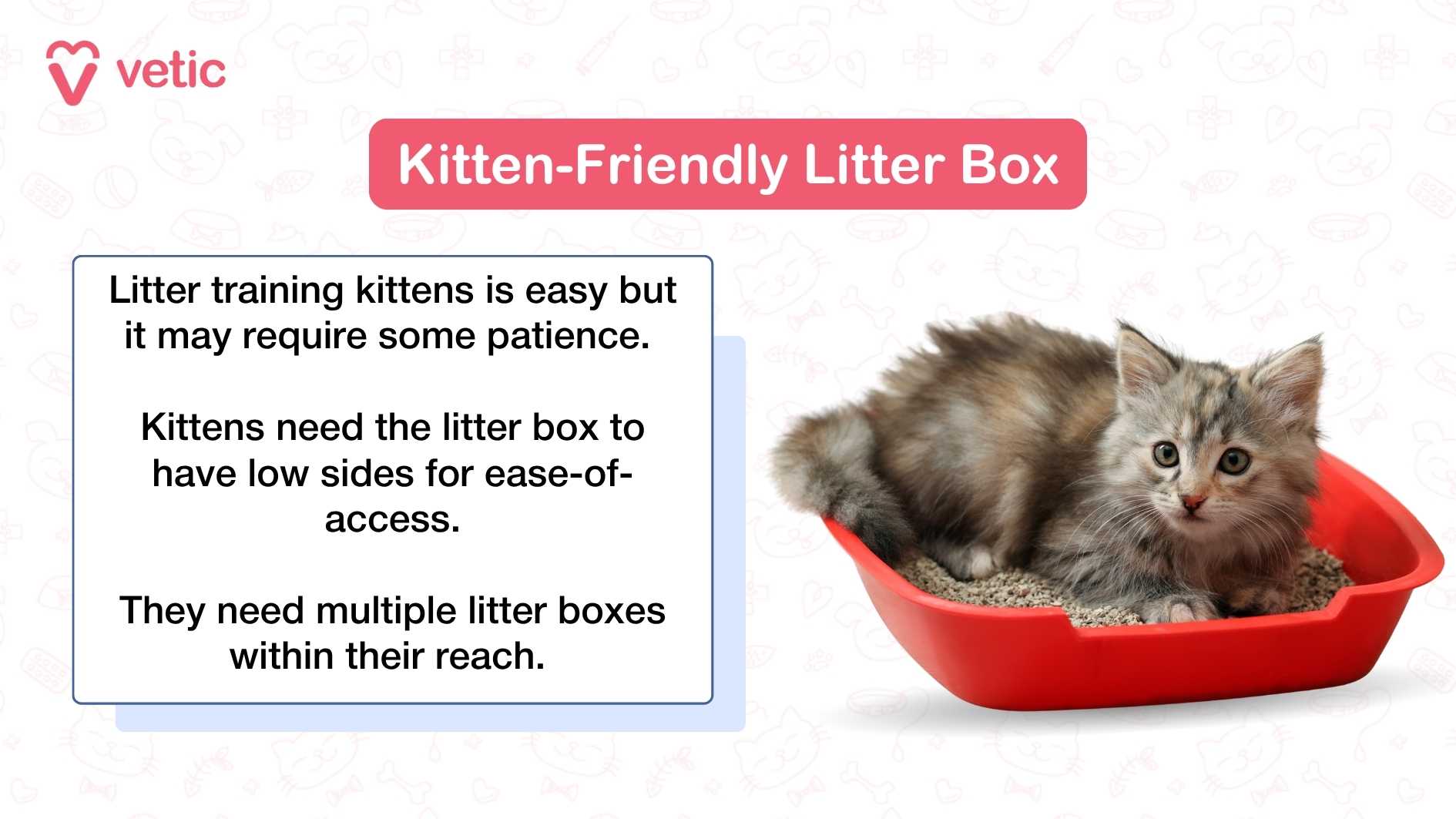
If you have more than one cat, providing multiple litter boxes is crucial. A good rule is one box per cat, plus one extra. This reduces competition and territorial disputes that can lead to accidents.
Place these boxes in different locations around your home. This way, each cat has easy access to a box without feeling crowded or threatened.
Selecting The Best Litter Type
Choosing the right litter type can change your cat’s litter box habits. Cats are picky. They dislike certain textures and smells. Picking the correct litter helps your cat feel comfortable. This comfort can stop litter box issues.
Clumping Vs Non-clumping
Clumping litter forms solid clumps when wet. It makes cleaning easy and keeps odors down. Non-clumping litter absorbs moisture but stays loose. It may need more frequent changing. Some cats prefer one type over the other. Watch your cat’s behavior to find a favorite.
Scented Vs Unscented
Scented litter masks odors with added fragrance. Some cats find scents strong or unpleasant. Unscented litter has no added smells. It feels more natural to most cats. Choosing unscented litter often works best. It prevents your cat from avoiding the box.
Texture Preferences
Cats feel litter with their paws first. Some like fine, soft textures similar to sand. Others prefer coarser granules that feel firmer. Rough textures can bother sensitive paws. Experiment with different textures to see what your cat likes. This helps ensure your cat uses the box happily.
Credit: vetic.in
Reducing Stress And Anxiety
Cats often stop using the litter box due to stress and anxiety. Stress changes their behavior quickly. Reducing stress helps your cat feel safe and calm. This improves litter box habits. Small changes in the home can make a big difference.
Environmental Enrichment
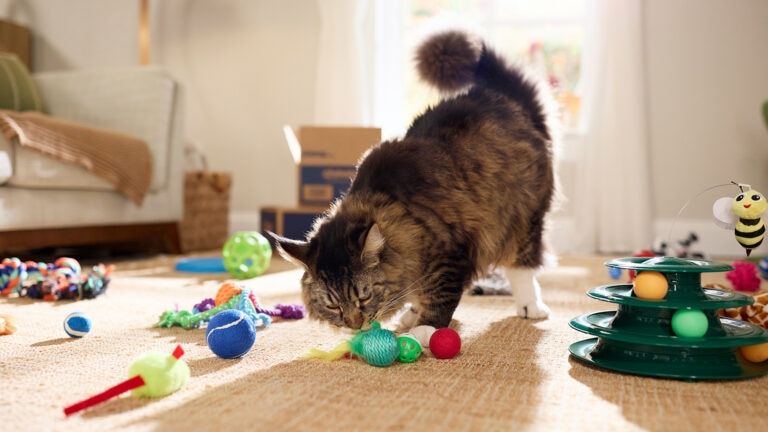
Provide toys and scratching posts for your cat. This keeps them busy and happy. Cats need places to hide and climb. Create cozy spots where your cat can rest. A rich environment lowers anxiety and stops accidents.
Consistent Routine
Cats like predictability. Feed and play with them at the same times daily. Keep the litter box in the same quiet spot. Avoid sudden changes in their environment. A steady routine helps your cat feel secure and relaxed.
Calming Products
Use pheromone sprays or diffusers designed for cats. These products create a calming effect. Natural supplements may also reduce anxiety. Talk to a vet before starting any calming treatment. Calming products support your cat’s peaceful mood.
Managing Territorial Issues
Territorial issues often play a big role when your cat avoids the litter box. Cats are naturally protective of their space, and changes can trigger stress or confusion. Understanding and managing these territorial instincts can help you solve litter box problems.
Introducing New Cats
Bringing a new cat into your home can unsettle your current cat’s sense of territory. Sudden introductions may lead to anxiety, causing your cat to avoid the litter box as a form of protest or stress.
Try a slow introduction by keeping them separated at first. Let them sniff each other under a door or swap bedding to share scents. This helps reduce tension and gives your cat time to accept the newcomer without feeling threatened.
Marking Behavior
Marking is a way your cat claims territory, often through spraying or inappropriate elimination. If your cat stops using the litter box, it might be trying to mark its domain more clearly.
Look for signs like scratching near doorways or rubbing their face on furniture. You can help by cleaning marked spots thoroughly and using pheromone sprays to calm your cat’s urge to mark.
Safe Spaces
Your cat needs spots where it feels secure and in control. A litter box placed in a noisy or busy area might make your cat avoid using it.
Create quiet, private areas for the litter box away from food and water bowls. Adding cozy hiding spots around your home can also reduce stress and help your cat feel more comfortable in its territory.
Quick Fixes To Encourage Litter Box Use
Encouraging your cat to use the litter box again can be easier than you think. Small changes and attention can make a big difference. Quick fixes often help solve the problem and restore good habits. Try these simple approaches to guide your cat back to the litter box.
Positive Reinforcement
Reward your cat when it uses the litter box. Use treats, praise, or gentle petting. Positive feedback helps your cat connect the box with good things. Avoid punishment, as it can cause fear or stress. Keep rewards consistent to build a strong habit.
Temporary Confinement
Limit your cat’s space to a small room with the litter box. This helps your cat focus on the box without distractions. Make sure the area is comfortable and safe. After a few days, gradually increase the space. This method encourages routine and reduces accidents.
Consulting A Veterinarian
Rule out health problems that might cause litter box issues. A vet can check for infections, bladder problems, or pain. Early diagnosis helps treat issues fast. Follow the vet’s advice carefully. Health problems often cause sudden changes in litter habits.
Frequently Asked Questions
Why Won’t My Cat Use The Litter Box Anymore?
Cats may avoid the litter box due to health issues, stress, or dirty litter. Check for urinary infections, clean the box regularly, and reduce stress factors to encourage proper use.
How Can I Make My Cat Use The Litter Box Again?
Keep the litter box clean, place it in a quiet area, and try different litter types. Reward your cat with praise or treats when it uses the box correctly to reinforce good behavior.
Could My Cat’s Litter Box Cause Avoidance?
Yes, cats dislike dirty or smelly litter boxes. A small, covered, or hard-to-reach box can also cause avoidance. Ensure cleanliness and accessibility to promote use.
What Health Problems Cause Litter Box Issues In Cats?
Urinary tract infections, bladder stones, or kidney disease often cause litter box avoidance. If your cat suddenly stops using the box, consult a vet immediately for diagnosis and treatment.
Conclusion
Cats may avoid litter boxes for many reasons. Stress, health issues, or dirty boxes often cause problems. Try cleaning the box more often and placing it in a quiet spot. Make sure your cat feels safe and comfortable. Watch for signs of illness and visit the vet if needed.
Patience and care help your cat return to good habits. Small changes can make a big difference. Keep observing your cat’s behavior and adjust as needed. A happy cat uses the litter box again.

Leave a Reply