Have you ever watched your cat spend what seems like hours licking and cleaning itself? You might wonder, just how much of their day do cats actually spend grooming?
Understanding this behavior can give you surprising insights into your feline friend’s health and happiness. Keep reading, and you’ll discover the fascinating reasons behind your cat’s grooming habits—and why this seemingly simple act means so much more than you think.
Cat Grooming Habits
Cats spend a large part of their day grooming themselves. This behavior is natural and important for their health. Grooming helps cats keep clean, control body temperature, and feel relaxed. It also strengthens the bond between cats when they groom each other.
Understanding how much time cats spend grooming shows how much they care for their well-being. Grooming is not just about looks. It plays a key role in their daily life.
How Much Time Do Cats Spend Grooming?
On average, cats spend 30% to 50% of their waking hours grooming. This means they groom for several hours each day. Younger cats and kittens may groom more as they learn and explore. Older cats might groom less but still spend significant time cleaning themselves.
Reasons Cats Groom Frequently
- Remove dirt and loose fur
- Regulate body temperature
- Reduce stress and anxiety
- Strengthen social bonds with other cats
- Stimulate blood flow and skin health
Common Grooming Behaviors In Cats
- Licking fur to clean and smooth it
- Biting or nibbling to remove tangles
- Using paws to wash the face and head
- Scratching to remove dead skin
- Grooming other cats as a social activity
Time Spent Grooming
Cats are known for their impeccable grooming habits, but have you ever wondered exactly how much time they dedicate to this activity? Grooming is more than just keeping clean; it plays a vital role in their health and well-being. Understanding the time your cat spends grooming can give you insights into their behavior and needs.
Daily Grooming Duration
On average, cats spend about 30% to 50% of their waking hours grooming themselves. This means a typical cat might spend anywhere from one to four hours a day licking their fur, cleaning their paws, and tidying up their whiskers.
I’ve noticed my own cat, Bella, dedicates a solid hour every afternoon to grooming. She seems to focus more on her face and neck, which are harder to reach. Does your cat have a favorite grooming spot?
Factors Influencing Grooming Time
Several factors affect how much time a cat spends grooming:
- Age:Younger cats tend to groom more frequently, while older cats might slow down due to arthritis or other health issues.
- Breed and Coat Type:Long-haired breeds often spend more time grooming to prevent matting, while short-haired cats may need less.
- Health:Illness, stress, or skin conditions can either increase or decrease grooming behavior.
- Environment:Outdoor cats might groom more to clean off dirt and debris compared to indoor cats.
Have you ever seen a cat grooming obsessively or neglecting it completely? These behaviors could signal something worth checking with a vet.
Reasons Behind Grooming
Cats spend a significant portion of their day grooming, but have you ever wondered why they dedicate so much time to this activity? Grooming serves several important purposes beyond just keeping your feline friend looking neat. Understanding the reasons behind grooming can help you appreciate this behavior and recognize when it signals something more.
Hygiene And Cleanliness
Grooming is essential for cats to keep their fur clean and free from dirt, parasites, and loose hair. By licking their coat, they remove debris and reduce the risk of skin infections. This self-cleaning habit means you rarely find your cat needing a bath, unlike many other pets.
Think about how your cat carefully cleans every inch of its body. This attention to detail helps maintain a healthy coat and skin. Have you noticed your cat grooming more after playing outside? That’s their way of removing any unwanted particles.
Temperature Regulation
Cats use grooming to help control their body temperature. The saliva they spread on their fur evaporates, providing a cooling effect, much like how sweating works in humans. This is especially important during hot weather or after vigorous activity.
Ever seen your cat licking its paws and then rubbing its face? This action spreads moisture, aiding in cooling down. It’s a natural, simple way cats manage their comfort without needing a fan or air conditioner.
Stress Relief
Grooming also acts as a calming mechanism for cats. When your cat feels anxious or stressed, licking can soothe their nerves and provide a sense of control. It’s a form of self-care that helps them relax.
Have you noticed your cat grooming more intensely during a thunderstorm or when there’s a new pet in the house? This increase in grooming is a sign they’re trying to manage their stress. Next time your cat seems overly focused on cleaning, consider what might be causing their anxiety.
Differences Among Cat Breeds
Cats are known for their meticulous grooming habits, spending a significant portion of their day keeping their fur clean and pristine. However, not all cats groom the same way or for the same amount of time. The differences among cat breeds can influence how much time they devote to grooming. Understanding these variations can enhance your appreciation for your feline friend and help you better care for them.
Understanding Grooming Behavior By Breed
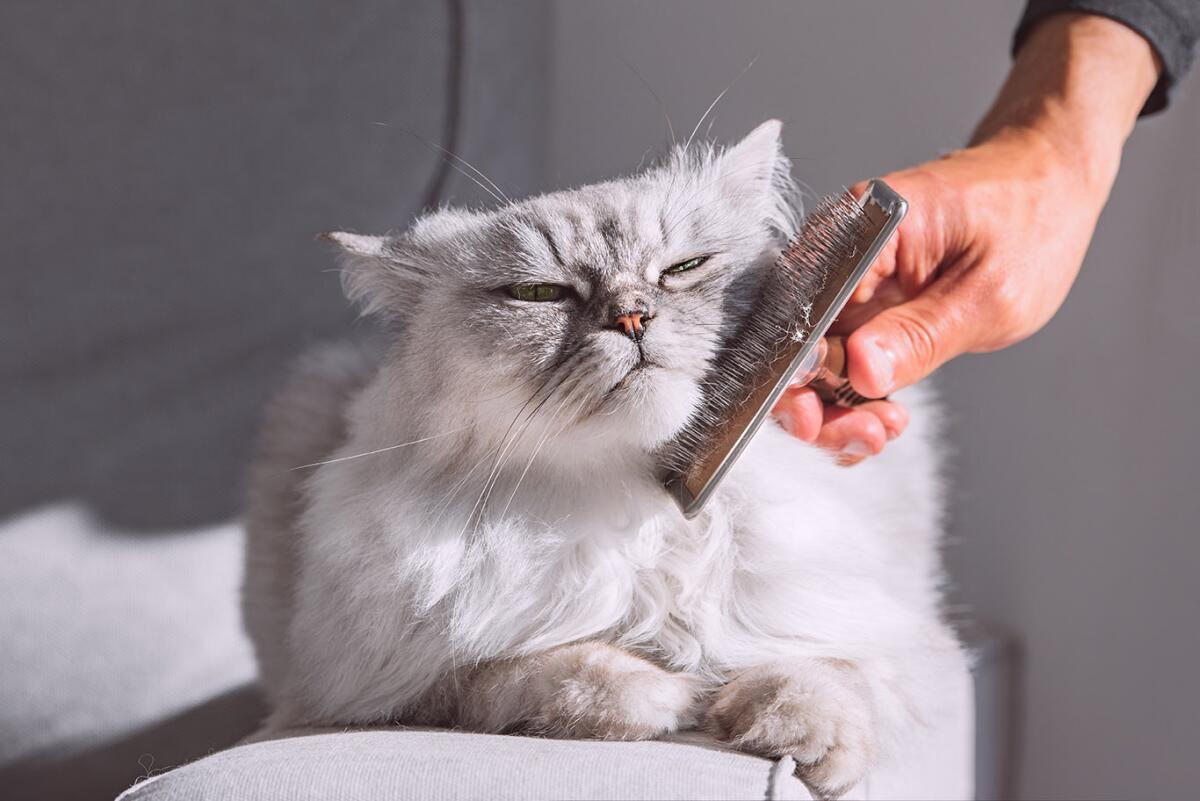
Different cat breeds have unique grooming needs and habits. For instance, Persian cats, with their long and luscious fur, require more grooming time compared to short-haired breeds. Their thick coats can easily become matted, so they often groom to keep their fur smooth. You might notice that they spend more time licking and cleaning themselves to manage their luxurious coats.
Short-haired Vs. Long-haired Cats
Short-haired cats like the Siamese or the British Shorthair tend to spend less time grooming compared to their long-haired counterparts. This is because their fur is less prone to tangles and mats. However, they still dedicate a fair amount of time to personal hygiene, ensuring their coat remains sleek and clean.
Grooming And Health Implications
Excessive grooming can sometimes indicate underlying health issues. If your cat suddenly increases their grooming time, it might be worth checking for skin conditions or stress factors. On the flip side, if a typically fastidious breed starts neglecting their grooming, it could signal that something is amiss.
Environmental And Lifestyle Influences
The environment and lifestyle of your cat can also affect their grooming habits. Indoor cats, with less exposure to dirt and debris, might spend less time grooming compared to outdoor cats. Additionally, cats in multi-pet households might groom more to maintain their scent in a shared space.
Have you ever noticed your cat’s unique grooming patterns? Paying attention to these habits can offer insights into their well-being and preferences. Remember, each cat is an individual, and their grooming habits might not strictly adhere to breed characteristics. Observing your pet’s behavior closely can help you provide the best care possible.
Grooming And Health
Cats spend a large part of their day grooming themselves. Grooming helps keep their fur clean and healthy. It also helps control body temperature and reduce stress. This natural behavior supports their overall well-being. But sometimes grooming can show signs of health problems. Understanding grooming and health is important for every cat owner.
Signs Of Over-grooming
Over-grooming happens when a cat spends too much time cleaning. It can cause hair loss and red, irritated skin. Cats may bite or scratch the same spot repeatedly. Watch for bald patches or scabs. These signs show your cat may be uncomfortable or stressed.
When Grooming Indicates Health Issues
Changes in grooming habits can signal health problems. A cat that grooms less may have pain or illness. Joint pain or dental issues can make grooming hard. Skin infections or allergies also affect grooming behavior. Keep an eye on your cat’s grooming patterns to spot issues early.
How Grooming Affects Cat Behavior
Grooming is more than just a hygiene routine for cats; it deeply influences their behavior and emotional state. Understanding how grooming affects your cat can help you better interpret their moods and needs. It also sheds light on why some cats spend a significant part of their day cleaning themselves.
Grooming As A Stress Reliever
Cats often groom themselves to calm down during stressful situations. This self-soothing behavior helps reduce anxiety by releasing endorphins. Have you noticed your cat licking its fur when a new person visits or during loud noises? That’s their way of coping.
Social Bonding Through Grooming
When cats groom each other, it strengthens their social bonds. This behavior, called allogrooming, shows trust and affection. If you have multiple cats, watch how they groom to understand their friendships and social hierarchy.
Grooming And Health Monitoring
Regular grooming allows cats to check their bodies for injuries or parasites. It’s like a daily health check-up they perform on themselves. If your cat suddenly grooms less or more than usual, it could indicate a health problem worth a vet visit.
Impact On Energy And Playfulness
After grooming, cats often feel refreshed and ready to play or explore. Grooming helps regulate their body temperature and keeps their fur in good condition, which boosts comfort. Next time you see your cat cleaning up, notice how it often leads to a burst of energy afterward.
Frequently Asked Questions
How Much Time Do Cats Spend Grooming Daily?
Cats typically spend about 30% to 50% of their waking hours grooming themselves. This behavior helps keep their fur clean, regulates body temperature, and reduces stress. Grooming is essential for their overall health and comfort.
Why Do Cats Groom So Often?
Cats groom often to remove dirt, loose fur, and parasites. Grooming also helps them regulate body temperature and calm themselves. It is a natural and necessary behavior for maintaining cleanliness and wellbeing.
Does Grooming Time Vary By Cat Breed?
Yes, grooming time can vary by breed. Long-haired cats usually spend more time grooming than short-haired cats. Each breed has different fur care needs, affecting the duration and frequency of grooming sessions.
Can Excessive Grooming Indicate Health Issues?
Excessive grooming can signal stress, allergies, or skin problems. If a cat grooms too much, it may cause bald spots or sores. Consulting a vet is advised to rule out underlying health concerns.
Conclusion
Cats spend a big part of their day grooming themselves. This keeps their fur clean and helps them feel calm. Grooming also helps cats cool down and stay healthy. Understanding how much time they spend grooming shows how important it is for their well-being.
Next time you see your cat licking its fur, remember it is more than just cleaning. It is a key part of their daily routine and self-care. Watching this behavior helps you know your cat better.

Leave a Reply