Washing and grooming your cat might sound tricky, but it doesn’t have to be stressful for you or your furry friend. Knowing the right steps can make the process smooth, safe, and even enjoyable.
If you want your cat to look and feel their best while keeping their coat healthy, this guide is exactly what you need. Keep reading, and you’ll discover simple tips that will turn grooming time into a bonding moment you both look forward to.
Preparing Your Cat For Grooming
Preparing your cat for grooming is key to a smooth experience. Cats can be sensitive to new routines. Taking time to prepare helps reduce stress. A calm cat makes grooming easier and safer. Preparation involves timing, supplies, and the right environment.
Choosing The Right Time
Pick a time when your cat is relaxed. After a nap is often best. Avoid grooming during playtime or feeding. Choose a quiet moment without distractions. Short sessions work better than long ones.
Gathering Necessary Supplies
Have all grooming tools ready before you start. Common supplies include:
- Cat brush or comb
- Pet-safe shampoo
- Soft towels
- Clippers or nail trimmers
- Cotton balls for ears
Keep everything within reach. This prevents leaving your cat alone.
Creating A Calm Environment
Choose a quiet, warm place for grooming. Soft lighting helps keep your cat calm. Speak in a gentle, soothing voice. Use slow, calm movements during grooming. Remove loud noises and distractions. A peaceful space helps your cat relax.
Brushing Techniques For Different Coats
Brushing your cat regularly is essential, but the right technique depends on your cat’s coat type. Understanding how to groom short-haired and long-haired cats properly can make the experience more comfortable for both of you. Let’s break down the best brushing methods tailored to different coat textures and how to handle those stubborn mats and tangles.
Short-haired Cats
Short-haired cats usually need less grooming, but brushing them still helps reduce shedding and keeps their skin healthy. Use a soft-bristle brush or a rubber grooming mitt to gently remove loose fur and dirt.
Brush in the direction of hair growth using gentle strokes. Pay extra attention to areas like the neck, behind the ears, and under the legs where shedding can be heavier.
Have you noticed your cat’s fur shedding more than usual? Regular brushing can catch excess hair before it ends up all over your furniture.
Long-haired Cats
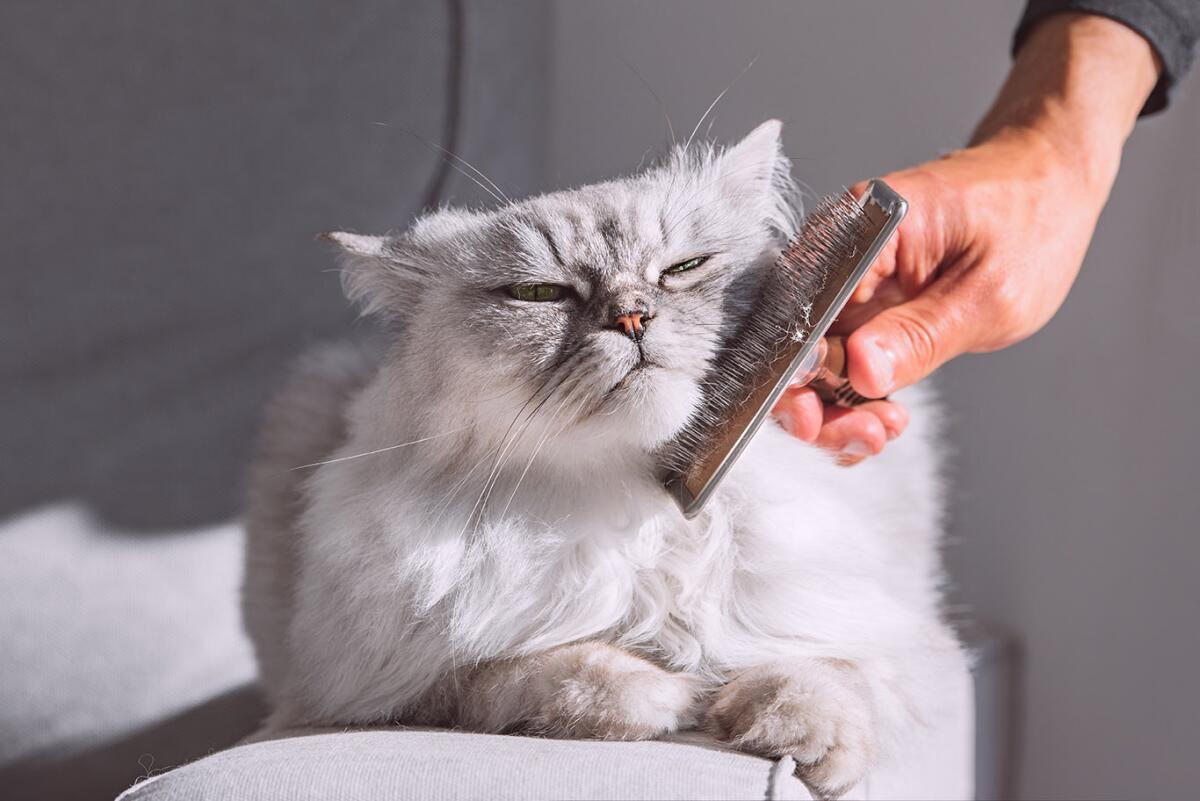
Long-haired cats require more frequent brushing to prevent tangles and keep their coat shiny. A wide-toothed comb works well for detangling, followed by a slicker brush to smooth the coat.
Brush in small sections, starting from the base of the hair to the tips. This method helps avoid pulling on the fur and reduces discomfort for your cat.
Setting aside just 10 minutes a day for grooming can save you hours of dealing with knots and hairballs later.
Dealing With Mats And Tangles
Mats can be painful for your cat and tricky to remove. Begin by gently working through smaller tangles with your fingers or a detangling comb before using a slicker brush.
If a mat is tight, apply a bit of cat-safe detangler spray to loosen it up. Never cut mats out yourself unless you’re confident, as you might accidentally hurt your cat.
Has your cat ever flinched during grooming? Taking time to carefully work through mats can build trust and make future brushing sessions easier.
Safe Bathing Methods
Bathing a cat can be stressful for both the cat and the owner. Safe bathing methods help reduce anxiety and protect your cat’s skin and fur. Use gentle techniques and the right tools to keep the experience calm and effective. Proper preparation and care make a big difference.
Selecting Cat-friendly Shampoo
Choose a shampoo made specifically for cats. Human shampoos can harm their skin and fur. Look for formulas that are gentle, fragrance-free, and hypoallergenic. Avoid shampoos with harsh chemicals or strong scents. These can irritate your cat’s sensitive skin.
Water Temperature And Level
Use lukewarm water to keep your cat comfortable. Water that is too hot or cold can frighten or hurt your cat. Fill the tub or sink with just a few inches of water. This helps your cat feel secure and prevents them from slipping.
Step-by-step Bathing Process
- Brush your cat before bathing to remove loose fur and tangles.
- Gently place your cat in the water, speaking softly to calm them.
- Use a cup or sprayer to wet your cat’s fur slowly.
- Apply the cat shampoo and lather carefully, avoiding eyes and ears.
- Rinse thoroughly with lukewarm water until no soap remains.
- Keep your cat calm and secure throughout the bath.
Drying Tips
Wrap your cat in a soft towel right after the bath. Pat the fur gently to remove excess water. Avoid rubbing, as it can tangle the fur. Use a quiet hairdryer on the lowest setting if your cat allows it. Keep the dryer far from the skin and watch for signs of stress.
Nail Care And Trimming
Trimming a cat’s nails carefully helps prevent scratches and keeps paws healthy. Use a sharp nail clipper and avoid cutting too close to the quick. Regular grooming makes cats more comfortable and reduces the chance of injury during play.
Nail care is crucial for your cat’s health and comfort. Cats use their nails for climbing, playing, and defending. Regular trimming keeps them from becoming overgrown or sharp. It also prevents them from getting caught on fabrics or scratching you. Proper nail care also helps maintain your cat’s posture and balance.Tools You Need
Gather your tools before starting. You need a pair of nail clippers designed for cats. Human nail clippers aren’t suitable. A styptic powder or pencil is also useful. It stops bleeding if you cut too close. Have treats handy for rewarding your cat’s good behavior.How To Trim Safely
Ensure your cat is calm and relaxed. Hold the paw gently and press on the pad to extend the nail. Look for the pink area inside the nail; this is the quick. Avoid cutting the quick as it can bleed and hurt. Trim the sharp tip of the nail, staying away from the quick.Handling Uncooperative Cats
Some cats resist nail trimming. Approach slowly and speak softly to soothe them. If your cat struggles, wrap them in a towel with only one paw out. This technique keeps them secure and calm. If needed, ask a friend to help hold the cat. Always reward your cat with treats afterward. This positive reinforcement helps them associate trimming with rewards.Cleaning Ears And Eyes
Cleaning your cat’s ears and eyes is a delicate but essential part of grooming. These sensitive areas can accumulate dirt, wax, and discharge that might lead to discomfort or infection. Paying close attention to these spots helps keep your cat healthy and comfortable.
Identifying Signs Of Infection
Look carefully at your cat’s ears and eyes for unusual changes. Redness, swelling, or a foul smell from the ears can signal infection. Similarly, watery, cloudy, or yellow-green discharge from the eyes often indicates a problem.
If your cat frequently scratches or shakes their head, it could mean irritation or ear mites. Squinting or rubbing their eyes against furniture might suggest eye discomfort. Have you noticed any of these behaviors in your cat lately?
Proper Cleaning Techniques
Start by gently wiping your cat’s eyes with a soft, damp cloth. Use a separate cloth for each eye to avoid spreading any potential infection. Never use cotton swabs inside the ear canal; instead, clean only the visible outer part of the ear with a vet-approved ear cleaner.
- Hold your cat securely but gently to prevent sudden movements.
- Moisten a cotton ball with the ear cleaner and wipe the ear flap and opening carefully.
- Discard the cotton ball after one use to prevent contamination.
Regular, gentle cleaning prevents buildup without causing stress or injury. Have you tried using a soothing voice or treats to keep your cat calm during cleaning? It often makes the process smoother for both of you.
Maintaining Oral Hygiene
Maintaining your cat’s oral hygiene is vital for their overall health. Poor dental care can lead to pain, infections, and even affect their heart or kidneys. Regular attention to their teeth keeps their breath fresh and prevents serious problems.
Start oral care early to help your cat get used to the process. Make it a calm and positive experience. Consistency matters more than speed or perfection.
Brushing Your Cat’s Teeth
Use a soft-bristled toothbrush made for cats or a finger brush. Choose toothpaste designed for pets, not human toothpaste. Introduce brushing slowly by letting your cat taste the toothpaste first.
- Gently lift the lips to expose teeth.
- Brush in small circles, focusing on the gum line.
- Keep sessions short and calm.
Brush at least twice a week. Daily brushing is best. Be patient. Praise your cat with soft words or treats after brushing.
Dental Treats And Chews
Dental treats and chews support oral health by reducing plaque and tartar. Choose products approved by veterinarians. These treats also help freshen breath and satisfy chewing instincts.
- Use treats as part of daily care, not a meal substitute.
- Monitor your cat while chewing to avoid choking.
- Offer a variety of textures to keep interest.
Combine treats with brushing for better results. Regular vet check-ups ensure your cat’s mouth stays healthy and pain-free.
Rewarding And Comforting Your Cat
Rewarding and comforting your cat after grooming helps build trust. It turns grooming into a positive experience. Cats remember how they feel after these moments.
Calm, gentle words and soft petting ease your cat’s nerves. Providing treats shows your cat that good things follow grooming. This encourages cooperation for future grooming sessions.
Positive Reinforcement
Use treats your cat loves right after grooming. Speak softly and praise your cat with gentle words. Offer petting in favorite spots like behind the ears or under the chin.
- Choose small, tasty treats for quick rewards.
- Keep your tone calm and friendly.
- Reward immediately to connect good feelings with grooming.
Positive reinforcement helps your cat feel safe and appreciated. It creates a calm routine your cat will expect.
Post-grooming Playtime
Playtime relaxes your cat and strengthens your bond. Use favorite toys like feather wands or laser pointers. Short play sessions help your cat burn off stress.
- Keep play gentle and fun.
- Observe your cat’s mood and energy level.
- End playtime before your cat gets tired.
Playtime after grooming makes your cat happy. It turns grooming into a part of a fun day.
Frequently Asked Questions
How Often Should I Wash My Cat?
Cats usually groom themselves and rarely need baths. Wash your cat only if it’s very dirty or has fleas. Generally, bathing once every few months is enough unless your vet advises otherwise.
What Is The Best Shampoo For Cats?
Use a shampoo specifically made for cats. Avoid human shampoos as they can irritate your cat’s skin. Choose a gentle, hypoallergenic formula to keep your cat’s coat healthy and clean.
How Do I Make Cat Grooming Stress-free?
Create a calm environment and use gentle, slow movements. Reward your cat with treats and praise to build positive associations. Regular short grooming sessions help your cat get comfortable over time.
Can I Use Waterless Shampoo For My Cat?
Yes, waterless shampoos are great for quick cleanups. They reduce stress since no water is involved. Choose a cat-safe product and follow the instructions carefully to avoid irritation.
Conclusion
Washing and grooming your cat keeps them healthy and happy. Regular care helps prevent matting and skin problems. Use gentle products made for cats only. Stay calm and patient to make the process smooth. Short sessions work better than long ones.
Remember, grooming builds trust between you and your cat. With practice, it becomes easier and more enjoyable. Your cat will thank you with purrs and love. Keep these tips in mind for a clean, well-groomed pet.

Leave a Reply