Are you wondering how short you can safely groom your cat? Keeping your furry friend well-groomed is important, but cutting too much fur can cause problems.
You want your cat to look neat and feel comfortable without risking their health. You’ll discover the safest length to trim your cat’s coat, what to avoid, and tips to make grooming stress-free for both of you. Keep reading to learn exactly how low you can go when grooming your cat—and keep them happy and healthy at the same time.
Ideal Grooming Length
Finding the ideal grooming length for your cat helps keep them comfortable and healthy. Too short a cut might expose the skin to cold or sunburn. Too long may cause mats and tangles. The right length depends on several factors, including breed, coat type, and the season.
Factors Affecting Grooming Length
Each cat has unique needs that affect grooming length. Age plays a role; kittens and older cats may need gentler trims. Health conditions like skin allergies or wounds also influence how short you can groom. Your cat’s activity level matters. Active cats may need shorter fur to avoid dirt and debris buildup. Your grooming tools and skills impact the final length as well.
Breed And Coat Type Considerations
Different breeds have different coat types. Long-haired breeds like Persians need longer grooming to avoid skin problems. Short-haired cats like the American Shorthair need less frequent trims. Some breeds have double coats, requiring careful trimming to keep undercoat healthy. Always research your cat’s breed to choose the best grooming length. Avoid cutting too close to the skin for sensitive breeds.
Seasonal Grooming Adjustments
Season changes call for different grooming lengths. In summer, shorter fur helps your cat stay cool and prevents overheating. Winter calls for longer fur to keep your cat warm and shielded from cold. Adjust grooming length gradually to avoid stress. Monitor your cat’s comfort as the seasons shift to find the perfect balance.
Tools For Safe Grooming
Grooming a cat safely requires the right tools. Proper equipment helps avoid stress and injury. It also makes grooming easier for both cat and owner. Knowing which tools to use is key for a smooth grooming session.
Recommended Clippers And Scissors
Choose clippers designed for pets. Quiet, low-vibration clippers reduce fear. Use sharp, stainless steel scissors for trimming small areas. Rounded tips on scissors prevent accidental cuts. Avoid human hair clippers; they can pull and hurt your cat.
Brushes And Combs
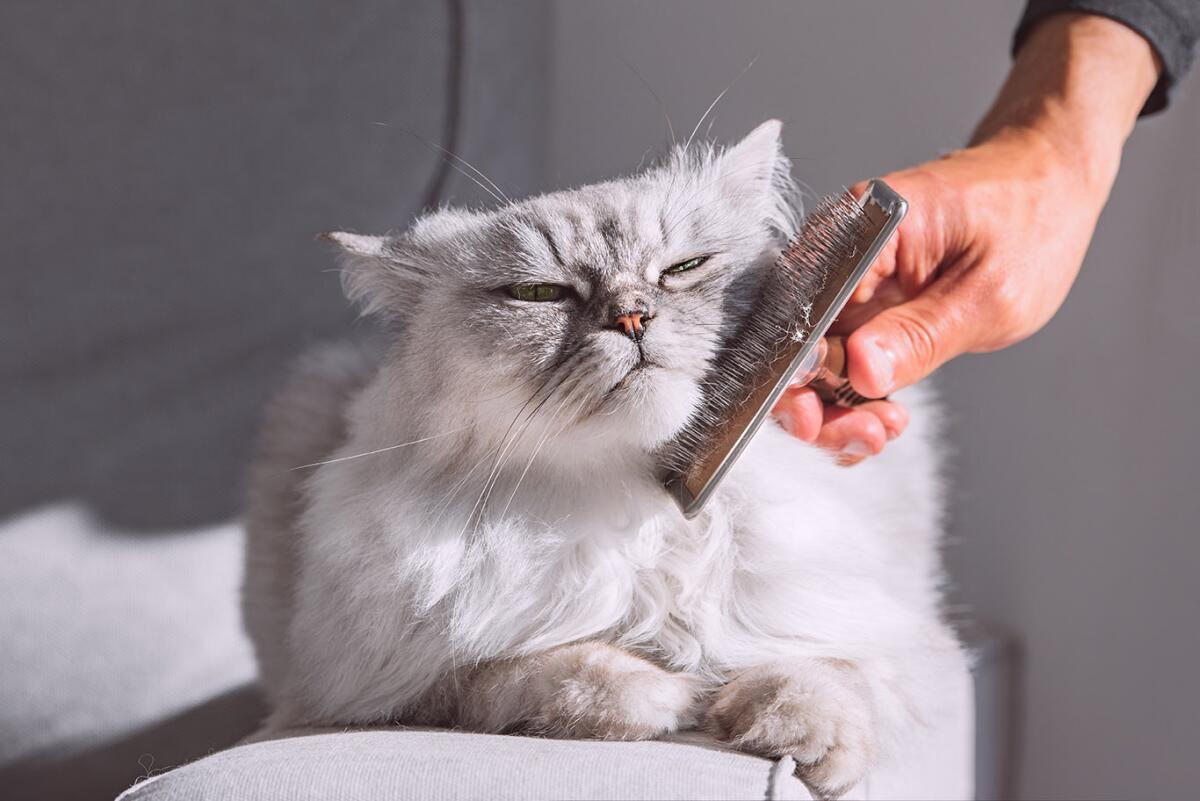
Use brushes suitable for your cat’s fur type. Slicker brushes work well for long hair. Fine-toothed combs help remove tangles and loose fur. Soft bristle brushes are good for short-haired cats. Regular brushing keeps fur clean and reduces matting.
Avoiding Skin Injuries
Be gentle and move slowly while grooming. Hold the skin taut to prevent cuts. Check blades and scissors for sharpness before use. Stop grooming if your cat shows signs of pain. Keep a first aid kit nearby in case of accidents.
Step-by-step Grooming Process
Grooming a cat to the lowest safe length requires care and patience. The process helps keep your cat comfortable and clean. It also prevents matting and skin problems. Following a clear grooming routine makes the experience less stressful for your cat.
Preparing Your Cat
Choose a quiet and calm space for grooming. Brush your cat gently to remove loose hair. Check for any skin issues or wounds. Trim your cat’s nails to avoid scratches. Talk softly to keep your cat relaxed.
Clipping Techniques
Use clippers designed for pets with sharp blades. Hold the clipper steady and move in the direction of hair growth. Avoid pressing too hard on the skin. Clip in small sections to keep control. Leave some hair near sensitive areas like the face and tail.
Finishing Touches
Brush the cat again to remove loose hair. Wipe the skin with a damp cloth if needed. Reward your cat with a treat or gentle petting. Clean the clippers and store them safely. Observe your cat for any signs of discomfort after grooming.
Common Grooming Mistakes
Grooming your cat might seem straightforward, but there are common mistakes that can cause discomfort or even harm. These errors often come from good intentions but result in unnecessary stress for your pet. Understanding what to avoid is just as important as knowing how to groom properly.
Cutting Too Close
One of the biggest mistakes is trimming your cat’s fur too close to the skin. This can cause nicks, cuts, or irritation, especially if your cat moves suddenly. Cats’ skin is delicate, so leaving a small margin of fur helps protect them from injuries.
Think about your own skin—would you want a razor blade scraping directly against it? Most cats feel the same way. Instead, use scissors or clippers designed for pets and keep a safe distance from the skin.
Ignoring Sensitive Areas
Many owners avoid grooming areas like the belly, ears, and paws because they seem tricky or your cat might resist. However, neglecting these spots can lead to matting, dirt buildup, and discomfort. These areas need gentle attention and regular checks.
For example, mats near the belly can tighten and pull on the skin, causing pain. Taking time to carefully groom these zones not only keeps your cat comfortable but also helps you spot any health issues early.
Over-grooming Risks
It might seem like more grooming is better, but overdoing it can irritate your cat’s skin and strip natural oils. Too frequent brushing or bathing can cause dryness, redness, or even sores. Your cat’s coat needs balance to stay healthy and shiny.
Ask yourself: how often does your cat really need grooming? For most, a few times a week is enough, depending on their breed and coat type. Pay attention to your cat’s reaction—if they seem stressed or their skin looks irritated, slow down.
Signs Your Cat Needs Professional Grooming
Recognizing when your cat needs professional grooming can prevent discomfort and health issues. While regular at-home grooming is essential, sometimes a professional touch is necessary. Below are key signs indicating your feline friend may benefit from expert care.
Matting And Tangles
Matting and tangles are common in cats with long or dense fur. These can cause skin irritation and even infections if left untreated. If you notice persistent knots that you can’t easily comb out, it might be time to call in a professional.
Imagine trying to brush through your own hair after a windy day at the beach. Now, think about your cat dealing with this daily. Regular grooming helps, but a professional groomer can remove stubborn mats without hurting your cat.
Behavioral Changes
Is your cat suddenly more irritable or hiding more often? Changes in behavior can sometimes be linked to grooming issues. Cats are fastidious creatures, and discomfort from dirty or matted fur can lead to stress.
Perhaps your cat is avoiding your lap because their fur is pulling at their skin. A professional grooming session can restore their comfort and possibly their mood. Don’t ignore these subtle hints; your cat’s behavior is a window into their well-being.
Health Concerns
Grooming is not just about looks; it’s also about health. Overgrown nails can cause pain or even lead to infections. Regular grooming checks can identify early signs of skin conditions or parasites.
A professional groomer will thoroughly inspect your cat’s coat and skin, spotting potential issues that might go unnoticed at home. Keeping an eye on health through grooming can prevent minor issues from becoming major problems.
Does your cat show any of these signs? If so, consider scheduling a grooming appointment. Your cat’s health and happiness might just depend on it.
Maintaining Grooming Between Sessions
Keeping your cat well-groomed between professional grooming sessions is essential for their comfort and health. Consistent care prevents mats, reduces shedding, and keeps your pet feeling fresh. It also strengthens the bond you share with your furry friend, turning grooming into a positive experience.
Daily Brushing Tips
Brushing your cat every day helps catch loose fur before it turns into mats. Use a brush suited to your cat’s coat type—slicker brushes work well for long-haired cats, while rubber brushes suit short-haired breeds. Make brushing a calm, gentle routine; many cats enjoy the feeling once they get used to it.
Try brushing in short sessions of 5 to 10 minutes to keep your cat relaxed. Notice how your cat reacts—if they seem restless, stop and try again later. Have you ever seen the difference in shedding after just a few days of regular brushing?
Bathing Guidelines
Most cats don’t need frequent baths, but occasional cleaning can be necessary, especially if your cat gets into something messy. Use a cat-specific shampoo to avoid skin irritation and always rinse thoroughly. Bathing too often can strip natural oils, so keep it to a minimum—usually once every few months.
Prepare everything before you start to keep the process quick and stress-free. Warm water, a non-slip surface, and a calm voice help your cat feel safe. Have you noticed how a clean coat shines differently after a bath?
Nail And Ear Care
Trimming nails every couple of weeks prevents overgrowth and reduces the risk of scratches, both to you and your furniture. Use a sharp, cat-specific nail clipper and only trim the sharp tip, avoiding the quick inside the nail. If you’re unsure, ask your vet to show you the proper technique.
Ear care is just as important—check your cat’s ears weekly for dirt or wax buildup. Use a damp cotton ball or a vet-recommended ear cleaner to gently wipe the outer ear. If you see redness, swelling, or a strong odor, it’s time to visit the vet.
Frequently Asked Questions
What Is The Lowest Safe Grooming Length For Cats?
The lowest safe grooming length varies by breed and skin sensitivity. Generally, a half-inch trim is safe to prevent skin irritation. Avoid shaving cats too close to protect their skin from cuts and temperature changes.
How Often Should I Groom My Cat’s Fur?
Cats with long hair need grooming every 4 to 6 weeks. Short-haired cats may require less frequent grooming. Regular brushing helps prevent mats and reduces shedding, improving coat health.
Can Grooming Too Short Harm My Cat?
Yes, grooming too short can cause skin irritation, cuts, and sunburn. It also removes natural insulation, making cats vulnerable to cold. Always use proper tools and avoid shaving below recommended lengths.
Why Do Some Cats Need Shorter Grooming Cuts?
Some cats need shorter grooming to manage mats or medical reasons. Older or overweight cats may benefit from shorter trims for hygiene. Consult a vet or groomer for the best length for your cat.
Conclusion
Grooming your cat too short can cause discomfort and skin issues. Always keep a safe length to protect their skin and fur. Regular brushing helps avoid mats and keeps your cat healthy. Watch your cat’s reaction during grooming to know their comfort level.
Short cuts are fine but avoid shaving too close to the skin. Gentle care and attention make grooming a positive experience. Your cat will thank you with a happy and shiny coat.

Leave a Reply