If your cat has heart problems, grooming might feel tricky or even risky. You want to keep your furry friend clean and comfortable, but you also need to be careful not to cause stress or strain.
How can you do this safely and effectively? You’ll discover simple, gentle grooming tips tailored just for cats with heart conditions. By learning these easy steps, you’ll protect your cat’s health while making grooming a calm and positive experience. Keep reading to find out how you can care for your special companion without worry.
Signs Of Heart Problems In Cats
Recognizing the signs of heart problems in your cat is crucial for their well-being. Cats are masters at hiding discomfort, so subtle changes might be your first clue. Knowing what to look for can help you act quickly and keep your feline friend comfortable.
Common Symptoms To Watch
- Difficulty Breathing:Watch for rapid or labored breathing, even when your cat is resting.
- Persistent Coughing:A dry, hacking cough can signal heart issues.
- Reduced Activity:If your cat suddenly seems tired or reluctant to play, it could be a warning sign.
- Loss of Appetite:Noticeable changes in eating habits may indicate discomfort or illness.
- Swollen Abdomen:Bloating or fluid buildup is a serious symptom of heart problems.
- Fainting or Collapse:Sudden weakness or passing out requires immediate attention.
Have you ever noticed your cat’s behavior shift without an obvious cause? These subtle symptoms often come before more severe issues. Paying attention to small changes can make a big difference.
When To Consult A Vet
If your cat shows any of these symptoms, don’t wait to seek veterinary advice. Early diagnosis can improve treatment options and quality of life. Even if the signs seem mild, a professional checkup is essential.
Trust your instincts—if something feels off, it probably is. Regular vet visits are a great opportunity to discuss any concerns about your cat’s heart health. Remember, catching heart problems early can save your cat from serious complications.
Preparing For Grooming
Preparing to groom a cat with heart problems needs extra care and thought. The cat’s comfort and safety come first. A calm and quiet space helps keep your cat relaxed. Tools must be gentle to avoid stress and injury. Taking time to prepare sets the stage for a smooth grooming session.
Choosing The Right Environment
Pick a quiet room with soft lighting. Avoid loud noises or sudden movements. A familiar spot helps your cat feel safe. Keep the temperature warm but not hot. Use a non-slip surface to prevent slipping. Make sure the area is clean and free of clutter. Limit distractions to keep your cat calm.
Gathering Gentle Grooming Tools
Use soft brushes designed for sensitive skin. Avoid harsh combs or rough materials. Have a small towel ready for comfort or wiping. Use nail clippers made for cats, sharp but gentle. Prepare treats to reward your cat during grooming. Keep all tools within easy reach to avoid interruptions.
Safe Grooming Techniques
Grooming a cat with heart problems requires extra care to avoid causing stress or discomfort. Safe grooming techniques focus on gentle handling and observing your cat’s reactions closely. These methods help maintain your cat’s well-being while keeping their coat and nails in good condition.
Brushing Without Stress
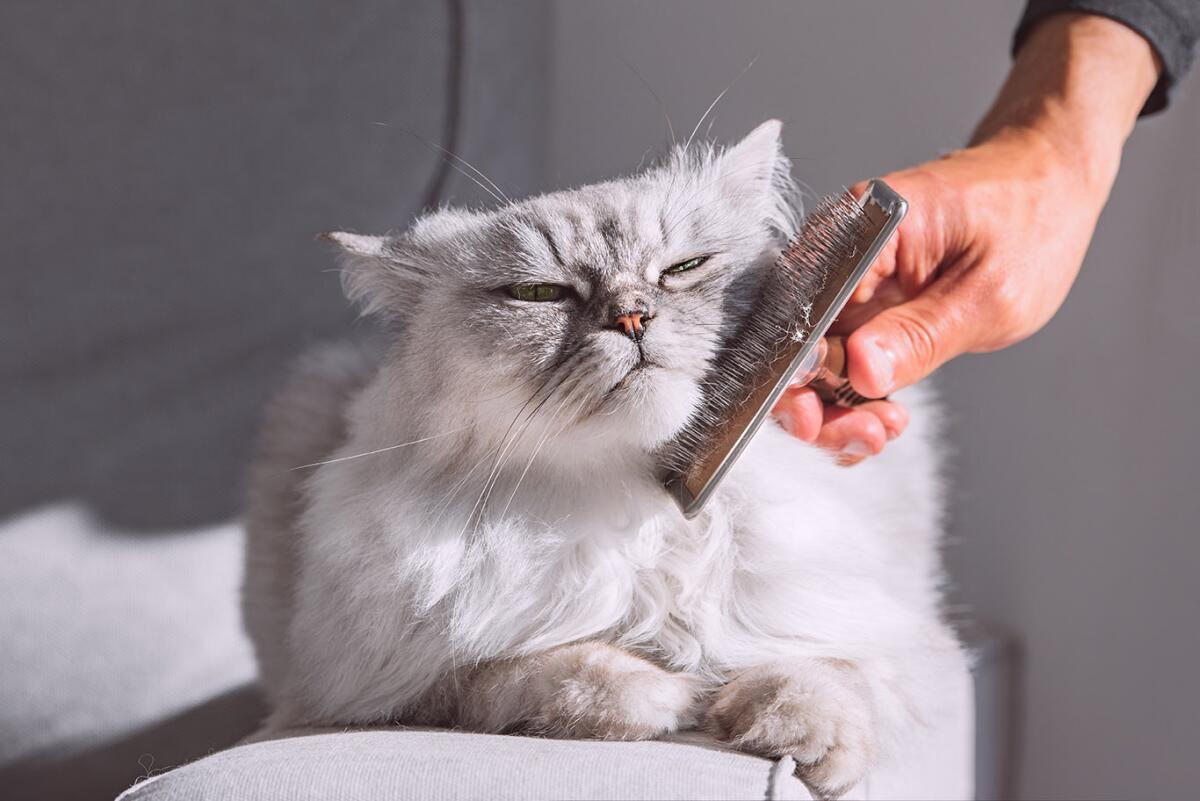
Choose a soft-bristled brush to avoid pulling on delicate fur. Brush in short sessions to prevent overwhelming your cat, especially if they tire easily. Pay attention to your cat’s breathing and body language—stop immediately if you notice any signs of distress.
Try brushing while your cat is relaxed, such as after a nap or during quiet times. Use slow, gentle strokes and speak softly to keep them calm. Have treats nearby to reward patience and create a positive experience.
Bathing Tips For Sensitive Cats
Bathing is often stressful, so avoid it unless absolutely necessary. Use warm water and a mild, cat-safe shampoo to protect sensitive skin. Limit the bath duration and keep the environment warm to prevent your cat from getting cold.
Support your cat’s body gently throughout the bath, and avoid sudden movements. If your cat shows signs of anxiety, stop and try spot-cleaning with a damp cloth instead. Have a towel ready for a quick, gentle dry to reduce discomfort.
Handling Nails And Paws Carefully
Check your cat’s paws regularly without squeezing or pressing hard. Use a small, sharp nail clipper designed for cats, and trim only the tips to avoid causing pain or bleeding. Keep sessions short and calm, offering breaks if your cat becomes restless.
Consider massaging the paws gently before clipping to relax the muscles. If your cat resists, try clipping one nail at a time over several days rather than all at once. This approach reduces stress and helps you maintain your cat’s nail health safely.
Monitoring Your Cat’s Response
Monitoring your cat’s response during grooming is crucial, especially if your feline friend has heart problems. Paying close attention allows you to catch early signs of stress or discomfort, which can prevent serious health setbacks. Your cat’s reactions provide vital clues about their comfort level and help you adjust the process to keep grooming safe and gentle.
Recognizing Signs Of Discomfort
Watch your cat’s body language carefully. Signs like heavy breathing, rapid pawing at the grooming tools, or sudden attempts to escape indicate discomfort.
Other subtle signals include:
- Whining or unusual vocalizations
- Flattened ears or dilated pupils
- Increased heart rate or trembling
These responses suggest your cat might be feeling stressed or physically strained. Have you noticed your cat’s usual calmness change during grooming? Noticing these shifts early lets you pause and reassess.
Adjusting Grooming Routine
If your cat shows any signs of distress, slow down or break the grooming session into shorter intervals. Instead of a full grooming at once, try several brief sessions throughout the day.
Use gentle strokes and avoid sensitive areas that might trigger discomfort. You might also consider switching to softer brushes or tools designed for delicate skin.
Always provide quiet and calm surroundings to reduce anxiety. How can you create a more relaxing environment that encourages your cat to cooperate?
Remember, your goal is to keep grooming a positive experience that supports your cat’s health, not to rush through it. Adjusting based on your cat’s feedback ensures you protect their heart while keeping them clean and comfortable.
Special Care Tips
Groom cats with heart problems gently and calmly to avoid stress. Use soft brushes and keep sessions short to protect their health. Watch for any signs of discomfort during grooming.
Caring for a cat with heart problems requires special attention, especially when it comes to grooming. Cats with heart conditions may not tolerate the stress and exertion of grooming as well as other cats. They need a gentle touch and a keen eye to ensure their comfort and safety. Let’s dive into some special care tips that can make this task easier and more effective for you and your feline friend.Managing Grooming For Older Cats
Older cats with heart issues often have less energy and may be less flexible, making grooming a bit more challenging. Start by setting up a calm environment. Use a soft brush to gently remove loose fur, which helps minimize the risk of hairballs and promotes healthy skin. Keep grooming sessions short. Pay attention to your cat’s body language and stop if they seem stressed or tired. Reward them with a treat to make the experience positive and encourage cooperation next time.Dealing With Matted Fur Safely
Matted fur can be uncomfortable and even painful for cats with heart problems, as they might not be able to groom themselves properly. Use a detangling spray and a wide-toothed comb to gently work through the mats. If mats are too tight or close to the skin, consider using blunt-tipped scissors to carefully cut them out. Always consult your veterinarian if you’re unsure about removing mats yourself. Have you ever noticed how a simple grooming session can transform your cat’s mood? It not only makes them feel better physically but can also reduce stress, which is crucial for cats with heart conditions.When To Seek Professional Help
Knowing when to seek professional help is crucial if your cat has heart problems. Grooming can be stressful and physically demanding, which might put extra strain on their heart. Recognizing the signs that your cat needs expert care can protect their health and keep grooming safe and comfortable.
Benefits Of Professional Groomers
Professional groomers have experience handling cats with special health needs. They understand how to work gently and calmly, minimizing stress on your cat’s heart.
They also have the right tools to make grooming quicker and less tiring. This can be a huge relief if your cat struggles with long sessions or becomes anxious.
Have you noticed your cat panting heavily or slowing down during grooming? These are signals that a professional’s touch might be safer.
Veterinary Assistance During Grooming
Sometimes, grooming your cat with heart problems requires more than just careful handling. A veterinarian can provide medical support during grooming, ensuring your cat’s heart stays stable.
This might include monitoring your cat’s breathing and heart rate or giving medications to calm anxiety. If your cat has a history of heart-related episodes, a vet’s presence can prevent emergencies.
Would you feel more confident grooming your cat if a vet was nearby? Many pet owners find this reassurance invaluable when managing delicate health conditions.
Frequently Asked Questions
How Often Should I Groom A Cat With Heart Problems?
Groom cats with heart issues gently once or twice weekly. Avoid stressful sessions to prevent heart strain. Regular grooming helps monitor health and keeps the coat clean. Always observe your cat’s comfort and adjust frequency accordingly.
What Grooming Tools Are Safe For Cats With Heart Conditions?
Use soft brushes and combs to avoid stress. Electric clippers may frighten cats, so use manual tools. Ensure all tools are clean to prevent infections. Choose lightweight, easy-to-handle tools for gentle grooming sessions.
Can Grooming Cause Stress In Cats With Heart Disease?
Yes, grooming can stress cats with heart problems. Stress may worsen heart symptoms. Keep sessions short, quiet, and calm. Use soothing tones and gentle strokes. Watch for signs of distress and stop if needed.
Should I Consult A Vet Before Grooming My Cat With Heart Issues?
Always consult your vet before grooming cats with heart conditions. They can advise on safe grooming practices and frequency. Vets may recommend specific products or techniques to protect your cat’s health during grooming.
Conclusion
Grooming a cat with heart problems needs care and patience. Keep sessions short and gentle to avoid stress. Watch your cat closely for signs of discomfort or tiredness. Use soft brushes and calm voices to soothe your pet. Regular grooming helps keep your cat healthy and happy.
Always check with your vet before starting new routines. Small, consistent efforts make a big difference in your cat’s well-being. Take your time, and your cat will feel loved and cared for.

Leave a Reply