Grooming your cat can feel like a challenge, especially when they don’t seem to enjoy it. You want your furry friend to look and feel their best, but scratching, biting, or running away can make grooming stressful for both of you.
What if there was a way to make this task easier and even calming for your cat? You’ll discover simple, effective tips to groom your cat that doesn’t fight back. By the end, you’ll have the tools to keep your cat clean and happy—without the hassle.
Keep reading, because your cat’s comfort and your peace of mind are just a few steps away.
Why Cats Resist Grooming
Understanding why your cat resists grooming is key to making the process smoother for both of you. Cats don’t always welcome grooming because it can bring up fears or discomforts they struggle to express. Recognizing these reasons helps you approach grooming with patience and care, turning it into a bonding moment rather than a battle.
Common Fears And Discomforts
Cats may resist grooming because it feels strange or uncomfortable. Some dislike the sound or sensation of brushes and combs on their fur. Others find certain spots on their body sensitive or painful to touch, which makes grooming stressful.
Have you noticed your cat pulling away or tensing up when you reach a specific area? That’s a clear sign of discomfort. You can try gentler tools or shorter grooming sessions to help your cat adjust gradually.
Past Negative Experiences
If your cat had a bad grooming experience before, they might associate grooming with fear or pain. Rough handling, accidental pinching with clippers, or being forced to stay still can create lasting anxiety. Cats remember these moments and become wary of grooming attempts.
Try to identify if your cat had previous grooming trauma. Approach sessions slowly and reward calm behavior to rebuild trust. Your calm demeanor can help rewrite those negative memories into positive ones.
Personality Differences
Every cat is unique, and some simply dislike being touched or confined more than others. Independent or shy cats often prefer less physical contact and may resist grooming more. Understanding your cat’s personality helps you tailor your approach.
Is your cat more curious or cautious? Adjust your expectations and grooming style accordingly. Some cats might prefer brief, playful interactions rather than long grooming sessions, so observe what works best.
Preparing For A Calm Grooming Session
Preparing for a calm grooming session is the key to keeping your cat relaxed and cooperative. Cats are sensitive creatures who pick up on your mood and environment quickly. Setting the right tone before you start can make grooming easier for both of you.
Choosing The Right Time
Pick a moment when your cat feels most at ease. This is often after a meal or a long nap when they are naturally calmer. Avoid grooming during high-energy playtimes or when your cat seems anxious or restless.
Think about your own schedule too—choose a time when you won’t feel rushed or distracted. Have you noticed your cat’s daily routine? Aligning grooming with their relaxed periods can reduce stress.
Creating A Comfortable Environment
Set up a quiet space free from loud noises and distractions. Soft lighting and a familiar spot, like their favorite chair or blanket, help your cat feel secure. You might even play gentle music or use a pheromone diffuser designed to calm cats.
Keep your voice soft and soothing. Your calm energy influences your cat’s behavior. Have you tried speaking to your cat during grooming? It often helps them stay settled.
Gathering Necessary Tools
Prepare all grooming tools before you begin to avoid interruptions. Depending on your cat’s coat, you might need a brush, comb, nail clippers, and pet-safe wipes. Having everything within reach keeps the session smooth and less stressful.
Check your tools regularly for sharpness and cleanliness. Dull brushes or dirty clippers can cause discomfort and make your cat wary. What grooming tools does your cat respond to best?
Gentle Grooming Techniques
Gentle grooming techniques help build trust with a cat that dislikes grooming. Patience and kindness are key to making the experience calm and pleasant. Using soft tools and taking short breaks can reduce stress for both you and your cat. Rewarding your cat encourages good behavior and makes grooming easier over time.
Using Soft Brushes And Combs
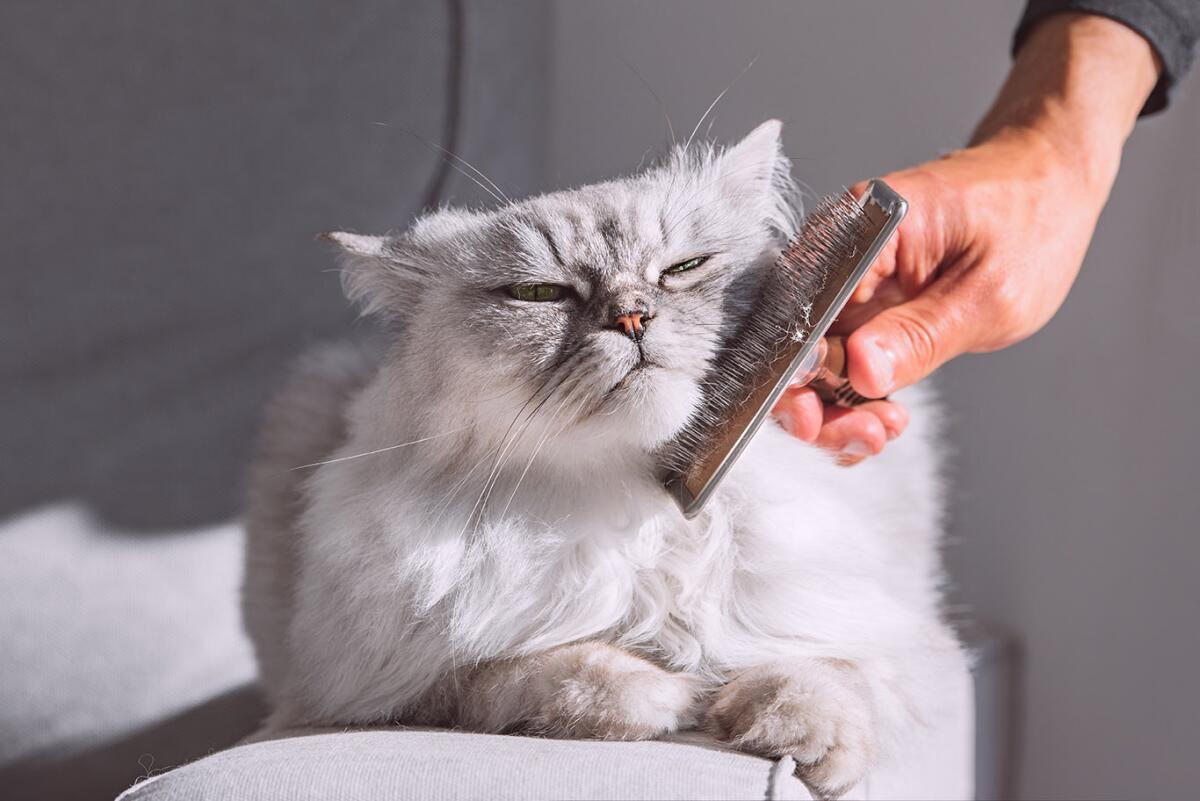
Choose brushes with soft bristles to protect your cat’s sensitive skin. Combs with wide teeth work well for untangling without pulling fur. Start brushing gently in the direction of hair growth. Avoid pressing too hard to prevent discomfort. Soft tools help your cat feel safe during grooming.
Short And Frequent Sessions
Keep grooming sessions brief, around 5 to 10 minutes. Short sessions prevent your cat from getting restless or scared. Groom often instead of one long session to maintain fur health. Take breaks if your cat shows signs of stress. Frequent care keeps the coat clean and reduces shedding.
Positive Reinforcement
Use treats and gentle praise to reward your cat after grooming. Positive reinforcement helps your cat associate grooming with good things. Speak softly and pet your cat calmly during sessions. Offering rewards encourages your cat to stay still and relaxed. Over time, grooming becomes a positive routine for your cat.
Handling Aggression And Anxiety
Grooming a cat that shows aggression or anxiety requires patience and calm. Use gentle movements and offer treats to build trust. Taking breaks helps keep your cat relaxed during grooming sessions.
Grooming a cat that doesn’t enjoy the process can be a challenging task, especially when aggression and anxiety come into play. Cats, much like humans, have their own personalities and comfort levels. Understanding how to handle these behaviors is crucial in ensuring a safe and stress-free grooming experience for both you and your feline friend.Recognizing Warning Signs
Before aggression escalates, pay attention to your cat’s body language. Ears pinned back, a flicking tail, or dilated pupils are clear indicators your cat is stressed. Recognizing these signs early can prevent a grooming session from turning into a battle.Safe Restraint Methods
Using a towel or a specialized grooming bag can help in restraining your cat safely without causing panic. Wrap your cat gently but securely, leaving their head exposed to reduce the feeling of entrapment. Always ensure that the restraint method allows your cat to breathe comfortably and doesn’t apply excessive pressure.When To Take Breaks
If your cat begins to growl, hiss, or become overly restless, it’s time to pause. Short, frequent grooming sessions can be more effective than trying to complete the task all at once. Taking breaks not only calms your cat but also helps build a positive association with grooming over time. How do you know when your cat has had enough? Observing their behavior and adjusting your approach can make grooming a more pleasant experience for both of you.Alternative Grooming Options
Some cats do not enjoy traditional grooming. They may resist brushing or baths. Alternative grooming options offer gentle care without stress. These methods help maintain your cat’s coat and skin health.
Professional Groomers
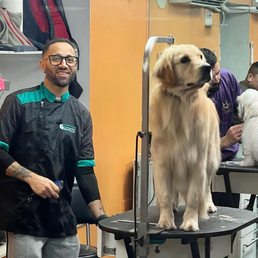
Professional groomers have experience with shy or nervous cats. They use tools and techniques that reduce stress. Groomers can trim nails, clean ears, and remove mats safely. Regular visits keep your cat comfortable and clean.
Waterless Shampoos And Wipes
Waterless shampoos clean your cat without water or rinsing. They are gentle and easy to use. Wipes help remove dirt and loose fur quickly. These products refresh your cat’s coat between full baths.
Regular Vet Checkups
Vet visits check your cat’s skin and coat health. They spot problems like fleas, infections, or allergies early. Vets can recommend suitable grooming routines or treatments. Healthy skin and fur start with good care.
Maintaining Grooming Habits
Maintaining grooming habits with a cat that doesn’t naturally enjoy being groomed can be challenging. The key is to make grooming a positive experience that your cat looks forward to rather than dreads. This requires building trust, staying consistent, and rewarding your cat’s calm behavior during these sessions.
Building Trust Over Time
Trust is the foundation of any grooming routine. Start by letting your cat get used to the grooming tools without forcing them. Leave brushes or combs near their favorite resting spots so they associate these items with comfort.
Spend time petting your cat gently before introducing grooming. Notice their reactions and adjust your touch accordingly. Have you noticed how some cats prefer slow strokes over quick ones? Use those preferences to your advantage.
Consistency And Patience
Consistency helps your cat understand that grooming is a regular, safe activity. Try to groom at the same time each day or week, even if only for a few minutes. Short, frequent sessions work better than long, infrequent ones.
Patience is crucial because some cats might never love grooming, but they can learn to tolerate it. If your cat suddenly pulls away, don’t force it. Take a break and try again later, respecting their limits while gently encouraging progress.
Rewarding Good Behavior
Positive reinforcement turns grooming into a game your cat wants to play. Use treats, gentle praise, or their favorite toy immediately after grooming sessions. This links grooming with something pleasant.
- Offer a small treat right after brushing
- Use soft words and calm tones to soothe your cat
- Play a short interactive game to celebrate their cooperation
Have you tried observing what motivates your cat the most? Tailoring rewards makes the grooming experience more appealing and helps build a lasting habit.
Frequently Asked Questions
How Often Should I Groom A Cat That Dislikes Grooming?
Groom a reluctant cat once or twice a week. Start with short sessions to build trust. Use gentle strokes and soft brushes to reduce stress. Regular grooming prevents mats and reduces shedding, improving your cat’s comfort and coat health.
What Tools Are Best For Grooming A Cat That Resists?
Use a soft-bristle brush or rubber grooming glove for sensitive cats. Avoid harsh combs to prevent discomfort. Choose tools designed for cats with sensitive skin. This helps make grooming a calming experience and encourages cooperation.
How Can I Calm A Cat That Hates Grooming?
Speak softly and move slowly during grooming. Offer treats and praise to create positive associations. Groom in a quiet, comfortable space to reduce stress. Take breaks if your cat becomes anxious or restless.
Can Grooming Help Reduce Shedding In Cats That Dislike It?
Yes, regular grooming removes loose fur and prevents hairballs. Even short grooming sessions help reduce shedding. Use gentle tools to avoid upsetting your cat. Consistent grooming improves coat health and minimizes fur around your home.
Conclusion
Grooming a cat that doesn’t like it takes patience and care. Start slow and keep sessions short. Use gentle touches and calm voices to help your cat relax. Small rewards can encourage good behavior. Watch your cat’s signals and stop if it feels stressed.
Regular grooming keeps your cat healthy and happy. Over time, your cat may accept grooming more easily. Remember, kindness and patience work best. Keep trying, and both you and your cat will benefit.

Leave a Reply