Have you ever tried to groom your cat, only to be met with a sudden bite? If you have, you’re not alone—and you might be wondering if this behavior is normal.
Understanding why your cat bites during grooming can help you create a calmer, more enjoyable experience for both of you. Keep reading to discover the surprising reasons behind this common behavior and learn simple ways to make grooming a positive time for your furry friend.
Cat Grooming Behavior
Cats have unique grooming behaviors that often puzzle their owners. Understanding how and why your cat grooms can help you make sense of their occasional biting during these moments. Grooming is more than just cleaning; it’s a vital part of their social and emotional life.
How Cats Groom Themselves
Cats use their tongues to clean their fur, removing dirt and loose hair. Their tongues feel rough because of tiny, hook-like structures called papillae. These help them reach deep into their coat, which keeps their fur healthy and shiny.
Grooming also helps cats regulate their body temperature and reduce stress. You might notice your cat spending a lot of time licking certain spots, especially after eating or waking up. Have you ever wondered if your cat’s grooming habits change when they feel anxious or uncomfortable?
Social Grooming Among Cats
Social grooming, or allogrooming, happens when cats groom each other. This behavior strengthens bonds and shows trust. Cats often groom close family members or friends, especially around the head and neck, areas they can’t easily reach themselves.
If your cat bites you during grooming, it might be mimicking this social behavior. Sometimes, a gentle bite is their way of communicating or setting limits, much like they do with other cats. Think about how your cat reacts when you pet them—could the bite be their way of saying “enough”?
Why Cats Bite During Grooming
Understanding why cats bite during grooming can help you respond better to your feline friend’s behavior. Biting isn’t always a sign of aggression; sometimes, it’s a form of communication or play. Recognizing the type of bite can improve your grooming experience and strengthen your bond.
Playful Biting Vs. Aggressive Biting
Not all bites are meant to hurt. Playful biting is usually gentle and brief, often accompanied by purring or relaxed body language. Your cat might nibble softly as a way to invite interaction or show affection.
Aggressive biting, however, is sharp and sudden. It may come with hissing, flattened ears, or a twitching tail. This type of bite signals discomfort or fear, warning you to stop what you’re doing immediately.
Communication Through Biting
Cats use biting to communicate their feelings during grooming. A small nip can mean, “I’m done,” or “That spot is too sensitive.” Paying attention to these signals helps you avoid stressing your cat.
Have you noticed your cat biting right after you brush a particular area? This might be their way of telling you to change tactics. Listening to these cues makes grooming smoother for both of you.
Overstimulation Sensitivity
Some cats have low tolerance for prolonged petting or brushing. Overstimulation can cause sudden biting without much warning. It’s important to watch for signs like tail flicking, skin twitching, or restlessness.
If your cat bites during grooming, try shorter sessions and observe which spots trigger this reaction. Adjusting your approach can prevent bites and keep grooming a positive experience.
Breed And Personality Factors
Understanding why some cats bite during grooming starts with looking at their breed and personality. These factors shape how your cat reacts to touch and handling. Recognizing these traits can help you adjust your approach and make grooming a better experience for both of you.
Breeds More Prone To Biting
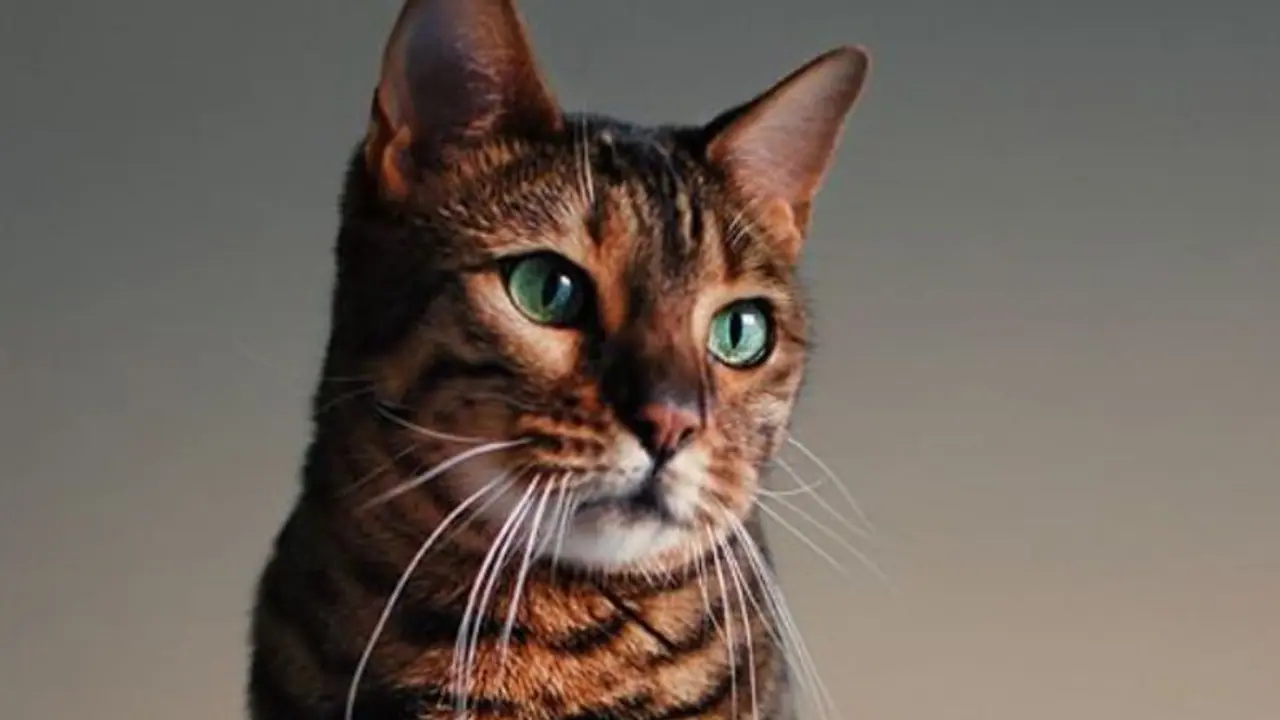
Certain cat breeds tend to be more sensitive or reactive when touched, which can lead to biting during grooming. For example, Siamese cats are known for their strong personalities and can be more vocal or defensive if they feel uncomfortable. Similarly, Bengal cats often have a high energy level and may use biting as a way to communicate their limits.
Other breeds, like Persians, might dislike grooming because of their thick fur, making them more likely to snap if brushing becomes too rough. Knowing your cat’s breed tendencies gives you a clue about how patient and gentle you need to be. Have you noticed your cat’s breed traits affecting their behavior during grooming?
Individual Cat Temperaments
Beyond breed, each cat has a unique personality that affects how they respond to grooming. Some cats are naturally more tolerant and enjoy being pampered, while others are more anxious or easily overstimulated. This means even cats of the same breed can react very differently.
Pay attention to your cat’s body language to gauge their comfort level. Signs like twitching tails or flattened ears can warn you that a bite might be coming. Tailoring your grooming routine to fit your cat’s temperament can reduce biting incidents and build trust over time.
When Biting Becomes A Problem
Biting during grooming is sometimes normal for cats. It can be a way to communicate or set limits. But biting turns into a problem if it causes pain or distress. Understanding when this behavior is harmful helps keep grooming safe and pleasant for both.
Signs Of Stress Or Discomfort
Cats often show clear signs before biting out of stress or pain. Watch for:
- Flattened ears
- Swishing or twitching tail
- Hissing or growling sounds
- Rapid breathing or panting
- Sudden attempts to escape
These signs mean the cat feels unsafe or uncomfortable. Stopping grooming immediately can prevent bites and calm the cat.
Injury Risks From Biting
Cat bites can cause serious injuries. Their teeth are sharp and can puncture skin deeply. This may lead to infections that need medical care.
Even small bites can become dangerous if not cleaned properly. Avoid rough handling and watch your cat’s signals during grooming. Protect your hands by using gloves or special grooming tools.
Managing And Preventing Biting
Some cats bite during grooming as a way to communicate discomfort or play. Understanding their body language helps prevent biting. Gentle handling and regular grooming sessions can reduce this behavior.
Cats biting during grooming can be a puzzling behavior for many pet owners. While some cats nibble gently as a form of affection, others may bite out of discomfort or stress. Understanding and managing this behavior is crucial to maintaining a positive grooming experience for both you and your feline friend. Let’s explore some effective strategies to help manage and prevent biting during grooming sessions.Proper Grooming Techniques
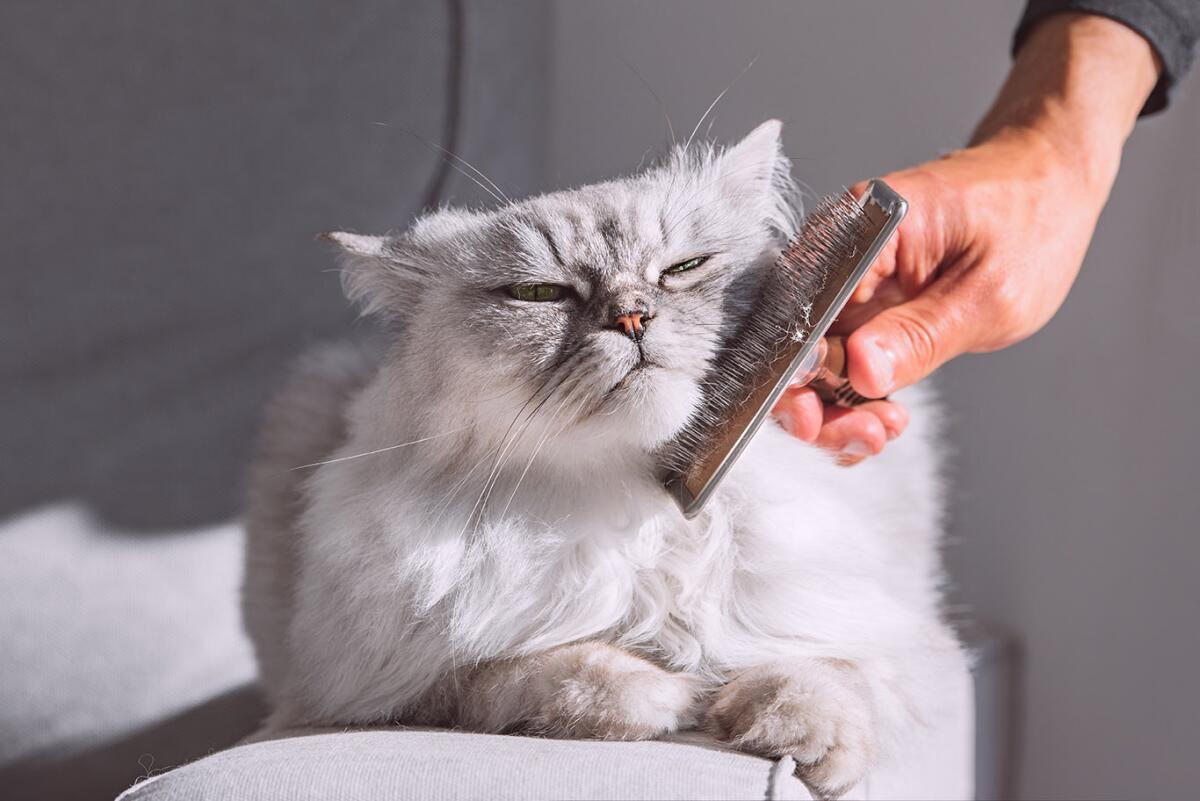
Grooming should be a soothing experience for your cat. Always approach your cat calmly and gently. Begin by brushing in the direction of the fur to avoid pulling or discomfort. Check your tools to ensure they’re not causing irritation. A brush with soft bristles can make a big difference. Keep sessions short initially, gradually increasing the duration as your cat becomes more comfortable.Using Positive Reinforcement
Positive reinforcement can transform grooming into a pleasant activity. Reward your cat with treats or affection when they remain calm during grooming. This builds a positive association with the process. Consistency is key. Over time, your cat will look forward to grooming sessions because they anticipate rewards. Have you ever noticed how your cat responds to a treat bag? Use that enthusiasm to your advantage.Tools To Minimize Biting
Invest in grooming tools designed to minimize stress. Some brushes and combs are specifically made to be gentle on sensitive skin. Consider using a grooming glove, which can feel more like petting than brushing. Tools with ergonomic designs can also make the process easier on you, reducing the chance of accidents that might provoke a bite. Evaluate your current tools and consider upgrades that could improve the experience for both you and your cat. By understanding and addressing the reasons behind your cat’s biting, you can create a more harmonious grooming routine. Remember, patience and a gentle approach are your best allies.When To Seek Veterinary Advice
Knowing when to seek veterinary advice about your cat’s biting during grooming can save both you and your pet from unnecessary stress. While some cats nip occasionally, persistent or aggressive biting might signal underlying problems. Paying attention to these signs helps you act before the situation worsens.
Health Issues Behind Biting
Has your cat suddenly started biting during grooming sessions? This change might be a sign of pain or discomfort. Cats often hide illnesses, so biting can be their way of saying something is wrong.
Look out for:
- Swelling or redness on the skin
- Hair loss or bald patches
- Changes in eating, sleeping, or litter box habits
If your cat shows any of these symptoms alongside biting, it’s time to consult your vet. Conditions like skin infections, allergies, or dental pain often cause irritability. Your vet can examine your cat and suggest treatments that ease discomfort and reduce biting.
Behavioral Consultations
Sometimes, biting during grooming isn’t about health but behavior. Cats may bite due to fear, anxiety, or overstimulation. Understanding your cat’s body language can help you identify when they’re reaching their limit.
If biting escalates or becomes a frequent problem, consider a behavioral consultation. A professional can assess your cat’s triggers and guide you on positive training techniques. You might learn how to make grooming a calm, enjoyable experience for your cat.
Have you noticed patterns in your cat’s biting? Maybe it happens only during certain times or after specific actions. Sharing these details with a vet or behaviorist can provide clues to the root cause and lead to effective solutions.
Frequently Asked Questions
Why Do Some Cats Bite During Grooming?
Cats may bite during grooming to communicate discomfort or overstimulation. Grooming can be sensitive, and biting serves as a warning to stop or slow down.
Is Biting A Sign Of Aggression In Grooming Cats?
Not always. Biting during grooming often signals irritation or playfulness, not aggression. It’s the cat’s way to set boundaries.
How Can I Reduce Biting While Grooming My Cat?
Use gentle strokes, watch for signs of stress, and stop before biting begins. Regular, calm grooming helps build trust and reduces biting.
Are Certain Cats More Likely To Bite During Grooming?
Yes, cats with sensitive skin or those new to grooming may bite more. Personality and past experiences also influence biting behavior.
Conclusion
Some cats may bite lightly during grooming. This behavior often shows they feel stressed or playful. Paying attention to your cat’s signals helps avoid bites. Gentle brushing and short sessions can improve their comfort. Patience and care make grooming a better time for both.
Every cat is different, so adjust your approach. Understanding your cat’s mood keeps grooming safe and calm. Keep trying, and your cat will likely grow to enjoy it.

Leave a Reply