If you have a Persian cat, you know how beautiful and fluffy they are. But keeping that silky coat looking its best takes some effort.
You might be wondering, how often should you groom your Persian cat to keep them healthy and happy? Grooming isn’t just about looks—it helps prevent mats, skin problems, and keeps your cat comfortable. You’ll discover the perfect grooming schedule for your Persian, plus easy tips to make the process smooth and stress-free for both of you.
Keep reading to learn how to make grooming a simple part of your routine and give your Persian the care they deserve.
Grooming Frequency For Persian Cats
Persian cats need regular grooming to keep their long fur healthy and clean. Their thick coats can easily get tangled and matted without proper care. Setting a grooming schedule helps prevent discomfort and skin problems. Knowing how often to groom a Persian cat is key for their well-being.
Daily Brushing Benefits
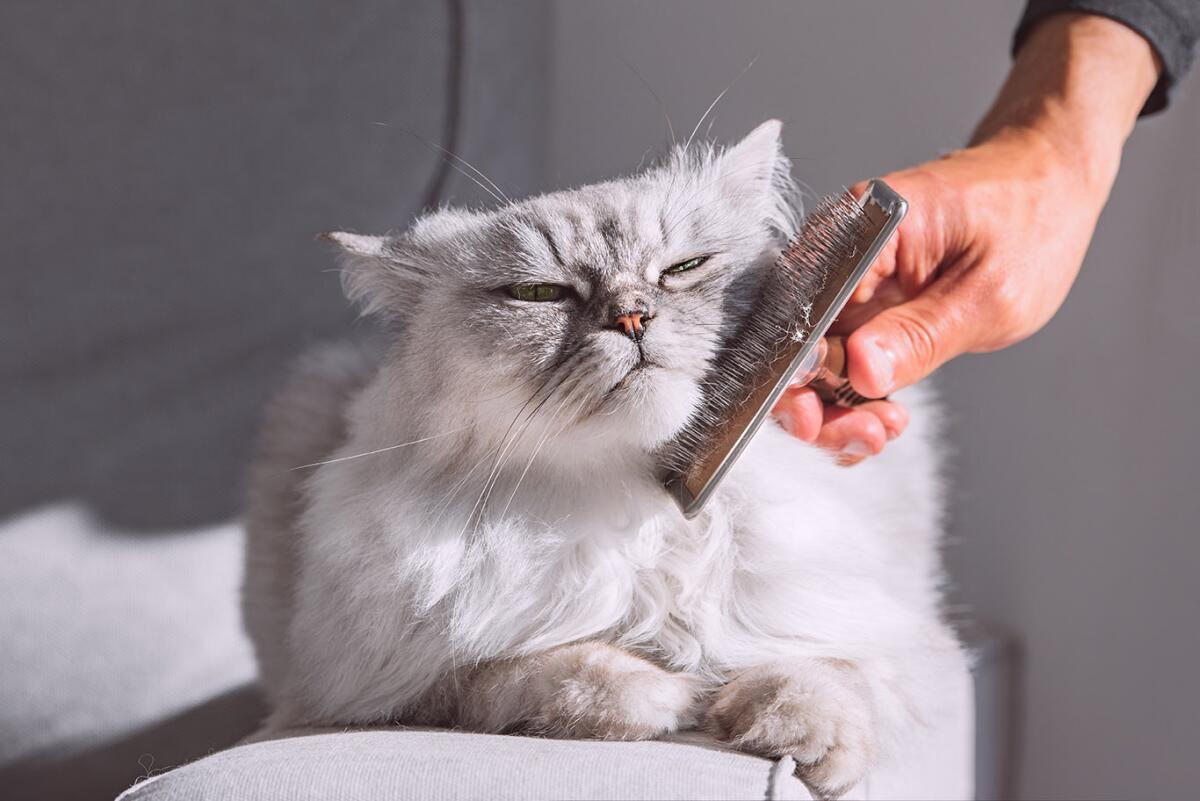
Brushing Persian cats every day removes loose hair and dirt. It stops mats from forming and spreads natural oils for shiny fur. Daily brushing reduces hairballs and helps your cat feel relaxed. Use a wide-tooth comb and a soft brush for best results.
Weekly Bathing Schedule
Bathing a Persian cat once a week keeps its coat clean and fresh. Use cat-friendly shampoo and warm water to avoid irritation. Weekly baths help remove excess oils and dirt that brushing cannot catch. Make sure to dry your cat gently after each bath.
Seasonal Grooming Adjustments
Persian cats need more grooming in spring and fall. Their fur thickens during colder months and sheds in warmer seasons. Increase brushing during these times to manage shedding and prevent mats. Adjust bathing frequency based on your cat’s activity and coat condition.
Tools For Persian Cat Grooming
Grooming a Persian cat is more than a routine; it’s a chance to bond and keep your feline friend comfortable. Using the right tools makes the process smoother and more effective. The right equipment not only helps manage their thick fur but also prevents skin problems and matting.
Choosing The Right Brushes
Your brush choice can change your grooming experience dramatically. A wide-tooth comb helps detangle knots gently without pulling on your cat’s delicate skin. Follow that with a fine-tooth comb to smooth out the fur and catch loose hairs.
Have you noticed how your Persian’s fur feels after brushing? Using a slicker brush with soft bristles can remove dirt and loose fur while stimulating the skin. Avoid harsh brushes that can irritate or scratch.
Essential Grooming Accessories
Besides brushes, keep grooming accessories within easy reach. A grooming glove can be a gentle way to remove loose hair, especially if your cat resists traditional brushes. It’s also a good tool for quick touch-ups between full grooming sessions.
Don’t forget a soft towel to clean up any stray fur or to help calm your cat during grooming. Nail clippers designed for cats are essential to prevent overgrown claws, which can snag fur or cause discomfort.
Safe Clippers And Scissors
Sometimes, mats or excess fur need trimming. Use clippers with a quiet motor to avoid startling your Persian. Safety guards on clippers prevent accidental cuts, which is crucial for sensitive skin.
When trimming around delicate areas like the face or paws, small, rounded-tip scissors work best. Have you ever tried trimming your cat’s fur without the right tools? It can be stressful for both of you, so investing in safe, precise clippers and scissors is worth it.
Techniques To Prevent Mats And Tangles
Persian cats have luxurious coats that require consistent care to prevent mats and tangles. These knots can cause discomfort and skin problems if ignored. Using the right techniques makes grooming easier and keeps your cat happy and healthy.
Detangling Tips
Start by gently separating small sections of fur with your fingers before using a comb. Use a wide-toothed comb first to loosen knots without pulling harshly. If you find a stubborn mat, apply a detangling spray designed for cats to soften the hair.
Work slowly and patiently; rushing can hurt your cat and create resistance. Keeping treats nearby often helps your cat stay calm during the process. Have you noticed how calm your cat becomes when you talk softly while grooming?
Handling Sensitive Areas
The areas behind the ears, under the legs, and around the neck are prone to mats but also very sensitive. Use a soft brush and light strokes to avoid causing pain. If your cat flinches, pause and try a different approach or distract with a toy.
Never force grooming in these spots. Instead, gradually build trust by grooming for short sessions. This helps your cat feel safe and makes future grooming smoother and less stressful.
Avoiding Common Grooming Mistakes
One frequent mistake is skipping grooming sessions, which allows mats to form and worsen. Avoid using sharp tools or scissors to cut out mats—this can injure your cat. Instead, gently tease out mats or seek professional help if they are too tight.
Don’t ignore your cat’s mood; forcing grooming can create fear and resistance. Have you tried adjusting your routine based on your cat’s behavior? Your attention to these details can make a big difference in maintaining a tangle-free coat.
Health Benefits Of Regular Grooming
Regular grooming offers many health benefits for Persian cats. It keeps their skin and coat in top shape. Grooming also controls shedding and helps spot health problems early. These benefits improve your cat’s comfort and well-being.
Skin And Coat Health
Brushing removes dirt and dead hair from the coat. It spreads natural oils that keep fur soft and shiny. Grooming stops mats and tangles, which can hurt the skin. Clean skin lowers the chance of infections and irritations.
Reducing Shedding
Persian cats shed a lot. Regular brushing catches loose hair before it falls around your home. This helps keep your house cleaner. It also reduces hairballs your cat might swallow. Less shedding means less stress for both you and your cat.
Detecting Early Health Issues
Grooming lets you check your cat’s body closely. You can notice lumps, bumps, or skin changes early. Early detection means quicker treatment. This can prevent serious health problems. Grooming helps you stay aware of your cat’s health every day.
Professional Grooming Vs. Home Care
Grooming Persian cats can be done at home or by professionals. Each option has its benefits. Professional grooming offers expertise and thoroughness. Home care provides convenience and cost savings. Understanding these choices helps in deciding the best routine for your feline friend.
When To Visit A Groomer
Persian cats need professional grooming every 4-6 weeks. This helps maintain their long coats. Groomers can prevent matting and tangles. They also check for skin issues. Regular visits ensure your cat stays clean and healthy.
Cost And Convenience Factors
Professional grooming costs vary by location and services. It can be expensive but saves time and effort. Home grooming is cheaper, requiring only basic tools. Choose based on your budget and availability. Weigh the convenience against the cost.
Preparing Your Cat For Grooming Appointments
Before a grooming visit, help your cat feel calm. Use a carrier to transport them safely. Familiarize them with grooming tools to reduce anxiety. A relaxed cat enjoys the grooming process more. This makes appointments smoother for both cat and groomer.
Dealing With Grooming Challenges
Grooming Persian cats can sometimes test your patience. Their thick, luxurious coats often tangle quickly, and their sensitive nature might make grooming sessions tricky. Knowing how to handle these challenges helps keep your cat calm and the grooming process smooth.
Managing Grooming Stress
Stress during grooming is common, but you can reduce it by creating a calm environment. Speak softly to your cat and use gentle, slow movements. Try short grooming sessions at first, gradually increasing the time as your cat gets used to it.
Have you noticed your Persian’s favorite spot to relax? Use that area for grooming to make the experience more familiar. Offering treats or a favorite toy right after grooming can help build positive associations.
Techniques For Stubborn Cats
Some Persian cats resist grooming more than others. If your cat is stubborn, try breaking the session into small parts instead of doing it all at once. This approach prevents overwhelming your cat and keeps the mood light.
Using a soft brush instead of a comb can also help at the start, as it feels less intrusive. You might find that grooming after a nap or meal works better since your cat is more relaxed then.
Using Grooming Aids And Products
Choosing the right tools can make a big difference. Look for brushes designed specifically for long-haired cats, as they can detangle without pulling painfully. Detangling sprays formulated for cats help ease mats and reduce brushing discomfort.
Consider grooming gloves if your cat prefers being petted over brushed. These gloves mimic the feeling of petting and can remove loose hair gently. Have you tried combining grooming aids to see what your cat prefers?
Frequently Asked Questions
How Often Should I Groom My Persian Cat?
Persian cats need daily grooming to prevent matting and tangles. Their long fur requires regular brushing. Daily care keeps their coat healthy and shiny. It also reduces shedding and hairballs, ensuring your cat stays comfortable and clean.
What Tools Are Best For Grooming Persian Cats?
Use a wide-toothed comb and a slicker brush for grooming. These tools gently remove tangles and loose fur. A metal comb helps reach the undercoat. Regular tool cleaning maintains grooming effectiveness and your cat’s comfort.
Can Grooming Prevent Health Issues In Persian Cats?
Yes, grooming prevents matting, skin infections, and eye discharge buildup. Regular checks during grooming help spot health problems early. It also reduces hairballs and promotes better hygiene. Grooming supports your Persian cat’s overall well-being.
How Long Does A Persian Cat Grooming Session Take?
Grooming usually takes 15 to 30 minutes daily for Persian cats. Time depends on your cat’s coat condition and behavior. Regular sessions make grooming easier and quicker. Consistency is key to maintaining a healthy coat.
Conclusion
Grooming Persian cats often keeps their coats healthy and clean. Regular brushing stops mats and tangles from forming. It also helps reduce shedding and hairballs. A calm routine makes grooming easier for both you and your cat. Watch your cat’s coat and skin for any changes.
Adjust grooming frequency based on their needs and season. Clean eyes and ears during grooming time too. Keep your Persian cat comfortable and happy with care. Simple steps lead to a beautiful, soft, and healthy pet.

Leave a Reply