Grooming your Ragdoll cat might seem tricky at first, but it’s easier than you think. You want your furry friend to look great and feel comfortable, right?
By learning the right grooming steps, you can keep your Ragdoll’s coat soft, shiny, and free from mats. Plus, regular grooming helps you spot health issues early, saving you stress and vet visits. Ready to discover simple tips that make grooming a breeze for both you and your cat?
Keep reading, and you’ll become a pro in no time.
Ragdoll Coat Characteristics
Your Ragdoll cat’s coat is one of its most charming features, but understanding its unique characteristics can make grooming much easier. Knowing what to expect from their fur texture and shedding habits helps you care for them without stress. Let’s look at what makes a Ragdoll’s coat special and how it affects your grooming routine.
Fur Texture And Length
Ragdolls have semi-long fur that feels silky and soft to the touch. Unlike some long-haired breeds, their coat is less prone to matting because it lacks an undercoat.
This means your cat’s fur is fluffy but not overly dense, which reduces the risk of tangles. You might notice the silky texture changes slightly with the seasons, becoming thicker in cooler months.
Have you ever brushed your Ragdoll and found very few knots? That’s thanks to their unique fur texture. Regular brushing keeps their coat smooth without much effort.
Shedding Patterns
Ragdolls do shed, but their shedding is moderate compared to other long-haired cats. You’ll see more loose fur during seasonal changes, particularly in spring and fall.
Shedding can surprise you when it happens, leaving fur on your furniture and clothes. But consistent grooming helps catch loose hairs before they spread around your home.
Try setting a routine to brush your Ragdoll a few times a week, increasing frequency during heavy shedding periods. This simple habit can reduce how much fur ends up on your sofa and clothes.
Daily Grooming Routine
Daily grooming keeps your Ragdoll cat healthy and comfortable. It helps remove loose hair and prevents mats. Regular care also strengthens your bond with your pet. Spend a few minutes each day to check their coat and skin condition. This routine makes grooming easier and more enjoyable for both of you.
Brushing Techniques
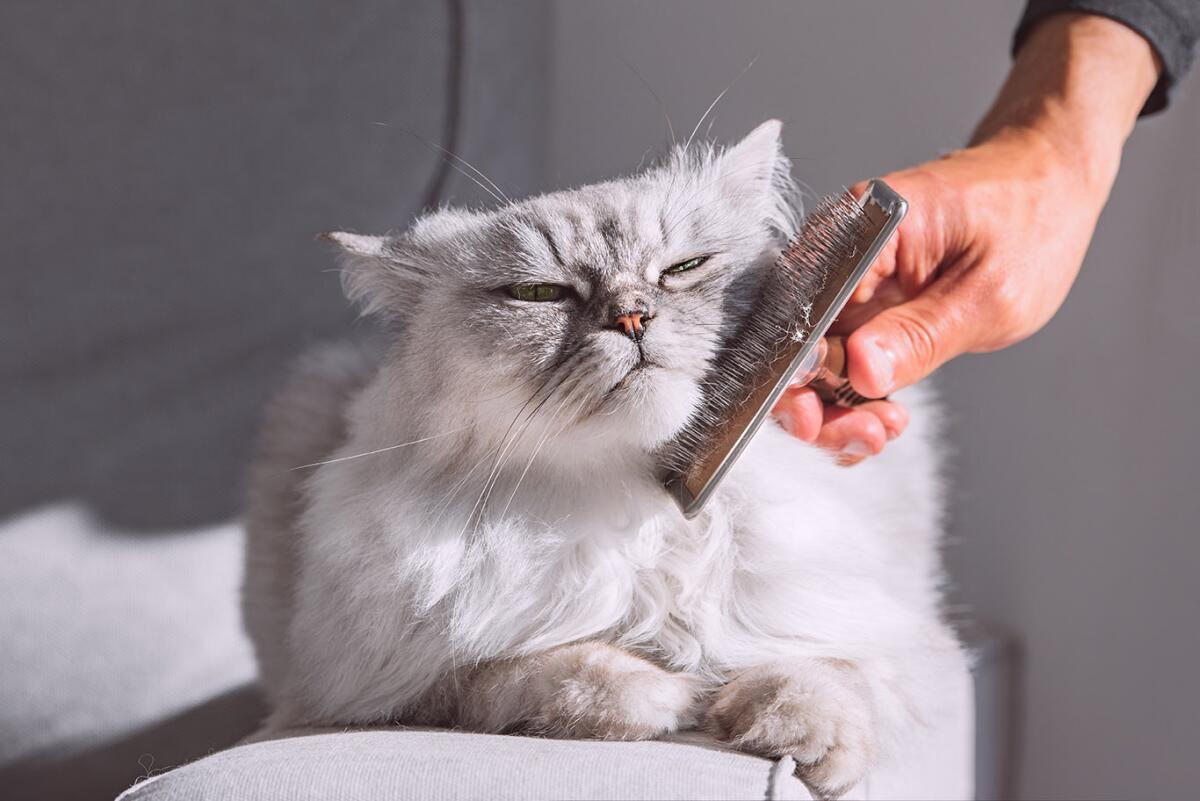
Start by gently brushing your cat’s fur in the direction it grows. Use slow, soft strokes to avoid hurting their skin. Focus on areas that mat easily, like behind the ears and under the legs. Pay close attention to the tail and belly too. Take breaks if your cat seems restless. Always be calm and patient to keep your cat relaxed.
Tools To Use
- Wide-toothed comb to detangle thick fur
- Slicker brush to remove loose hair and dirt
- Soft bristle brush for smoothing the coat
- Grooming gloves for gentle massaging and hair removal
Choose tools designed for long-haired cats. Clean brushes regularly to avoid spreading dirt. Keep grooming tools within reach to make the routine smooth. Use the right tool for each grooming step to protect your cat’s coat.
Bathing Your Ragdoll
Bathing your Ragdoll cat is a part of their grooming routine. It keeps their coat clean and healthy. Ragdolls do not need frequent baths because they groom themselves well. Too many baths can dry out their skin and fur. Proper bathing helps remove dirt, oils, and allergens.
When To Bathe
Bathe your Ragdoll only when necessary. Watch for signs like dirt or grease on their fur. If they get into something sticky or smelly, a bath is a good idea. Some Ragdolls may need a bath before special events or vet visits. Never bathe your cat too often. Once every few months is usually enough.
Safe Bathing Steps
- Use lukewarm water, not hot or cold.
- Choose a cat-friendly shampoo made for sensitive skin.
- Brush your cat before the bath to remove loose hair.
- Gently wet your Ragdoll starting from the neck down.
- Apply shampoo and massage softly into the fur.
- Rinse thoroughly to remove all shampoo residue.
- Dry your cat with a soft towel, avoiding hair dryers.
- Keep the room warm to prevent chills.
Stay calm and speak softly to keep your cat relaxed. Bathing can be a bonding moment with patience and care.
Nail Care Tips
Taking care of your Ragdoll cat’s nails is a key part of grooming. Proper nail care keeps your cat comfortable and safe from injury. It also protects your furniture and skin from scratches. Understanding the right way to trim nails helps your cat stay calm during grooming sessions.
Trimming Frequency
Check your Ragdoll’s nails every two weeks. Trim nails as soon as you hear a clicking sound on hard floors. Some cats need trimming more often if they stay indoors. Outdoor cats may naturally wear down their nails.
Regular checks prevent nails from growing too long. Overgrown nails can cause pain and infection. Trim nails before they curl into the paw pads.
Safe Nail Clipping
Use a sharp, small pet nail clipper for best results. Hold your cat gently but firmly. Avoid cutting into the quick—the pink area inside the nail with blood vessels. Cutting the quick causes pain and bleeding.
Clip only the clear tip of the nail. Use a bright light to see the quick clearly. If your cat resists, try trimming just one or two nails at a time. Reward your cat with treats and gentle praise.
Eye And Ear Cleaning
Cleaning your Ragdoll cat’s eyes and ears gently prevents infections and keeps them healthy. Use a soft cloth for eyes and a cotton ball for ears, avoiding deep cleaning. Regular checks help spot any issues early.
Grooming your Ragdoll cat involves more than just brushing their luxurious coat. Eye and ear cleaning is an essential part of their grooming routine to ensure they stay healthy and comfortable. These areas are sensitive and require gentle care, but with the right approach, you can keep them in top shape.Removing Debris
Ragdolls are known for their striking blue eyes, but those beautiful peepers can sometimes collect debris. Use a soft, damp cloth to gently wipe away any discharge or crust from the corners of their eyes. Always use a separate section of the cloth for each eye to avoid transferring bacteria. Debris can also gather in their ears, leading to discomfort or infection. To clean your Ragdoll’s ears, use a cotton ball slightly moistened with a vet-approved ear cleaning solution. Gently wipe the visible part of the ear without inserting anything into the ear canal.Preventing Infections
Regular cleaning is key to preventing infections in your cat’s eyes and ears. Make it a habit to check these areas at least once a week. Early detection of redness or unusual discharge can prevent potential health issues. Consider your Ragdoll’s environment. Dusty or smoky areas can irritate their eyes and ears, leading to unnecessary discomfort. Keeping your home clean and free of irritants can significantly reduce the risk of infections. Are you noticing any unusual behavior, like excessive scratching or head shaking? These could be signs of an underlying issue. Consulting with your vet can provide peace of mind and keep your Ragdoll in perfect health.Managing Hairballs
Managing hairballs is an important part of grooming a Ragdoll cat. These beautiful cats have long, thick fur that can easily lead to hairball problems. Hairballs happen when your cat swallows loose hair during grooming. This hair collects in their stomach and can cause discomfort or digestive issues.
Regular grooming and proper care help reduce hairballs. Understanding the causes and ways to prevent hairballs supports your cat’s health and happiness.
Causes And Prevention
Hairballs form as cats lick their fur to clean themselves. Loose hair swallows and builds up in the stomach. Ragdoll cats have thick coats, so they shed a lot. This makes hairball formation common.
- Frequent shedding increases hair ingestion.
- Inadequate grooming leaves loose hair on the coat.
- Dry skin can cause more shedding.
- Stress and poor health may worsen hairballs.
Brush your Ragdoll daily to remove loose fur. This stops hair from being swallowed. Use a wide-tooth comb or a slicker brush. Bathing your cat occasionally helps reduce shedding. Keep your home clean to lower loose hair buildup on floors and furniture.
Dietary Support
A good diet supports healthy skin and fur. Some foods help reduce hairball problems. Look for cat foods with added fiber. Fiber helps hair pass through the digestive system easier.
Special hairball control formulas are available. These include ingredients like:
- Omega-3 and Omega-6 fatty acids
- Natural fibers
- Vitamins and minerals for skin health
Provide fresh water daily to keep your cat hydrated. Hydration helps digestion and reduces hairball risks. Treats and supplements that support digestion can also help. Always check with your vet before adding supplements.
Signs Of Grooming Issues
Recognizing signs of grooming issues in your Ragdoll cat early can save you a lot of trouble. These cats have long, luxurious fur that requires regular care. Ignoring signs of grooming problems might lead to discomfort or health issues for your furry friend.
Skin Problems
Watch for redness, irritation, or flaky patches on your cat’s skin. These can indicate allergies, infections, or that your cat’s fur is matting beneath the surface. You might also notice bald spots or excessive dandruff, signaling that grooming is being neglected.
One time, I missed a small mat behind my Ragdoll’s ear, which led to a sore spot. It was a clear warning that I needed to check those hidden areas more carefully. Are you checking your cat’s skin regularly, even in spots that are hard to see?
Behavioral Changes
If your Ragdoll starts scratching more than usual or seems restless, these could be signs of grooming discomfort. Sometimes, they may avoid being touched or brushed, signaling pain or irritation. Changes in grooming habits, like over-grooming or lack of grooming, also suggest something is wrong.
My cat once stopped jumping onto my lap during grooming sessions. That sudden change made me realize she was in pain. How does your cat react when you try to groom them? Pay attention to their body language—it tells you a lot.
Professional Grooming Services
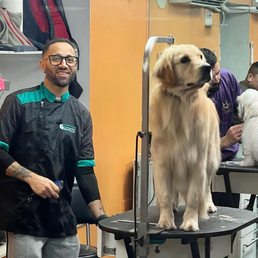
Professional grooming services provide an excellent solution for maintaining your Ragdoll cat’s coat. These services ensure your cat stays healthy and comfortable. Groomers use specialized tools and techniques. They handle grooming tasks efficiently and safely. This can be especially helpful for busy pet owners.
When To Seek Help
Consider professional grooming if your Ragdoll’s fur gets tangled. Mats can cause skin problems. Regular grooming might be tough for some owners. If your cat resists grooming, experts can handle it safely. Professional help is also useful for older cats. They may have difficulty maintaining their coat themselves.
Choosing A Groomer
Selecting the right groomer is crucial. Look for groomers with experience in handling Ragdolls. Check reviews or ask for recommendations. Visit the grooming facility before making a decision. Ensure it is clean and well-organized. Inquire about the products they use. Ensure they are safe for your cat’s skin.
Frequently Asked Questions
How Often Should I Groom My Ragdoll Cat?
Groom your Ragdoll cat at least 2-3 times weekly. Regular brushing prevents matting and reduces shedding. It also keeps their coat healthy and shiny.
What Grooming Tools Work Best For Ragdolls?
Use a stainless steel comb and a soft-bristle brush. These tools gently remove loose hair and prevent tangles without hurting your cat’s skin.
How Do I Prevent Matting In Ragdoll Cats?
Brush your Ragdoll regularly, focusing on areas prone to tangles. Check behind ears, under legs, and around the neck to avoid mats forming.
Can I Bathe My Ragdoll Cat Safely?
Yes, bathe your Ragdoll only when necessary using cat-specific shampoo. Avoid over-bathing to prevent dry skin and always rinse thoroughly.
Conclusion
Grooming your Ragdoll cat keeps their coat soft and healthy. Brush them gently every few days to avoid mats. Clean their eyes and ears to prevent infections. Trim nails carefully to keep paws safe and comfy. Spend this time bonding and building trust.
A well-groomed Ragdoll looks beautiful and feels happy. Simple care routines make a big difference every day. Enjoy the calm moments with your furry friend.

Leave a Reply