Grooming your cat can sometimes feel like a battle. You want to keep your furry friend clean and healthy, but they often resist every brush and trim.
If you’ve ever struggled to keep your cat calm during grooming, you’re not alone. The good news is, with the right approach, you can make grooming a peaceful, even enjoyable experience for both of you. You’ll discover simple, effective tips to help your cat stay relaxed and cooperative every time you groom.
Keep reading to transform those stressful sessions into moments of calm connection.
Create A Calm Environment
Creating a calm environment helps your cat feel safe and relaxed during grooming. Cats notice loud noises and sudden movements easily. A peaceful setting reduces stress and makes grooming easier for both of you.
Choose A Quiet Space
Pick a room with little noise and few distractions. Avoid busy areas with lots of people or pets. A calm, quiet place helps your cat focus and stay calm. Close doors and windows to block outside sounds.
Use Soothing Sounds
Soft, gentle sounds can comfort your cat. Play calm music or nature sounds at a low volume. Avoid loud or sudden noises that might scare your cat. The right sounds can create a peaceful atmosphere.
Set A Comfortable Temperature
Keep the room warm but not hot. Cats feel more relaxed in a cozy space. Avoid cold drafts or very warm spots. A comfortable temperature makes grooming more pleasant and less stressful.
Prepare Your Cat For Grooming
Preparing your cat for grooming is a key step to ensure a calm and stress-free experience. Cats are sensitive creatures, and rushing into grooming without preparation can cause anxiety and resistance. Taking time to get your cat comfortable with the process will make grooming easier for both of you.
Introduce Grooming Tools Gradually
Start by letting your cat see and sniff the grooming tools without using them right away. Place brushes or combs near their favorite resting spots to build familiarity. This simple exposure helps reduce fear and curiosity replaces anxiety.
Try touching your cat gently with a soft brush during calm moments, like when they’re relaxed on your lap. Notice how your cat reacts and adjust your approach accordingly. Have you ever noticed how a slight change in how you present an object can shift your cat’s mood completely?
Establish A Routine
Cats thrive on predictability. Set a specific time and place for grooming sessions to create a sense of routine. Even short, consistent sessions can help your cat understand what to expect.
Choose a quiet, comfortable spot with good lighting to reduce distractions. Over time, your cat will associate this routine with calmness rather than stress. What small changes in your daily schedule could make grooming a natural part of your cat’s day?
Use Positive Reinforcement
Reward your cat with treats, gentle petting, or soothing words during and after grooming. This positive feedback helps your cat link grooming to pleasant experiences. Avoid rushing; patience and kindness go a long way.
If your cat shows signs of stress, pause and offer a favorite treat or toy to ease tension. This approach builds trust and encourages your cat to cooperate willingly. Have you noticed how a simple reward can change your cat’s attitude toward grooming?
Gentle Grooming Techniques
Keeping your cat calm during grooming is all about gentle techniques that respect their comfort and mood. The right approach can turn grooming from a stressful event into a bonding moment. Here’s how you can use softness and patience to help your cat feel safe and relaxed.
Start With Short Sessions
Begin grooming with just a few minutes at a time. Short sessions prevent your cat from feeling overwhelmed or trapped. You might be surprised how quickly your cat adapts when you keep the grooming brief and positive.
Try stopping before your cat shows signs of stress. Wouldn’t you prefer a few calm minutes over a long, tense session? Gradually increase the time as your cat becomes more comfortable.
Use Slow, Smooth Strokes
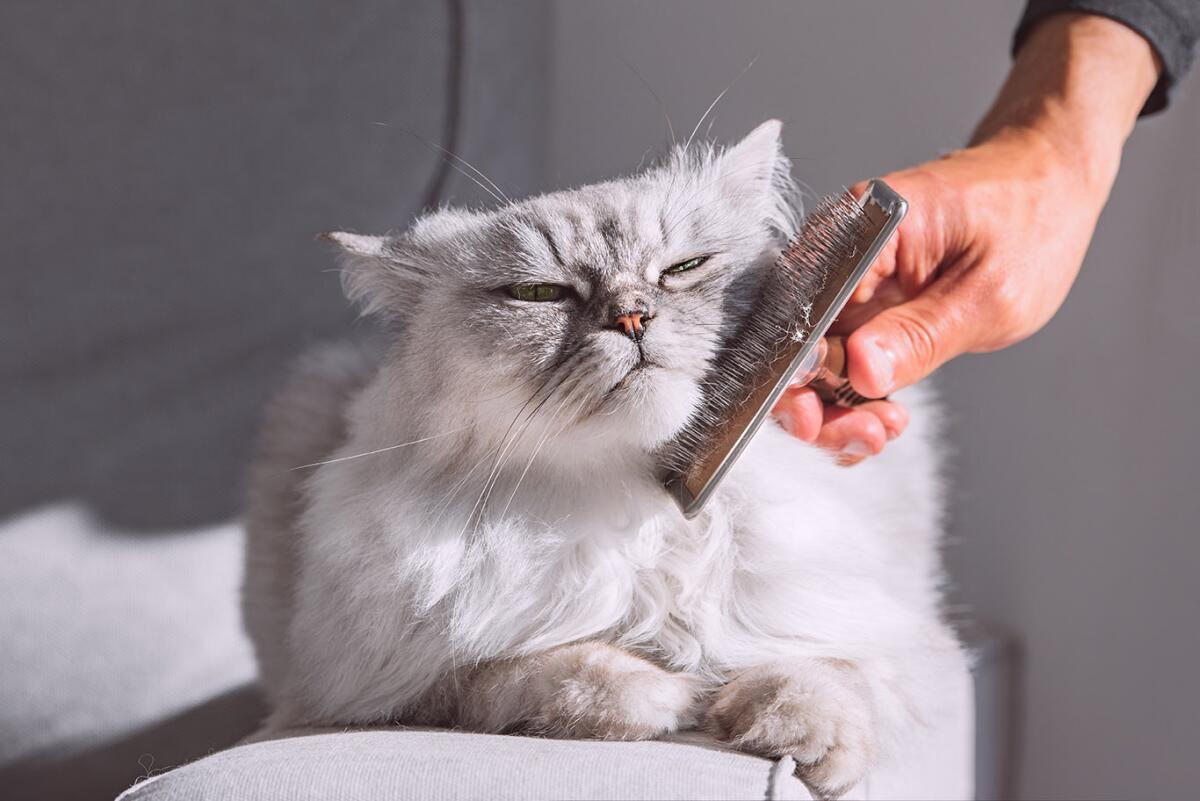
Move your brush or comb in slow, smooth strokes that follow the direction of your cat’s fur. Rapid or harsh movements can startle them and create resistance. Imagine how it feels when someone rushes their touch—would you enjoy that?
Slow strokes give your cat time to adjust and enjoy the sensation. Keep your hand steady and gentle, like a soft caress rather than a scrub. This simple change can make a big difference in your cat’s reaction.
Handle Sensitive Areas Carefully
Areas like the belly, paws, and face are often sensitive spots for cats. Approach these zones with extra care and gentleness. If your cat pulls away or seems uncomfortable, pause and try again later.
Use your fingers to gently massage these spots before introducing a brush. This helps build trust and reduces anxiety. Have you noticed how your cat reacts differently when you touch these areas slowly and softly?
Recognize Stress Signals
Recognizing stress signals in your cat during grooming is key to a calm experience. Cats cannot tell you when they feel uneasy. Watching their signals helps you act before stress grows. It makes grooming safer and more pleasant for both of you.
Watch For Body Language
Body language shows how your cat feels. Look for signs like:
- Flattened ears
- Dilated pupils
- Twitching tail
- Hiding or trying to run
- Growling or hissing
These signs mean your cat is stressed. Stop and give your cat space to calm down.
Know When To Pause
Pausing helps reduce stress quickly. If your cat tenses or struggles, stop grooming. Let your cat relax before trying again. Short breaks keep your cat from feeling trapped or scared.
Avoid Forcing The Process
Never force grooming on a scared cat. Forcing causes fear and mistrust. Try gentle strokes and soft words instead. Respect your cat’s limits. Gradual grooming builds trust and calmness over time.
Use Calming Aids
Calming aids like sprays or diffusers help soothe a cat’s nerves during grooming. These products release gentle scents that create a peaceful environment. Using calming aids can make grooming less stressful for both you and your cat.
Grooming your cat can sometimes be a challenging task, especially if your feline friend is feeling anxious or restless. Calming aids can make a significant difference in creating a stress-free environment during grooming sessions. These aids can soothe your cat and make the experience more enjoyable for both of you.Try Pheromone Sprays
Pheromone sprays mimic the natural calming scents that cats produce. Spraying the grooming area or your hands with a pheromone spray can help reduce your cat’s stress. Many cat owners have noted that their cats seem more relaxed and cooperative after using these sprays.Offer Treats And Toys
Distracting your cat with treats or toys can be incredibly effective. Providing your cat with their favorite treat or a new toy can make grooming time feel like playtime. Keep treats handy and reward your cat for staying calm, reinforcing positive behavior.Consider Natural Supplements
Natural supplements, such as those containing L-theanine or chamomile, can help calm your cat. These supplements are available in various forms, including chews and liquids, and are generally safe for most cats. However, always consult with your vet before introducing new supplements to your cat’s diet. Have you ever tried these calming aids? They could be the key to turning grooming time into a bonding experience rather than a dreaded chore.Involve A Professional When Needed
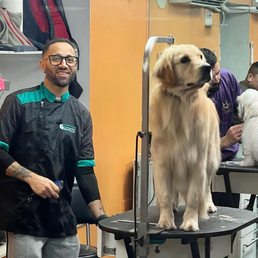
Sometimes grooming your cat can be stressful for both of you. Involving a professional can help keep your cat calm and safe. Experts have the right skills and tools to handle nervous or difficult cats. They can also spot any health issues during grooming. Knowing when to call a pro is important for your cat’s well-being.
Know When To Seek Help
Some cats get very scared or aggressive during grooming. If your cat struggles or hides every time, it may be time to seek help. Cats with thick or matted fur often need expert care. Health problems like skin conditions also require professional attention. Don’t wait until grooming causes stress or injury.
Choose The Right Groomer
Look for groomers who specialize in cats. They understand feline behavior and use gentle methods. Ask about their experience and how they calm nervous cats. Check reviews and get recommendations from other cat owners. A good groomer makes grooming easier and less scary for your cat.
Prepare Your Cat For Visits
Help your cat get used to the groomer by practicing at home. Handle paws, ears, and fur gently to build trust. Visit the groomer’s place for a short time before the appointment. Bring your cat’s favorite toy or blanket to comfort them. Preparation reduces fear and makes the visit smoother.
Frequently Asked Questions
How Can I Make Grooming Less Stressful For My Cat?
Start by creating a calm environment with soft voices and gentle strokes. Use treats and praise to build positive associations during grooming sessions. Keep sessions short and gradually increase duration to help your cat adjust comfortably.
What Grooming Tools Keep Cats Calm And Comfortable?
Use soft-bristle brushes and grooming gloves for a gentle touch. Avoid noisy or harsh tools that might scare your cat. Choose tools suitable for your cat’s fur type to prevent discomfort and make grooming smoother.
How Often Should I Groom My Cat To Reduce Anxiety?
Groom your cat regularly, ideally once or twice a week. Frequent grooming prevents mats and reduces stress from long sessions. Consistency helps your cat become familiar with the routine, making it calmer during grooming.
Why Does My Cat Get Anxious During Grooming?
Cats may fear unfamiliar sensations, noises, or handling during grooming. Past negative experiences or sensitive skin can increase anxiety. Understanding your cat’s triggers helps you approach grooming more gently and patiently.
Conclusion
Keeping your cat calm during grooming takes patience and care. Speak softly and move slowly. Give treats to create a positive experience. Use gentle brushes that suit your cat’s fur. Short grooming sessions work better than long ones. Watch your cat’s body language for signs of stress.
Stay calm yourself; cats sense your mood. With practice, grooming can become a peaceful routine. Your cat will stay healthy and happy with regular care. Small steps make a big difference in their comfort.

Leave a Reply