Grooming your cat can be a challenge, especially when your furry friend is not a fan of brushes or baths. You want your cat to look and feel great, but the struggle to keep them calm and cooperative can leave you feeling frustrated.
What if there was a way to make grooming easier for both of you? You’ll discover simple, effective tips that can help you groom even the most reluctant cat without stress or struggle. Keep reading, and turn grooming time into a moment you both can enjoy.
Recognize Cat’s Grooming Signals
Recognizing your cat’s grooming signals helps make grooming easier and less stressful. Cats show clear signs when they feel uncomfortable or ready to be groomed. Understanding these signals lets you act gently and respect their limits. This builds trust and makes grooming a calm experience.
Body Language Cues
Watch your cat’s body for signs of comfort or discomfort. A relaxed cat has loose muscles and a calm posture. Tense muscles, flattened ears, or a twitching tail show unease. Slow blinking or purring means your cat feels safe. Wide eyes or staring indicate alertness or fear.
- Relaxed body and soft eyes show readiness
- Stiff body or hiding means stress
- Tail flicking or swishing signals irritation
- Flattened ears warn of possible aggression
Behavioral Signs Of Stress
Stress signs help you know when to pause or stop grooming. Cats may try to escape or hide. Sudden scratching or biting is a clear warning. Excessive meowing or growling shows discomfort. Some cats freeze or become very still, trying to avoid confrontation.
- Attempting to run away or hide
- Sudden scratching or biting
- Vocalizing loudly or growling
- Freezing or stiffening in place
Recognizing these signals helps keep grooming safe and calm for your cat. Respect their feelings and adjust your approach accordingly.
Prepare The Grooming Area
Preparing the grooming area sets the stage for a calm and smooth experience. A well-organized space helps reduce your cat’s stress and keeps everything within reach. Taking time to prepare shows your cat you care and makes grooming easier for both of you.
Choose A Quiet Space
Pick a spot away from loud noises and distractions. A quiet room helps your cat feel safe. Close windows to block outside sounds. Turn off TVs and radios. Soft lighting creates a peaceful atmosphere. Make sure the area is warm and comfortable.
Gather Essential Tools
Have all grooming supplies ready before you start. This saves time and avoids interruptions. Basic tools include:
- A gentle brush or comb suited for your cat’s fur type
- Cat-safe nail clippers
- Soft towels to hold or clean your cat
- Styptic powder for small cuts
- Treats to reward good behavior
Organize tools in a small basket or tray nearby. This keeps everything handy and prevents searching during grooming.
Build Trust Gradually
Building trust with a reluctant cat is key to successful grooming. Cats need time to feel safe and calm. Trust grows slowly through gentle actions and patience. Each small step helps your cat relax and accept grooming. Avoid rushing or forcing the process. Pay attention to your cat’s body language. A calm cat is ready for grooming, while a tense one needs more time. Respect your cat’s limits to build a strong bond.
Start With Gentle Touches
Begin by softly petting your cat in favorite spots. Use slow, light strokes with your hand or a soft brush. Let your cat sniff and explore the grooming tools first. Keep sessions short to avoid stress. Watch for signs of discomfort like tail flicks or ears back. Stop if your cat seems upset. Repeat gentle touches often to build comfort. Gradually increase the time as your cat grows more relaxed.
Use Positive Reinforcement
Reward your cat for calm behavior during grooming. Offer treats, praise, or play after each session. Positive experiences make grooming feel safe and good. Use a calm, soothing voice to encourage your cat. Avoid punishment or harsh words, which cause fear. Consistency helps your cat link grooming with rewards. This encourages cooperation and trust over time.
Select Appropriate Grooming Tools
Selecting the right grooming tools can make a huge difference when handling a reluctant cat. The right tools not only make grooming easier but can also help reduce stress for both you and your furry friend. Picking tools that match your cat’s coat type and temperament can turn grooming from a struggle into a calm bonding experience.
Brush Types For Different Coats
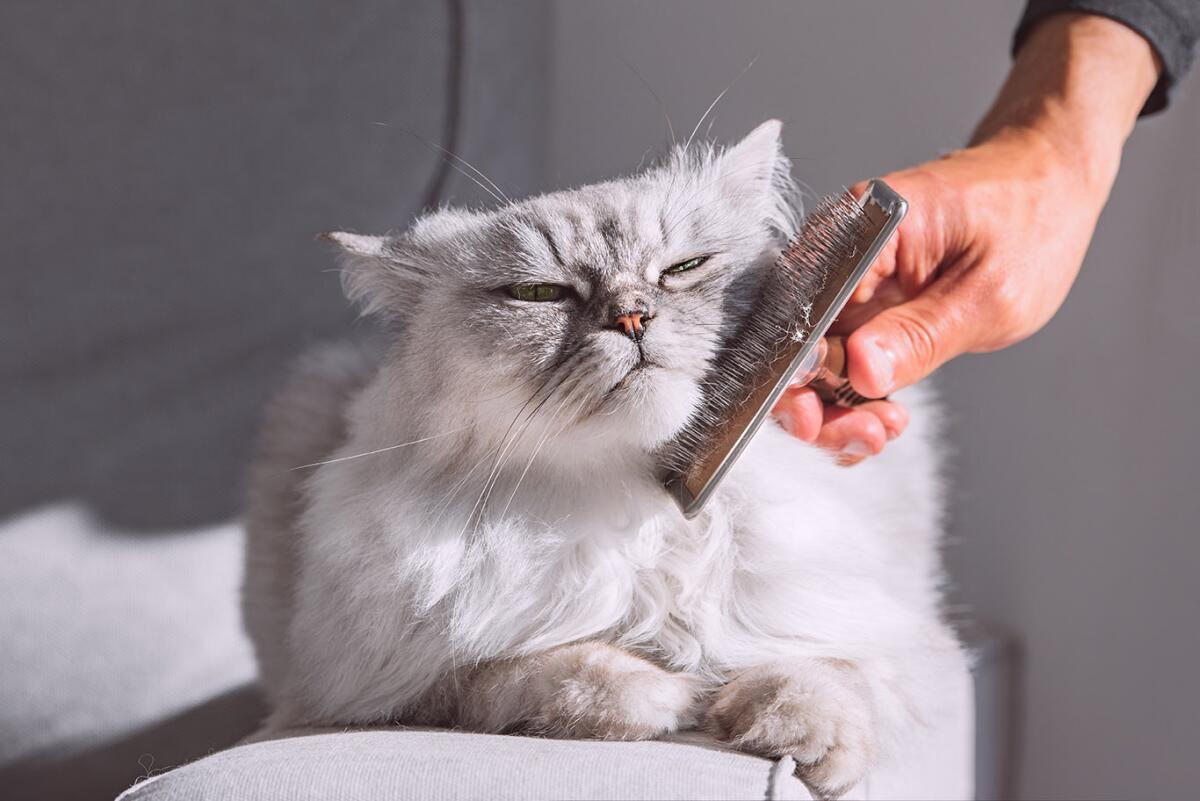
Choosing the correct brush depends on your cat’s coat length and texture. Short-haired cats usually do well with a rubber brush or a soft bristle brush, which gently removes loose fur without irritating their skin. Long-haired cats need a slicker brush or a wide-toothed comb to detangle mats and prevent knots.
For cats with sensitive skin, brushes with rounded tips can help avoid discomfort. If your cat’s coat tends to shed a lot, a deshedding tool can be a game changer. Have you noticed how some cats react differently to various brushes? Testing a few on your cat’s fur can help you find the best fit.
Using Clippers And Nail Trimmers Safely
Using clippers on a reluctant cat requires extra care and patience. Start by choosing quiet, low-vibration clippers to avoid startling your cat. Always introduce the clippers gradually, letting your cat sniff and hear them before turning them on.
When trimming nails, opt for sharp, well-maintained trimmers designed for cats. It’s easier to trim nails in a calm environment, so find a quiet spot and hold your cat gently but firmly. Cutting too close to the quick can hurt your cat, so only trim the sharp tip of the nail.
Have you tried clipping one nail at a time over several sessions? This approach can help your cat get used to the process without feeling overwhelmed. Remember, your calm energy and patience can make a big difference in how your cat responds.
Techniques To Calm A Reluctant Cat
Grooming a reluctant cat requires patience and gentle touch to build trust. Use slow movements and soft voices to keep your cat calm during brushing. Offering small treats can also help create a positive grooming experience.
Grooming a reluctant cat can often feel like a daunting task. But with the right techniques, you can make the experience more pleasant for both you and your feline friend. This section delves into effective strategies to calm your cat, ensuring grooming is a stress-free process.Slow And Patient Movements
Cats are highly sensitive to sudden movements. When approaching your cat for grooming, move slowly and with purpose. This helps build trust and reduces the likelihood of startling them. Imagine trying to brush your cat’s fur while they’re constantly twitching or trying to escape. By maintaining a calm demeanor and gradual approach, you create a safe environment. Your cat will begin to associate grooming with a positive experience.Short Grooming Sessions
It’s tempting to get all the grooming done in one go, but shorter sessions are more effective for reluctant cats. Aim for just a few minutes at a time, focusing on a small area. This approach prevents overwhelming your cat, allowing them to adjust gradually. Over time, you can extend these sessions as your cat becomes more comfortable. Remember, patience is key. Would you rather rush through and stress your cat, or take the time to ensure they’re at ease?Handling Difficult Grooming Moments
Grooming a cat that resists can be challenging, but handling difficult moments with care makes a big difference. Staying calm and patient helps your cat feel safer and less stressed. Understanding when to step back and how to gently manage your cat’s movements can turn a tough grooming session into a manageable one.
When To Pause And Try Later
Knowing when to pause is crucial. If your cat starts to squirm, hiss, or swipe, it’s a clear sign to stop. Pushing through can damage trust and make future grooming harder.
Give your cat time to calm down before trying again. Sometimes, just taking a break for 10 to 15 minutes can help. You might also choose to split grooming into shorter sessions over several days instead of one long session.
Have you noticed your cat’s mood shifts during grooming? Use those moments to decide if continuing is worth the stress or if a pause will benefit both of you.
Using Towels And Restraints Gently
A soft towel can be your best tool for managing a reluctant cat. Wrapping your cat snugly but gently keeps claws and sudden movements under control without hurting them.
- Wrap the towel around your cat’s body, leaving the head exposed for grooming.
- Make sure it’s snug but not too tight to cause discomfort.
- Use this method especially when trimming nails or brushing areas your cat dislikes.
Restraints don’t mean harsh force; they mean safety for both you and your cat. When used correctly, they reduce stress by preventing sudden escapes or scratches. Have you tried this technique yet? It might change how your cat responds to grooming.
Incorporate Grooming Into Routine
Incorporating grooming into your cat’s daily routine helps reduce stress. Cats feel safer with a predictable schedule. Grooming becomes a calm activity instead of a struggle. Making it part of your day builds trust and cooperation over time.
Consistent Scheduling
Choose a regular time for grooming sessions. Short sessions work better than long ones. Try after meals or before bedtime. Consistency helps your cat expect and accept grooming. Use the same place to keep your cat comfortable.
Making Grooming Enjoyable
Turn grooming into a positive experience. Use gentle strokes and soft tools. Praise your cat with calm voices and petting. Offer small treats to reward calm behavior. Stop if your cat shows signs of stress. Keep sessions short and end on a good note.
Seek Professional Help When Needed
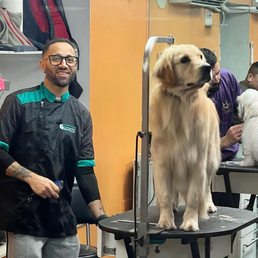
Professional groomers handle anxious cats safely and gently. Seeking expert help prevents stress and injury during grooming sessions.
Grooming a reluctant cat can be a daunting task. If your efforts to calm and groom your feline friend aren’t yielding results, it may be time to consider professional help. Seeking assistance from experts can ensure your cat’s grooming needs are met without unnecessary stress for either of you.Signs To Consult A Groomer
Is your cat’s fur becoming matted despite regular brushing? Are there areas you simply can’t reach due to your cat’s squirming or scratching? These signs suggest it might be wise to consult a professional groomer. They have the skills and tools to handle even the most uncooperative cats. Groomers can also spot potential skin issues you might overlook, ensuring your cat’s coat stays healthy and vibrant.Veterinary Assistance For Skin Or Behavioral Issues
Sometimes, reluctance to grooming can indicate underlying issues. Is your cat unusually aggressive or showing signs of distress during grooming sessions? This could be a sign of pain or discomfort. Veterinary assistance can help identify if skin conditions or behavioral problems are to blame. A vet can recommend treatments or behavioral strategies that can make grooming less stressful. Consulting a vet ensures you’re not just treating the symptoms, but addressing the root cause of your cat’s grooming reluctance.Frequently Asked Questions
How Can I Calm A Reluctant Cat For Grooming?
Use gentle, slow movements and soft voices to calm your cat. Offer treats and breaks during grooming. Create a quiet, comfortable space to reduce stress.
What Tools Work Best For Grooming Stubborn Cats?
Choose a soft-bristled brush or grooming glove. Avoid noisy or harsh tools. Use tools designed for sensitive or short-haired cats to ensure comfort.
How Often Should I Groom A Reluctant Cat?
Groom reluctant cats weekly to prevent matting and shedding. Frequent, short sessions help build trust and reduce anxiety. Adjust frequency based on your cat’s coat type.
Can Grooming Improve A Cat’s Behavior?
Yes, regular grooming helps reduce stress and improves coat health. It strengthens your bond and makes future grooming easier. Consistency creates a positive grooming routine.
Conclusion
Grooming a reluctant cat takes patience and care. Start slow and use gentle touches. Let your cat get used to the brush. Praise and small treats help build trust. Keep sessions short to avoid stress. Stay calm and watch your cat’s signals.
With time, grooming can become a calm routine. Your cat will feel cleaner and happier. Remember, every cat is different. Adjust your approach to fit your pet’s needs. Consistency and kindness make all the difference.

Leave a Reply