Have you ever wondered if your cat actually grooms their poop? It might sound strange, but many cat owners notice their furry friends paying close attention to their bathroom habits.
Understanding this behavior can help you keep your cat healthy and happy. You’ll discover the surprising facts about how cats clean themselves after using the litter box—and why it matters to you and your pet. Keep reading to learn what’s normal, what isn’t, and how you can support your cat’s natural grooming routine.
Cat Hygiene Habits
Cats are famously clean creatures. Their hygiene habits go beyond just looking neat—they are vital for their health and comfort. Understanding how cats maintain cleanliness, especially around their waste, can help you care for your feline friend better.
How Cats Clean Themselves
Cats use their tongues to groom almost every part of their bodies. Their tongues have tiny, hook-like structures that help remove dirt and loose fur. This self-cleaning behavior keeps their coat smooth and free of parasites.
When it comes to their rear area, cats are very thorough. After using the litter box, they often lick themselves to stay clean. This natural habit means they rarely need help with bathroom hygiene.
Role Of Grooming In Cat Health
Grooming does more than keep cats looking good; it helps prevent infections and skin problems. Regular licking stimulates blood flow and distributes natural oils that protect their skin.
If your cat stops grooming or seems overly focused on one area, it might signal a health issue like pain or parasites. Watching your cat’s grooming habits can give you early clues about their well-being.
Have you noticed how your cat’s grooming changes with the seasons or after a stressful event? Paying attention to these patterns can help you support their health and happiness.
Do Cats Groom Their Poop?
Have you ever noticed your cat acting strangely after using the litter box and wondered, do cats groom their poop?Unlike grooming their fur, cats don’t clean their feces the same way. However, they do have specific behaviors around their waste that might seem like grooming but serve different purposes.
Behavior Around Litter Boxes
After a cat uses the litter box, you might see it pawing around the area or even sniffing the spot. This behavior is more about covering their waste than grooming it. Cats instinctively bury their poop to hide their scent from predators or other animals.
Sometimes, cats will lick their paws after digging in the litter. This might look like grooming their poop, but it’s actually a way to clean their paws from any litter or residue. If you notice excessive licking or scratching, it could signal irritation or a health issue, so keep an eye on that.
Common Misconceptions
Many people think cats groom their poop because they see paw licking or sniffing near the litter box. In reality, cats are very clean animals but avoid direct contact with their feces as it can carry bacteria. Grooming poop would be counterproductive to their health.
Another misconception is that cats “wash” themselves after using the litter box. While cats do groom themselves regularly, this behavior is more about keeping their fur clean and free from dirt. Their natural instincts lead them to avoid contaminating themselves with waste.
Have you noticed any unusual behavior from your cat around their litter box? Observing these patterns can tell you a lot about their health and comfort. Paying attention to what your cat is really doing can help you provide better care and spot problems early.
Why Cats Avoid Poop Grooming
Cats are known for their fastidious grooming habits. They spend hours cleaning their fur and paws. Yet, they avoid grooming their poop. This behavior may seem odd. Understanding why cats avoid poop grooming reveals interesting facts about their nature and survival.
Natural Instincts
Cats have strong natural instincts that guide their behavior. Grooming poop can spread harmful bacteria. Cats avoid this to protect themselves from illness. They use their litter boxes to bury waste instead.
Burying poop keeps their environment clean. It also hides their scent from predators. These instincts help cats stay safe and healthy.
Scent And Survival
Poop carries a strong scent. This scent can attract predators or rivals. Cats avoid grooming poop to prevent leaving scent trails. This reduces the chance of danger.
Keeping their scent low helps cats survive in the wild. Even house cats keep this instinct. It is a key part of their survival strategy.
When Cats Might Groom After Pooping
It’s normal to see your cat grooming after they poop, but have you noticed when this behavior changes or becomes excessive? Cats usually clean themselves quickly to stay hygienic and comfortable. However, there are times when grooming after pooping might signal something more serious.
Health Issues To Watch For
If your cat spends too much time grooming after pooping, it might be dealing with irritation or discomfort. Conditions like anal gland problems, parasites, or allergies can cause itching or pain in that area. Watch for symptoms such as scooting their bottom on the floor, redness, or swelling around the anus.
Sometimes, digestive issues like diarrhea or constipation can make grooming more frequent as your cat tries to stay clean. If you notice changes in your cat’s bathroom habits or excessive licking, it’s a good idea to consult your vet. Catching health problems early can save your cat from discomfort and prevent bigger issues later.
Signs Of Grooming Problems
How do you know if your cat’s grooming after pooping is a problem? Look for these signs:
- Repeated licking that lasts more than a few minutes
- Hair loss or bald spots near the tail or rear
- Redness, sores, or scabs around the anus
- Unusual odor coming from the area
Overgrooming can also lead to skin infections or worsen existing conditions. If you spot any of these signs, don’t wait—reach out to a veterinarian. Your cat’s comfort and health depend on timely attention to these issues.
Tips For Maintaining Cat Cleanliness
Keeping your cat clean is essential for their health and happiness. Cats are naturally clean creatures. They often groom themselves. But sometimes, they need a little help from you. Here are some tips to maintain cat cleanliness.
Litter Box Care
Ensure your cat’s litter box is clean. Scoop the litter box daily. Remove waste regularly. Use a good quality litter that clumps well. Change the litter weekly. Clean the box with mild soap and water. Avoid harsh chemicals. They can harm your cat.
Regular Grooming Practices
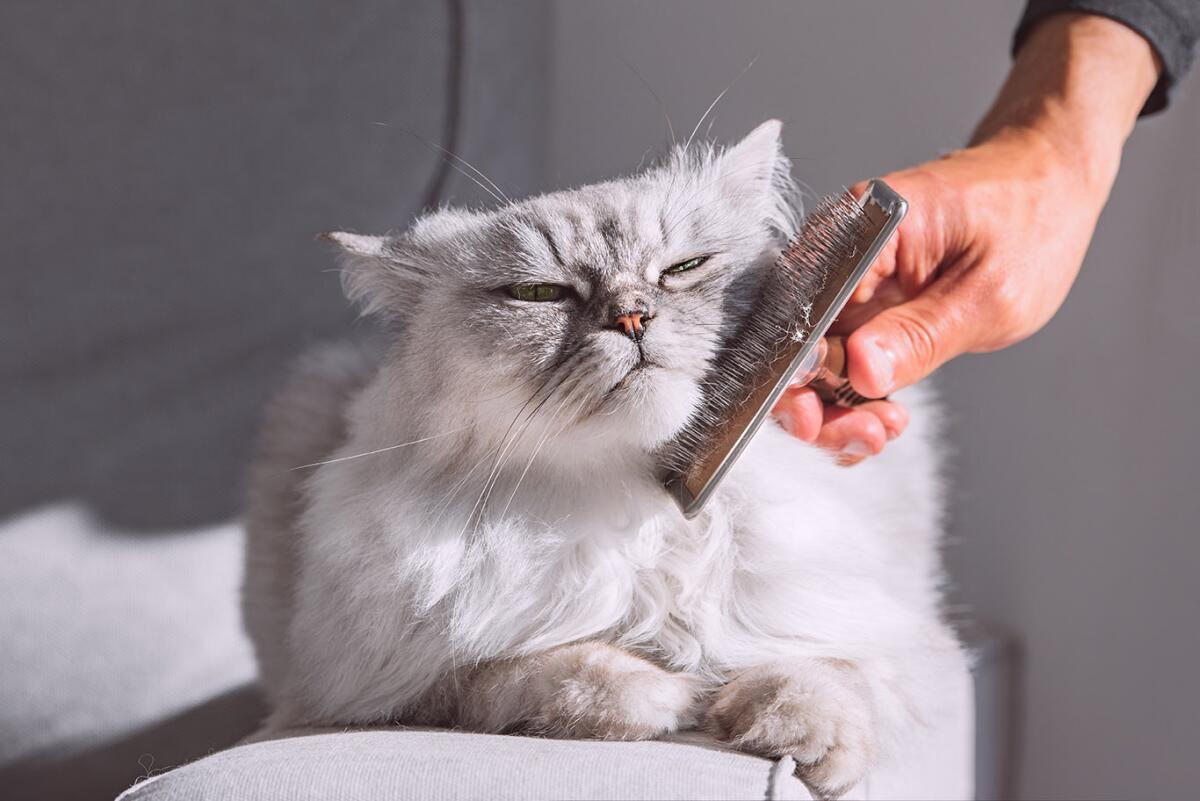
Brush your cat’s fur regularly. This helps remove dirt and loose hair. Use a comb suited for your cat’s fur type. Check their ears and eyes for any discharge. Wipe gently with a damp cloth if needed. Trim their nails to prevent scratches. Some cats may need baths. Use cat-friendly shampoo if bathing is necessary.
Frequently Asked Questions
Do Cats Groom Themselves After Pooping?
Yes, cats often groom themselves after pooping. They use their tongues to clean their fur and paws. This behavior helps maintain hygiene and prevents odors. It’s a natural instinct to stay clean and comfortable after using the litter box.
Why Do Cats Lick Their Paws After Defecating?
Cats lick their paws after defecating to clean off any dirt or residue. This paw-licking ensures no traces of waste remain. It’s part of their grooming routine to keep themselves clean and avoid attracting predators or pests.
Can Poor Grooming After Poop Indicate Health Issues?
Yes, poor grooming after defecation can signal health problems. Issues like arthritis, obesity, or dental pain may prevent effective grooming. If your cat stops cleaning itself properly, consult a veterinarian to rule out medical concerns.
How Often Do Cats Groom Themselves Daily?
Cats groom themselves multiple times daily, usually 30-50 minutes total. Grooming includes cleaning after pooping to maintain hygiene. This frequent self-care helps them stay clean, regulate body temperature, and reduce stress.
Conclusion
Cats keep themselves clean in many ways, but grooming their poop is not one of them. They focus on cleaning their fur and paws after using the litter box. This natural habit helps them stay healthy and avoid smells. Understanding this behavior can help you care for your cat better.
Always keep their litter box clean to support their hygiene. Cats rely on their instincts to stay fresh and comfortable every day. Simple care goes a long way for a happy, healthy pet.

Leave a Reply