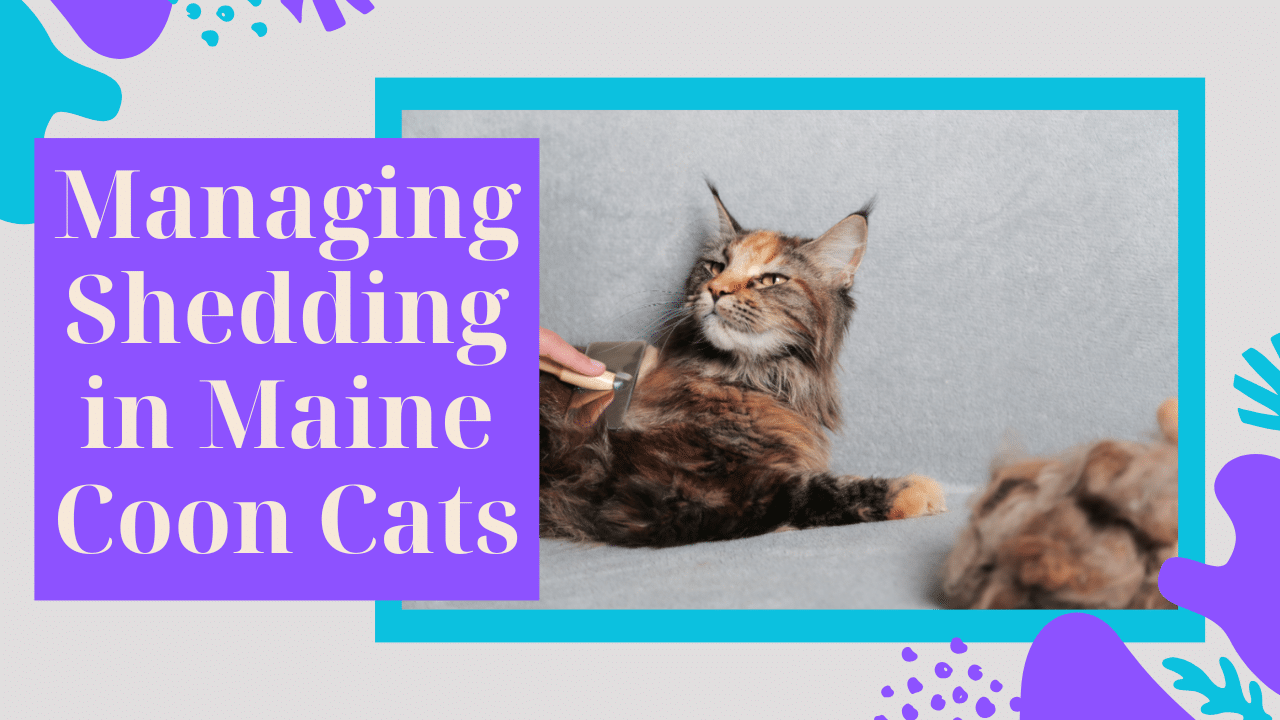
Is your cat losing more fur than usual? Excessive grooming can cause bald patches and make you worry about your furry friend’s health.
You want to help your cat feel comfortable and look great again. You’ll discover simple, effective ways to repair hair loss caused by over-grooming. Plus, you’ll see real photos that show the difference these solutions can make. Keep reading to learn how you can bring back your cat’s healthy coat and happiness.
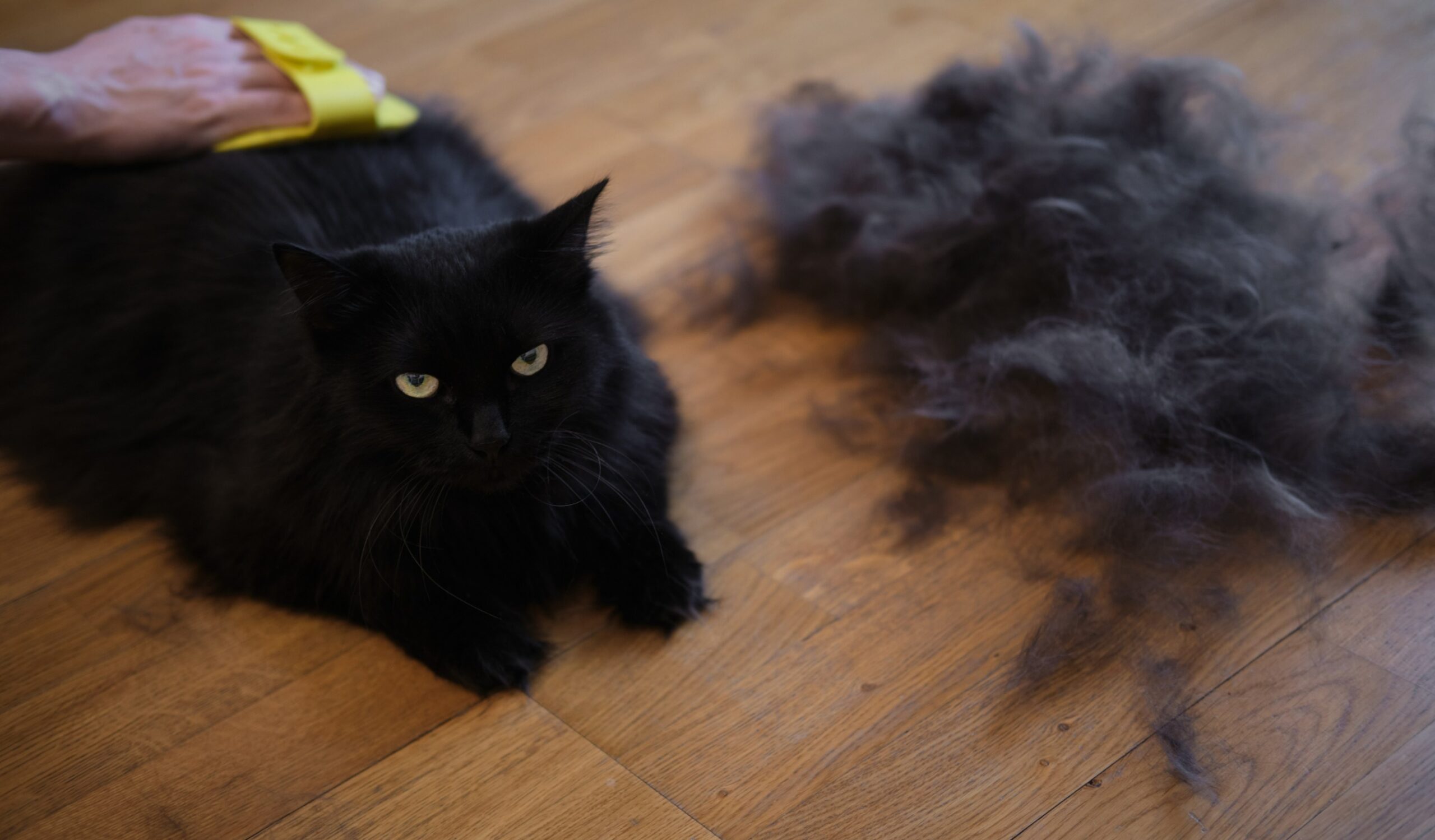
Credit: twocrazycatladies.com
Causes Of Hair Loss In Cats
Hair loss in cats can be worrying for pet owners. Understanding the causes helps in finding the right solution. Cats lose fur for various reasons, some simple and others serious. Spotting the cause early can prevent further damage and help your cat feel better.
Stress And Anxiety
Cats groom themselves to stay clean. Too much grooming can cause hair loss. Stress or anxiety often triggers this behavior. Changes in the environment, loud noises, or new pets can upset cats. They may lick or bite their fur until it thins or falls out. Reducing stress helps stop excessive grooming.
Allergies And Skin Conditions
Allergies cause itching and irritation in cats. Common allergens include pollen, dust, and certain foods. Cats scratch and bite their skin, leading to hair loss. Skin conditions like dermatitis or fungal infections also cause fur to fall out. Treating allergies and skin problems restores healthy fur growth.
Parasites And Infections
Parasites such as fleas and mites irritate cats’ skin. These pests cause intense itching, leading to hair loss. Infections can also damage hair follicles. Parasite control and proper treatment clear infections and stop hair loss. Regular check-ups prevent parasite-related problems.
Nutritional Deficiencies
Poor diet affects a cat’s coat health. Lack of essential nutrients weakens fur and causes shedding. Proteins, vitamins, and fatty acids are vital for shiny fur. Feeding a balanced diet supports hair growth and overall well-being. Supplements may help if diet alone is not enough.
:strip_icc()/the-kitty-1011094438-5c3d1af5c9e77c00015e66a6.jpg)
Credit: www.thesprucepets.com
Signs Of Excessive Grooming
Excessive grooming in cats often signals stress or health issues. Recognizing the signs early helps prevent serious hair loss. Cats may groom to soothe themselves, but too much can harm their skin and fur. Spotting these signs quickly leads to better care and recovery.
Behavioral Changes
Cats with excessive grooming may act restless or anxious. They might lick or bite the same spot repeatedly. Some cats hide or avoid contact. Changes in sleep or appetite can also appear. These behaviors show something is wrong beneath the surface.
Visible Skin Irritations
Look for redness, swelling, or sores on your cat’s skin. Excess licking can cause raw patches or scabs. The skin may look shiny or inflamed. These irritations often become painful or itchy. Early treatment stops infections and promotes healing.
Bald Patches And Hair Thinning
Excess grooming leads to noticeable hair loss. Bald spots appear where the cat licks the most. The fur around these areas grows thin and fragile. Hair thinning may spread if grooming continues unchecked. These signs warn of underlying stress or skin problems.
Effective Home Remedies
Excessive grooming can cause hair loss in cats. There are simple home remedies that soothe your cat’s skin and help hair regrow. These remedies focus on calming irritation, improving nutrition, and reducing stress. They offer safe, natural ways to support your cat’s healing.
Soothing Baths And Oatmeal Treatments
Baths with oatmeal are gentle and calm irritated skin. Oatmeal has natural anti-inflammatory properties. Use lukewarm water and a cat-friendly oatmeal shampoo. Soak your cat carefully for 5 to 10 minutes. This helps reduce itching and redness. Avoid harsh soaps or hot water, which can worsen skin problems.
Dietary Improvements
Good nutrition boosts fur health and skin repair. Include omega-3 and omega-6 fatty acids in your cat’s diet. These fats reduce inflammation and promote shiny fur. Offer high-quality protein sources like chicken or fish. Avoid feeding too many treats or fillers that lack nutrients. Consult your vet for special supplements if needed.
Stress Reduction Techniques
Stress causes cats to groom too much. Create a calm environment with quiet spaces and soft bedding. Play with your cat daily to distract and relax them. Use pheromone diffusers or sprays designed for cats. These products help lower anxiety. Watch for triggers like loud noises or new pets. Reducing stress helps stop excessive grooming and hair loss.
:strip_icc()/spruce-pets-cat-bathroom-7b6ae6d8f3d940b9a82141be03734144.png)
Credit: www.thesprucepets.com
Veterinary Treatments
Veterinary treatments play a key role in repairing hair loss caused by excessive grooming in cats. A vet can identify the root cause and suggest effective care. Treatments focus on relieving symptoms and preventing further damage to the skin and fur. Early veterinary intervention improves recovery chances and comfort for your cat.
Medications And Topical Solutions
Vets often prescribe medications to reduce itching and inflammation. These may include antihistamines or corticosteroids. Topical solutions like medicated shampoos or creams help soothe irritated skin. Such treatments support healing and stop cats from over-grooming affected areas.
Allergy Testing And Management
Allergies commonly trigger excessive grooming and hair loss in cats. Allergy testing helps identify specific allergens causing reactions. Vets may recommend changes in diet or environment to avoid allergens. Managing allergies reduces itching and prevents ongoing hair loss.
Parasite Control
Parasites such as fleas and mites cause itching and skin damage. A thorough parasite check is essential during vet visits. Parasite control treatments include topical drops, sprays, or oral medications. Effective parasite control stops discomfort and helps hair to regrow naturally.
Preventing Future Hair Loss
Excessive grooming can cause hair loss in cats, but gentle care helps repair their coat. Using soft brushes and limiting grooming time supports healthy fur regrowth. Photos can help track progress and spot problem areas early.
Preventing Future Hair Loss Excessive grooming can lead to hair loss in cats, but the good news is there are practical steps you can take to prevent it. By focusing on your cat’s daily care routine, environment, and diet, you can significantly reduce the chances of future hair loss. Each of these elements plays a crucial role in maintaining a healthy coat and a happy cat.Regular Grooming Practices
Regular grooming helps keep your cat’s fur in top condition. Brush your cat’s fur gently to remove loose hairs and prevent tangles. This can also be a bonding time with your pet, making it an enjoyable experience for both of you. Are you using the right brush or comb for your cat’s fur type? Ensure that grooming sessions are calm and stress-free, as stress can exacerbate grooming-related hair loss. Consistency is key, so aim for a grooming session several times a week. Not only does this prevent hair loss, but it also gives you a chance to check for any skin issues or parasites.Environmental Enrichment
A stimulating environment is essential for a happy, healthy cat. Cats need mental and physical engagement to reduce stress, which can lead to excessive grooming. Does your cat have enough toys, scratching posts, and climbing spaces to stay entertained? Consider rotating toys and introducing new ones to keep your cat curious and active. Spend quality time playing with your cat to strengthen your bond and provide them with the exercise they need. A content cat is less likely to groom excessively out of boredom or anxiety.Balanced Nutrition
Nutrition plays a vital role in your cat’s overall health and coat condition. Ensure your cat’s diet is rich in essential nutrients like omega-3 and omega-6 fatty acids, which are crucial for healthy skin and fur. Are you providing your cat with high-quality, balanced meals? Consult your veterinarian to determine the best diet for your cat’s specific needs. Sometimes, dietary supplements can help if your cat has specific deficiencies. Remember, a well-nourished cat is a key factor in preventing hair loss. By focusing on these areas, you can help ensure your cat’s coat remains lush and healthy, minimizing the risk of hair loss from excessive grooming.Using Photos To Monitor Progress
Using photos to monitor your cat’s hair loss due to excessive grooming can be a game-changer. Visual records help you see subtle changes that might go unnoticed in daily observation. This approach also keeps you motivated as you track your cat’s recovery journey.
Capturing Clear Images
Take photos in good lighting to highlight the affected areas clearly. Natural light works best, so try to snap pictures near a window during the day. Keep the camera steady and focus on the spots where hair loss is most visible.
Consistency is key—use the same angle and distance each time you take a photo. This makes it easier to compare images over time. If your cat is restless, try calming them with gentle petting before snapping the picture.
Tracking Changes Over Time
Create a photo diary or folder dedicated to your cat’s hair loss progress. Label images with dates to build a clear timeline. Seeing gradual improvement or spotting new problem areas early can guide your next steps effectively.
Try reviewing photos weekly or biweekly. This habit helps you stay on top of changes and adjust grooming routines or treatments promptly. Are you noticing new bald patches or is the fur growing back?
Sharing With Your Veterinarian
Photos provide your vet with valuable visual information that words alone can’t fully express. Bring your photo collection to appointments to show exact changes in your cat’s condition. This can lead to quicker, more accurate diagnoses and treatment plans.
Don’t hesitate to email or message your vet between visits if you notice sudden changes. Clear images can help them decide if an urgent check-up is necessary. How often do you update your vet with your cat’s progress?
Frequently Asked Questions
What Causes Excessive Grooming In Cats Leading To Hair Loss?
Excessive grooming in cats can be caused by stress, allergies, parasites, or skin infections. It often leads to hair loss and skin irritation. Identifying the underlying cause is crucial for effective treatment and preventing further damage to the cat’s coat.
How Can I Stop My Cat From Over-grooming?
To stop over-grooming, reduce stress triggers and provide enrichment. Consult a vet to rule out medical issues like allergies or parasites. Using calming sprays or behavior modification can help. Regular grooming and a balanced diet also promote healthy skin and coat.
What Are Effective Treatments For Hair Loss In Cats?
Treatments depend on the cause and may include medicated shampoos, antibiotics, or anti-parasitic medications. Addressing allergies or stress with dietary changes or environmental enrichment is vital. Always consult a veterinarian for a proper diagnosis and tailored treatment plan.
Can Photos Help Diagnose Cat Hair Loss Causes?
Yes, photos can document hair loss patterns and help veterinarians identify causes. Clear images of affected areas assist in monitoring progress and sharing information during consultations. Regular photo updates can track treatment effectiveness over time.
Conclusion
Excessive grooming in cats can cause hair loss and discomfort. Treating this issue early helps your cat heal faster. Keep your cat calm and provide a clean space. Use gentle care and monitor their behavior daily. Consult a vet if hair loss continues or worsens.
Healthy fur means a happy, comfortable cat. Small steps make a big difference in recovery. Stay patient and consistent with the care routine. Your cat will thank you with a shiny, soft coat soon.




Leave a Reply